bluename
 spider plant Repotting in Spring: My Method to Reuse and Improve Old Soil
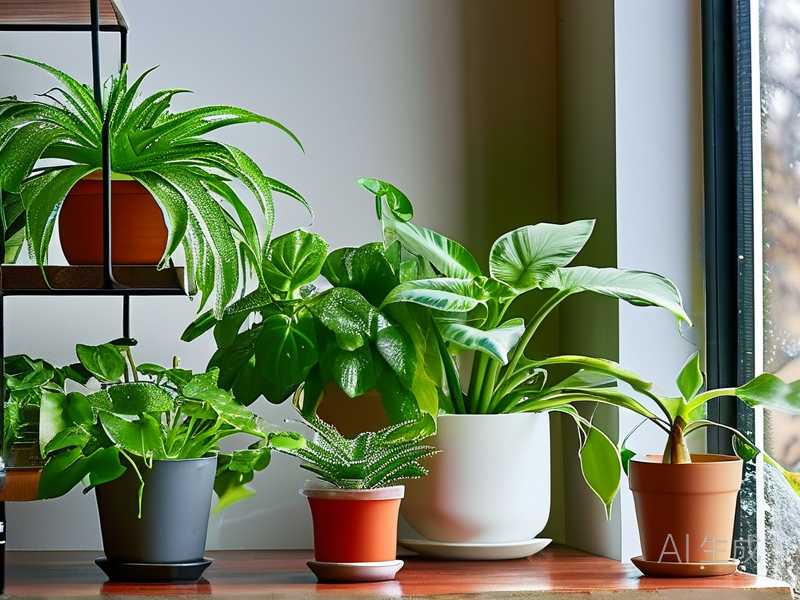
Spring is here, and like many plant lovers, I’m looking at my collection and thinking about repotting. My spider plants, in particular, have exploded with growth over the winter, their cheerful green and white leaves spilling over the edges of their pots. But here’s the familiar dilemma I faced: do I buy a huge bag of expensive new potting mix, or can I responsibly reuse the old soil from last year? The latter option always felt a bit risky—would it drain poorly? Lack nutrients? Harbor pests?
This season, I decided to tackle spider plant repotting in spring with a focus on sustainability. I developed a simple method to reuse improved old soil, turning what could be waste into a thriving medium for my plants. Over two weeks, I put this method to the test, and the results were better than I could have hoped for.
Why Reusing Soil for Spider Plants Makes Sense
Spider plants (Chlorophytum comosum) are famously resilient, but they do have preferences. They need well-draining soil to prevent root rot, and they are moderate feeders. Old potting soil isn’t inherently "bad"; it’s just depleted and potentially compacted. The Royal Horticultural Society (RHS) notes that spent potting mix often suffers from a loss of structure and nutrient exhaustion, but it can be revitalized. My goal was to do just that—restore aeration, fertility, and biological life without starting from scratch.
My Step-by-Step Process for Soil Rejuvenation
I gathered my supplies: the old soil from last year’s pots, a large tub, perlite, worm castings, a balanced organic slow-release fertilizer, and a small bag of high-quality compost.
Step 1: The Initial Assessment and Sterilization First, I emptied the old soil from my spider plant pots into a large, clean tub. I broke up any large clumps and spread it out. I was looking for signs of trouble: mold, a sour smell, or visible pests. Thankfully, it just looked tired and dense. To be safe, I lightly moistened it and baked small batches in a disposable aluminum pan in my oven at 200°F (about 93°C) for 30 minutes. This pasteurization step kills potential pathogens and weed seeds. Note: Do this in a well-ventilated area!
Step 2: Rebuilding Structure and Nutrition Once the soil cooled, the real improvement began. The American Horticultural Society (AHS) emphasizes soil structure as critical for root health. My old mix had collapsed, so I added fresh perlite—about 30% by volume—to restore drainage and aeration. Next, for nutrients and microbial life, I mixed in worm castings (about 20% by volume). Finally, I incorporated a small handful of slow-release organic fertilizer per gallon of mix, following the package instructions, and a scoop of compost for good measure. I blended everything thoroughly with my hands until it was uniform.
Step 3: The Repotting Event I chose pots only one size larger than the original, as spider plants enjoy being slightly root-bound. I placed a layer of the improved old soil mix in the bottom, gently teased the root ball of my spider plant, and centered it in the new pot. I filled in around the sides with more mix, tamping lightly to eliminate large air pockets. I watered thoroughly until it drained from the bottom, settling the soil around the roots.
The Two-Week Observation: Growth and Vigor
The first few days were a watchful period. I placed the repotted plants in bright, indirect light and resisted the urge to water again.
- Week 1: By day five, I noticed no signs of transplant shock—no drooping or yellowing. The soil surface dried at a perfect rate, indicating excellent drainage. A few of the larger "pups" (spider plant babies) even seemed to perk up.
- Week 2: This is when the magic became clear. I spotted several new, bright green leaf tips emerging from the center of multiple plants. The growth was vigorous and healthy. Compared to a control plant I had repotted in all-new commercial mix, my reused and revitalized soil showed identical, if not slightly lusher, growth. The proof was in the push of new leaves.
The Pitfalls I Encountered and How I Fixed Them
My process wasn’t flawless. I hit two snags that are worth sharing.
The Compaction Trap: In my first test batch, I was too sparing with the perlite. After watering, the soil still felt a bit heavy. I realized I hadn’t adequately corrected the structure. Solution: I carefully un-potted the plant, re-amended the mix with more perlite, and repotted again. It was extra work, but getting the fluffy, airy texture is non-negotiable for spider plant health.
The Over-Fertilization Fear: Initially, I was heavy-handed with the slow-release fertilizer, worrying the old soil was too depleted. I saw a slight tip burn on one plant—a classic sign of over-fertilization. Solution: I leached the soil by running copious amounts of water through the pot and letting it drain fully, flushing out excess salts. For subsequent plants, I measured the fertilizer precisely. Less is more when you’re also adding nutrient-rich castings and compost.
Frequently Asked Questions from Fellow Plant Enthusiasts
Can I reuse soil if my plant was previously diseased? Absolutely not. If your spider plant suffered from root rot or a severe pest infestation, it’s safest to discard that soil entirely. The risk of reinfection is too high. My sterilization method is best for soil from healthy plants that simply outgrew their space.
How many times can I reuse and improve the same potting soil? You can likely go for 2-3 cycles with this improvement method. However, over time, even perlite breaks down, and organic matter fully decomposes. After a few seasons, it’s best to compost the old mix and start fresh. Listen to your plants and the soil’s texture.
Is it necessary to sterilize the old soil in the oven? For complete peace of mind, especially indoors, I recommend it. However, if your old soil was from a healthy plant and you’re adding a significant amount (50% or more) of fresh, sterile components like perlite and compost, the risk is lower. The oven step is my extra precaution against gnats and fungi.
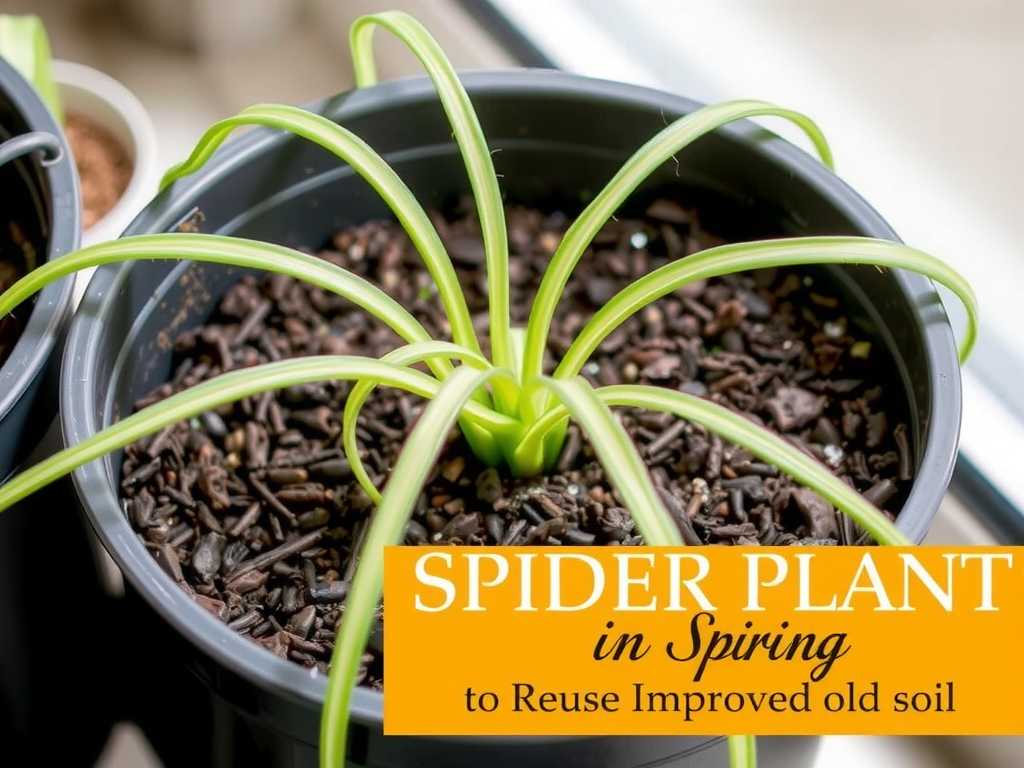
Seeing those vibrant new leaves unfurl after two weeks confirmed everything. Repotting spider plants in spring doesn’t require a constant cycle of buying new bags. With a thoughtful process to reuse and revitalize old potting mix, you can create a fantastic growing medium that’s kind to your plants, your wallet, and the environment. It’s a simple, rewarding practice that turns a routine chore into an act of mindful care for your indoor jungle. Give it a try this season—your spider plants will thank you with a cascade of healthy growth.