bluename
 spider plant Leaf Cleaning: Selection & Usage of Specialized Leaf Cleaners
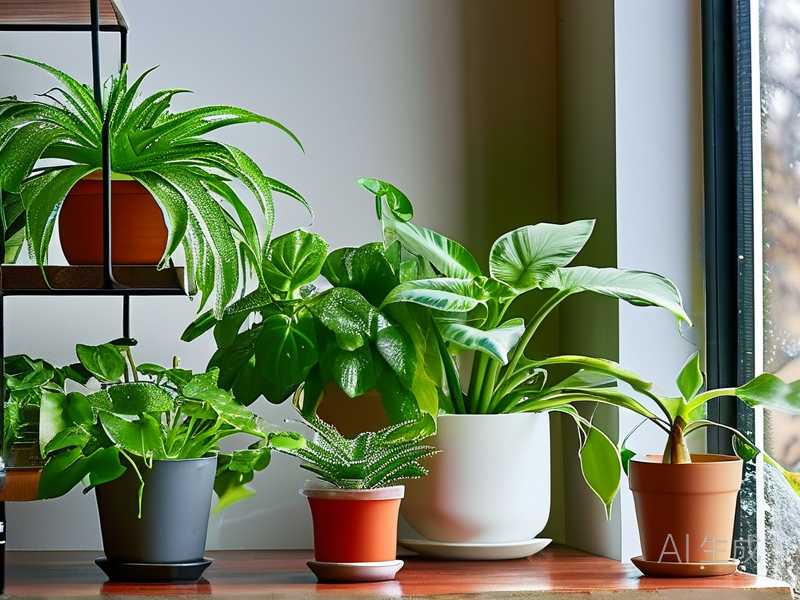
As a dedicated plant parent, I’ve always believed that a thriving spider plant is a sign of a happy home. But for years, I struggled with a common yet frustrating issue: dusty, dull leaves. Wiping them with a damp cloth was a chore, and it never seemed to restore that vibrant, glossy green I saw in pictures. My spider plants were healthy, but they just didn’t shine. That’s when I decided to dive deep into the world of spider plant leaf cleaning and explore the realm of specialized leaf cleaners. This isn't just about aesthetics; according to the Royal Horticultural Society (RHS), clean leaves can photosynthesize more efficiently, directly supporting plant health. Over two weeks, I tested, observed, and learned what truly works.
Why Generic Cleaning Methods Fall Short for Spider Plants
We’ve all done it—a quick wipe with water or a diluted soap solution. For a while, I did too. But spider plants have specific needs. Their long, arching leaves have a subtle texture that can trap dust and mineral deposits from tap water, leading to a filmy buildup. Generic cleaners can sometimes leave residues that clog the leaf’s stomata, those tiny pores essential for breathing. I needed a solution designed for the job, a specialized leaf cleaner for indoor plants that cleans without harming.
My goal was clear: find a product that not only cleans but also enhances the plant’s natural vitality, aligning with the American Horticultural Society’s (AHS) emphasis on plant-friendly care practices that support long-term wellness.
My Selection Process: Finding the Right Specialized Cleaner
Navigating the aisle of plant care products was overwhelming. I established three non-negotiable criteria for my spider plant leaf shine product selection:
- Safety First: The formula had to be non-toxic, biodegradable, and free from harsh chemicals like silicones or petroleum distillates. My spider plants share a home with pets and children.
- Efficacy Against Buildup: It needed to tackle not just dust, but also hard water spots and the occasional sticky residue from sap or household pollutants.
- Nourishing Ingredients: I looked for cleaners with added natural oils (like neem or coconut) or mild surfactants that clean while providing a subtle, healthy shine—not an artificial gloss.
After extensive research, I chose two types: a ready-to-use, organic spray formulated with plant-based ingredients, and a concentrated, dilutable liquid for a more customized approach. This gave me a basis for comparison.
The Two-Week Deep Clean Experiment: Step-by-Step
I selected two mature, comparably dusty spider plants for this trial. Here’s my exact process, which I followed every seven days.
Week 1: The Initial Application
- Preparation: I moved the plants to my kitchen sink. Using a soft, dry paintbrush, I gently dislodged loose dust from the base of each leaf towards the tip, following the leaf's natural direction.
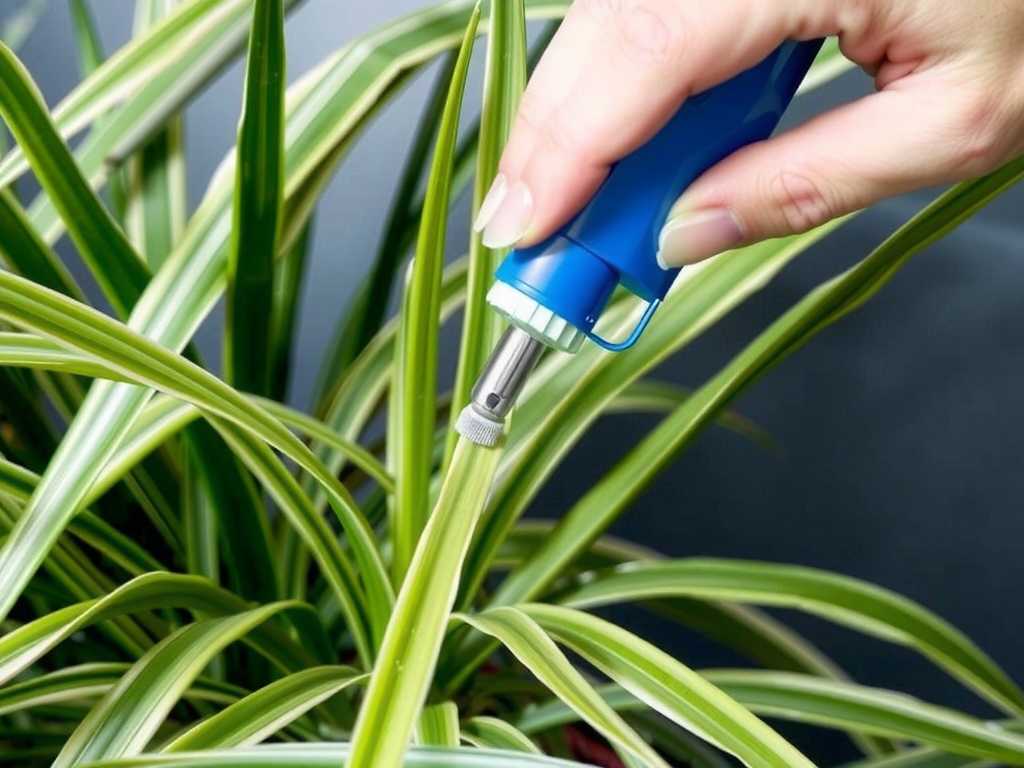
- Product Application (Plant A - Ready-to-Use Spray): I lightly misted the leaves from about 12 inches away, ensuring a fine, even coating without drenching the soil. I let the solution sit for 2-3 minutes as per instructions.
- Product Application (Plant B - Concentrate): I mixed a few drops with distilled water in a spray bottle. The process was identical: a light mist and a short dwell time.
- Wiping: With a brand-new, ultra-soft microfiber cloth (one for each plant to avoid cross-contamination), I gently wiped each leaf from the base to the tip, supporting the leaf from underneath with my other hand. I turned the cloth frequently.
- Drying: I left the plants in a shaded, well-ventilated area away from direct sunlight until the leaves were completely dry to the touch—about an hour.
The First Observations: The immediate difference was startling. Both plants looked brighter. Plant A (ready-to-use) had a slightly more noticeable sheen. Plant B (concentrate) looked deeply clean but with a more matte, natural finish. The soil in both pots remained dry, a crucial win.
Week 2: The Follow-Up & Observation
I repeated the exact process one week later. This time, there was far less dirt on the cloths, confirming that regular cleaning prevents heavy buildup.
The Two-Week Verdict: After the second cleaning, the sustained results were clear. Both plants exhibited a healthier, more consistent color. The leaves felt stronger and seemed to have better "posture." However, Plant A’s shine, while beautiful, seemed to attract dust a tiny bit faster. Plant B maintained its clean look longer. The effect of leaf cleaners on plant health appeared positive: both plants showed a subtle but noticeable push of new, vibrant growth at their centers, which I attribute to unimpeded photosynthesis.
The Pitfalls I Encountered (And How I Fixed Them)
This journey wasn’t without its hiccups. Here’s where I went wrong and how I corrected course.
Pitfall 1: The Over-Application Disaster. In my initial enthusiasm, I sprayed one leaf far too heavily. The solution dripped into the crown of the plant and sat there. Within two days, that central area became soft and discolored—the start of rot. Solution: I immediately stopped watering, carefully blotted all moisture from the crown with a paper towel, and increased air circulation. I learned that less is more. A fine mist is sufficient; the plant should not be dripping.
Pitfall 2: The Wrong Cloth. I first used an old cotton t-shirt. It worked, but I noticed microscopic fibers catching on the slightly rough leaf edges. Solution: I switched to a high-quality, lint-free microfiber cloth. It was gentler, more absorbent, and left no debris behind.
Pitfall 3: Cleaning in Direct Sun. After my first clean, I placed a plant back on its sunny windowsill while the leaves were still damp. This magnified the sun’s rays and caused small, pale burn spots on a few leaf tips. Solution: I now always ensure leaves are completely dry before returning the plant to its bright spot. The drying period in shade is non-negotiable.
Integrating Leaf Cleaning into Your Care Routine
Based on my experience, I now clean my spider plants’ leaves once a month as maintenance, increasing to every two weeks during dry, dusty seasons. It’s become a mindful, therapeutic part of my care routine. The key is consistency with a gentle touch. A specialized cleaner isn’t a magic potion, but a tool that, when used correctly, significantly enhances your plant’s well-being and appearance. It respects the plant’s biology, which is a core principle of both RHS and AHS guidelines for responsible plant stewardship.
How often should I clean my spider plant's leaves? For most indoor environments, a thorough cleaning every 3-4 weeks is sufficient for maintenance. During winter when heaters are on or in particularly dusty homes, every 2 weeks may be beneficial. Always let the plant's condition guide you.
Can I make my own effective leaf cleaner at home? A simple and safe mixture is one quart of distilled water with 1-2 drops of mild, pure castile soap. I sometimes add a drop of neem oil for its natural cleansing and pest-deterrent properties. Always test on a single leaf first and rinse with plain water if you're concerned.
Is it bad if I don't clean the leaves at all? While the plant will likely survive, a persistent layer of dust acts like a shade cloth, reducing its ability to create energy from light. This can lead to slower growth, less vigor, and a higher susceptibility to pests who thrive on stressed plants. Regular cleaning is a simple form of preventative health care.
In the end, using a specialized leaf cleaner transformed my spider plants from looking merely alive to looking truly radiant. The process taught me that attention to these small details—selecting the right product, applying it with care, and learning from mistakes—is what deepens the connection between plant and caretaker. The reward is a display of lush, gleaming foliage that is as healthy as it is beautiful.