bluename
 Office spider plant Care: Placement Tips to Avoid Air Conditioner Vents
I love my office spider plants. They bring a slice of nature to my desk, purify the air, and honestly, they’re just cheerful coworkers. But for the longest time, I struggled with one persistent issue: crispy brown leaf tips. No matter how diligently I watered or misted, those telltale signs of distress kept appearing. It wasn't until I moved my largest spider plant away from a hidden enemy that I solved the mystery. The culprit was my office’s air conditioner vent. This experience taught me that office spider plant care isn't just about water and light; it’s critically about strategic placement. If you want your Chlorophytum comosum to thrive, not just survive, avoiding direct airflow from air conditioner vents is non-negotiable.
Why Air Conditioner Vents Are the Silent Enemy of Your Spider Plant
At first, I thought the vent was just providing a nice breeze. I was wrong. Placing a spider plant in the direct path of an AC vent subjects it to a triple threat of stress factors that directly contradict its natural needs.
First, there’s the rapid moisture stripping. Spider plants enjoy moderate humidity. The constant, forced air from a vent acts like a desiccant, pulling moisture from the leaves faster than the roots can replenish it. This leads directly to those dry, brown tips and overall leaf desiccation.
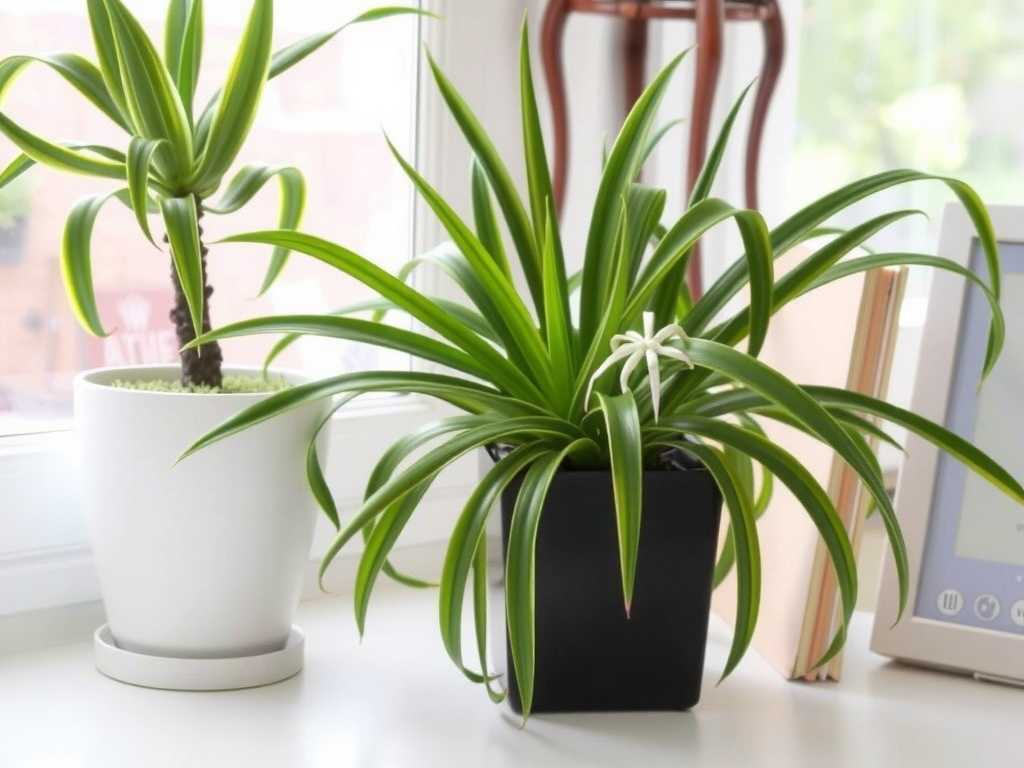
Second, it causes temperature stress and shock. Air conditioners create cold, concentrated blasts. Spider plants prefer stable, comfortable room temperatures between 65-80°F (18-27°C). A sudden, repeated chill can shock the plant, slowing growth and weakening its immune system, making it more susceptible to pests.
Finally, it creates inconsistent soil drying. The direct airflow causes the soil surface to dry out erratically. You might think the top inch is bone-dry and water, but the root ball deeper down could still be soggy. This leads to a confusing cycle of both underwatering symptoms (brown tips) and potential overwatering risks (root rot).
I learned this the hard way. My once-lush plant was looking sad and frayed. It was a classic case of solving the wrong problem—I kept adjusting water when I needed to adjust location.
My Two-Week Rescue Mission: Relocating the Plant
I decided to conduct a two-week experiment to save my suffering spider plant. The goal was to observe the effects of moving it away from the vent and implementing corrective care.
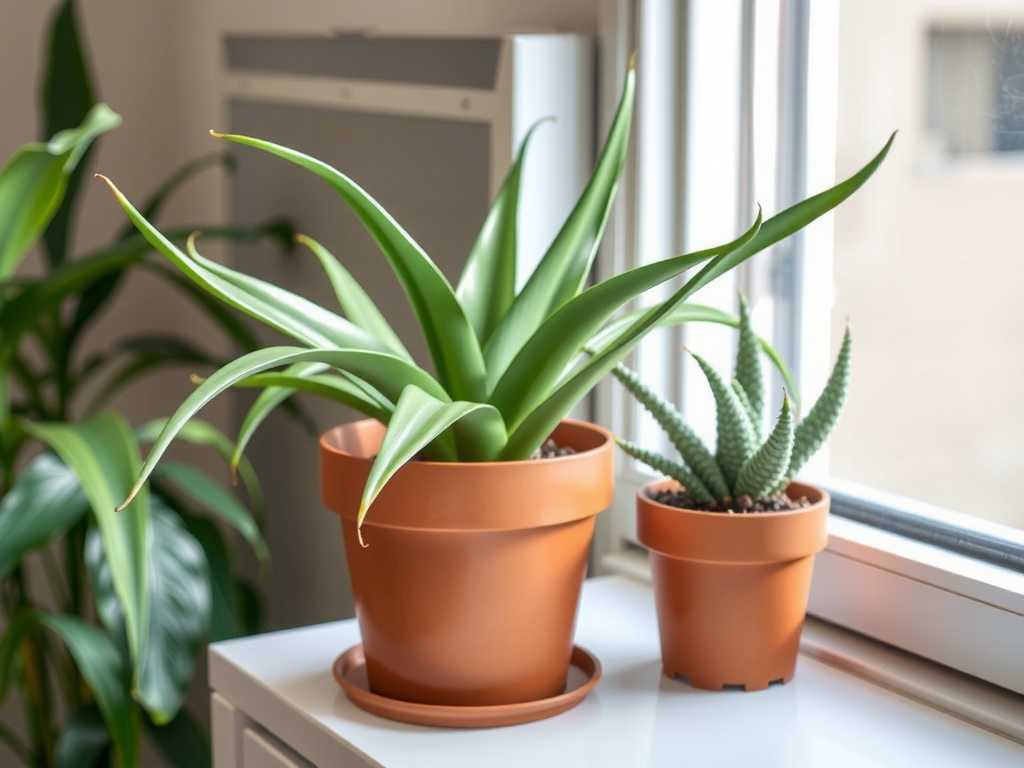
Week 1: The Immediate Move and Initial Observations
Day 1-3: I identified a new spot about 8 feet away from the vent. It received bright, indirect light from a north-facing window (no direct sun) and was away from any drafts, including doors and other vents. I gave it a thorough, deep watering until water ran out the drainage holes, allowing it to fully hydrate without stress. I also trimmed the worst of the brown-tipped leaves with clean scissors to help the plant focus energy on new growth.
Day 4-7: The most immediate change was the lack of constant leaf movement. The plant looked still and peaceful. I resisted the urge to water again, checking the soil moisture by sticking my finger two inches down. It was still slightly moist. By the end of the first week, I noticed no new browning on the existing green leaf tips. This was a huge win.
Week 2: Signs of Recovery and Adjusted Care
Day 8-14: The true recovery signs began. I spotted two new, bright green shoots (stolons) emerging from the base of the plant. The existing leaves looked perkier, less limp. The soil dried at a much more consistent and predictable rate, which made watering simpler. I watered once during this week when the top two inches of soil were dry.
The transformation wasn't miraculous—the old brown tips were still there—but the halt in further damage and the push of new growth were clear indicators of success. The plant was no longer in survival mode; it was growing again.
The Pitfalls I Encountered and How I Fixed Them
This process wasn't without its hiccups. Here are the two main pitfalls I faced and how you can avoid them.
Pitfall 1: Underestimating the Vent's Range My first relocation attempt was a failure. I moved the plant only 3 feet to the left, thinking it was far enough. After two days, the leaves were still dancing. I realized the cold air stream traveled much farther than I thought. I used a simple trick: I held a thin piece of tissue paper around the area. Wherever it fluttered consistently, I marked as the "draft zone." My final successful spot was completely outside this zone.
Pitfall 2: Overcompensating with Water In my initial panic about the dry air, I made a classic mistake. I started misting the leaves heavily and watering more frequently. This did nothing to address the root cause (the draft) and only risked fostering fungal issues on the leaves and root rot in the soil. The fix was to stop misting entirely and return to a "soak and dry" watering method based on soil feel, not a schedule. The Royal Horticultural Society (RHS) advises that for spider plants, "watering should be reduced in winter," emphasizing the need to respond to environmental conditions, not automate care.
Expert-Recommended Placement Strategies for a Thriving Plant
So, where should you put your office spider plant? Based on my experience and guidance from sources like the American Horticultural Society (AHS), which emphasizes creating stable microclimates for plants, here are the best placement tips.
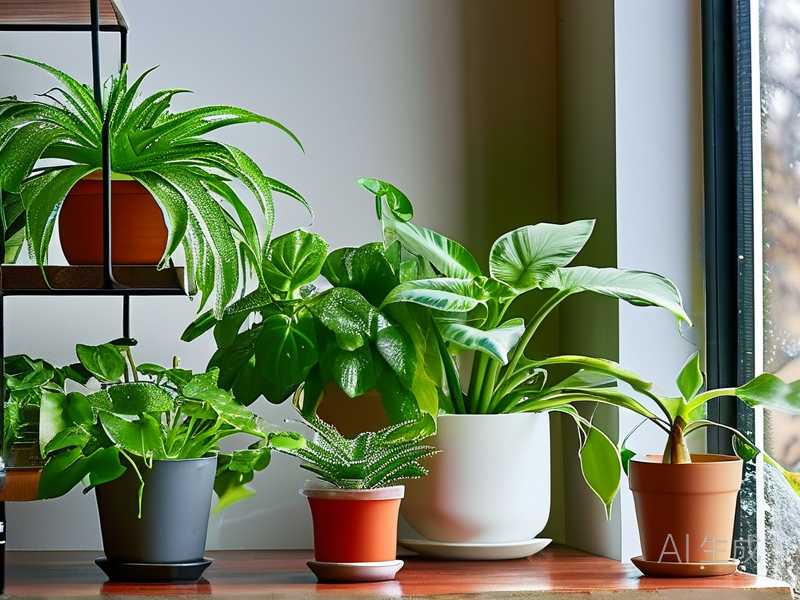
Ideal Spot Criteria: Look for a location with bright, indirect light. An interior desk with overhead fluorescent lights often works well, or a shelf near a window but not in the sun's direct path. Ensure it is at least 5-6 feet away from any active air conditioner vent, heater, or frequently opened door. The spot should feel comfortable to you—if you feel a draft or a chill, your plant definitely will.
Creative Solutions for Limited Office Space: If your office is small and vents are everywhere, get creative. Use a bookshelf or a tall filing cabinet as a plant stand. Cold air falls, so elevating the plant can sometimes get it above the main draft current. You can also place a larger, hardier plant (like a sturdy ZZ plant) between the vent and your more sensitive spider plant to act as a buffer. Just ensure your spider plant still gets its needed light.
The Role of Humidity Trays: While not a substitute for moving the plant, a pebble tray can help. Fill a shallow tray with pebbles and water, and place the plant pot on top (ensuring the pot's base is not sitting in the water). As the water evaporates, it creates a small zone of slightly higher humidity around the foliage, which can be a helpful supportive measure in generally dry office air.
Your Spider Plant Placement Questions, Answered
Can I ever have a spider plant near a vent if I mist it daily? I strongly advise against it. Misting provides only a momentary increase in humidity that dissipates quickly, especially in a direct draft. It does not address the core issues of temperature shock and soil moisture inconsistency. It can also promote leaf fungal diseases. Relocation is a permanent solution; misting is a temporary and often ineffective band-aid.
My spider plant has brown tips from vent damage. Will they ever turn green again? No, the damaged brown tissue is dead and will not recover. The good news is that with proper placement and care, new growth will be healthy and green. You can snip off the brown tips following the natural angle of the leaf for a cleaner appearance. Focus on the health of the new leaves as your success metric.
How do I know if my plant is suffering from vent damage versus underwatering? The symptoms can overlap, but location is the key differentiator. If your plant has brown tips and is directly in line with a vent, suspect vent damage first—especially if the soil feels adequately moist. Vent damage often causes localized browning right on the tips, while chronic underwatering might lead to more widespread browning, yellowing, and overall wilting. When in doubt, move the plant to a draft-free zone for two weeks and observe. If the browning stops, you've found your answer.
Caring for an office spider plant successfully hinges on understanding its environment. Light and water are important, but placement is foundational. By keeping your resilient spider plant away from the harsh, drying effects of air conditioner vents, you give it the stable, gentle environment it needs to produce those cascading runners and vibrant leaves. It’s a simple shift that makes all the difference between a plant that struggles and one that truly thrives on your desk.