bluename
 North-Facing Balcony spider plant Care: Matching Grow Light Duration with Fertilization Frequency
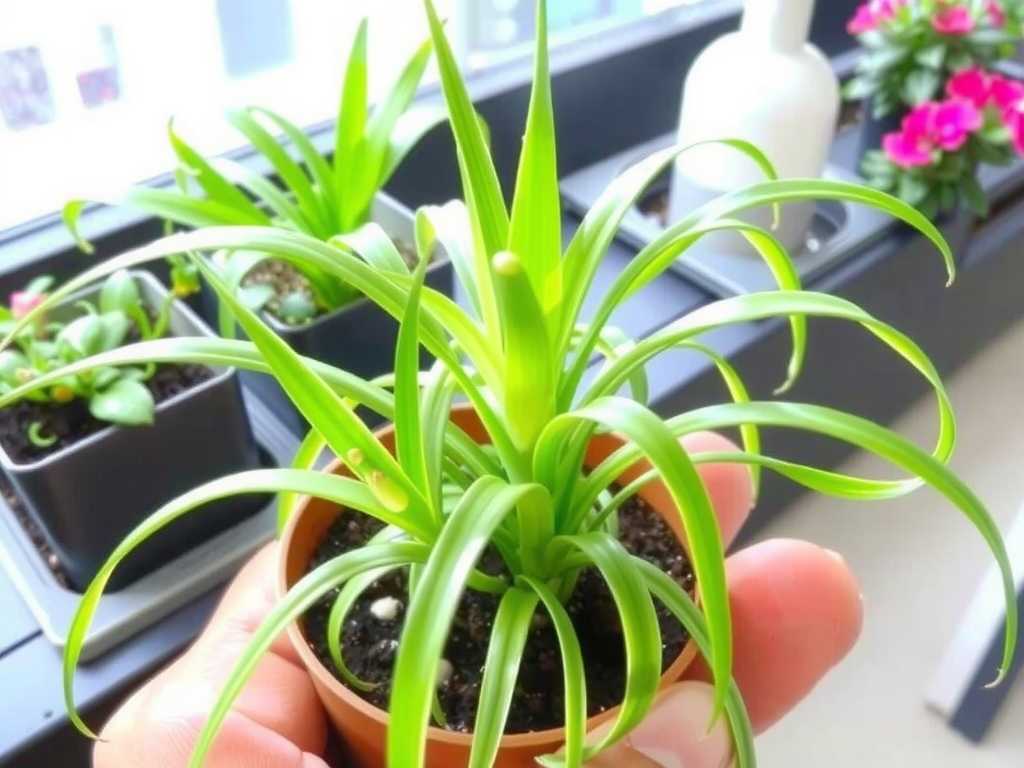
I love my spider plants. They’re resilient, they’re beautiful, and they give my urban apartment a breath of fresh air. But when I moved to a place with only a north-facing balcony, I hit a wall. My once-vibrant spider plants, or Chlorophytum comosum, started to look pale and lethargic. The new growth was slow, and the leaves lost their signature bold stripes. The low, indirect light just wasn’t cutting it. That’s when I embarked on a mission to master north-facing balcony spider plant care. The biggest puzzle? Figuring out the perfect balance between artificial light and feeding. If you give them light but not the right nutrients, or vice versa, you’re just spinning your wheels. This is my hands-on journey of matching grow light duration with fertilization frequency to bring my spider plants back to life.
My Two-Week Experiment: Light and Food in Harmony
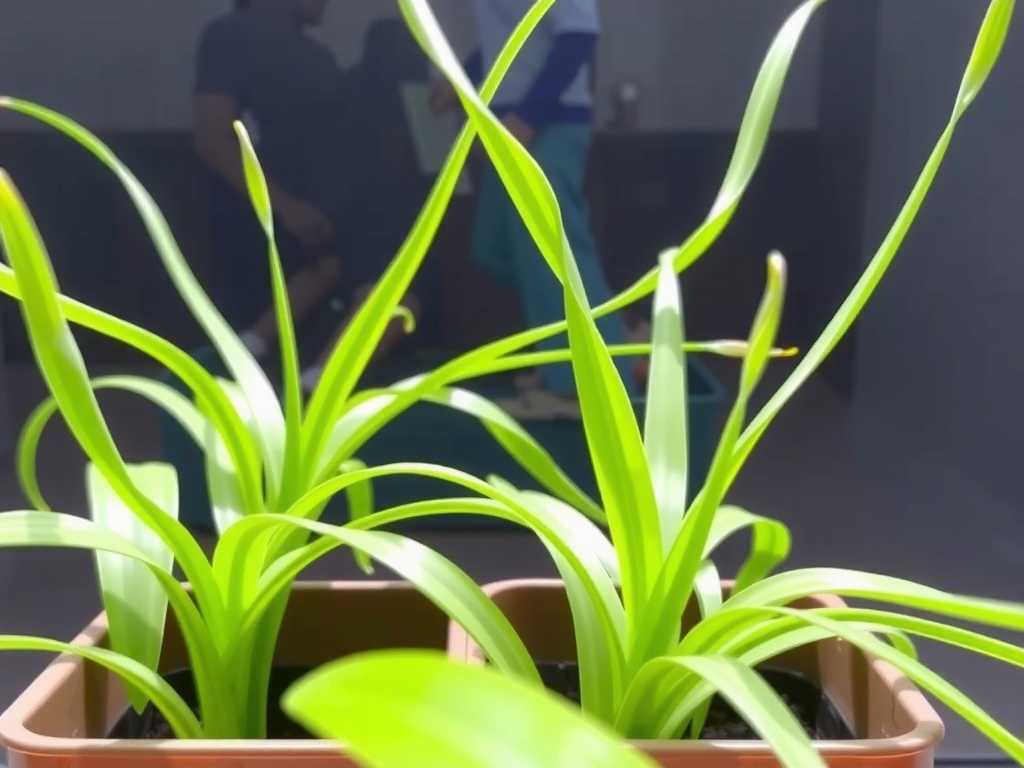
I knew I couldn’t change the sun’s path, so I introduced a full-spectrum LED grow light. My goal was to create a consistent, supplemental “sun” for my green friends. But adding light changes everything. A plant under more active growth conditions has different nutritional needs. Here’s exactly what I did.
Week 1: Establishing the Baseline and Introducing the System
First, I assessed my plants. I had three mature spider plants, all showing signs of light deprivation: slow growth, lighter color, and no offshoots (spiderettes). I placed them on a shelf about 12 inches below a single, 20W full-spectrum LED panel.
My initial plan was simple:
- Grow Light Duration: 12 hours on, 12 hours off. I used a simple timer to ensure consistency, mimicking a long summer day.
- Fertilization Frequency: I decided to stick with my old routine—a balanced, water-soluble fertilizer (10-10-10) diluted to half-strength, applied once at the beginning of the experiment.
I watered them thoroughly, fertilized one, and set the lights. For the first few days, nothing dramatic happened. But by day 4, I noticed the first issue. The tips of the leaves on the fertilized plant began to develop a slight brown tinge. This was my first “踩过的坑” (pitfall). I had increased the energy input (light) but also added fertilizer to a plant that wasn’t yet actively using it. It was like giving a runner an energy gel before they’ve even started to warm up—potential for burn.
The Fix: I immediately flushed the soil of the fertilized plant with plain water to dilute any excess salts. I halted all fertilization for the other two plants. I realized I needed to let the plants acclimate to the new light first, let their photosynthesis machinery ramp up, then provide the nutrients. According to the Royal Horticultural Society (RHS), spider plants have modest feeding needs and are sensitive to fertilizer salt buildup, especially when not in peak growth. I had jumped the gun.
Week 2: Observation, Adjustment, and Seeing Results
For the remainder of the first week and into the second, I kept the grow light schedule steady at 12 hours daily but held off on fertilizer. I focused on observation.
By the start of week two, the change was undeniable. The plants’ posture improved. They weren’t stretching or leaning anymore. The green color, especially in the variegated varieties, became more intense and defined. Most excitingly, I spotted tiny, nub-like growth points in the center of two plants—new leaves were forming!
Now it was time to carefully reintroduce food. Their metabolism was clearly active. Here was my adjusted, final protocol:
- Light Duration: Maintained at 12 hours daily. This provided the consistent “supplemental light for indoor plants” they needed without risk of light burn (a non-issue with cool LEDs at this distance).
- Fertilization Strategy: I switched to a balanced liquid fertilizer for houseplants but at a quarter-strength dose. Instead of one big meal, I adopted a “little and often” approach, adding this weak solution to their water every other time I watered (which was about once every 10 days, as the light increased photosynthesis but not water evaporation drastically in my cool, north-facing space).
The results by the end of week two were transformative. The new leaves unfurling were robust, deeply colored, and growing at a rate I hadn’t seen in months. The brown tipping stopped entirely on the original plant. The foliage was uniformly lush. I had successfully matched artificial light hours with plant feeding to trigger healthy, sustained growth.
Key Takeaways for Your North-Facing Balcony
Through this trial, I learned that care for a spider plant in low-light conditions isn’t just about adding a light. It’s about syncing your entire care routine.
- Light First, Food Second: Always allow a 7-10 day acclimation period after introducing or changing grow lights. Let the plant tell you it’s ready for more food by showing new growth.
- Duration is Key: For north-facing situations, 10-14 hours of supplemental light is ideal. It compensates for the lack of intensity. Consistency via a timer is non-negotiable for regulating the plant’s internal clock.
- Dilute and Frequency: When using grow lights, you are forcing a growth response. Fertilizing at half or quarter strength more frequently is far safer and more effective than a full-strength dose monthly. It provides a steady stream of resources aligned with their new growth pace.
- Monitor and Adapt: My north-facing balcony is cooler. The American Horticultural Society (AHS) notes that temperature affects nutrient uptake. In cooler root zones, plants absorb nutrients more slowly. My combination of weak, frequent feeding accounted for this perfectly.
Common Questions Answered
Can I just use the grow light without fertilizing? You can, but you won’t see optimal results. The light provides the energy for growth, but the building blocks come from nutrients in the soil. Without replenishment, growth will eventually stall or become weak. Think of light as the engine and fertilizer as the high-quality fuel.
What’s the best type of grow light for a spider plant on a north-facing balcony? A full-spectrum LED panel or bulb is ideal. It runs cool, is energy-efficient, and provides the complete light spectrum the plant needs for both foliage growth and overall health. Avoid blurple (red/blue) lights if possible, as the quality of light from full-spectrum LEDs is better for long-term plant development and aesthetics.
My spider plant is producing offshoots but the leaves are pale. What’s wrong? This is a classic sign of a nutrient-light imbalance. The plant has enough energy (from your grow light) to reproduce (make spiderettes), but it lacks the nutrients, particularly nitrogen and micronutrients, to maintain strong leaf color and thickness. Re-evaluate your fertilization frequency and strength. A weak, balanced feed every 3-4 weeks during growth periods under lights should correct this.
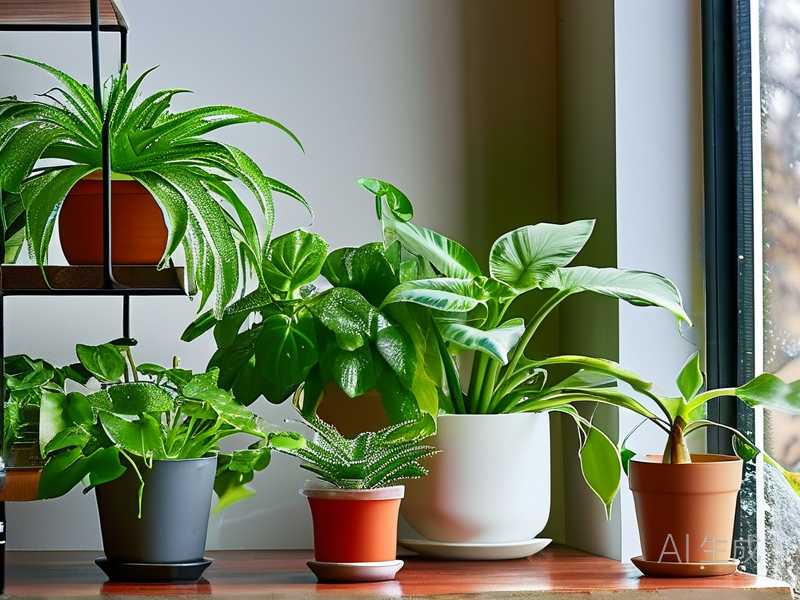
Mastering the dance between light and food turned my dim north-facing balcony into a thriving vertical garden for my spider plants. It required patience, close observation, and a willingness to adjust. By starting with a consistent light schedule, allowing for acclimation, and following with a gentle, frequent feeding routine, you can replicate the lush, vibrant growth these wonderful plants are known for, no matter where your windows face. The key is to remember they are a system: change one input, and you must thoughtfully adjust the others.