bluename
 spider plant Fertilization in Summer: My Specific Implementation Plan for "Dilute Fertilizer Applied Frequently"
Summer is here, and my spider plants are in their prime growing season. But last year, I noticed something troubling. Despite my care, the vibrant green leaves of my beloved Chlorophytum comosum started showing brown, crispy tips, and the growth seemed to stall mid-season. I was feeding them, but clearly, I was doing something wrong. The classic summer dilemma for any houseplant enthusiast hit me: how do you nourish rapid growth without overwhelming these sensitive plants? The answer, I discovered through trial, error, and research, lies in a precise approach to spider plant fertilization in summer, specifically by mastering the "dilute fertilizer applied frequently" method.
This isn't just a vague tip; it's a science-backed strategy crucial for preventing fertilizer burn and supporting consistent, healthy growth during the heat. Over the past two summers, I've refined a specific implementation plan that transformed my spider plants. Here is my exact, step-by-step guide, including a detailed two-week observation log and the invaluable lessons I learned from my mistakes.
Why "Dilute and Frequent" is Non-Negotiable for Summer Spider Plants
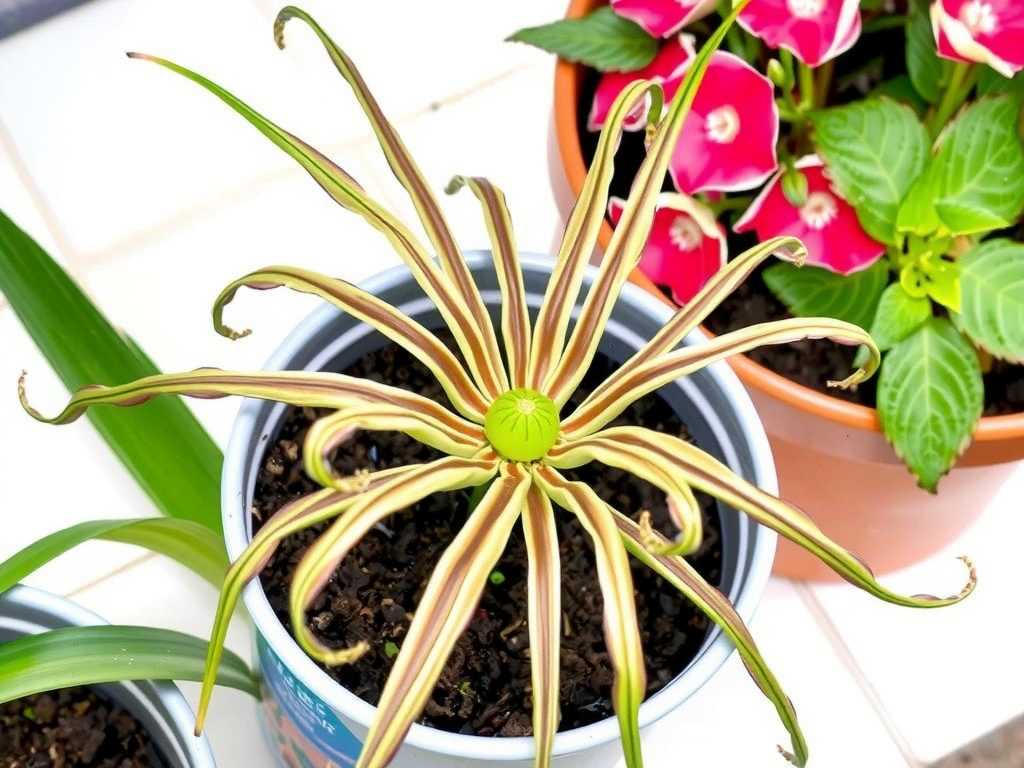
Spider plants are not heavy feeders, but their metabolic rate increases with summer's longer, brighter days and warmer temperatures. They're actively producing new plantlets (those adorable spider babies!) and foliage. A full-strength, occasional dose of fertilizer creates a feast-or-famine scenario. The high salt concentration can damage the delicate root system, leading directly to those brown leaf tips—a classic sign of fertilizer burn.
The Royal Horticultural Society (RHS) advises that for many potted plants, including those like spider plants, "liquid feeds are most effective when applied little and often." This aligns perfectly with the "dilute fertilizer applied frequently" principle. It provides a steady, gentle supply of nutrients that the plant can immediately use without stress, mimicking the consistent nutrient availability found in their ideal growing conditions.
My Complete Summer Fertilization Toolkit
Before starting, gathering the right tools is half the battle. Here’s what I use:
- Fertilizer: A balanced, water-soluble fertilizer. I use a formula labeled 10-10-10 or 5-5-5. The key is balance. I avoid bloom-boosters (high in phosphorus) as our goal is lush foliage, not flowers.
- Measuring Tools: A 1-gallon (4-liter) watering can and a 1-tsp measuring spoon. Precision is critical.
- Water: I always use room-temperature water. Cold water can shock the roots. If possible, I let tap water sit out for 24 hours to allow chlorine to dissipate.
- Calendar/Journal: For tracking. I use a simple notes app on my phone.
The Step-by-Step "Dilute Fertilizer Applied Frequently" Implementation Plan
This is the exact routine I follow every two weeks from late May through early September.
Step 1: The Dilution Formula My golden rule is half-strength, every two weeks. I take the manufacturer's recommended dosage for a gallon of water and cut it in half. If the bottle says "use 2 tsp per gallon," I use only 1 tsp. This is the cornerstone of preventing nutrient burn.
Step 2: The Pre-Watering Check I never fertilize a dry plant. Always, I check the soil moisture first. I stick my finger about an inch into the soil. If it feels dry, I perform a light pre-watering with plain water to moisten the root ball. This prevents the dilute fertilizer solution from rushing directly to dry roots, which can still cause irritation.
Step 3: Application and Soaking I slowly pour the diluted fertilizer solution onto the soil, avoiding the center of the plant (the crown) and the leaves. I continue until I see a small amount of liquid just beginning to drain from the bottom of the pot. This ensures the entire root zone is reached. I let the pot drain completely in the sink—never letting the plant sit in a saucer of fertilizer runoff, as this can lead to salt buildup.
Step 4: The Observation Log This is where learning happens. I immediately note the date and any pre-existing conditions of the plant.
My 2-Week Observation Diary: Seeing the Results
To show you the real impact, here is my log from a recent cycle on a mature spider plant named "Verde."
- Day 1 (Application Day): Plant looks healthy, with 3 small offshoots developing. Two older leaves have minor brown tips from my previous over-fertilization mistakes. Soil pre-moistened before applying 1/2 strength 5-5-5 solution.
- Day 3: No negative reaction. No new browning. Soil is drying at a normal rate.
- Day 7: Visible progress! The three offshoots appear longer, and I spot a tiny new leaf unfurling from the center of the plant. The existing foliage seems a slightly brighter shade of green.
- Day 10: The new leaf is about an inch long. The plantlets on the offshoots are more defined. Most importantly, the brown tips on the old leaves have not progressed.
- Day 14 (Next Scheduled Feed Day): The new growth is consistent. The plant looks perky and uniformly green. I see no signs of stress. Time for the next diluted application.
This consistent, gentle feeding supported steady growth without any setbacks. The plant wasn't exploding with growth, but it was growing healthily and sustainably—which is the ultimate goal.
The Pitfalls I Encountered and How I Fixed Them
My journey wasn't always smooth. Here are the mistakes that taught me the most.
Pitfall 1: The "More is Better" Fallacy Early on, I thought a stronger dose would make my spider plants grow faster. I used a full-strength fertilizer. The Result: Within a week, brown tips appeared on over 50% of the leaves, and growth seemed to halt. The plant was in shock. The Solution: I immediately stopped fertilizing. I performed "leaching"—thoroughly watering the plant with plain water (about 4-5 times the pot's volume) to flush excess salts from the soil. I then resumed my schedule after a 4-week break, strictly adhering to the half-strength rule. The new growth came in flawless.
Pitfall 2: Ignoring the "Frequently" Part I once diluted correctly but applied it only once a month, thinking it was enough. The Result: The plant showed signs of mild nutrient deficiency—pale, slightly yellowish new leaves—especially compared to its summer growth potential. The Solution: I corrected the frequency. I began the bi-weekly schedule, and within two cycles, the new leaves regained their deep green color. Consistency is as important as dilution.
Pitfall 3: Fertilizing in Low Light One summer, I moved a spider plant to a less bright room but kept the same fertilizing schedule. The Result: The plant couldn't use the nutrients due to reduced photosynthesis, leading to weak, leggy growth and a higher risk of root issues. The Solution: I adjusted care holistically. For plants in lower light, I reduced the fertilization frequency to once a month at half-strength or even paused it. Fertilizer is not food; it's a supplement to light energy.
Answering Your Spider Plant Summer Feeding Questions
Can I use organic fertilizers like fish emulsion with this method? Absolutely. I've done this successfully. The same principle applies: dilute more than the label suggests. For example, if it says 1 tbsp per gallon, I start with 1/2 tbsp. Be aware that organic options can have a stronger odor indoors.
What if I see fertilizer salt buildup on the soil surface? This white, crusty layer is a sign of mineral accumulation. Don't panic. Gently scrape off the top layer of soil (about a quarter-inch). Then, perform the leaching process with plain water to flush the pot. Going forward, ensure you are using the correct dilution and that your pot has excellent drainage.
Is the "dilute fertilizer applied frequently" method necessary for spider plant babies (pups)? For newly potted plantlets, I hold off entirely for the first 4-6 weeks. Let them establish roots in fresh, nutrient-rich potting mix. After that, I begin a very gentle regimen—using a quarter-strength solution every 3-4 weeks during summer until they are mature.
Mastering spider plant fertilization in summer transformed my plants from surviving to truly thriving. The "dilute fertilizer applied frequently" strategy is a simple yet powerful rhythm to adopt. It requires a bit of patience and observation, but the reward is a season of vigorous, burn-free growth and an abundance of healthy spider plant offshoots. By providing consistent, gentle nutrition, you work with your plant's natural summer cycle, ensuring it has everything it needs without the stress of overindulgence. Start with a half-strength dose this fortnight, watch closely, and let your spider plants show you the benefits.