bluename
 Mature spider plant Care: Pruning & Fertilization Methods for Rejuvenation
You’ve had your spider plant for years. It’s a survivor, a faithful green companion. But lately, it’s looking… tired. The leaves are mostly green, losing their vibrant variegation. It’s stopped producing those charming spiderettes, or “babies,” altogether. The center looks crowded, and some leaves are brown at the tips or yellowing at the base. This isn’t the lush, cascading plant you fell in love with. If this sounds familiar, you’re in the right place. I’ve been there, staring at my own mature, struggling spider plant, wondering if it was past its prime. Through dedicated trial, error, and research, I discovered that mature spider plant care isn’t about gentle maintenance—it’s about strategic intervention. True rejuvenation comes from a powerful one-two punch: precise pruning and intelligent fertilization. Let me walk you through the exact process I used to bring my own plant back from the brink.
Understanding the "Why" Behind the Decline
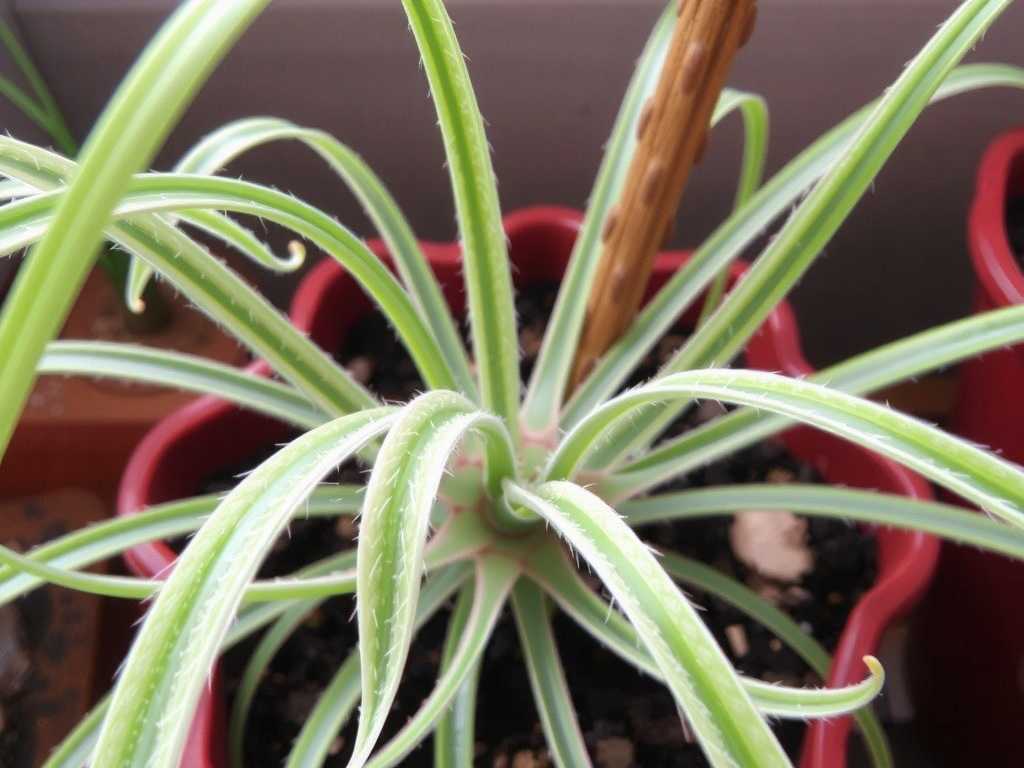
Before we pick up the shears, it’s crucial to understand what’s happening. A mature spider plant (Chlorophytum comosum) often suffers from two main issues: nutrient depletion and overcrowding.
The soil in a pot that hasn’t been refreshed in years is exhausted. Even with occasional feeding, essential minerals are gone. The Royal Horticultural Society (RHS) notes that older potting mixes break down, losing their ability to drain properly and hold nutrients effectively. This leads to slow growth and pale leaves.
Simultaneously, the plant becomes a victim of its own success. It grows from a central crown, producing new leaves and offsets. Over time, this crown becomes dense, competing for light and air circulation. This congestion is a primary reason for brown tips and fungal issues. The American Horticultural Society (AHS) emphasizes that good air flow is critical in preventing disease in dense foliage.
My plant, "Verdi," was a textbook case. No babies in over a year, more brown than green on the tips, and a center so thick I couldn’t see the soil.
My Step-by-Step Rejuvenation Protocol
I committed to a two-week intensive care plan, focusing first on pruning, then on feeding. Here’s my journal.
Week 1: The Strategic Pruning Process
Pruning a mature spider plant isn’t just cosmetic; it’s surgical. The goal is to reduce stress on the root system, encourage new growth from the center, and improve the plant’s overall form.
Gathering the Right Tools. I used clean, sharp precision pruners for thick leaves and medical-grade scissors for finer work. Rubbing alcohol for sterilization is non-negotiable to prevent spreading disease. I also laid out a mat for easy cleanup.
The Three-Cut Method for Leaf Removal. I started by removing all clearly dead, brown, or yellow leaves at the very base, as close to the soil line as possible. A gentle tug often removes them if they’re fully spent. For leaves with only brown tips, I employed the “triangle cut” method recommended by many horticulturists: instead of cutting straight across, I snipped the brown tip off in a slight V-shape, mimicking the plant’s natural leaf point. This looks far more natural than a blunt cut. The most impactful step was thinning the center crown. I carefully identified the oldest, outermost leaves—they’re often darker and may be slightly arched downwards. I removed about 20-30% of these, cutting them at the base to open up the plant’s heart. This allows light and air to penetrate.
Addressing the Offsets (Spiderettes). My plant had no new babies, but old, leafless flower stalks remained. I cut these off at their base to redirect energy. If your plant has mature, rooted spiderettes, this is the perfect time to prune them off for propagation, which further rejuvenates the mother plant.
Initial Aftermath and First Mistake. Immediately after pruning, Verdi looked thinner but healthier. The plant’s architecture was visible again. However, I made a critical error: I watered it immediately. The reduced foliage meant the plant needed less water, and the soil stayed soggy. Within two days, I noticed a slight wilting in a few remaining leaves—a sign of potential root stress from overwatering. My fix was simple but vital: I placed the pot on a dry towel to wick away excess moisture and moved it to a spot with brighter, indirect light to help speed up soil drying. I resolved not to water again until the top inch of soil was completely dry.
Week 2: The Fertilization Strategy
With the pruning stress past and the plant adjusting, it was time for nourishment. Fertilizing mature spider plants requires a gentle, balanced approach.
Choosing the Correct Fertilizer. I opted for a balanced, water-soluble fertilizer with an equal NPK ratio like 10-10-10 or 5-5-5. The key is to use it at half-strength. Mature plants recovering from stress have sensitive roots. I also ensured it contained micronutrients like iron and magnesium, which are crucial for chlorophyll production and variegation.
The Application Process. I waited until my scheduled watering day, when the soil was dry. I mixed the fertilizer at half the recommended dose with room-temperature water. The golden rule: fertilize only damp soil. Applying fertilizer to dry soil can burn roots. I watered thoroughly with the solution until it drained freely from the bottom, ensuring even nutrient distribution.
The Two-Week Observation Log.
- Days 1-3 Post-Fertilization: No dramatic changes. The plant maintained its post-prune state.
- Days 4-7: Here’s where the magic began. I spotted not one, but two tiny, bright lime-green nubs emerging from the very center of the crown—new growth! This was the first sign of successful spider plant rejuvenation.
- Days 8-14: The new leaves grew rapidly, unfurling with strong, clear variegation (the white stripes were brilliantly defined). The existing leaves seemed perkier, a deeper green. Most excitingly, one of the new growth points appeared to be a flower stalk, the precursor to spiderettes.
Key Lessons and Long-Term Maintenance
My two-week experiment was a resounding success, but the lessons are for the long haul. For maintaining mature chlorophytum, I’ve adopted a new routine. I now fertilize every 4-6 weeks during the growing season (spring to early fall) and never in the winter. I water only when the topsoil is dry, and I keep the plant in bright, indirect light to support its new growth and encourage those long-awaited babies.
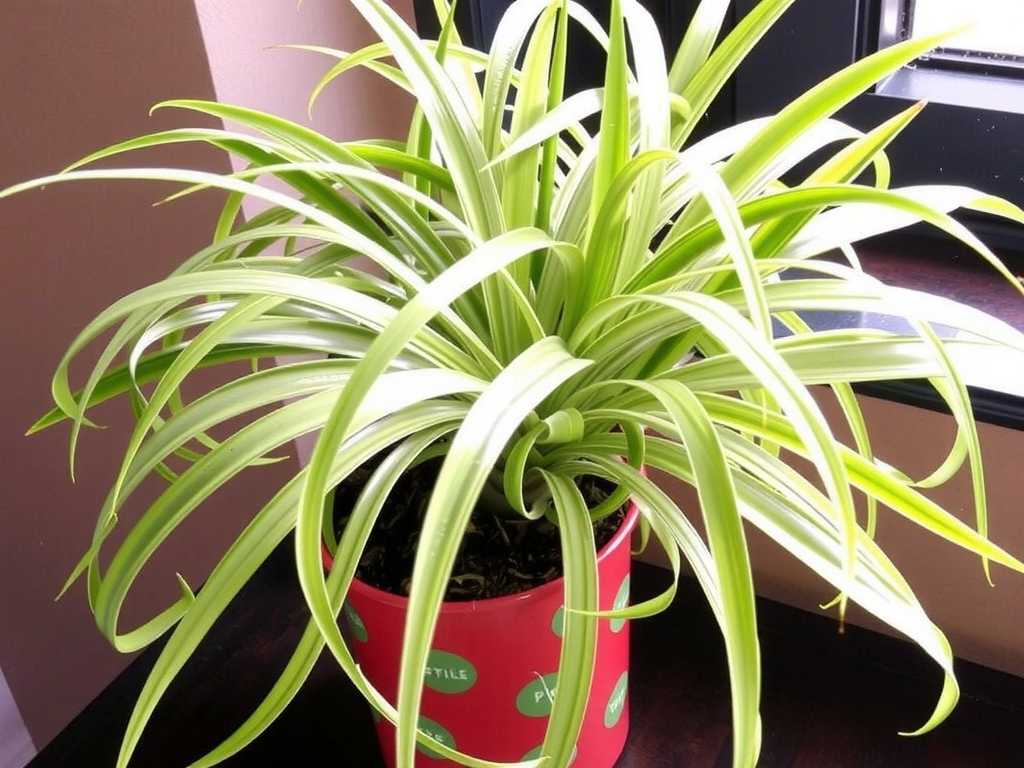
Pruning is now a regular part of my care, not a crisis response. I do light tip-trimming and dead-leaf removal monthly to keep the plant tidy and healthy.
Frequently Asked Questions
Can I prune and fertilize my spider plant on the same day? I strongly advise against it. This is the biggest takeaway from my experience. Pruning is a stressor; fertilizing is a stimulant. Doing both simultaneously can shock the plant. Prune first, allow the plant 7-10 days to recover and adjust its water needs, then fertilize at the next watering cycle.
My spider plant leaves keep getting brown tips even after pruning. What am I doing wrong? Brown tips are most commonly a watering issue—either inconsistent watering (letting the plant dry out completely and then flooding it) or using tap water high in fluoride and chlorine. After my overwatering mistake, I switched to watering only with distilled or rainwater when the top inch of soil is dry, and the new growth has been completely tip-free.
How do I know if my mature spider plant needs repotting instead of just pruning and feeding? If, after pruning, you see a dense web of roots circling the top of the soil or growing out of the drainage holes, it’s time to repot. Repotting is a more invasive process. Do it in the spring, and only go up one pot size (1-2 inches larger in diameter). Use fresh, well-draining potting mix. You can combine this with root pruning if the root ball is extremely dense.
Seeing those fresh, variegated leaves spear through the center of my once-tired plant was incredibly rewarding. It wasn’t just about saving a plant; it was about understanding its language—the brown tips, the pale leaves, the crowded center. They were all pleas for specific help. By listening and responding with targeted pruning and careful feeding, you don’t just maintain a mature spider plant; you reset its clock and get to enjoy the vibrant, prolific display of its youth all over again. The process requires a little courage and patience, but the reward is a thriving, rejuvenated companion.