bluename
 spider plant Winter Temperature: Emergency Warm-Keeping Measures for Temperatures Below 5℃
My spider plants have always been troopers, thriving with minimal fuss. But last winter, everything changed. A sudden, brutal cold snap sent temperatures plummeting well below 5°C (41°F) for several nights. I woke up to a heartbreaking sight: leaves that were once vibrant and arching gracefully now looked dark, water-soaked, and utterly limp. That moment of panic, staring at my frost-damaged Chlorophytum comosum, sparked a mission. I had to understand spider plant winter temperature limits and develop real, actionable emergency protocols. Through two weeks of intense intervention and observation, I learned what truly works to save these resilient plants from cold shock.
Why Your Spider Plant Panics When the Mercury Drops
First, let's understand the enemy. Spider plants are not built for frost. According to the Royal Horticultural Society (RHS), they are tender perennials, happiest in temperatures between 15-25°C (59-77°F). They can tolerate brief dips to around 5°C, but anything sustained below that is dangerous territory.
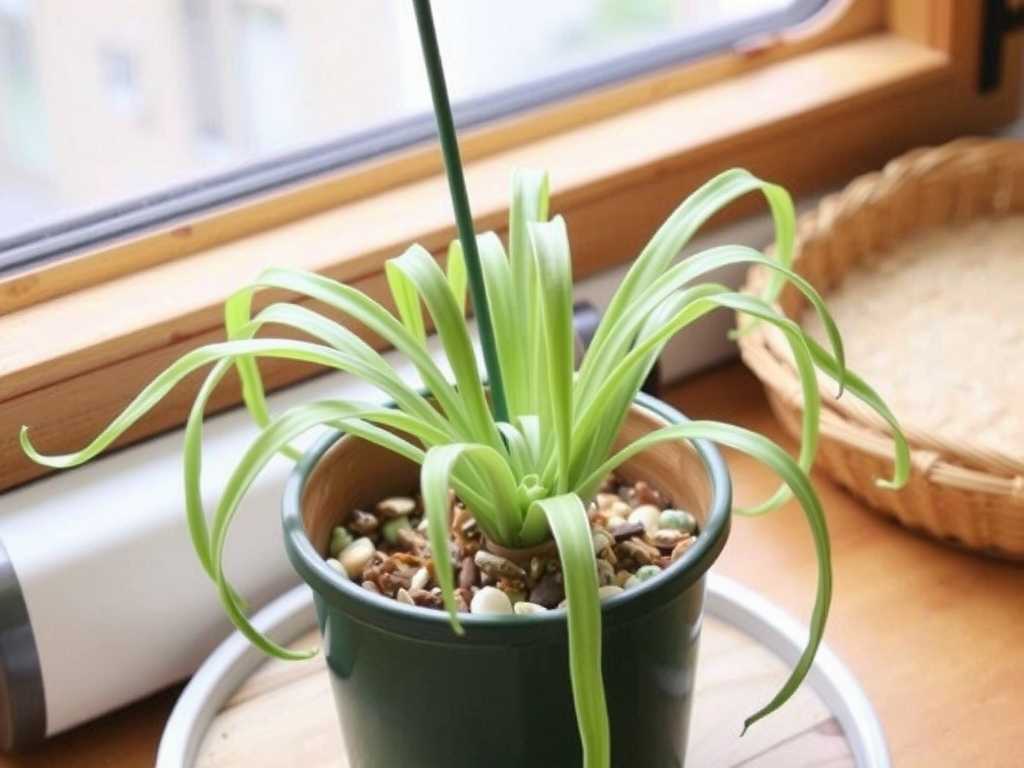
When exposed to temperatures below 5 degrees Celsius, the water inside their plant cells freezes. This forms ice crystals that literally puncture and shred the cell walls from the inside out. That's why the damage looks so wet and mushy. It's not just about aesthetics; it's a physiological crisis. The American Horticultural Society's heat zone map is a great tool for general planning, but it doesn't account for the unseasonal polar vortex that caught me off guard. My mistake was complacency—assuming my mildly chilly home was safe enough.
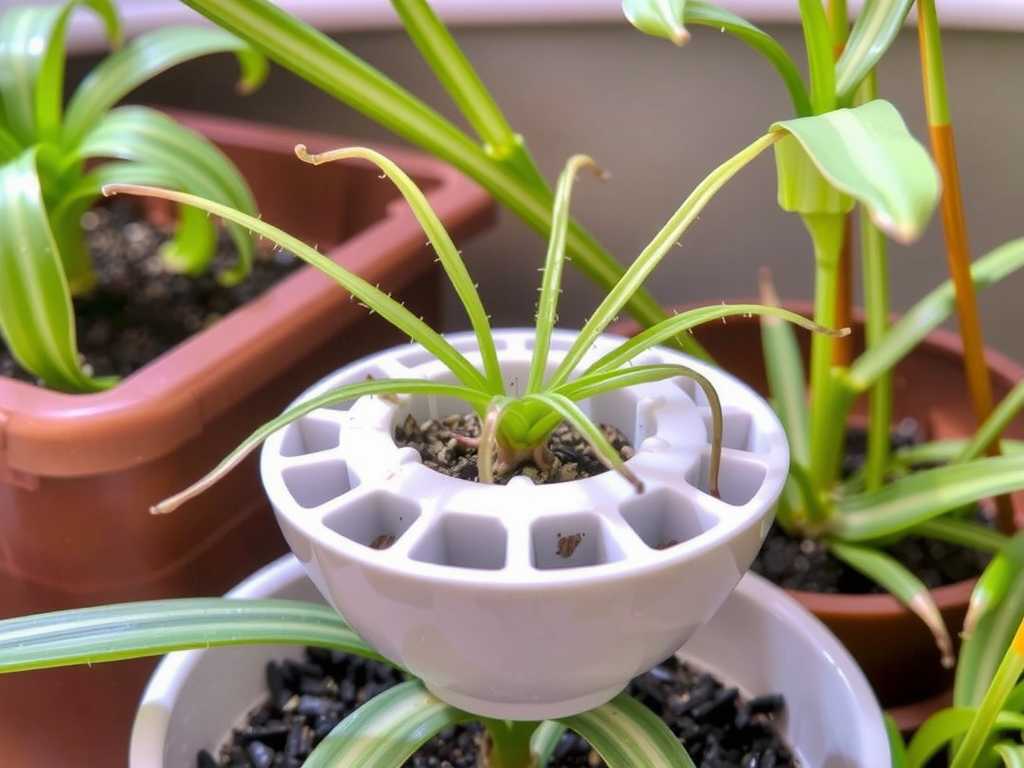
My 2-Week Emergency Rescue Protocol: A Step-by-Step Log
The moment I saw the damage, I initiated my emergency plan. Here is exactly what I did, followed by the plant's response over the critical 14-day recovery period.
Day 1: Immediate Triage and Relocation
My first step was damage control. I gently moved all affected spider plants away from any drafty windows. Even a well-insulated window can be several degrees colder than the room's interior. I placed them in the warmest, most stable room in my house, away from direct heat vents but in a spot that consistently stayed above 15°C.
Next, I performed careful surgery. Using sterilized, sharp scissors, I cut off all the obviously damaged, mushy leaves at the base. This is crucial. Those compromised tissues are gateways for rot and fungal infections, and the plant wastes energy trying to sustain them. I did not water the plant. A chilled plant in soggy soil is a recipe for root rot. I let the soil stay dry.
Days 2-4: The Waiting Game and Humidity Boost
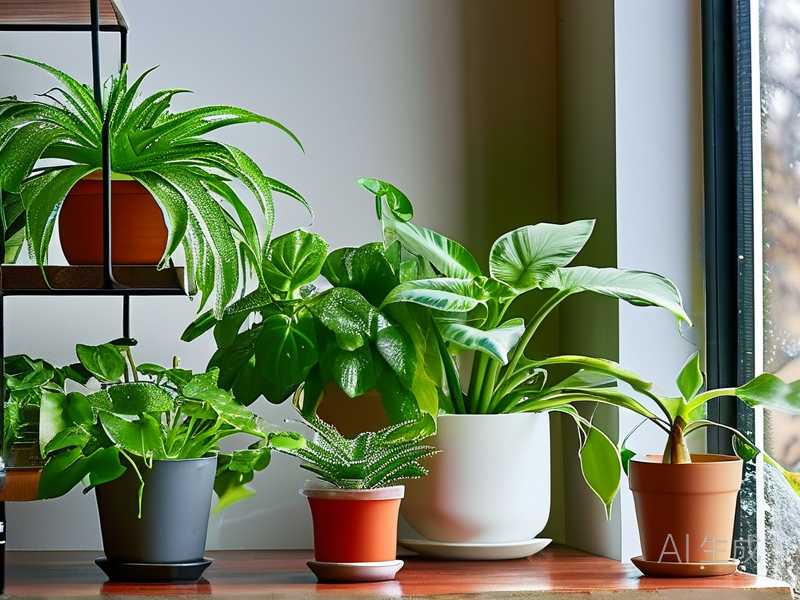
The plants looked sad and sparse. No visible improvement. I resisted the urge to overwater or fertilize—both would have added stress. Instead, I focused on ambient humidity. Dry winter air hampers recovery. I grouped the spider plants with other healthy plants and placed a shallow tray of water with pebbles nearby. As the water evaporated, it created a beneficial microclimate. I also gave them bright, indirect light to support any remaining photosynthesis.
Days 5-7: First Signs of Life
This was the turning point. Upon close inspection, I noticed the very center of the plant crowns—the growth points—were still firm and green, not mushy. This was my sign of hope. I also saw the soil was completely dry several inches down, so I gave them a very modest drink of room-temperature water. I mean modest—just enough to barely moisten the top layer. The goal was to prevent total desiccation without chilling the roots.
Days 8-14: Cautious Recovery and New Growth
By the end of the first week, the plants had stabilized. No further leaves yellowed or wilted. Then, in the second week, I saw it: tiny, bright green nubs emerging from the center of the plants. New growth! This was the definitive sign they were recovering. I continued with bright, indirect light and only watered again when the soil was dry halfway down the pot. I maintained the humidity tray. The plants were by no means lush, but they were actively growing again, having survived the cold shock emergency for spider plants.
The Pitfalls I Encountered (And How You Can Avoid Them)
My journey wasn't flawless. I made mistakes that could have cost me my plants.
Pitfall 1: The "Quick Warm-Up" Blunder. Initially, in a panic, I placed one plant too close to a space heater. The sudden, intense, and dry heat further stressed the already damaged leaves, causing them to crisp up. I learned that gradual, ambient warming is key. Avoid direct artificial heat sources at all costs.
Solution: Relocate to a steadily warm room. If you must use a heat source, keep it several feet away and use a fan to circulate air gently, preventing hot spots.
Pitfall 2: Overwatering in Sympathy. My instinct was to "comfort" the plant with water. Thankfully, I researched in time. Cold-damaged roots are practically dormant and cannot absorb water efficiently. Wet soil rapidly leads to root rot prevention during cold spells, which is often more fatal than the cold damage itself.
Solution: Let the soil guide you. Stick your finger in it. Water only when the top few inches are dry, and use tepid water to avoid further root shock.
Pitfall 3: Premature Fertilization. I considered a weak fertilizer to "boost" recovery. This would have been a disaster. Fertilizer salts demand processing by the roots, placing an energy demand on a plant that needs to conserve all its resources for healing.
Solution: Hold all fertilizer for at least 6-8 weeks, until you see strong, consistent new growth. The plant's focus must be on survival, not expansion.
Proactive Measures: Building a Winter-Ready Environment
After this scare, I became proactive. Here’s how I now protect spider plants from frost damage before a crisis hits:
- Thermometer is Key: I placed a small digital thermometer near my plant shelves. Monitoring the plant's ambient temperature, not the room's general temperature, is a game-changer.
- The Bubble Wrap Barrier: For plants on windowsills, I now line the space between the pot and the cold window with bubble wrap. It's a simple, cheap insulator.
- Cluster for Warmth: Plants grouped together create a more humid, stable microclimate that buffers against temperature swings.
- Watering Wisdom: I radically reduce watering frequency in winter, sometimes going 3-4 weeks between waterings, always checking soil moisture first.
Your Questions, Answered
Can a spider plant come back from cold damage? Absolutely, if the crown (the central growing point) is still firm and healthy. Patience is critical. It may take weeks to see new growth. Focus on removing only the fully damaged leaves and providing stable, warm conditions.
What is the absolute lowest temperature a spider plant can survive? While they might endure a very brief, dry exposure to 2-3°C (35-37°F), it is extremely risky and will likely cause damage. For safety, consider 5°C (41°F) the red-alert threshold. Sustained exposure below this requires immediate action.
Should I repot my spider plant right after cold damage? No. Repotting is intensely stressful, involving root disturbance. Your plant is already in survival mode. Repotting in spring, when the plant is actively growing, is a much safer choice. Only consider it now if the soil is waterlogged and you fear imminent root rot; in that case, gently move it to fresh, dry, well-draining mix.
Watching my spider plants push out new, defiant green shoots after those two tense weeks was profoundly rewarding. It taught me that while these plants are adaptable, their winter temperature tolerance has clear limits. The key isn't just knowing the ideal range, but having a clear, calm emergency plan for when conditions fall off a cliff. By acting quickly to remove damaged tissue, providing stable warmth without harshness, and mastering the art of restrained watering, you can guide your spider plant from the brink back to vibrant health. Remember, the goal isn't just survival—it's a full recovery.