bluename
 spider plant Combination Potting: Care Notes When Paired with Pothos
You love the idea of a lush, mixed planter, and the pairing of a spider plant with a pothos seems perfect. Both are famously easy-going, right? I thought so too, until I combined them in one pot. The vision was a cascade of variegated greens, but what I got initially was a lesson in subtle competition. Through trial, error, and two weeks of close observation, I learned that spider plant combination potting, especially with pothos, requires a nuanced approach to unlock its full, thriving potential.
My goal here is to guide you through the actual care notes that make this pairing work, not just survive. I’ll walk you through my exact process, what happened over a critical two-week period, and the fixes for the issues I encountered, so you can create a harmonious and stunning container.
Why Pair Spider Plants with Pothos? Understanding the Synergy
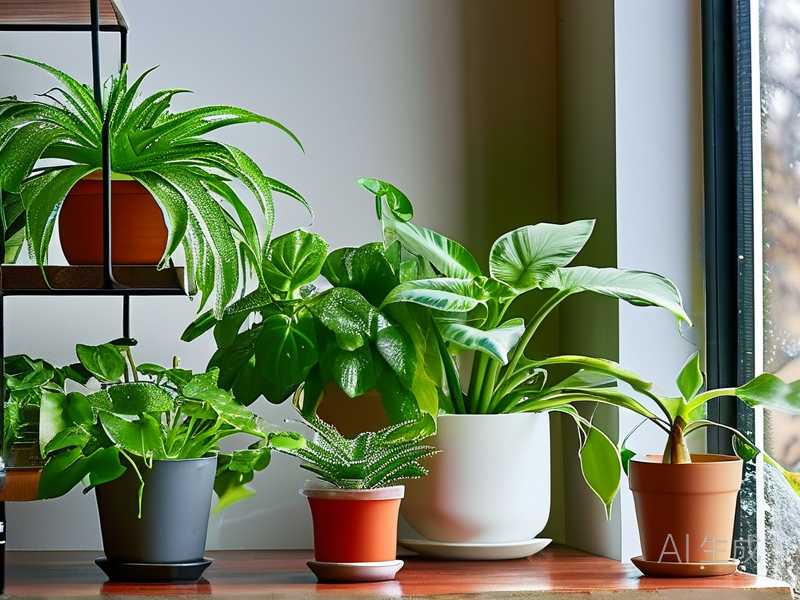
On paper, it’s a match made in houseplant heaven. Both are celebrated for their air-purifying qualities, a fact supported by studies like the NASA Clean Air Study. They share a preference for bright, indirect light and have similar tropical origins. The spider plant (Chlorophytum comosum) offers arching, grassy foliage and charming plantlets, while the pothos (Epipremnum aureum) provides trailing vines with heart-shaped leaves. Together, they create beautiful textural contrast.
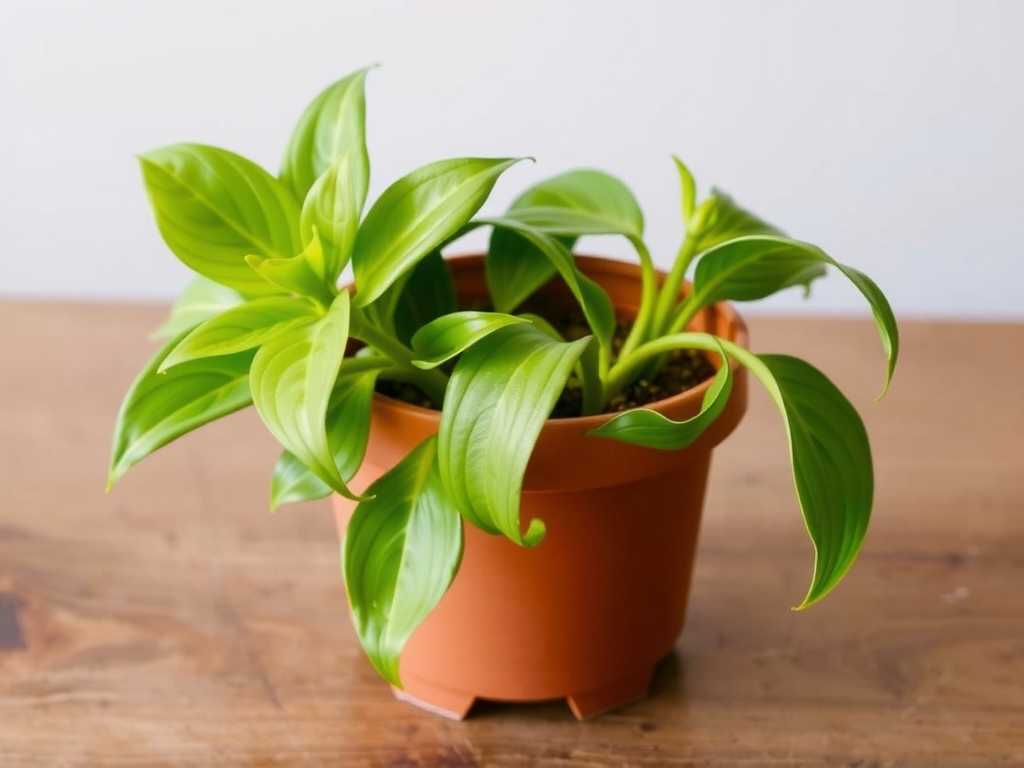
However, “similar” care is not “identical” care. This is the core challenge of companion planting these two. Their differences in growth rate, water uptake, and root structure can lead to imbalance if not managed thoughtfully. My experiment aimed to find that balance.
My Step-by-Step Process for Successful Combination Potting
I started with a healthy, mature spider plant and a vigorous golden pothos vine, both acclimated to my home environment. Here’s exactly what I did:
1. Pot and Soil Selection: I chose a wide, shallow terracotta pot with an excellent drainage hole. Terracotta’s porosity helps mitigate overwatering, a key risk. For the soil, I created a well-draining mix. I used two parts of a standard potting mix, one part perlite, and one part orchid bark. This ensures aeration and prevents the soil from compacting, catering to both plants’ need for oxygen around their roots.
2. The Planting Technique: After gently loosening the root balls, I positioned the spider plant slightly off-center towards the back of the pot. Its tendency to produce plantlets would give it room to cascade over one side. I then planted the pothos near the opposite rim, directing its vines outward. I ensured the original soil lines of both plants matched the new potting level, avoiding planting too deep. This careful placement for aesthetic balance is crucial for visual appeal and growth.
3. Initial Care and Positioning: I gave the pot a thorough watering until it drained freely from the bottom, settling the soil. I then placed the pot in an east-facing window where it receives bright, gentle morning light but is shielded from harsh afternoon rays—a perfect light requirement for mixed planters.
The Two-Week Observation: Triumphs and Troubles
The first week was deceptively calm. Both plants looked settled. But by Day 10, subtle signs emerged.
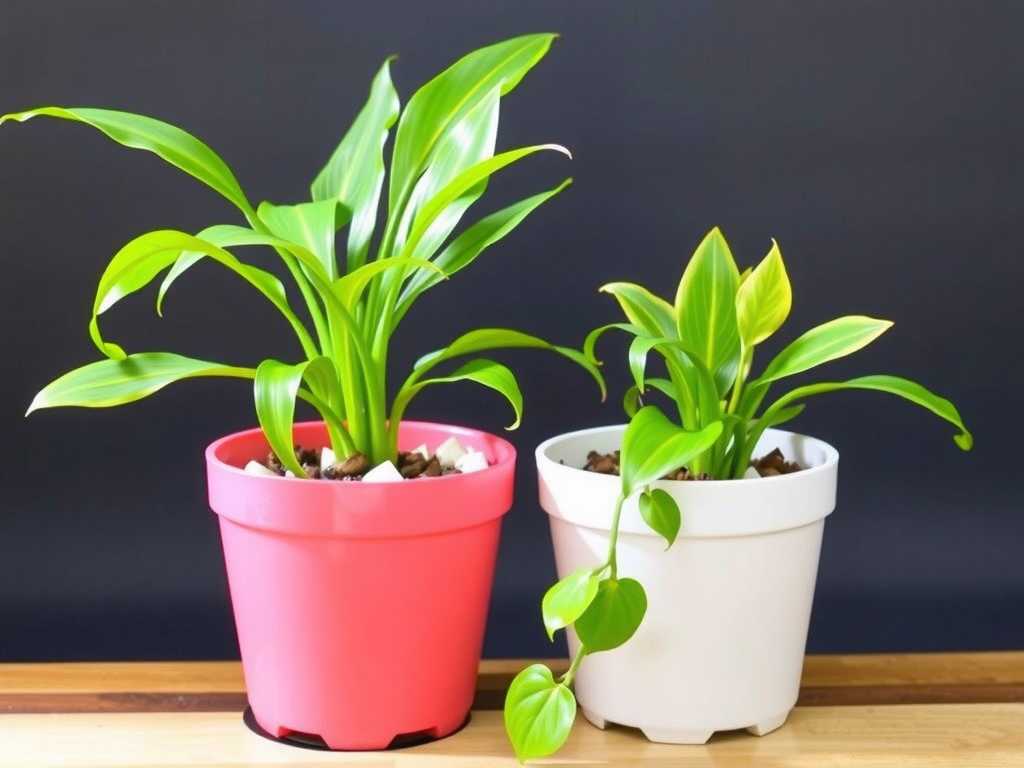
The Good: The pothos was visibly happy. A new, small leaf unfurled from one of its vines, and the existing leaves remained firm and glossy. The spider plant’s central foliage also looked healthy.
The Problem (The “Curb”): I noticed the older, outer leaves of the spider plant beginning to develop brown, crispy tips. Simultaneously, the soil surface felt dry to the touch, but when I inserted my finger deeper, it was still slightly moist near the root zone. This was my first clue: a mismatch in hydration needs. The pothos, with its thicker, semi-succulent stems, was content with the slightly moist soil, but the spider plant’s finer roots were sensitive to the salts and minerals in our tap water, exacerbated by the soil’s moisture inconsistency.
Furthermore, the pothos vines began growing noticeably faster, starting to visually dominate the arrangement.
The Adjustments: How I Fixed the Imbalance
1. Watering Strategy Overhaul: This was the biggest fix. I switched to watering exclusively with filtered or distilled water, left out overnight to reach room temperature. I adopted the “soak and dry” method more rigorously. Instead of a light top-up, I would take the entire pot to the sink, water thoroughly until it drained, and then wait until the top 1.5 inches of soil were completely dry before watering again. I learned to lift the pot to feel its weight—a light pot meant it was time to water. This ensured deep hydration without constant dampness.
2. Strategic Pruning for Harmony: To manage the pothos’s enthusiastic growth and maintain the aesthetic balance, I didn’t hesitate to trim. I snipped a few of the longest pothos vines just above a leaf node. This encouraged fuller, bushier growth on the pothos itself and prevented it from overwhelming the spider plant. The cuttings were easily propagated in water for future projects.
3. Humidity Boost: While neither plant demands tropical humidity, increasing it slightly helped the spider plant’s leaf tips. I started placing the pot on a wide pebble tray filled with water, ensuring the pot itself sat above the water line. The evaporating water created a localized humid microclimate.
By the end of the second week, after these adjustments, the browning on the spider plant had halted. A new, tiny plantlet (or “spiderette”) even began forming. The arrangement looked balanced, vibrant, and truly cohesive.
Ongoing Care Notes for Your Mixed Planter
- Feeding: Fertilize sparingly. During the growing season (spring and summer), I use a balanced, water-soluble fertilizer diluted to half-strength every 4-6 weeks. I avoid feeding in the dormant winter period. Over-fertilizing can harm the spider plant and cause salt buildup.
- Root Check: Every 6-8 months, I gently check the root density. If the pot is becoming a tight mass of roots, consider repotting in spring into a container one size larger, using fresh, well-draining mix.
- Cleaning: Dust can clog pores. I wipe the pothos leaves with a damp cloth and gently mist the spider plant foliage to keep them photosynthesizing efficiently.
Frequently Asked Questions
Can I propagate the spider plant’s babies directly in the same pot? Yes, you can! Once a spiderette has developed small aerial roots, you can pin it down onto the soil surface in a bare spot of the pot using a bent paperclip or a small stake. Keep that spot slightly moist, and it will root, creating an even fuller arrangement. I did this successfully after the initial two-week period.
My pothos is growing much faster than my spider plant. Is that normal? Absolutely. Pothos is generally a faster grower, especially in optimal conditions. This isn’t a sign of failure but a design cue. Use it as an opportunity for gentle pruning to shape your arrangement. Regular trimming of the pothos will keep the composition balanced and can give the spider plant more visual space.
What’s the biggest mistake to avoid with this combination? The number one mistake is treating them as having identical watering needs. The most common problem in companion planting is overwatering, which pothos tolerates better than spider plants. Err on the side of underwatering, always check soil moisture deeply, and use well-draining soil. When in doubt, wait a day or two before watering.
Pairing a spider plant with a pothos is more than just putting two “easy” plants together. It’s about understanding their quiet dialogue—how one’s vigor can complement the other’s graceful arch, and how a tailored care routine orchestrates their harmony. By focusing on smart potting, observant watering, and mindful pruning, you transform a simple pot into a dynamic, living sculpture. The reward is a resilient and captivating display that proves the whole can be even greater than its already wonderful parts.