bluename
 spider plant Leaf Yellowing: Chelated Iron Application Method & Frequency
There's nothing more disheartening for a houseplant enthusiast than watching a once-vibrant spider plant develop yellow leaves. I've been there, staring at my beloved Chlorophytum comosum, its arching green and white stripes fading to a sickly pale yellow. I tried adjusting water and light, but the problem persisted, especially on the new growth. That's when I learned about a potential culprit: iron deficiency. This guide is the result of my deep dive into solving spider plant leaf yellowing with chelated iron, detailing my exact application method, the two-week transformation I witnessed, and the crucial mistakes I made along the way.
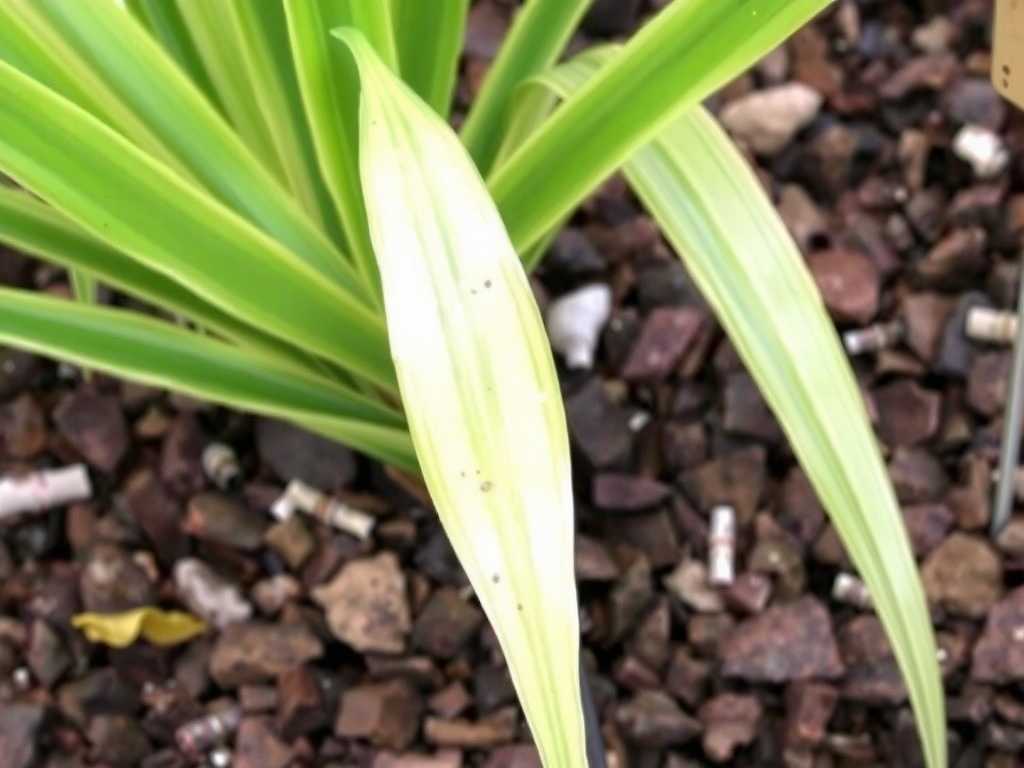
Understanding the yellowing pattern is key. If older leaves are yellowing, it's often a nitrogen issue. But when the new leaves emerge light green or yellow with green veins—a condition called interveinal chlorosis—iron deficiency is a prime suspect. Spider plants in peat-heavy mixes or hard water areas are especially prone. Iron is essential for chlorophyll production, and without it, photosynthesis falters. The Royal Horticultural Society (RHS) notes that chlorosis in houseplants is frequently a result of unavailable iron in the soil, even if the nutrient is physically present.
That's where chelated iron for plants becomes a game-changer. In alkaline or high-pH conditions, regular iron transforms into a form plants can't absorb. Chelated iron is bound to organic molecules, acting like a protective shuttle that delivers iron directly to the plant's roots, regardless of soil pH. For my spider plant's recovery, choosing the right chelated iron and applying it correctly was the mission.
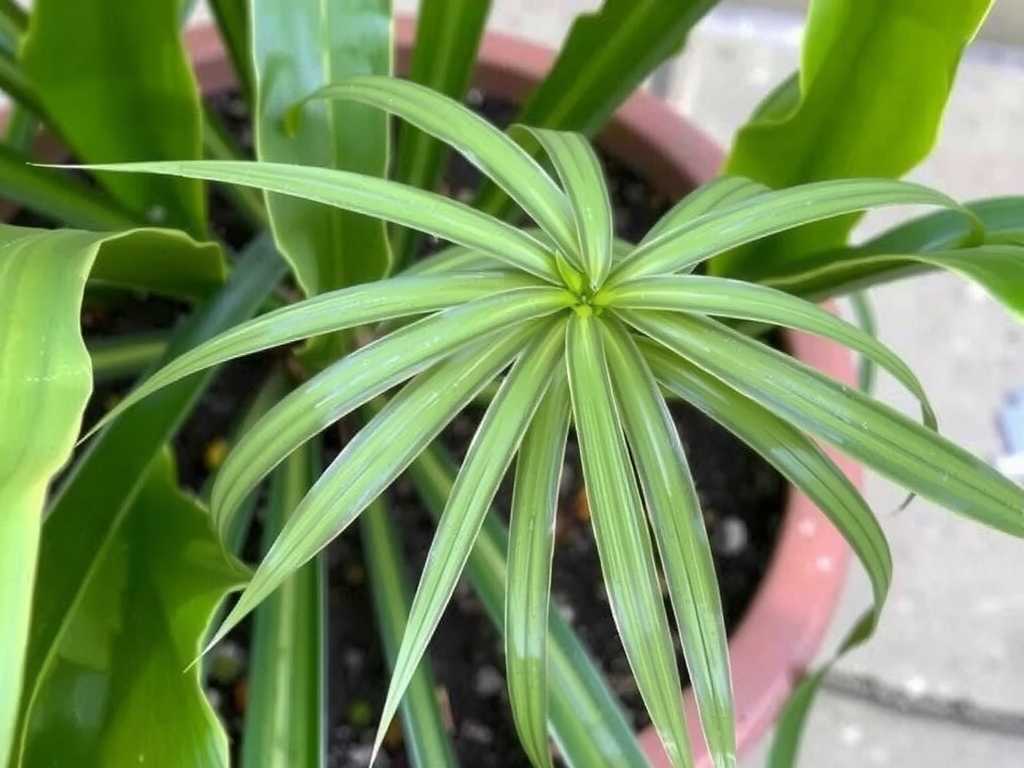
My Step-by-Step Chelated Iron Application Process
First, I had to confirm the diagnosis. I ruled out overwatering (the soil was well-draining) and insufficient light (it was in bright, indirect light). The yellowing on new growth pointed to iron. I purchased a liquid chelated iron supplement, specifically one labeled for micronutrient deficiency in container plants.
Week 1: The Initial Application
I prepared the solution precisely, diluting it more than the bottle's recommendation for a gentle first dose. The label suggested 1 teaspoon per gallon. I used ½ teaspoon per gallon of filtered water, erring on the side of caution. I thoroughly watered the soil until it drained freely from the bottom, ensuring the chelated iron solution reached the entire root zone. I avoided foliar spraying for this first attempt, wanting to address the root cause in the soil. Immediately after, I placed the plant back in its usual spot and noted the date on my plant care app.
The First Week Observations
For the first 3-4 days, I saw no visible change. This was expected, as the plant needed time to uptake and utilize the iron. By day 5, I inspected the newest, most-yellowed leaf. The vibrant green veins seemed slightly more pronounced against the yellow background, a subtle but encouraging sign. There was no further yellowing on other emerging leaves. The existing mature green leaves remained unchanged, which was fine—the goal was to support new growth.
The Critical Mistake and How I Corrected It
Here’s where I hit my first snag. Eager to help, I considered a second application after just one week. Thankfully, I paused and researched. The American Horticultural Society (AHA) emphasizes that over-application of micronutrients can be toxic and can lock out other nutrients. I realized my planned frequency of chelated iron application was too aggressive. The general guidance, which I then followed, is to apply every 4-6 weeks during the active growing season (spring and summer), not weekly. I stuck to my original plan and waited.
Week 2: The Turning Point
The second week showed clear progress. The pale new leaf that had shown veining improvement began to exhibit a faint wash of green in the areas between the veins. It wasn't fully green yet, but the yellow was receding. More importantly, the next tiny leaf spear emerging from the center was a healthy, deep green from the start. This was the ultimate confirmation: the plant was now accessing the iron it needed. The overall plant posture seemed perkier, though that could have been psychological on my part!
Determining the Right Long-Term Frequency and Method
My two-week test proved the deficiency diagnosis and the treatment's initial success. But curing the chlorosis is different from maintaining health. Based on my experience and expert resources, here’s my protocol:
For a diagnosed deficiency, apply a properly diluted chelated iron solution as a soil drench once. Then, wait and observe for 4-6 weeks. The new growth will tell you everything. If it emerges green, you've solved the problem. For preventative maintenance in spider plants prone to chlorosis (e.g., those watered with hard tap water), a single application at the start of the growing season is often sufficient. The key is to apply chelated iron correctly: always dilute according to label instructions, apply to moist soil, and never exceed the recommended frequency. More is not better.
Observing Your Plant's Response and Adjusting Care
The response over my 14-day observation period was textbook. Recovery starts in the veins and moves outward, and healthy new growth is the best indicator. After the initial treatment, I focused on preventative care: using rainwater or filtered water to avoid raising soil pH, and ensuring a balanced, light fertilizer during growth periods. The spider plant went on to produce multiple healthy pups, its chlorosis a thing of the past.
Can I use chelated iron on all my houseplants? Chelated iron is specifically beneficial for plants showing signs of iron chlorosis, like gardenias, azaleas, and citrus, along with spider plants. Do not use it on plants without deficiency symptoms, as it can cause nutrient imbalances.
How long does it take for chelated iron to work? You may see initial improvements in vein color within 5-7 days, as I did, but full greening of a yellow leaf can take 2-3 weeks. The most important sign is the color of new leaves emerging after treatment.
What if the yellowing continues after application? If yellowing persists or spreads after 3-4 weeks, reassess. The issue might be root rot (from overwatering), a deficiency in another nutrient like magnesium, or a soil pH that is extremely alkaline. In such cases, a soil test kit can be invaluable.
Seeing my spider plant return to its lush, striped glory was immensely rewarding. The journey taught me that plant care is often about precise intervention, not just more water or fertilizer. By understanding the method for applying chelated iron—targeted, diluted, and infrequent—I was able to address the specific physiological block preventing my plant from thriving. Patience in observation was just as crucial as the treatment itself. Now, those two weeks of careful watching are a reminder that sometimes, the solution is not in doing more, but in applying the right remedy at the right time.