bluename
 spider plant Watering in Autumn: Frequency Adjustment Based on Soil Moisture
I love my spider plants. They’ve been resilient companions for years, thriving with what I thought was a simple, consistent routine. But last autumn, something changed. The vibrant green started to look dull, and a few tips turned brown. I realized my biggest mistake: I was watering on a schedule, not based on what the plant actually needed. The key to autumn care isn't a fixed calendar date; it's mastering spider plant watering in autumn by learning to read the soil's moisture. This guide is the result of my own two-week experiment to get it right.
Why Your Spider Plant's Thirst Changes in Fall
As the days shorten and temperatures drop, our spider plants enter a slower growth phase. They’re not pushing out as many new leaves or spiderettes (those adorable baby plantlets). According to the Royal Horticultural Society (RHS), reduced light and cooler temperatures directly slow down a plant's photosynthesis and water uptake. Water that evaporated quickly from the soil in a warm, bright summer window now lingers much longer.
I used to water every Saturday, year-round. In autumn, that weekly drink became a death sentence for the roots, leading to the dreaded root rot. The American Horticultural Society (AHA) emphasizes that overwatering is the most common killer of houseplants, and the risk is highest during dormant periods like fall and winter. The plant's need shifts dramatically, and our care must pivot from a routine to a responsive practice.
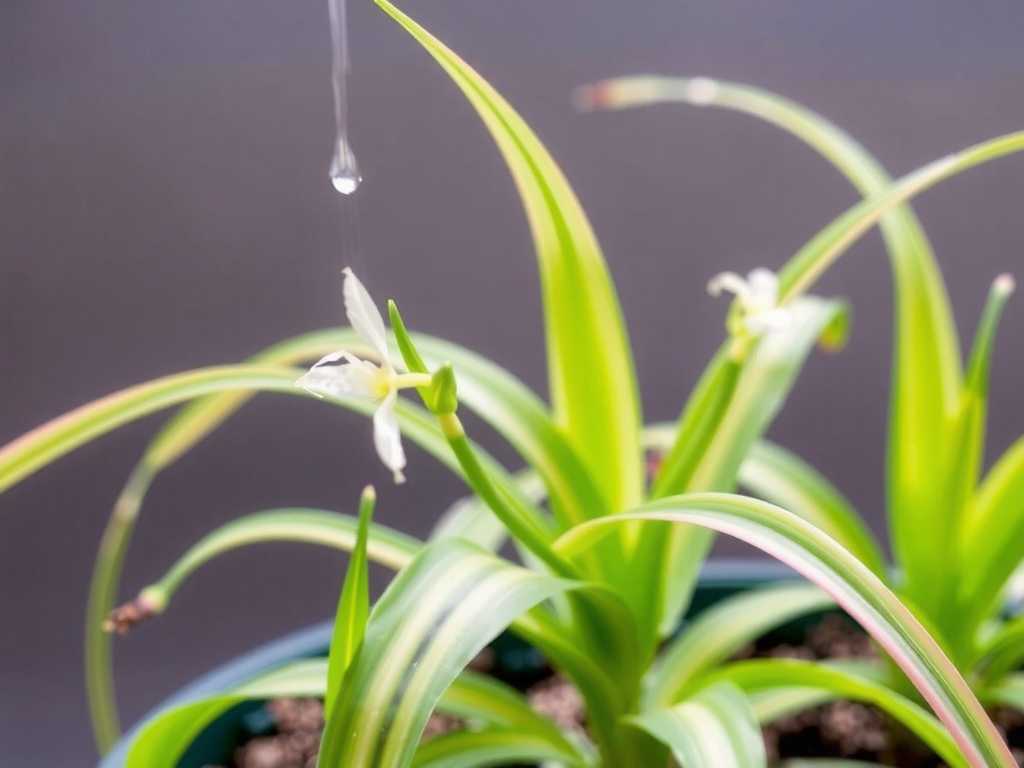
My Two-Week Soil Moisture Experiment: From Schedule to Sense
I decided to abandon my calendar for two weeks and let the soil be my guide. My goal was to observe, adjust, and find the true rhythm for adjusting spider plant water frequency in cooler weather.
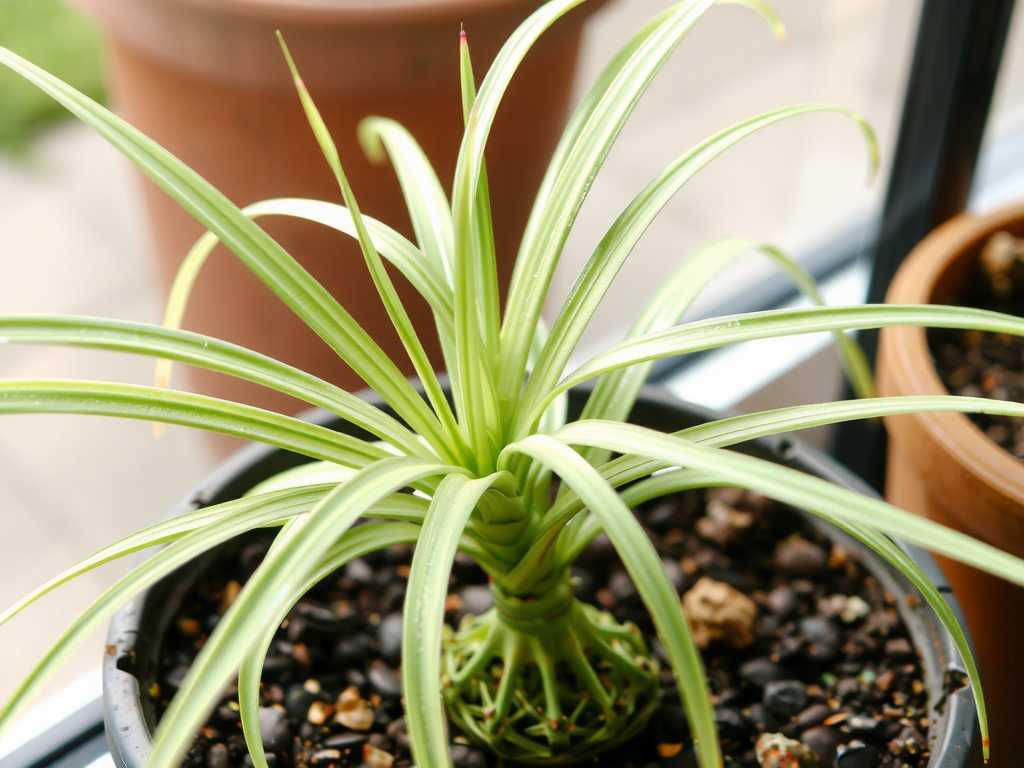
Week 1: The Observation Phase
I started with a simple tool: my finger. For each of my three spider plants (in different rooms with varying light), I performed the "finger test" daily. I inserted my index finger about 2 inches into the soil. My rule was: only water when the top 2 inches felt completely dry.
- Day 1-3: The soil was still moist from my last "scheduled" watering. No action needed.
- Day 4: The plant in the brightest, warmest spot (a south-facing room) felt dry at the depth. I gave it a thorough soak until water ran freely from the drainage holes, then let it drain completely.
- Day 5-7: The other two plants, in indirect light, were still cool and slightly damp to the touch. I held off.
By the end of Week 1, I had already broken my old pattern. One plant needed water after 4 days, the others went a full 7+ days. The variation was eye-opening.
Week 2: Refinement and Tools
To add more precision, I introduced a wooden skewer (a chopstick works perfectly). I pushed it deep into the pot, left it for a minute, and pulled it out. If it came out clean and dry, it was time to water. If it had soil sticking to it or felt cool and damp, I waited.
This week, the intervals stretched further. The sunny spot plant needed water on Day 6. The two in lower light didn't need it until Day 10 and Day 12. The plants visibly perked up after each watering, and the progression of brown tips halted completely.
The Pitfalls I Encountered (And How I Fixed Them)
This process wasn't flawless. I hit a few snags that are crucial to avoid.
Pitfall 1: Misreading the Surface. The top half-inch of soil can be bone dry while the root zone below is still wet. My fix was committing to the full 2-inch finger test or using the skewer to check deeper moisture levels. Never judge by the surface alone.
Pitfall 2: The "Heavy Pot" Deception. I have one plant in a decorative ceramic pot without a drainage hole (an early plant-parenting mistake). Lifting it to check weight was useless—it was always heavy. For this plant, a moisture meter for spider plants became non-negotiable. I inserted the probe near the root ball and only watered when the meter read "Dry." This tool is a game-changer for pots without drainage.
Pitfall 3: Watering with Cold Tap Water. One morning, I watered straight from the cold tap. The plant seemed to sulk for days. Spider plants prefer room-temperature water. Cold water can shock the roots. My solution was to fill my watering can after each session and let it sit until the next, ensuring the water was always tepid.
Your Action Plan for Perfect Autumn Watering
Based on my experiment, here is your clear, step-by-step plan:
- Stop the Calendar. Mentally delete "Water on Sundays."
- Perform the Test. Once every 2-3 days, use the finger test (2 inches deep) or a wooden skewer. For ceramic pots or if you're unsure, invest in an inexpensive moisture meter.
- Water Only When Dry. If the test confirms dryness, water the plant thoroughly. Pour slowly around the soil surface until water flows from the drainage holes.
- Drain Completely. Never let the pot sit in a saucer of water. Empty it after 15-20 minutes.
- Observe and Wait. Resume checking after 2-3 days. Your interval might be 7 days, 10 days, or even 14. The plant and soil will tell you.
Signs You're on the Right Track (Or the Wrong One)
- Healthy Signs (You're Doing It Right): Firm, perky leaves. Consistent green color without new brown tips. Steady, if slow, growth. New spiderette formation.
- Overwatering Signs (You're Watering Too Often): Constantly wet soil, yellowing lower leaves, soft/mushy brown leaf bases, a foul smell from the soil.
- Underwatering Signs (You're Waiting Too Long): Soil pulling away from the pot's edges, leaves becoming pale, dry, and crispy (starting at the tips), an overall wilted or dull appearance.
Frequently Asked Questions
Can I use ice cubes to water my spider plant in autumn? Absolutely not. This is a common myth. Ice cubes can cause localized root shock and provide insufficient, uneven moisture. Always use room-temperature water applied directly to the soil.
My home is very dry from heating in the fall. Does this change things? Yes, it can. While the soil may dry slower from cooler temperatures, dry air can increase moisture loss from leaves. Your watering frequency might not increase much, but you should consider lightly misting the leaves occasionally or using a pebble tray to boost humidity, which prevents leaf tip browning.
Should I fertilize when I adjust my watering schedule? No. Autumn is a time for reduced feeding. Fertilizing a plant that is slowing its growth can lead to salt buildup in the soil and root damage. Suspend fertilization in late fall and winter, and resume in spring when light and growth increase.
Mastering spider plant care in the cooler months is about becoming a detective, not a timekeeper. By shifting your focus from the date on your phone to the soil in the pot, you work with your plant's natural rhythm. My two-week journey taught me that patience and observation are the most valuable tools in a plant lover's kit. Your spider plant will reward your attentiveness with resilient health, ready to burst into vigorous growth when spring finally returns.