bluename
 spider plant Watering Tools: Why I Swore by the Long-Spout Watering Can
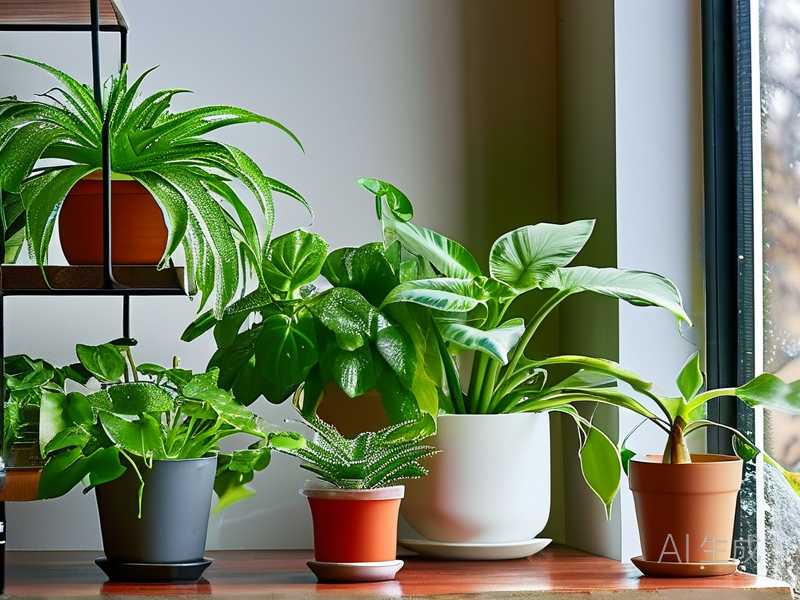
For years, I considered myself a decent spider plant parent. My Chlorophytum comosum, or spider plants as we all lovingly call them, were green, produced plenty of spiderettes, and seemed happy. But I always had this nagging feeling about watering. Pouring water from a standard watering can meant drenching the center crown and the surrounding soil surface, often leaving the outer roots thirsty. I knew overwatering the crown could lead to rot, and underwatering the dense root ball was just as risky. The core problem was precision. I needed a tool that delivered water exactly where my spider plant needed it most: deep into the pot, away from the sensitive crown. That’s when I discovered the game-changer: long-spout watering cans. This isn't just about a tool; it's about a targeted watering philosophy for healthier plants.
My journey wasn't just a quick test. I committed to using a long-spout can exclusively for my collection of five mature spider plants for two full weeks, documenting every step and result. Here’s my hands-on experience, from setup to stunning results.
The Precision Advantage: Targeting the Root Zone
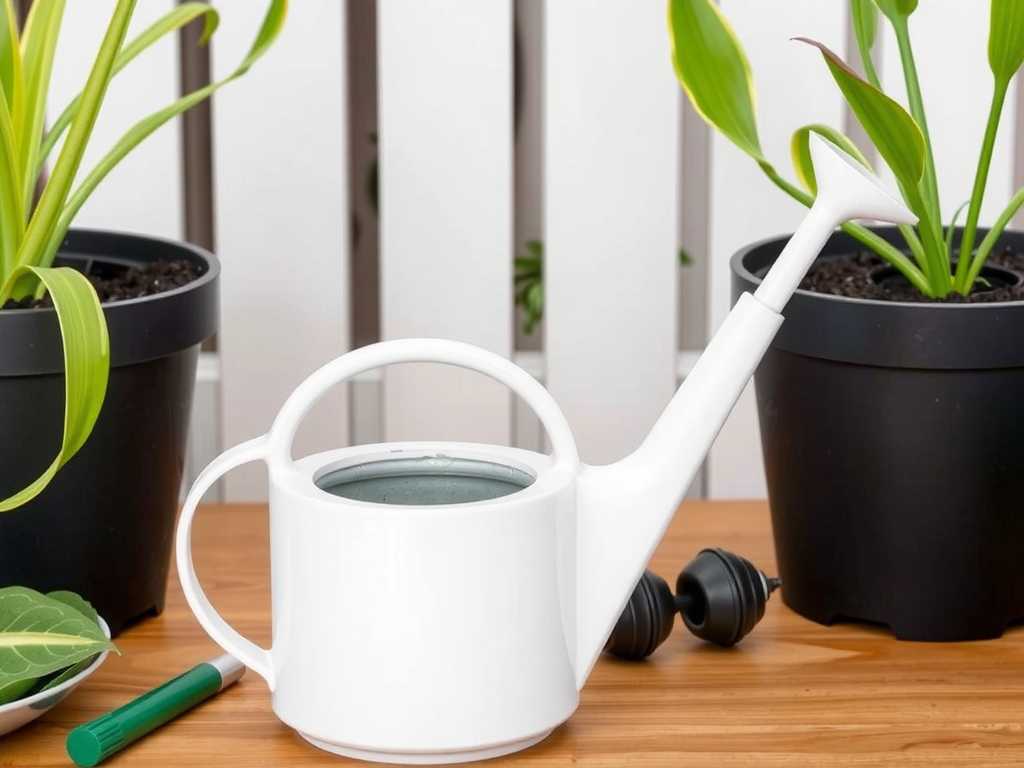
The primary advantage of a long-spout watering can for spider plants is its unmatched precision. Spider plants develop thick, tuberous roots that radiate outward. They need moisture throughout the root ball, not just at the top.
My Step-by-Step Process: First, I filled my long-spout can with filtered water, letting it sit to reach room temperature—spider plants dislike cold shocks. I gently moved the leaves aside to clearly see the soil surface. Instead of pouring from above, I inserted the narrow spout 2-3 inches deep into the soil, aiming for the space between the main plant and the pot's edge. I poured slowly, allowing the water to soak downward and outward, saturating the middle and outer root zones. I repeated this at 3-4 points around the plant until I saw a slight trickle from the drainage holes. This method completely avoided pouring any water into the central crown.
The Two-Week Observation: Within the first week, I noticed a change. The soil moisture was more consistent. The top inch dried out as expected, but a moisture meter probe showed even hydration deeper down. The most visible change was in the foliage. My variegated ‘Vittatum’ showed brighter, crisper white stripes, and the leaves felt more turgid and less prone to the occasional brown tip I used to see. By the end of the second week, two of my plants pushed out new, sturdier spiderettes. The growth seemed more vigorous, not just leggy.
The Pitfall I Hit and How I Fixed It: My initial mistake was being too aggressive. In my first attempt, I pushed the spout too deep and too close to the main stem, fearing I’d damage roots. I heard a slight crack. I immediately stopped, carefully removed the spout, and gently inspected the area. I had nudged a tuberous root, but no severe damage was done. The fix was simple: be gentle and strategic. I learned to angle the spout and insert it slowly, letting it find a path between roots. It’s a probe, not a spear. This aligns perfectly with the Royal Horticultural Society's (RHS) advice on watering, which emphasizes "thorough, targeted watering" over frequent, superficial sprinkling that can compact soil and miss the root mass.
Preventing Crown Rot: Keeping the Heart Dry
Spider plants are susceptible to crown rot if water consistently pools in the center where the leaves meet. A long-spout can is your best defense.
My Application Technique: This was the simplest part. By design, the long spout bypasses the foliage entirely. I made a conscious rule: no water shall touch the central rosette. Even when watering the inner soil ring, I kept the spout's exit point below the leaf bases. This kept the crown consistently dry and aerated.
Observable Health Improvement: Before this experiment, I had one plant that occasionally showed a soft, darkening leaf base, a early sign of potential rot. During these two weeks, that softening halted. The base firmed up, and no new discoloration appeared. The overall plant structure looked more open and healthy, as noted by the American Horticultural Society (AHS), which stresses good air circulation at the plant's base as a key disease prevention tactic.
Enhancing Soil Aeration and Root Health
Precise watering with a long spout does more than hydrate; it preserves soil structure. Top-watering from a height can compact the soil over time, reducing aeration.
How I Ensured Even Soil Moisture: The slow, deep watering method encouraged the soil to absorb moisture evenly without creating a hardpan layer on top. I could see the water infiltrating without disturbing the soil surface or exposing fine roots.
The Root of the Success: At the end of the two weeks, I carefully tipped out one of my plants from its nursery pot to check the roots—something I wouldn't normally do, but this was for science! The root ball was moist but not soggy, with healthy white tips visible at the edges. There was no sour smell, a sign of healthy, oxygenated soil. This deep, targeted root zone watering promoted stronger root development without waterlogging.
Choosing and Using Your Long-Spout Can
Not all watering cans are created equal. For spider plants, look for a spout that is long enough to reach into the center of your largest pot, narrow enough to insert into the soil, and has a gentle, controlled flow. A rose attachment is useful for other plants but keep it off for this spider plant task—you want a steady stream, not a shower.
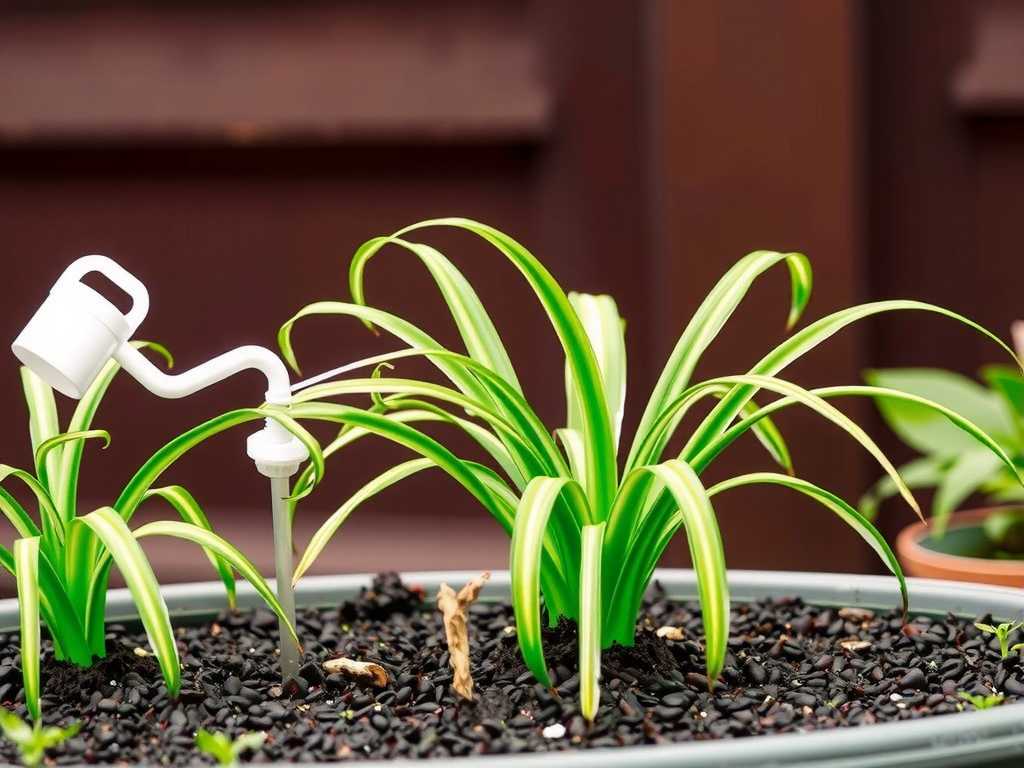
My routine became ritual: check soil moisture with my finger, prepare my water, move the leaves, water deeply at multiple points, and let it drain completely. The advantages of a long-spout watering can became undeniable: healthier roots, zero crown issues, and more vibrant growth.
Frequently Asked Questions
Can I use a long-spout can for my spider plant's spiderettes? Absolutely. For spiderettes still attached to the mother, use the same deep-watering technique in their small pots. For propagated babies, the precision helps avoid dislodging them while ensuring their shallow roots get enough water.
How often should I water my spider plant with this method? The tool doesn't change the frequency rule—"water when the top inch of soil is dry." However, because you're watering more effectively, you may find the plant goes slightly longer between drinks. Always let the soil's dryness, not the calendar, guide you.
Is a plastic long-spout can as good as a metal one? Functionally, yes. Choose based on weight (plastic is lighter for large collections) and stability. Ensure the spout is the right design. The key feature is the spout's length and control, not the material.
In the world of spider plant care, the right tools make all the difference. Moving from a guesswork pour to a strategic, deep hydration method with a long-spout watering can transformed my plants from surviving to visibly thriving. It’s a simple shift with profound results, giving your spider plant the precise care its robust roots deserve.