bluename
 spider plant Light Exposure in Spring: Tips for Gradually Increasing Light Duration
Spring is here, and like many fellow plant lovers, I’m eager to move my indoor greenery into brighter days. But if you’ve ever seen a once-lush spider plant develop pale, scorched leaves after a sudden shift to a sunny spot, you know the heartbreak. The transition from winter’s gentle light to spring’s increasing intensity is a critical period. Getting your spider plant light exposure right in spring isn't just about more light; it's about a careful, gradual increase. After a few seasons of trial and error—and one particularly sad, bleached-out specimen—I’ve perfected a two-week acclimatization routine that works wonders.
Why Gradual Acclimation is Non-Negotiable
Spider plants (Chlorophytum comosum) are famously adaptable, but their tolerance has limits. During winter, light levels are low, and the plant’s physiology adjusts. The leaves become accustomed to less photosynthetic activity. A sudden blast of intense, direct spring sunlight essentially shocks the system. It can lead to photobleaching, where chlorophyll breaks down, causing unsightly white or pale yellow streaks and crispy brown tips—a clear sign of sunburn.
I learned this the hard way. In my early enthusiasm one March, I moved a beautiful ‘Vittatum’ from a north-facing room directly to a south-facing windowsill. Within three days, the vibrant green stripes had faded dramatically, and the leaf tips turned brown and brittle. I had confused the plant’s hardiness with invincibility. As the Royal Horticultural Society (RHS) advises, "All houseplants, including tough varieties like spider plants, should be acclimatized to stronger light levels over a period of 7 to 14 days to prevent leaf scorch." This expert guidance became the cornerstone of my approach.
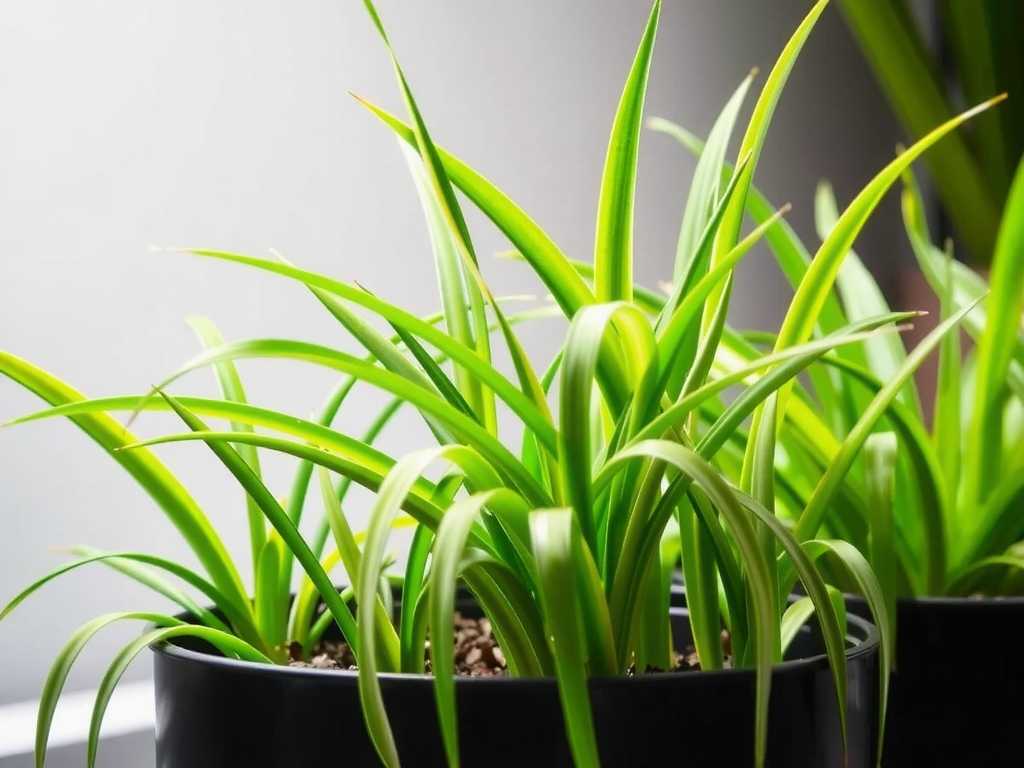
My 2-Week Spring Light Acclimation Protocol
This isn't a vague suggestion; it's a day-by-day plan I follow every spring. The goal is to gradually increase light duration without exposing the plant to the harshest midday rays initially.
Week 1: The Gentle Introduction
My process starts on a cloudy day, which provides a softer light buffer. I choose an east-facing window for morning sun, which is less intense than afternoon sun.
- Days 1-3: For just 1-2 hours in the early morning (roughly 7-9 AM), I place my spider plant on a small table about 3 feet away from the east-facing window. It receives bright, indirect light but is shielded from any direct beams. The rest of the day, it returns to its original winter spot.
- Days 4-7: I increase the exposure to 3-4 hours, now placing it directly on the windowsill of the same east-facing window. I monitor the plant closely around 10 AM. If direct sun hits the leaves, I use a sheer curtain as a diffuser. This stage is crucial for building tolerance.
Observation at Week’s End: After the first week, my spider plant typically shows no signs of stress. In fact, I often notice a subtle perkiness—the leaves seem just a bit more upright and the green a tad more vibrant. This is a positive sign of it utilizing the increased light for photosynthesis.
Week 2: Building Resilience and Duration
Now, we start stretching the time and carefully testing slightly stronger light.
- Days 8-10: I extend the morning window-sill time to 5-6 hours, which usually means from sunrise until early afternoon. I am meticulous about pulling it back or closing the curtain before the midday sun, even in an east window, becomes too strong.
- Days 11-14: This is the integration phase. I move the plant to its intended long-term spring/summer location. For me, this is a bright north-facing room with very bright, indirect light all day, or a spot further inside a south-facing room. If the final spot does get some direct sun, I ensure it’s only for the final 1-2 hours of this acclimation period, and I watch like a hawk.
The 2-Week Result: After consistently following this 14-day schedule, the transformation is clear. The plant isn’t just surviving; it’s thriving. Growth visibly accelerates. I start to see the beginnings of new, sturdy leaves and, most excitingly, the first tiny nubs of stolons (runners) that will become spider plant babies. The color is a deep, uniform green (or crisp white-and-green, depending on the variety) with no signs of bleaching or scorching. The plant has successfully recalibrated its photosynthetic machinery to the brighter season.
Pitfalls I’ve Encountered and How to Solve Them
Even with a plan, things can go awry. Here are the hurdles I’ve faced and how I navigated them.
-
The "Oops, I Forgot" Scenario: Life gets busy. One afternoon in week two, I left the plant on the sill and a rare burst of strong afternoon sun hit it. I noticed a slight yellowing on one leaf edge by evening.
- Solution: I immediately moved the plant back to a fully shaded spot for 48 hours. I did not remove the slightly damaged leaf, as the undamaged parts could still contribute energy. I then resumed the protocol from a previous step (Day 8), being more diligent. The plant recovered without further issue.
-
Misjudging Light Intensity Through Glass: A "bright" window can be deceptive. Modern double-glazing can intensify light and heat, creating a mini greenhouse effect.
- Solution: I now use a simple light meter app on my phone to get a baseline. More importantly, I rely on the "hand test." If I place my hand where the plant is and cast a sharp, well-defined shadow, the light is direct and potentially too strong. A soft, fuzzy shadow indicates perfect bright, indirect light—the spider plant's sweet spot for optimal spring lighting for spider plants.
-
Ignoring Other Environmental Factors: Increasing light increases the plant’s metabolic rate and water uptake. I once focused so much on light that I underwatered, causing simultaneous stress from thirst and increased sun.
- Solution: I paired my light schedule with a consistent moisture check. During acclimation, I check the soil every 3-4 days. If the top inch is dry, I water thoroughly. This holistic approach—coordinating light and water—is key to a smooth transition and supports healthy spider plant growth in spring.
Your Spider Plant Spring Light Questions, Answered
Can I put my spider plant in direct spring sunlight? After full acclimation, most spider plants can tolerate some direct morning sun (east-facing). However, they generally prefer and thrive in bright, indirect light. Harsh afternoon direct sun (south or west-facing) should be avoided, as it can still cause scorching over time, even on an acclimated plant. The variegated varieties are especially prone to burning.
My spider plant leaves are turning pale or brown at the tips after starting this process. What did I do wrong? Pale, bleached leaves usually mean the increase was too fast or too intense—classic sunburn. Brown, crispy tips can be a combination of factors: a reaction to fluoride in tap water (which becomes more evident when the plant is actively growing in better light), or inconsistent watering paired with the new light stress. If you see bleaching, pull back to lower light for a few days and restart more slowly. For brown tips, switch to distilled or rainwater if possible, and ensure your watering is consistent.
Is a two-week process really necessary? Can I do it in one week? You can attempt a faster, one-week schedule, but it carries higher risk. The two-week timeframe is recommended by experts like those at the American Horticultural Society (AHS) because it allows the plant’s cellular structure and pigment systems to adapt at a biological pace. Rushing it is like going from a sedentary lifestyle to running a marathon without training—possible for some, but likely to cause damage. For a guaranteed, stress-free transition that sets your plant up for a booming season of growth and propagation, patience for the full 14 days is the safest and most effective strategy.