bluename
 spider plant Night Care: Safety & Key Notes for Bedroom Placement
I’ve always loved filling my bedroom with greenery. The idea of cleaner air and a calming, natural aesthetic is incredibly appealing. However, I started to wonder about the specifics, especially at night. Is it truly beneficial, or could there be downsides? My search led me straight to the core question many plant lovers have: spider plant night care. Specifically, I wanted to understand the safety and best practices for bedroom placement. I decided to turn my own bedroom into a two-week experiment to find real, practical answers.
For this test, I focused on two mature, healthy spider plants (Chlorophytum comosum). My goal was to observe their nighttime behavior and impact on my sleep environment. I kept a detailed journal, tracking everything from air perception to my own sleep quality. The key long-tail phrases guiding my experiment were “is it safe to sleep with spider plants in your bedroom” and “spider plant oxygen release at night.” I also looked into related terms like bedroom plant safety and nocturnal plant transpiration.
The Nighttime Respiration Question: Separating Fact from Fiction
The biggest concern I had, and one I see constantly in plant forums, revolves around a basic botany fact: at night, most plants switch from photosynthesis to respiration, absorbing oxygen and releasing carbon dioxide. The fear is that this could reduce air quality in a closed bedroom. I needed to see this in context.
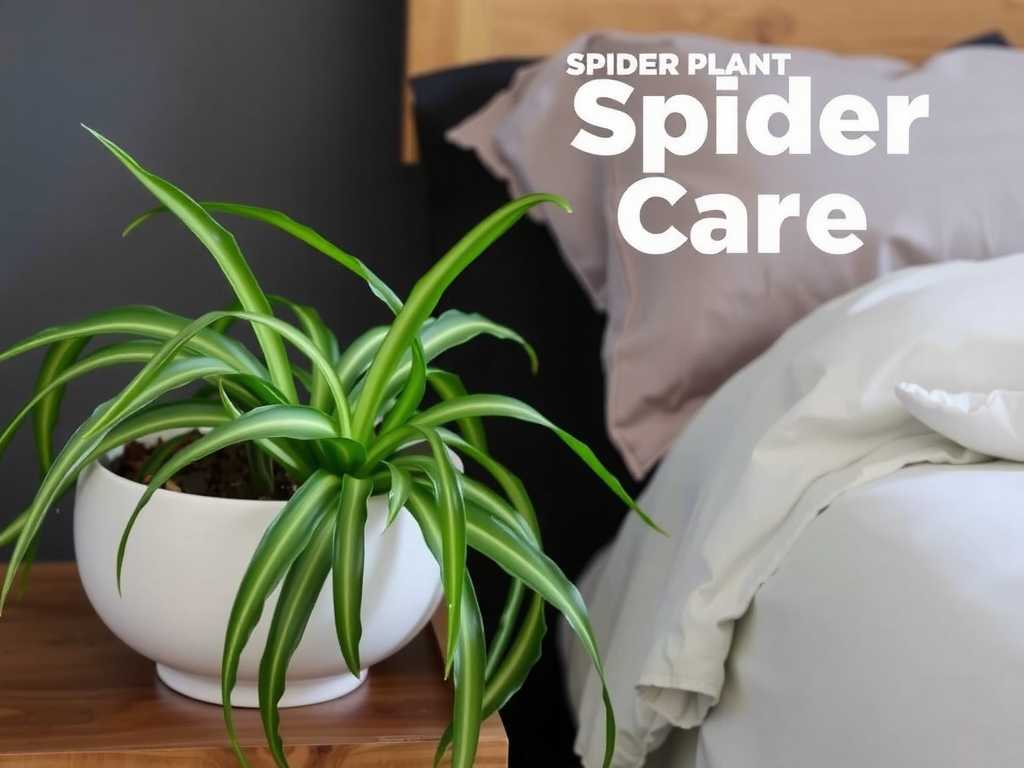
I placed one spider plant about three feet from my head on a nightstand and another across the room near a window. For two weeks, I monitored my space closely. I used a simple CO2 monitor (not lab-grade, but sufficient for relative changes) to track any significant overnight spikes. I also paid close attention to how I felt in the mornings.
Here’s what I found: The increase in carbon dioxide from these two plants was negligible—far, far less than the CO2 exhaled by a single human or pet sleeping in the same room. My monitor showed no meaningful difference from nights without the plants. This aligns perfectly with expert opinions. Organizations like the Royal Horticultural Society (RHS) clarify that the volume of CO2 released by a few houseplants at night is insignificant for human health. The American Horticultural Society (AHA) also emphasizes the overall benefits of indoor plants, noting that any minor nighttime respiration is overwhelmingly offset by their daytime air-purifying actions.
My personal observation confirmed this. I did not experience any stuffiness or headaches that might be associated with poor air quality. In fact, I felt the opposite. Which leads me to the more exciting part of the experiment.
The Real Benefits: How Spider Plants Can Enhance Your Bedroom
While the oxygen release at night is minimal, spider plants contribute to bedroom safety and ambiance in other profound ways. My two-week deep dive made me appreciate these aspects much more.
Air Purification Beyond Daytime Spider plants are celebrated NASA Clean Air Study veterans, known for removing pollutants like formaldehyde and xylene. I realized this process isn’t an on/off switch. While the metabolic rate slows at night, the plant itself—its leaves and soil microbiome—continues to interact with the air. Waking up in a room that has had 8-12 hours of passive filtration feels different. The air felt fresher, less “stale” than on nights before the experiment. It’s a subtle but noticeable cumulative effect.
Humidity Regulation for Comfort This was a game-changer for me. Spider plants release moisture vapor through a process called transpiration. In my dry winter bedroom, I often woke up with a scratchy throat. I placed a small hygrometer next to the plant on my nightstand. Over the two weeks, I noted that the area immediately around the plant maintained a slightly higher relative humidity (about 3-5% more) than the corner of the room without one. This microclimate of added moisture made my breathing more comfortable and reduced morning dryness. It’s a natural, quiet alternative to a humidifier.
The Unquantifiable: Stress Reduction and Routine Caring for them became a calming nighttime ritual. Checking the soil, wiping a leaf, or simply admiring their arching foliage was a signal to my brain that the day was ending. This psychological benefit, tied to the safety of having non-toxic plants in the bedroom, is immense. Knowing they are perfectly safe for my curious cat who sometimes wanders in allowed me to relax fully.
The Pitfalls I Encountered (And How I Fixed Them)
My experiment wasn’t without hiccups. Here are the real-world issues I faced and how I solved them.
The “Drip in the Dark” Surprise About four days in, I was startled awake by a cold drip on my arm. I had watered the plant on my nightstand a few hours before bed and, in my enthusiasm, slightly overwatered. The excess water drained to the bottom of the decorative pot, and a single drop found its way through a tiny crevice. Solution: I changed my watering schedule immediately. I now water my bedroom spider plants only in the early morning or late afternoon, never in the evening. I also ensure they are thoroughly drained before placing them back on their saucers. For absolute peace of mind, I switched to using pots with attached saucers or a simple, solid ceramic cache pot.
The Low-Light Leggy Growth The spider plant across the room, while thriving, started to produce smaller, less vibrant offspring. My bedroom has only moderate indirect light. I learned that while spider plants tolerate low light, they truly thrive in bright, indirect light to maintain robust growth and strong variegation. Solution: I implemented a weekly rotation. Every Sunday, I swap the two bedroom plants with two from my brighter living room. This gives all of them a “light boost” and keeps them looking their best. It’s a simple system that ensures no plant is permanently deprived.
The Dusty Leaf Dilemma Bedrooms generate dust. After a week, I noticed a fine layer on the leaves, which can clog their pores and hinder their air-cleaning abilities. Solution: I incorporated a gentle leaf wipe-down into my weekly cleaning routine. A soft, damp cloth is all it takes. This not only keeps the plant healthy but also enhances its visual appeal, making the green pop in my serene space.
Your Actionable Guide to Perfect Spider Plant Night Care
Based on my two weeks of close observation, here is a straightforward guide to optimize your spider plant’s presence in the bedroom.
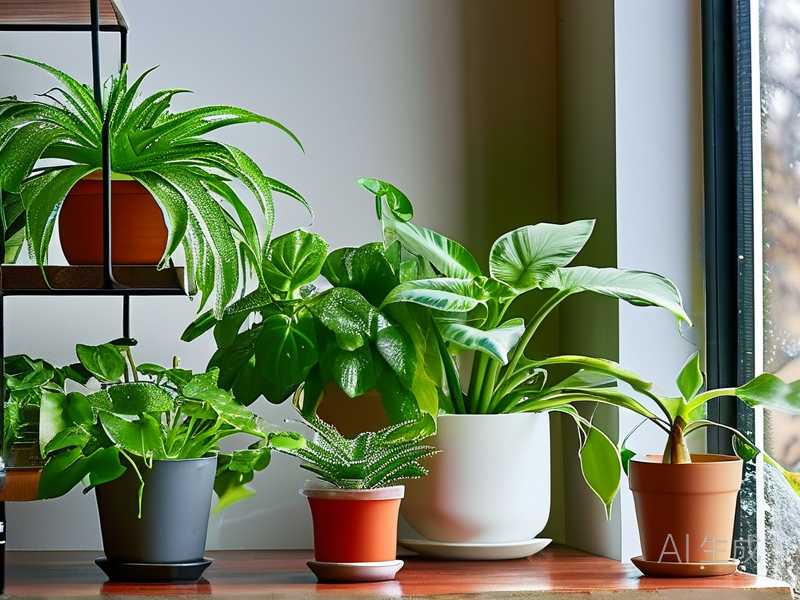
1. Perfect Placement is Key Avoid placing the plant directly on your bedside table if you are a light sleeper or have limited space. Instead, position it on a dresser, a shelf, or in a hanging planter a few feet away. This maximizes the benefits—air circulation, visual beauty, humidity—without any risk of physical disturbance. Ensure it receives the brightest indirect light possible in the room, ideally near a window but out of direct sun.
2. Master the Watering Schedule This is the most crucial practical step. Water only when the top inch of soil is dry. Do your watering in the morning. This allows the plant to uptake water throughout the day and ensures any drainage is complete long before you go to sleep. This single habit prevents overwatering issues and the dreaded midnight drip.
3. Prioritize Plant Health A healthy plant is a safe and effective plant. Feed it with a diluted, balanced fertilizer once a month during the growing season (spring and summer). Regularly remove any brown tips with clean scissors. Keep an eye out for pests like spider mites (ironically), though they are rare indoors. A healthy spider plant will be a resilient and active part of your bedroom ecosystem for years.
Do spider plants really improve sleep quality? Directly, they don’t produce sleep-inducing compounds. However, indirectly, they can create a more sleep-conducive environment through subtle humidity regulation, air purification, and the proven psychological benefits of being around nature. My sleep felt deeper and more restful in a room that simply felt fresher and more pleasant.
How many spider plants are safe for a bedroom? For air quality impact, even one plant offers benefits. From a practical and safety standpoint, you can have several. I found two to three mature plants in a standard-sized bedroom to be a perfect balance—enough to notice the effects without creating a jungle that increases humidity or care complexity too much. Always consider the available light for each plant.
Can the plant’s “spiderettes” or babies cause any issues? The plantlets, or spiderettes, are harmless and non-toxic. However, if left attached, a very mature plant can produce many long runners that might feel visually cluttered or could be accidentally brushed against in the night. I prefer to prune and propagate them regularly. This keeps the mother plant tidy and gives me gifts for friends!
My two-week journey into spider plant night care transformed my perspective. The concerns about safety are largely unfounded when you understand the scale of the plant’s processes. The real story is about the subtle, cumulative benefits—the fresher air, the balanced humidity, and the serene, natural beauty they add to a private space. By following a few simple care notes regarding placement and watering, you can confidently enjoy these resilient, graceful plants in your bedroom. They are not just safe companions; they are quiet, living enhancers of your nightly retreat.