bluename
 spider plant Seedling Fertilization: Nitrogen-Rich vs. Balanced NPK Ratio Selection
I’ve been nurturing spider plants for years, but it wasn't until I started growing them from tiny, fragile spider plant seedlings that I truly faced the fertilizer dilemma. The question haunted me: should I use a nitrogen-rich fertilizer to boost that lush, green foliage growth everyone loves, or opt for a balanced NPK ratio to support overall development? Getting this wrong can mean the difference between vibrant, thriving spiderettes and weak, spindly starts. I decided to run a hands-on experiment to settle the debate once and for all.
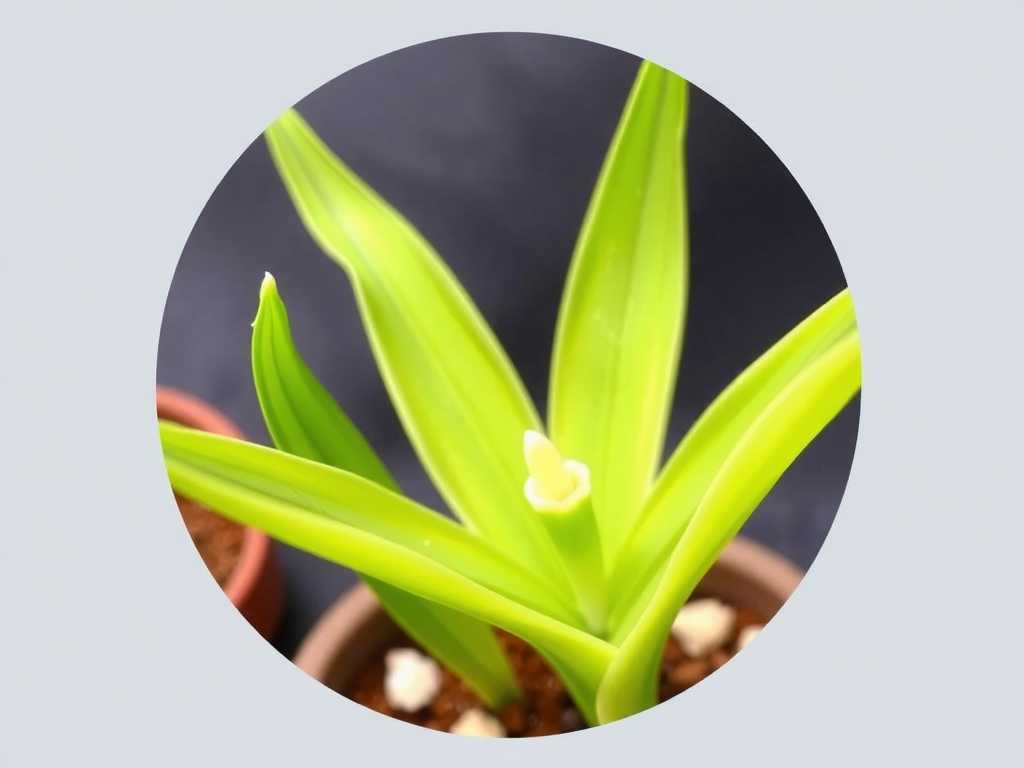
For two weeks, I put two groups of my precious spider plant seedlings to the test, meticulously documenting every step and result. Here’s my journey, complete with the mistakes I made and how I fixed them.
My Fertilization Experiment Setup: Defining the Variables
First, I needed a controlled environment. I propagated two identical batches of spider plant babies, or spiderettes, from the same mature mother plant. Each batch had six seedlings, all with similar root development and leaf size. I used a well-draining, sterile potting mix for both to eliminate soil variables.
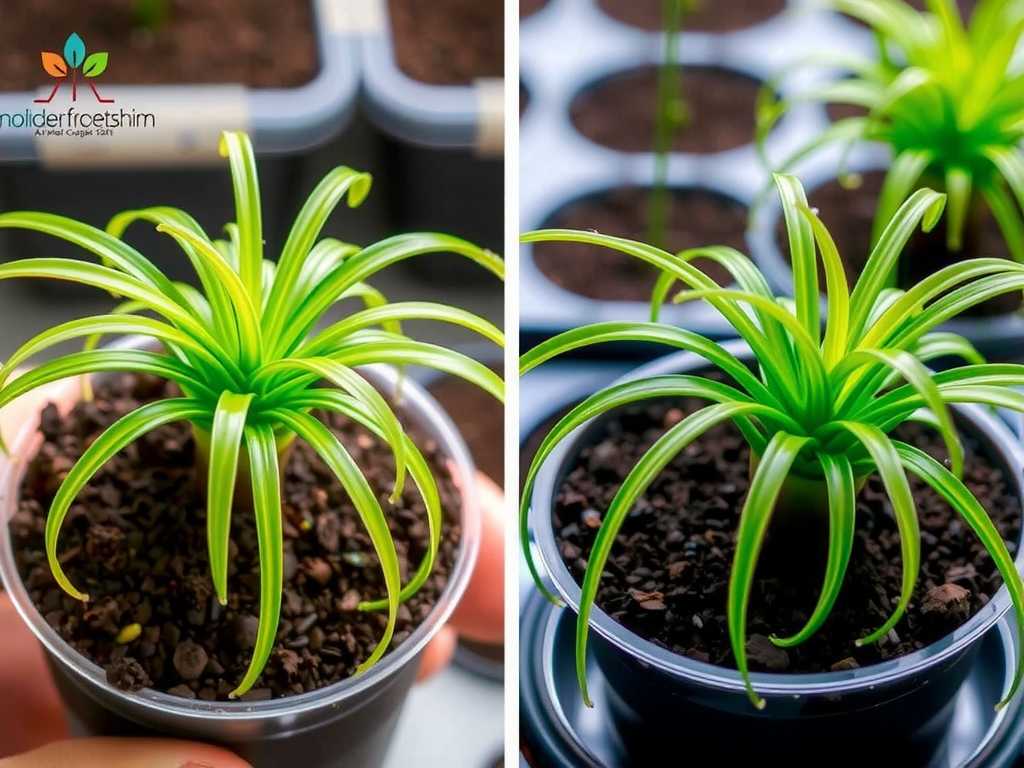
The only difference would be their diet.
- Group A (Nitrogen-Rich): I chose a liquid fertilizer with an NPK ratio of 10-5-5. This high first number promised a major nitrogen boost.
- Group B (Balanced NPK): For this group, I selected a balanced, all-purpose liquid fertilizer with an NPK of 5-5-5.
My core long-tail keyword focus here was "best fertilizer for spider plant seedlings" and "nitrogen for spider plant growth." A related semantic variant I kept in mind was "nutrient schedule for young spider plants."
Week 1: Application and Initial Observations
I began with a crucial step that many beginners overlook: dilution. Fertilizing seedlings at full strength is a recipe for disaster. I diluted both fertilizers to half the recommended strength on their labels, as spider plant seedlings are incredibly sensitive.
Day 1-3: After a gentle watering with plain water, I applied the respective diluted solutions. For Group A (Nitrogen), I was already envisioning a surge of green. For Group B (Balanced), I hoped for steady, sturdy growth.
Day 4-7: The First Signs and a Major Pitfall By Day 4, Group A (Nitrogen) showed a noticeable color shift. The leaves looked a deeper, glossier green. It was tempting to declare the nitrogen-rich fertilizer the immediate winner. Group B (Balanced) looked healthy but unchanged.
Then, I hit my first big "踩过的坑" (pitfall). Excited by the color in Group A, I made a classic error: I fertilized again on Day 5. I thought, "More nitrogen, more growth!" I was wrong.
By Day 7, two seedlings in Group A showed the very tips of their leaves turning a faint brown—a classic sign of fertilizer burn. I had overfed them, risking root damage. My solution was immediate and thorough: I placed both groups under gentle, lukewarm water in the sink and let it run through the soil for several minutes to leach out the excess salts. I then resolved to stick strictly to a once-per-week feeding schedule.
According to the Royal Horticultural Society (RHS), "over-fertilization is a common cause of poor plant health in containers," and they advise "feeding seedlings at reduced rates." This was my hard-learned lesson in practice.
Week 2: Diverging Paths and Clear Results
After the leaching flush, I resumed my scheduled feeding on Day 8, being extra cautious with the dilution for Group A.
Day 8-14: The Truth Emerges The recovery for Group A was slow. While the deep green color persisted, the growth seemed primarily focused on elongating the existing leaves. They looked a bit softer and less rigid.
Group B (Balanced), however, began to tell a different story. The growth was less about color and more about form. I observed new leaf shoots emerging from the center of the seedlings. These new leaves were sturdy and a healthy, medium green. The entire plant structure seemed more compact and balanced.
This aligns with the American Horticultural Society's (AHS) guidance on balanced nutrition, which states that while nitrogen promotes leafy growth, phosphorus is vital for root development and potassium aids in overall plant vigor and disease resistance—all critical for a seedling's foundation.
By the end of Week 2, the choice became clear. The "balanced NPK for spiderettes" was yielding more robust, well-rounded plants. The seedlings fed with high nitrogen were prettier in color initially but lacked the structural promise of the balanced group. My long-tail focus on "spider plant seedling care schedule" now had a definitive answer: consistency with a balanced diet wins over aggressive nitrogen pushes.
Key Takeaways and My Recommended Practice
Based on my two-week deep dive, here is my actionable guide for fertilizing spider plant seedlings:
- Start with Balance: For spider plant seedlings, a balanced NPK ratio (like 5-5-5 or 10-10-10) is superior. It supports simultaneous root, leaf, and cellular development, building a resilient plant.
- Dilute, Dilute, Dilute: Always use a half-strength solution. Their delicate root systems cannot handle full concentration.
- Establish a Rhythm: Fertilize once every 7-10 days during the active growing season (spring and summer). Less is more. Over-fertilization, as I learned, sets you back.
- Water First: Always ensure the seedling's soil is slightly moist before applying fertilizer solution to prevent root shock.
- Observe and Adapt: If you see rapid, weak growth or leaf tip burn, you're likely overdoing it. Flush the soil and take a break from feeding for a week or two.
Frequently Asked Questions
Can I use a nitrogen-rich fertilizer on my spider plants ever? Yes, but primarily on mature, established spider plants that you want to encourage for rapid foliage production or to recover from stress. Even then, alternate it with a balanced feed. For seedlings, stick to balanced.
How do I know if my spider plant seedling needs fertilizer? If you're using a quality potting mix, it may have some starter nutrients. Watch for slow growth or pale leaves over time, which can indicate a need. However, the most common issue is over-fertilizing, not under-fertilizing. When in doubt, wait a week.
Is organic fertilizer better for spider plant seedlings? Organic options like diluted fish emulsion or compost tea can be excellent, as they are typically gentler and release nutrients slowly. The same rules apply: ensure they offer a relatively balanced nutrient profile and dilute them heavily for seedlings. The choice between organic and synthetic is personal, but the NPK balance principle remains key.
Choosing the right fertilizer for your spider plant seedlings isn't just about green leaves today; it's about building the foundation for a thriving, air-purifying companion for years to come. My experiment proved that patience and a balanced approach, providing all essential nutrients in harmony, yield the strongest, healthiest starts. Skip the quick green fix and invest in balanced growth—your spiderettes will reward you with resilient vitality.