bluename
 spider plant Old Leaf Pruning: The Optimal Time to Stimulate New Leaf Germination
You’ve nurtured your spider plant for months, maybe years. It’s healthy, it’s green, but lately, it just looks… tired. A few brown-tipped leaves here, a couple of yellowing, limp fronds there. You water it faithfully, give it light, but it seems to have stopped its enthusiastic growth. The vibrant cascade of spiderettes you hoped for is more of a trickle. I’ve been there. The frustration is real. We want our plants to thrive, not just survive. The secret often lies not in adding more—more water, more fertilizer—but in the strategic removal of the old to make way for the new. This is where mastering spider plant old leaf pruning becomes your most powerful tool for rejuvenation.
For years, I treated pruning as a purely cosmetic chore, snipping off ugly bits whenever I noticed them. My results were haphazard. Sometimes the plant would surge with new growth; other times, it would seem to sulk. It wasn’t until I started treating pruning as a deliberate, timed horticultural practice that I unlocked my spider plants’ true potential. The key question became: when is the best time to prune spider plants to actively encourage new shoots and babies? Through trial, error, and dedicated observation over countless growing seasons, I’ve pinpointed the optimal strategy.
Why Pruning Old Leaves is More Than Just Tidying Up
Think of your spider plant as a diligent energy manager. It directs resources—water, nutrients, and its own photosynthetic energy—to all its parts. An aging, damaged, or dying leaf, while still somewhat functional, can become a drain. The plant may expend energy trying to repair irreparable damage or sustain tissue that is no longer efficiently contributing.
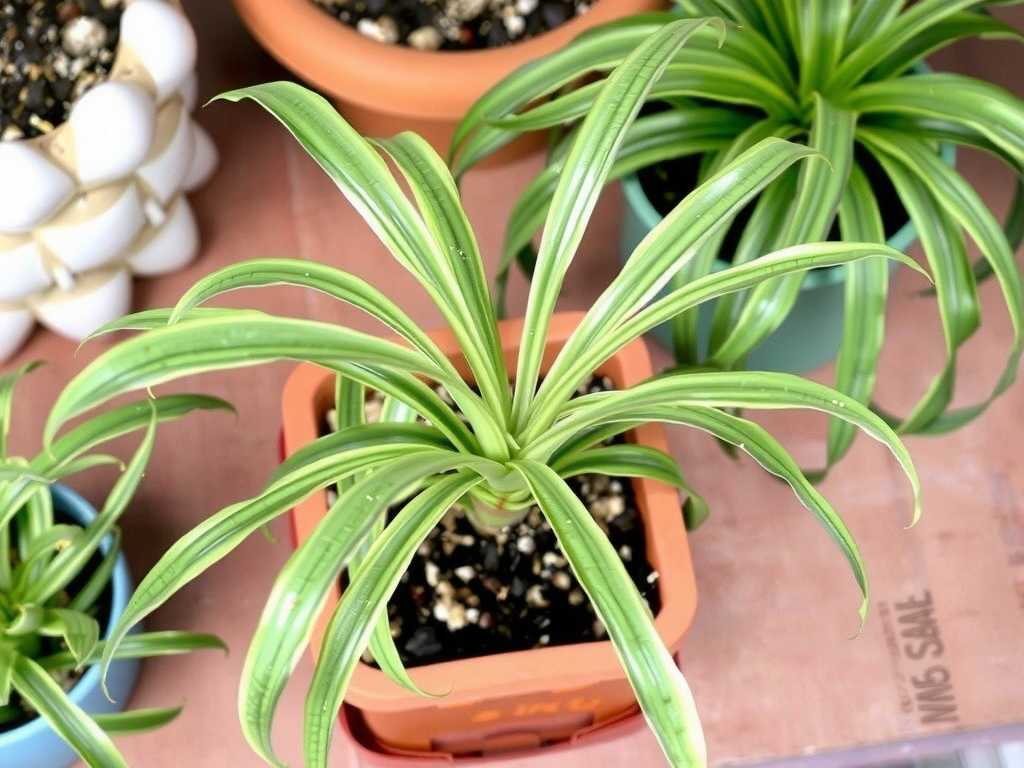
By removing old leaves from spider plants, you accomplish several critical goals:
- Resource Reallocation: You signal to the plant to redirect its energy from maintaining failing foliage toward producing fresh, vigorous new growth and spiderettes.
- Disease Prevention: Brown or yellowing leaves can be entry points for pathogens or attract pests. Pruning them away keeps the plant healthier.
- Improved Aesthetics and Airflow: A clean plant is a happy plant, with better light penetration and air circulation through its center, reducing the risk of rot.
As the Royal Horticultural Society (RHS) notes in their guidance on houseplant care, "Removing dead or damaged leaves helps to prevent the spread of disease and encourages plants to put energy into new growth." This isn't just opinion; it's a fundamental principle of plant physiology.
The Golden Rule: Timing Your Pruning for Maximum Impact
Here is the core insight from my experience: The optimal time to prune spider plants for new growth is at the very beginning of their active growing season.
For most indoor spider plants (Chlorophytum comosum), this period is from early spring through mid-summer. This is when lengthening daylight hours and naturally warmer temperatures act as a natural signal for your plant to wake up and grow. Pruning as this cycle begins is like giving a clear, direct command alongside that natural signal: "Focus your energy here, now."
I used to prune year-round. A brown tip in November? Snip. A pale leaf in January? Off it went. The plant didn’t perish, but the response was sluggish. The real "aha!" moment came when I practiced disciplined, seasonal pruning.
My Two-Week Pruning & Observation Experiment
Last spring, I selected two mature, similarly sized spider plants that had become slightly overgrown and leggy, with several older outer leaves showing signs of decline. I decided to treat them differently and document the results over two weeks.
Plant A (The Test Subject): Pruned at the Seasonal Optimum
- Day 1 (Early April): I examined the plant thoroughly. I identified all leaves that were more than 50% yellow/brown, severely bent or damaged, or simply the oldest, outermost fronds that had lost their robust texture. Using a pair of sterilized, sharp scissors (I wipe them with isopropyl alcohol), I cut these leaves off at the base, as close to the soil line as possible without damaging the central crown. I removed about 8-10 old leaves total.
- Day 3-5: No dramatic changes, but the plant looked instantly tidier. I ensured it received bright, indirect light and resumed my regular watering routine (watering only when the top inch of soil was dry).
- Day 7: Upon close inspection, I noticed the very beginnings of a slight swell at the center of the plant's crown—a hint of new activity.
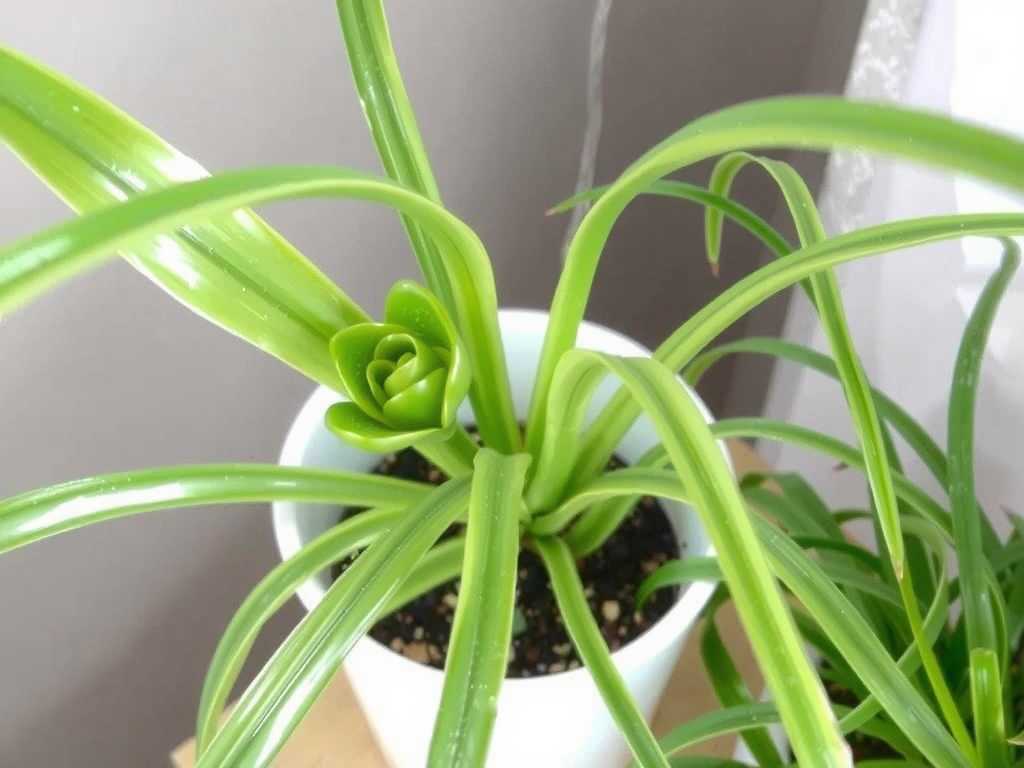
- Day 10-14: The change was undeniable. Two, then three, then four tiny, lime-green points emerged forcefully from the center. These were new leaf spears, growing noticeably faster than any growth I’d observed in months. By the end of the second week, the first new leaf had unfurled several inches, vibrant and firm.
Plant B (The Control): Light, Cosmetic Pruning
- Day 1: I only trimmed the brown tips off a few leaves, leaving the entire, aging leaf structure intact.
- Day 7-14: The plant remained stable. It looked marginally better without the brown tips, but there was zero noticeable surge in new central growth. It was in a state of maintenance, not active regeneration.
The difference was stark. Pruning old leaves at the start of the growth cycle provided a powerful stimulus. Plant A’s energy was visibly channeled into creating new foliage from its core.
The Pitfalls I’ve Encountered (And How to Avoid Them)
My journey wasn’t without missteps. Here’s where I went wrong so you can prune with confidence:
-
The "Over-Enthusiastic" Prune: In my early days, I once removed over a third of the plant’s foliage at once, thinking "more pruning must equal more growth." This is a severe shock. The plant went into survival mode, stalling all growth for nearly a month.
- The Fix: Never remove more than 20-25% of the total foliage in a single session. Be conservative. You can always prune a bit more later in the season if needed.
-
The Blunt Instrument: Using dull or dirty scissors crushed leaf stems, creating ragged tears that were slow to callous and susceptible to rot.
- The Fix: Invest in a dedicated pair of sharp, fine-pointed pruning snips or scissors. Sterilize them before and between plants. A clean, sharp cut heals fastest.
-
Pruning at the Wrong Time: As mentioned, winter pruning led to minimal response. I also made the mistake once of pruning spider plants for new growth right before a period of low light (a cloudy fortnight). The plant lacked the solar fuel to respond effectively.
- The Fix: Align your pruning with optimal conditions: spring/summer, and ensure the plant will get plenty of bright, indirect light afterward to power its recovery and new sprouting.
-
Ignoring the Root of the Problem: I kept pruning yellow leaves off a plant, only for more to appear. The issue wasn’t age; it was chronic overwatering.
- The Fix: Pruning is not a cure for cultural problems. Before you prune, diagnose. Are leaves yellowing from age (typically older, outer leaves) or from care issues (often newer growth, pattern-related)? Address watering, light, or fertilization issues first.
Your Step-by-Step Guide to Perfect Pruning
Based on my trials, here is the fail-safe method I now follow every spring:
- Wait for the Signal: Be patient. Wait until you see the first signs of spring growth, usually longer days and warmer temps in your home.
- Gather Your Tools: Sharp, sterilized scissors/snips. A small cloth and rubbing alcohol.
- Assess, Don’t Attack: Gently lift the outer leaves and look at the plant's base. Target leaves that are:
- Entirely yellow or brown.
- Mostly damaged (over 50%).
- The oldest, outermost fronds that are thinning or drooping persistently.
- Make the Cut: Follow the leaf stem (petiole) down to its point of origin near the soil. Make a clean, angled cut as close to the base as possible without nicking neighboring healthy stems or the central crown.
- Post-Prune Care: Place the plant back in its preferred bright, indirect light. Do not immediately fertilize; wait 3-4 weeks to allow it to focus on root and shoot development first. Water as normal, but be slightly more cautious until you see new growth.
- Observe and Enjoy: Watch the center of the plant over the next two weeks. This is where the magic of stimulating new leaf growth will happen.
Frequently Asked Questions
Can I prune my spider plant in the fall or winter? You can remove clearly dead or dying leaves for health reasons at any time. However, for the goal of actively stimulating new leaf growth, pruning in fall or winter is less effective. The plant is in a slower growth phase, and its response will be minimal or delayed until spring.
Should I prune the brown tips or the whole leaf? This depends. If the leaf is otherwise healthy, firm, and green, simply snipping the brown tip is fine for aesthetics. Use clean scissors and cut at a slight angle to mimic a natural leaf point. However, if the leaf has multiple brown/yellow patches, is limp, or is an older outer leaf, it’s more beneficial for the plant’s energy budget to remove the entire leaf at the base.
How does pruning relate to getting more spiderettes (babies)? A healthy, energetically balanced plant is a prolific plant. By removing old leaves from spider plants strategically, you promote a stronger, denser central mother plant. This robust plant has more resources to invest in flowering and producing its iconic offsets. I consistently see more and healthier spiderettes on plants I prune seasonally versus those I don’t.
The art of spider plant old leaf pruning is a conversation with your plant. It’s about listening to its seasonal rhythms and giving it a gentle, well-timed nudge. By choosing the optimal time to prune—the awakening period of spring—you work with nature’s cycle, not against it. The result is not just a tidier plant, but a revitalized one, pushing out fresh, vibrant leaves with an enthusiasm that mirrors your own care. Grab those sterilized snips, have patience, and get ready to witness the vigorous renewal you’ve been hoping to see.