 admin
admin Spider Plant Indoor Ventilation: Duration Control for Morning & Evening Window Opening
For years, my spider plants were just… surviving. They weren’t dying, but they weren’t thriving either. The leaves lacked that vibrant, striped glow, and the coveted spiderettes were few and far between. I tried everything—adjusting water, changing soil, moving them to different light spots. The missing piece, I finally realized, was fresh air. Not just any air, but properly timed and controlled spider plant indoor ventilation. It wasn't about just cracking a window; it was about mastering the duration control for morning & evening window opening. This is the journey of my two-week experiment that transformed my chlorophytum comosum from languid to lush.
Why Your Spider Plant is Begging for a Breeze (And Why Timing is Everything)
We often treat our houseplants like delicate ornaments, sealing them in our climate-controlled bubbles. But spider plants are resilient, air-purifying champions that evolved with access to fresh, moving air. Stagnant indoor air allows pests like spider mites to flourish, slows down transpiration (how plants "breathe" and uptake water), and can lead to weak, leggy growth.
I dug into resources from the Royal Horticultural Society (RHS) and the American Horticultural Society (AHS), which both emphasize the critical role of air circulation in preventing disease and promoting sturdy growth. The key, however, is introducing this air without subjecting the plant to damaging temperature shocks or harsh drafts. That’s where the precision of morning and evening window opening times comes in.
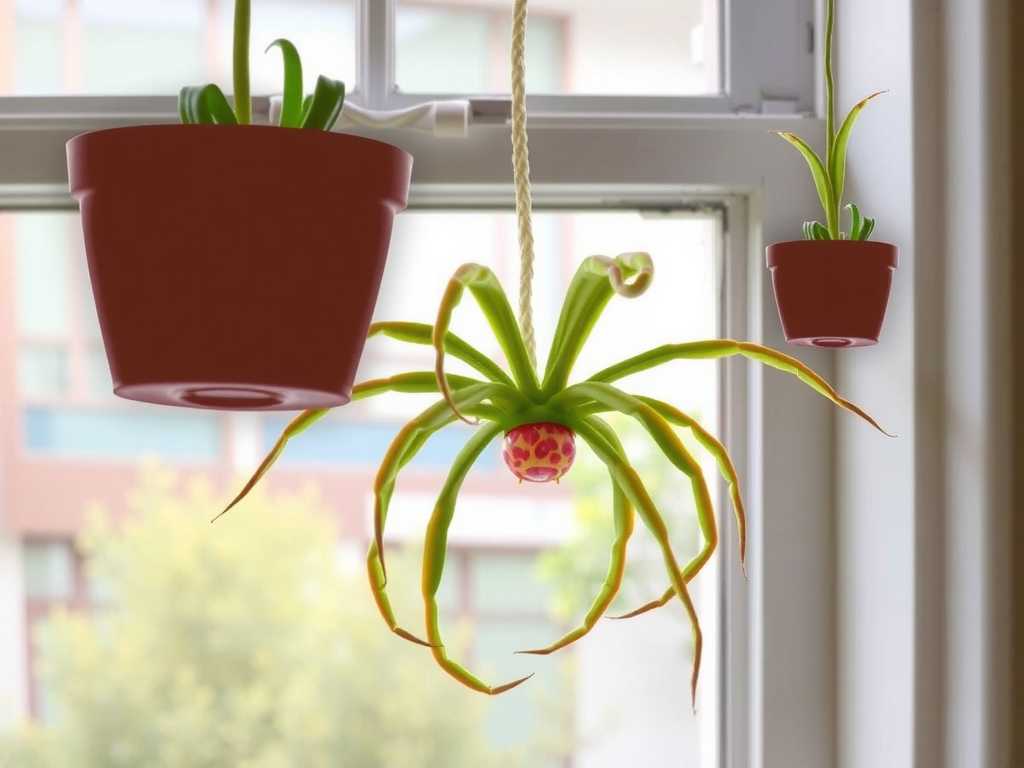
My Two-Week Ventilation Protocol: A Step-by-Step Log
I selected three mature spider plants for this test: one in a north-facing room, one east-facing, and one south-facing (but set back from direct sun). I committed to a strict, twice-daily schedule for 14 days, meticulously noting the duration of window opening for spider plants.
The Morning Routine (6:30 AM - 8:00 AM): My goal was to capture the cool, gentle morning air, which is typically higher in humidity and free from the midday heat. I would open the chosen window fully for 90 minutes. This wasn't a crack; it was a proper opening to allow for a complete air exchange. The outdoor temperature during this period ranged from 55°F to 65°F (13°C-18°C), while my indoor temperature was a steady 68°F (20°C).
The Evening Routine (7:00 PM - 8:30 PM): In the evening, I aimed to flush out the day’s stale air and lower the room temperature slightly to mimic a natural drop. Again, I opened the window fully for 90 minutes. Evening temps outside were between 60°F and 70°F (16°C-21°C).
Critical Rule: I always ensured the plants were not in the direct path of the airflow. I placed them on a side table perpendicular to the window, so they received the refreshed air indirectly, without a constant blast.
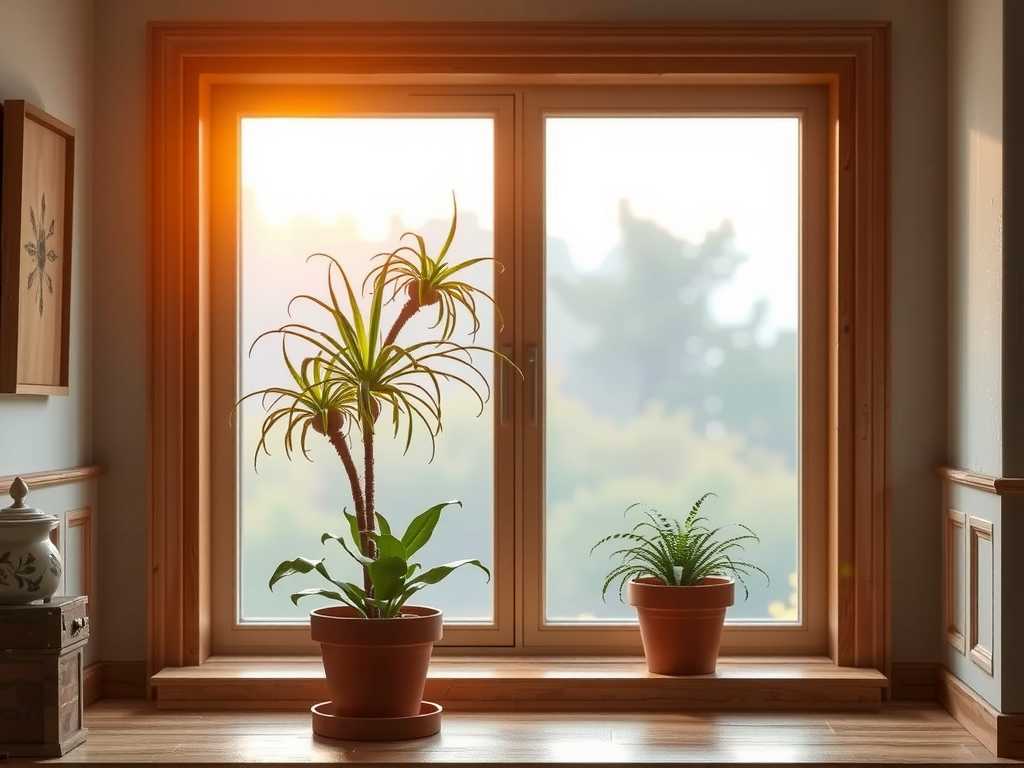
The Transformation: Observed Effects After 14 Days
The changes weren't overnight, but by the end of the two weeks, the evidence was clear:
- Leaf Health & Color: The most dramatic change was in the leaves. They became noticeably firmer and more turgid. The classic white and green variegation on my ‘Vittatum’ variety became strikingly crisp and bright. The slight brown tips that had plagued one plant began to recede, as the improved air flow balanced humidity levels and reduced the risk of root stress from overwatering.
- Growth Rate: I observed a visible surge in new growth. Each plant pushed out several new, deep green leaves from the center. The growth seemed sturdier and less floppy.
- Spiderette Production: My east-facing plant, which received soft morning light coupled with the ventilation, started developing two new, healthy spiderettes—a sign it felt confident and thriving enough to reproduce.
- Pest Prevention: While I didn't have a severe infestation before, the occasional gnat was present. The consistent air movement completely eliminated them, creating an environment unfavorable for pests to settle.
The Pitfalls I Encountered (And How I Fixed Them)
It wasn't all smooth sailing. Here’s where I stumbled and learned:
-
The "Too Much of a Good Thing" Storm: On Day 3, a forecasted calm morning turned unexpectedly windy. I came back after 90 minutes to find my spider plant's leaves whipped around, with a few showing minor tears and physical damage.
- Solution: I became a weather app devotee. I set a rule: if winds were forecast above 15 mph, I would reduce the window opening duration for indoor plants to 45 minutes and only open the window halfway. This still allowed air exchange without the battering.
-
The Temperature Plunge: Around Day 8, an unseasonably cold night saw evening temperatures drop to 48°F (9°C). I followed my routine blindly, and the next morning, the leaves on my north-facing plant had a slightly darkened, almost water-soaked look on the tips—a sign of mild cold shock.
- Solution: I instituted a hard temperature cutoff. I would not open the window if the outdoor temperature was more than 15°F (8°C) lower than the indoor temperature. For those chilly evenings, I opted for a different indoor ventilation strategy for spider plants: I turned on a ceiling fan on its lowest setting for an hour to gently circulate room air, and I opened a window in a distant room to refresh the apartment's air indirectly.
-
The Dry Air Dilemma: My south-facing room, with the evening window open, became quite dry due to the inherent lower humidity. I noticed the soil drying out faster than expected.
- Solution: I adjusted my watering schedule slightly, checking soil moisture every 4 days instead of 5. More importantly, I began grouping this spider plant with a few other plants to create a beneficial microclimate of shared transpiration humidity. A pebble tray was also added as a safety net.
Fine-Tuning Your Own Schedule
My 90-minute, twice-daily schedule worked for my springtime climate. Yours will vary. Use this as a framework:
- Seasonal Adjustments: In summer, you might open windows earlier in the morning and later at night for longer, avoiding the hot midday. In winter, a 15-30 minute crack during the warmest part of the afternoon might be all that's safe.
- Climate is Key: In humid climates, focus on duration to prevent mold. In arid climates, be mindful of duration to avoid excessive moisture loss.
- Listen to Your Plant: Crisping tips can mean too much dry air. Persistent limpness might mean it still needs more air circulation. Adjust your ventilation timing for healthy spider plants accordingly.
Frequently Asked Questions
Can I just use a fan instead of opening a window? A fan is excellent for circulating indoor air, which helps prevent pests and strengthens stems. However, it does not provide the crucial exchange of air—replenishing carbon dioxide and removing built-up gases and toxins. For true ventilation, fresh outdoor air is irreplaceable. Use a fan on still days when opening a window isn't feasible.
What if I can only ventilate once a day? Which time is better? If you must choose, prioritize the morning window opening for plant health. Morning air is generally cleaner, cooler, and more humid. It sets your plant up for a productive day of photosynthesis with fresh CO2 and helps dissipate any humidity that built up overnight.
My windows are drafty. Is this method safe? Direct, cold drafts are a major enemy. If your window is drafty, do not place your plant nearby while it's open. You can still practice duration control for morning & evening window opening by opening the window in an adjacent, unoccupied room. This will refresh your home's air volume without subjecting your plant to a direct blast. The goal is to improve the overall air quality in your home, not to wind-tunnel test your spider plant.
Mastering spider plant indoor ventilation through careful timing isn't just a gardening tip; it's a shift in perspective. It’s about recognizing that these are living, breathing organisms that need a connection to the outside world. Two weeks of disciplined, observant care taught me more than any fertilizer ever could. It taught me to read the subtle signs, to respect the rhythms of day and night, and to see that sometimes, the simplest act—opening a window with intention—can be the most powerful growth tonic of all.

发表评论