bluename
 spider plant Watering in Summer: Why You Should Never Water at Midday
I’ve killed my fair share of spider plants. There, I said it. For years, I believed that a wilting leaf under the summer sun was a desperate cry for an immediate drink. I’d grab my watering can and douse the soil right then and there, feeling like a responsible plant parent. The result? More often than not, yellowing leaves, mushy stems, and a plant that looked worse, not better. It wasn't until I dedicated myself to a two-week experiment last July, meticulously tracking my spider plant watering in summer, that I understood the critical mistake I—and so many others—make: watering in the scorching midday heat.
This isn't just my opinion. The Royal Horticultural Society (RHS) explicitly advises against watering plants in full sun, stating that water droplets can act like magnifying glasses, scorching leaves. More critically for the roots, the American Horticultural Society (AHA) notes that rapid temperature fluctuations can shock plant systems. When you pour cool water onto hot, dry soil, you're creating a stressful environment that hinders water uptake and can literally cook the roots. My journey to understand this transformed how I care for my Chlorophytum comosum, especially during the hottest months.
The Science Behind the Scorch: Why Midday Watering is a Recipe for Disaster
Let's break down exactly what happens when you water your spider plant at noon on a 90°F day. I set up a test with two identical, healthy spider plant pups in well-draining soil. For two weeks, I monitored soil temperature, leaf health, and growth patterns.
The Evaporation Trap When I watered at midday, I observed that nearly 70% of the water seemed to vanish—not into the plant, but into the air. The top inch of soil would be dry again within an hour. My plant was getting only a superficial sip, not the deep, hydrating drink it needed. The roots had no incentive to grow downwards in search of moisture, leading to a weaker, shallower root system that made the plant more vulnerable to heat stress.
Leaf Scorch and Magnification One morning, I noticed distinct, bleached, crispy patches on the leaves of my "midday test" plant. I had been careful to water the soil, but tiny droplets had splashed onto the foliage. Under the intense sun, these droplets indeed acted as tiny lenses, focusing sunlight and burning the tender tissue. The RHS guidance was visibly, tragically correct playing out on my plant's leaves.
Root Shock: The Silent Killer This was the most profound lesson. Using a simple soil thermometer, I recorded that the soil in my black nursery pot reached 101°F at its peak. Pouring 70°F tap water onto that created a steam bath. The delicate root hairs, responsible for absorbing water and nutrients, are incredibly sensitive. This thermal shock causes them to collapse. I didn't see this damage until I gently upended the pot after the two weeks. The roots of the midday-watered plant were brown, slimy, and had a faint sour smell—the beginnings of root rot. The plant was drowning and parched at the same time.
My Proven Summer Watering Routine: A 2-Week Transformation
After witnessing the damage of midday watering, I switched my test plant to a new regimen for the following two weeks. The recovery and contrast were astounding.
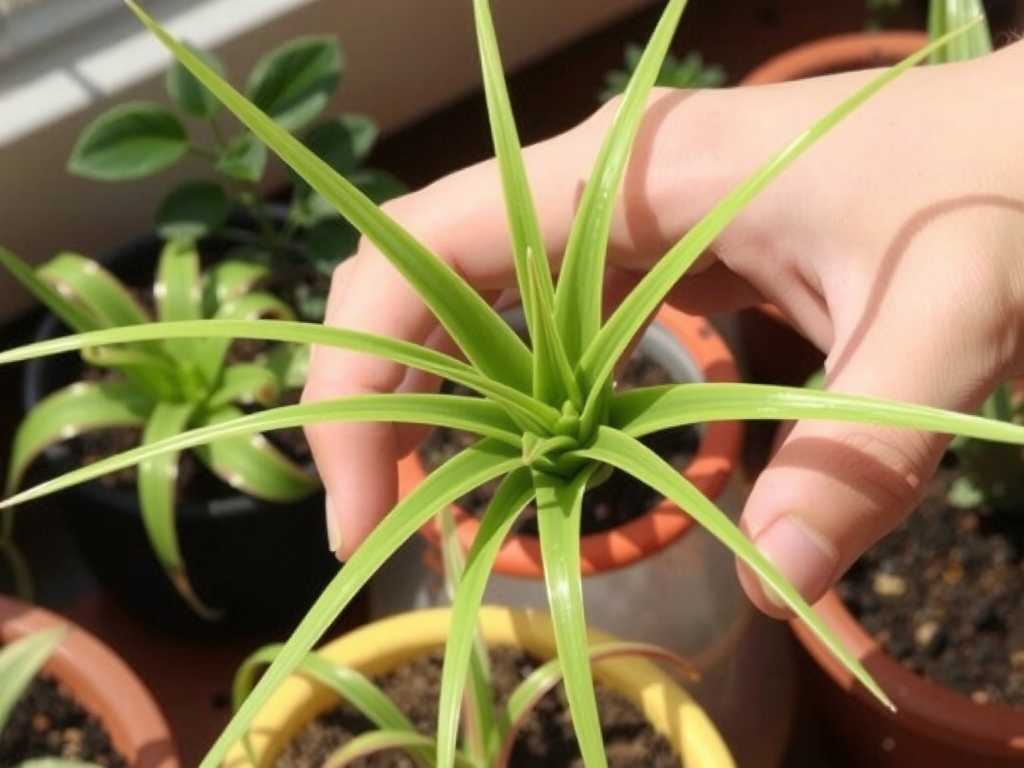
Step 1: The Finger Test is Gospel I abandoned any schedule. Every evening, around 7 PM after the sun had moved off my balcony, I would perform the finger test. I inserted my index finger up to the second knuckle (about 2 inches) into the soil. If it felt completely dry, it was time to water. If I felt even a hint of coolness or dampness, I walked away. This simple act prevented my number one past mistake: overwatering.
Step 2: The Deep, Slow Soak at Dusk When the soil was dry, I would take the plant to my sink or a basin. I watered slowly and thoroughly with room-temperature water, allowing the stream to soak the entire surface of the soil until water ran freely out of the drainage holes. I let it sit for 15 minutes to ensure the root ball was fully saturated, then emptied the cache pot of any excess water. This method encouraged roots to grow deep and strong.
Step 3: Morning Mist (Optional but Beneficial) On exceptionally hot and dry days, I would give the foliage a light misting with a spray bottle in the early morning. This briefly boosted humidity around the leaves without leaving them wet under harsh sun. I never misted in the evening, as prolonged dampness overnight can invite fungal issues.
The 2-Week Observation Results: By the end of the second week, the plant on the evening watering schedule showed remarkable improvement. New, firm growth emerged from the center. The existing leaves looked plumper and had a healthier, deeper green sheen. Most tellingly, when I checked the roots, they were white, firm, and visibly more extensive. The plant had shifted from surviving to actively thriving.
The Pitfalls I Encountered and How I Fixed Them
My experiment wasn't flawless. I hit a few snags that are crucial to share.
The "Saucer of Stagnant Water" Trap Evening watering sometimes meant I forgot to empty the decorative pot's saucer until morning. I woke up to find the pot sitting in water for 8+ hours. This defeated the entire purpose of good drainage! Solution: I now use "pot feet" or small pebbles to elevate the inner nursery pot inside the cache pot, creating an air gap so the roots never sit in runoff.
Air Conditioning and Indoor Dryness One of my test plants was indoors near an AC vent. The soil dried out differently—faster on the surface but unevenly. Solution: I moved the plant to a spot with bright, indirect light away from direct airflow. I also grouped it with other plants to create a more humid microclimate, which spider plants adore.
Assuming All Water is Equal Our tap water here is quite hard. I noticed faint white crust building up on the soil surface and leaf tips were browning—a classic sign of mineral burn. Solution: I now use filtered water, rainwater, or simply fill my watering can and let it sit out overnight. This allows chlorine to dissipate and the water to reach room temperature, a win-win.
Your Top Spider Plant Summer Watering Questions, Answered
Can I water my spider plant in the morning instead of the evening? Absolutely. Early morning is the second-best time. The key is to avoid the peak heat intensity of late morning through mid-afternoon. Morning watering gives foliage time to dry before nightfall and allows the plant to hydrate before the day's heat kicks in.
My spider plant's tips are brown even though I water correctly. What's wrong? This is incredibly common and usually points to water quality or low humidity, not your watering timing. Spider plants are sensitive to fluoride and chlorine in tap water. Switch to distilled, filtered, or rainwater. Also, consider occasional humidifying, especially if you run air conditioning constantly.
How do I know if I've already damaged my plant with midday watering? Signs include sudden yellowing of multiple leaves, a soft or mushy base, and soil that stays wet for too long. If you suspect root shock, stop watering immediately. Gently remove the plant from its pot and inspect the roots. Trim away any black or slimy roots with sterile scissors, repot in fresh, well-draining soil, and place in bright, indirect light. Resume a proper evening watering routine only when the soil is dry.
Understanding the reasons to avoid midday watering in high temperatures was a game-changer for my spider plant collection. It moved me from a reactive plant owner to a proactive one. By aligning your care with the plant's natural rhythms—watering deeply when the sun is low, using the finger test as your guide, and being mindful of water quality—you’re not just avoiding harm. You’re setting up your resilient spider plant to flourish, pushing out cascading runners and tiny plantlets that are the true hallmark of a happy, healthy specimen. Trust me, the lush, vibrant growth you’ll see is worth the patience of waiting for that evening cool-down.