bluename
 spider plant Fertilization in Autumn: Selection & Application Frequency of High-Phosphorus & Potassium Fertilizer
As the vibrant greens of summer begin to soften into autumn's gold, my spider plants signal a shift. Their once-explosive growth of runners and baby plantlets slows, and I notice a subtle change in their needs. This is the precise moment when spider plant fertilization in autumn becomes critical, specifically the strategic use of a high-phosphorus and potassium fertilizer. For years, I made the common mistake of either stopping fertilizer altogether or, worse, continuing a high-nitrogen regimen, which left my plants weak and unprepared for the indoor winter. If you're wondering how to strengthen your spider plant's roots and overall resilience during the cooler months, you're in the right place. I've spent seasons experimenting, observing, and learning from both success and failure.
The core challenge in autumn is transitioning from supporting leafy growth to promoting root health, disease resistance, and energy storage. This is where phosphorus (P) and potassium (K) become the stars of the show. A fertilizer with a higher middle and last number in its N-P-K ratio—like a 5-10-10 or a 2-4-4—is ideal. Phosphorus is vital for strong root development and energy transfer within the plant, while potassium regulates vital functions and improves overall hardiness. According to the Royal Horticultural Society (RHS), reducing nitrogen in autumn helps "harden off" plants, making them less susceptible to pests and the stresses of lower light levels. My goal was to apply this principle to my beloved, sprawling spider plants.
My Two-Week Experiment: From Selection to Observation
I decided to conduct a focused, two-week trial on a mature, variegated spider plant that had been in a state of "holding" for months. It had several offsets but seemed lackluster. Here was my step-by-step process.
Week 1: Preparation and Initial Application
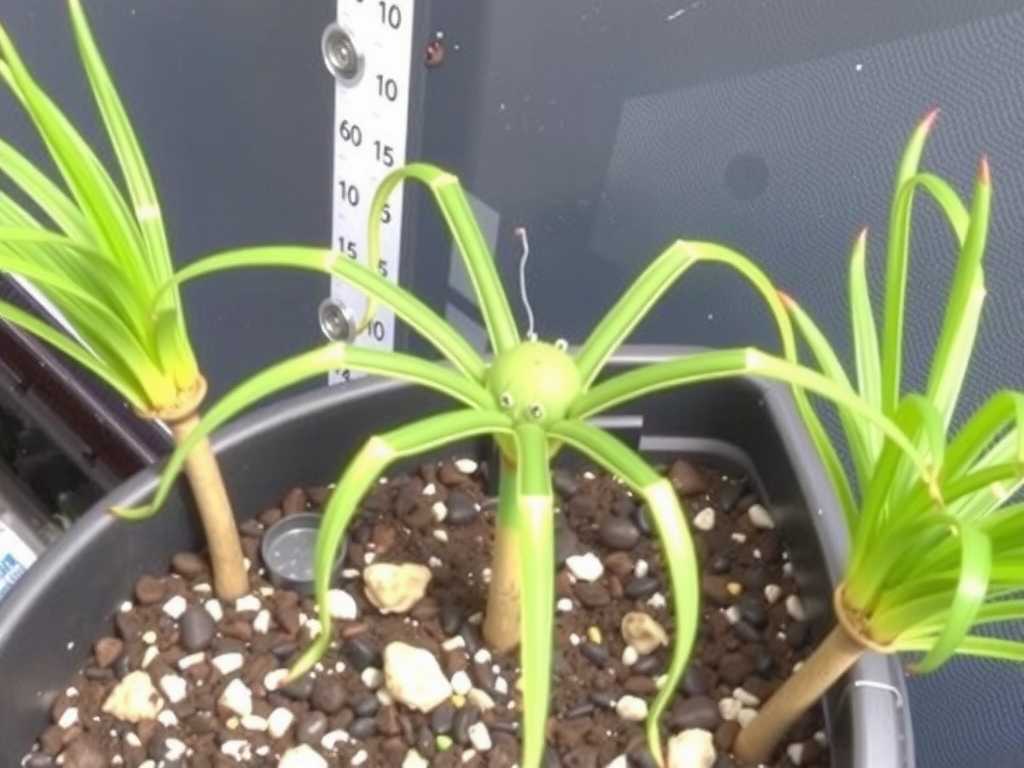
First, I had to choose the right product. I selected a water-soluble, balanced-but-low-nitrogen fertilizer with an N-P-K ratio of 2-4-4. This ensured a gentle but targeted dose of phosphorus and potassium. Before applying any fertilizer, I performed a crucial step: I thoroughly watered the plant with plain water until it drained from the bottom. This "pre-watering" prevents root burn by ensuring the soil is moist before introducing concentrated nutrients.
Following the package instructions for indoor plants, I diluted the fertilizer to half-strength. For autumn feeding, less is always more. I carefully poured the solution onto the soil, avoiding the center rosette of leaves, until it just began to drain. I placed the plant back in its spot with bright, indirect light—an east-facing window sill. I marked this day on my calendar and resolved to observe closely.
Days 1-7: The Initial Response
For the first few days, there was little visible change, which I expected. Nutrients work from the roots up. By day five, however, I noticed a subtle difference. The existing green stripes on the leaves appeared slightly more defined, and the foliage had a firmer, more turgid feel. There was no new leaf growth, which was actually a good sign—it meant the plant wasn't being pushed to produce soft, nitrogen-fueled leaves that would struggle in autumn light. Instead, the energy was going inward.
Week 2: Assessment and Course Correction
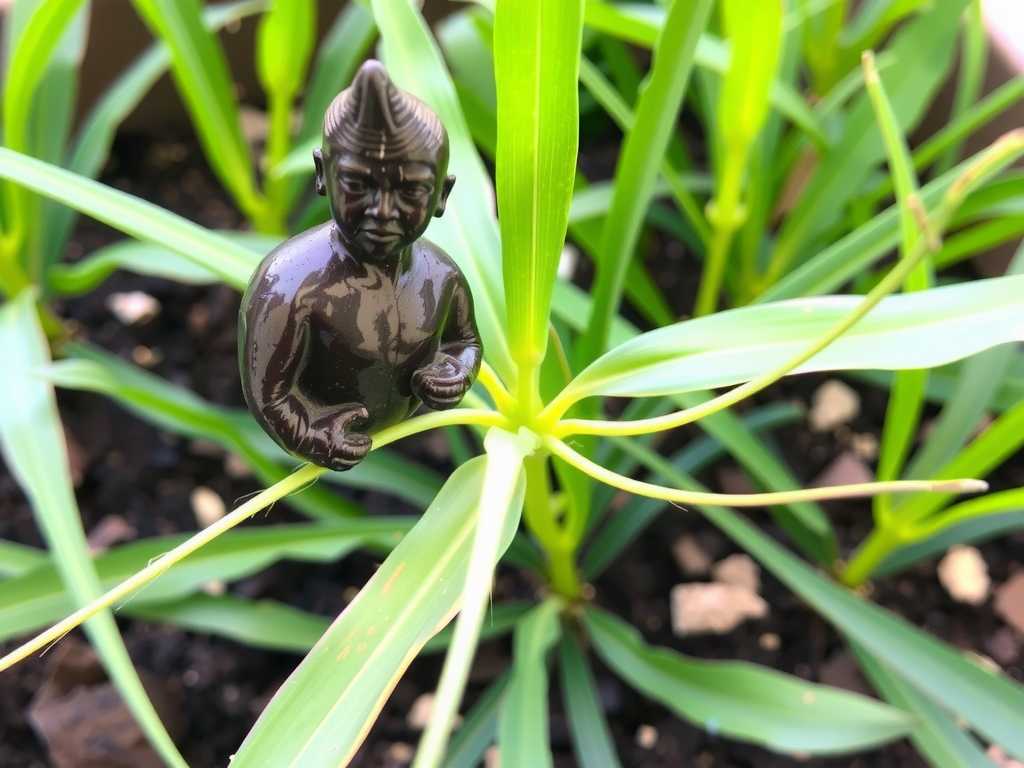
At the start of the second week, I inspected the plant thoroughly. Here, I encountered my first "pitfall." I noticed the very tips of two older leaves had developed minimal browning. Alarm bells rang—was this fertilizer burn? Upon closer investigation and cross-referencing with resources from the American Horticultural Society (AHS), I realized my error. The room's humidity had dropped significantly with the heating system coming on, and the browning was likely due to dry air exacerbated by the plant's increased metabolic activity from the fertilizer. The solution wasn't less fertilizer but better environmental care.
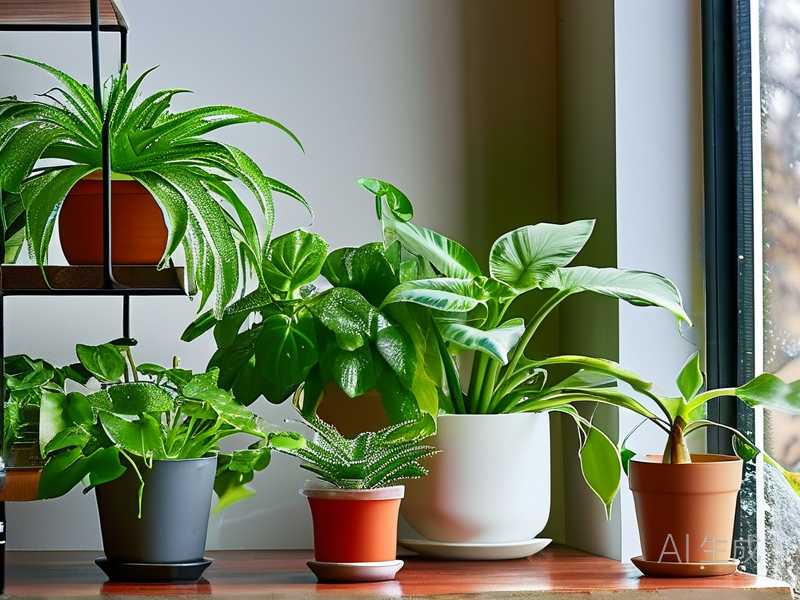
I placed a small humidifier near my plant collection and grouped it with other plants to create a microclimate. I also made sure the soil moisture was consistent, not letting it dry out completely. I did not apply more fertilizer; a single application every 4-6 weeks in autumn is my golden rule.
Days 8-14: Visible Strengthening
By the end of the two-week period, the positive effects were clear. The plant stood more upright. The existing offsets ("spiderettes") seemed sturdier on their stems. Most importantly, when I gently tugged at the base of the plant, it felt remarkably secure in its pot—a telltale sign of improved root anchorage. The minor leaf-tip browning had not spread. The plant looked robust, dense, and prepared, not actively growing but visibly fortified. This was the resilience I was aiming for.
The Pitfalls I've Learned to Avoid
My journey with high-phosphorus and potassium fertilizer application hasn't been without mistakes. Here are the key lessons:
- Over-application is the Root of All Evil: My biggest early mistake was thinking "if a little is good, more is better." This led to salt buildup in the soil, visible as a white crust on the soil surface and pot rim, and caused root damage. The fix was to "leach" the soil by running slow, steady streams of water through the pot for several minutes to flush out excess salts. Now, I always use half-strength doses in the off-season.
- Ignoring the Soil First: Fertilizer is not a cure for poor soil or incorrect watering. Applying it to bone-dry soil shocks the roots. Always water first. Similarly, if your plant is stressed from overwatering or pests, address that before even thinking about fertilizer.
- Neglecting the Environment: As my two-week experiment showed, fertilization doesn't happen in a vacuum. Lower autumn light and indoor heating create a different set of conditions. Pairing your autumn fertilizer routine with adjustments to light exposure and humidity is non-negotiable for success.
Optimizing Your Autumn Fertilizer Schedule
So, how often should you apply this specialized fertilizer? My practice, backed by consistent results, is simple. I begin my autumn regimen in late September or early October. I apply a half-strength, high-P-K fertilizer once. Then, I wait. I observe the plant and the light levels. For most indoor spider plants, a second application 4 to 6 weeks later, around late October or early November, is sufficient. By early December, I cease all fertilization until the following spring. This schedule provides the necessary support without overstimulating the plant during its natural slow-down period. The key is to think of it as a strengthening tonic, not a growth elixir.
How do I know if my spider plant needs a high-phosphorus fertilizer in autumn? Look for signs that active growth has slowed—no new plantlets or leaves—but the plant seems slightly lackluster. If it's been in the same pot for a while and the roots are likely established, an autumn boost focused on roots (phosphorus) and health (potassium) is beneficial. It's about preparation, not correction.
Can I use bloom booster fertilizer on my spider plant? Yes, with caution. Many "bloom booster" fertilizers are formulated with higher phosphorus (e.g., 10-30-20). This can be too strong. If you choose one, dilute it to a quarter or third of the recommended strength and use it only once during your autumn schedule. The goal is root and system support, not forcing flowers (which spider plants can produce, but aren't grown for).
What if I see no change after fertilizing in autumn? That's often the point. The primary benefits of using high-phosphorus fertilizer for spider plants in autumn are subterranean and systemic—stronger roots, stored energy, and improved resilience. A lack of negative reaction (like burning) and a general appearance of firm, healthy foliage are signs of success. The "change" is often the absence of decline through the winter.
The shift to autumn care is a testament to the gardener's understanding. By switching from a nitrogen-focused diet to a strategic high-phosphorus and potassium fertilizer application, you're not just feeding your spider plant; you're fortifying it. You're building a foundation of root strength and internal resilience that will carry it through the dimmer months in vibrant health. My two-week experiment reaffirmed that the most profound growth sometimes happens where we can't see it. This autumn, give your spider plant the thoughtful, tailored nutrition it deserves, and watch it thrive not just now, but well into the seasons to come.