bluename
 spider plant Repotting in Winter: Feasibility & Comprehensive Key Notes
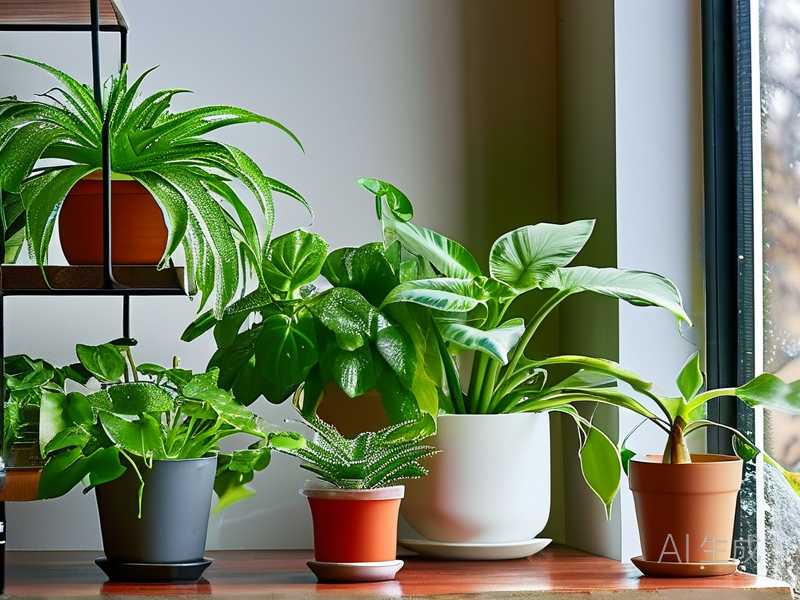
Is it safe to repot a spider plant in winter? This question haunted me every time I looked at my overgrown Chlorophytum comosum, spilling out of its pot like a green fountain. The conventional wisdom screams "don't repot in winter," but what if you have to? What if the roots are circling the bottom, threatening to strangle the plant itself? I decided to challenge the seasonal rulebook and document my own experiment with spider plant repotting in winter. This guide is born from that hands-on experience, detailing my precise steps, the critical two-week observation period, the mistakes I made, and how I navigated them to ensure my spider plant not only survived but thrived.
Why Even Consider Winter Repotting?
Let's be honest. We rarely plan for repotting. Often, it becomes an urgent intervention. For me, it was a combination of factors: the plant had clearly stopped growing, water was draining through the pot in seconds, and a dense mat of roots was visible at both the surface and drainage holes. According to the Royal Horticultural Society (RHS), while spring and summer are ideal, repotting can be done at any time if the plant is actively growing indoors under stable conditions. My spider plant, living in a consistently warm, bright bathroom, was still producing the occasional offshoot or "spiderette," a sign of slow but ongoing activity. This gave me the confidence to proceed, albeit with extreme caution.
My Step-by-Step Winter Repotting Process
I approached this not as a routine task, but as a surgical operation. The goal was minimal stress and maximum support for the plant during its dormant-season challenge.
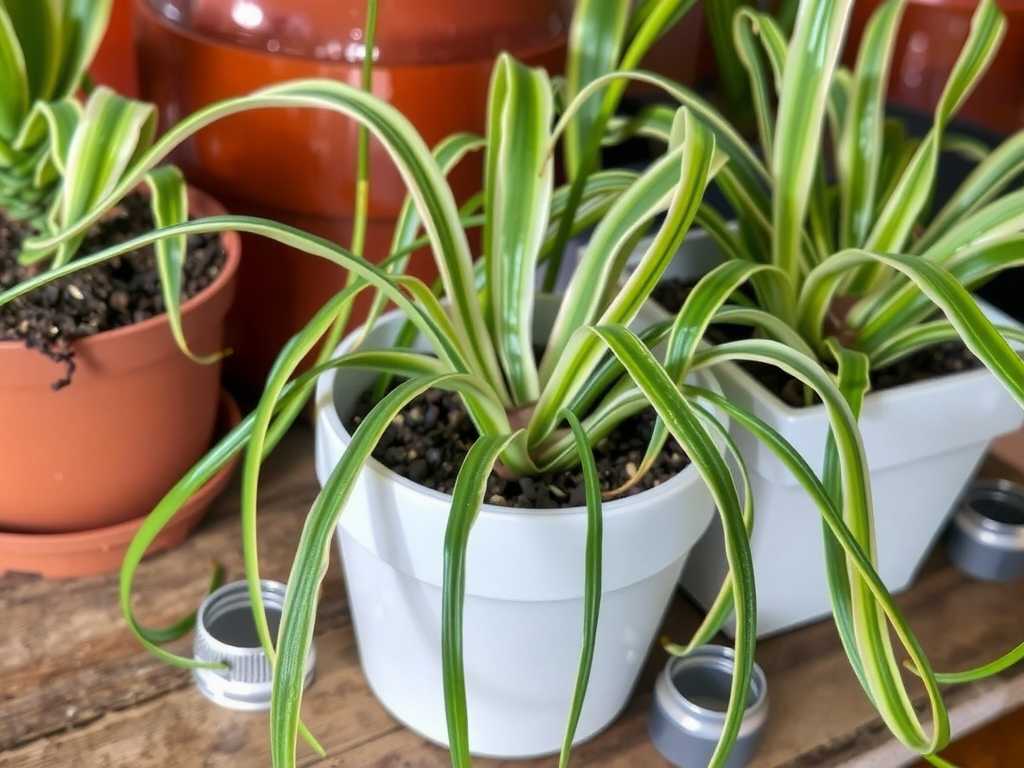
Gathering the Right Supplies First I learned the hard way that being unprepared is the first pitfall. I gathered everything in advance: a new pot only 1-2 inches wider in diameter than the old one (a deep terracotta pot for breathability), a premium, well-draining potting mix amended with extra perlite, clean and sharp scissors, a trowel, and a watering can with room-temperature water. Using a pot too large is a classic error; it holds excess moisture, a major risk in winter when evaporation is slow.
The Gentle Extraction and Root Audit I didn't water the plant for a week before the operation to make the root ball easier to handle. Tipping the pot sideways, I gently coaxed the plant out. The sight confirmed the need for action—a solid, white root mass in a tight spiral. Here, I followed the American Horticultural Society's (AHS) advice for root-bound plants: I did not aggressively tear the roots apart. Instead, I used my fingers to gently loosen the outer and bottom layers of the root ball. I made a few vertical cuts about an inch deep into the sides to encourage new outward growth.
Strategic Pruning and Fresh Soil Foundation I inspected the roots for any dark, mushy sections (there were a few) and snipped them off with sterilized scissors. I also trimmed any completely dried or dead foliage from the plant's top to balance the reduced root system. In the new pot, I placed a layer of fresh mix, positioned the plant so the soil line remained the same, and carefully filled in the gaps, tamping lightly to eliminate large air pockets. I resisted the urge to compact the soil heavily.
The Critical First Watering and Placement This was a crucial step. I gave the plant a thorough, deep watering until it ran freely from the drainage holes. This "settling in" water helps the new soil make contact with the roots. Then, I placed it back in its original location—the bright, indirect light of my bathroom window—avoiding any drastic change in its environment. I skipped fertilizer entirely; fresh soil has enough nutrients, and fertilizing a stressed plant in winter can burn tender roots.
The Two-Week Observation: A Diary of Recovery
The real test began after the repotting was done. I monitored my spider plant like a worried plant parent.
Days 1-3: The plant looked slightly wilted and shocked, which was expected. I kept the soil consistently moist but not soggy and ensured good air circulation. Days 4-7: The wilting stabilized. No further drooping occurred, which I took as a positive sign. I noticed the soil was staying moist for much longer than in its previous cramped pot, confirming the reduced water uptake of the disturbed roots. Days 8-14: This was the turning point. By the end of the second week, the foliage began to perk up and regain its trademark rigidity. Most importantly, I observed no yellowing leaves—a key indicator of overwatering or severe stress. The plant appeared to have halted its visible growth to focus energy below the soil, exactly what it needed to do.
The Pitfalls I Encountered and How I Solved Them
My journey wasn't perfectly smooth. I made one significant error that taught me a vital lesson.
The Overwatering Temptation: Around day five, fearing underwatering, I gave the plant a small extra drink. Soon after, the tips of two older leaves began to yellow. I had fallen into the classic winter repotting trap. The solution was immediate: I stopped watering and let the soil dry out more significantly between waterings. I also moved the plant to a slightly warmer spot (away from a drafty window at night) to aid evaporation. The yellowing did not spread, and the plant recovered.
The key takeaway? Winter repotting success hinges on mastering moisture. Your spider plant's water needs will plummet post-repot. Always check the soil 1-2 inches down—if it's damp, wait. It's better to err on the side of dryness.
Ensuring Your Spider Plant Thrives Post-Winter Repot
Success after the two-week mark requires continued vigilance. Maintain bright, indirect light and protect the plant from cold drafts or heating vents. Hold off on fertilizer until you see clear signs of new growth, likely in early spring. The most rewarding moment for me came about six weeks later, when a tiny new spiderette began to emerge, signaling that the plant was not just settled but happy.
Your Questions Answered
Can repotting in winter kill my spider plant? If done carefully with the right techniques, the risk is low for a healthy plant. The greater risk comes from post-repotting overwatering and cold shock. Mitigate this by using a well-draining mix, watering judiciously, and keeping the plant in a warm, stable spot.
What are the absolute signs my spider plant needs immediate repotting, regardless of season? If water sits on the surface or drains instantly, roots are growing out of the drainage holes or pushing the plant up, growth has completely stalled, or the pot cracks from root pressure, it's time to repot. These conditions are more harmful than a careful winter repot.
Should I divide my spider plant when repotting in winter? I would advise against it unless necessary. Dividing is more invasive and creates multiple plants with root systems to recover. If the plant is severely crowded, you can carefully separate a few offshoots with their own roots, but pot them separately and provide extra humidity (like a plastic bag tent) to support them through winter.
Repotting a spider plant in winter is a feasible task, but it demands a shift from a routine chore to a mindful rescue mission. It's about listening to your plant's urgent needs while respecting the season's challenges. By prioritizing a gentle hand, a perfectly sized new home, and, above all, disciplined watering, you can give your root-bound spider plant a new lease on life, even as the world outside rests. My own thriving plant, now pushing out vibrant new leaves, is a testament to the fact that with the right key notes for repotting spider plants in cold months, success is not just possible—it's predictable.