bluename
 spider plant care for Renters: Selection & Placement of Easy-to-Move Potted Plants
As a renter and a passionate plant enthusiast, I’ve faced the classic dilemma: how do I create a lush, green sanctuary in a space that isn’t truly mine? The fear of heavy pots damaging floors, the hassle of moving during lease renewals, and the limited light in many rental units can make plant parenting feel like a high-stakes gamble. That’s where mastering spider plant care for renters becomes not just a hobby, but a survival skill. This guide is born from my own trials, errors, and triumphs in cultivating a mobile indoor jungle, with the incredibly adaptable spider plant (Chlorophytum comosum) as our star tenant.
Why the Spider Plant is the Perfect Renter's Companion
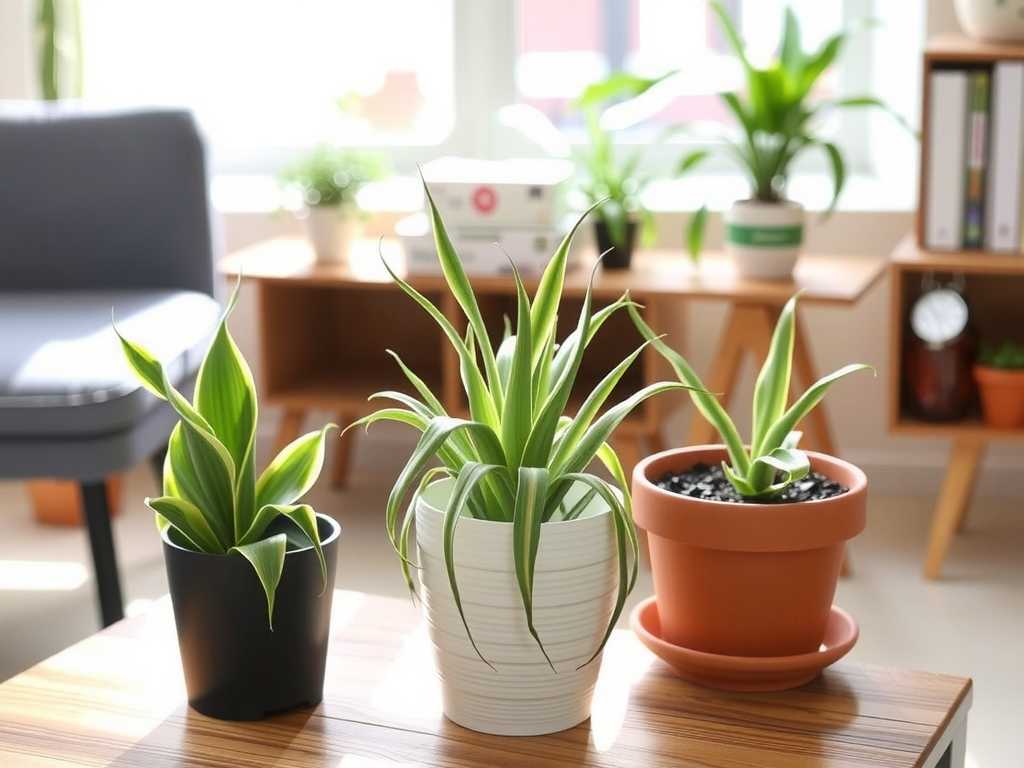
Before we dive into the specifics of easy-to-move potted plants, let’s talk about why the spider plant deserves top billing. According to the Royal Horticultural Society (RHS), spider plants are celebrated for their resilience and adaptability. They tolerate a wide range of conditions, from occasional forgetful watering to less-than-ideal light. But for us renters, their true superpower is their growth habit. They grow at a satisfying pace, producing cascading "pups" or plantlets that are easy to propagate, allowing you to expand your collection or share with neighbors without a major investment or permanent commitment.
My journey began with a single, vibrant variegated spider plant named Archie. I chose him specifically because everything I read, including insights from the American Horticultural Society (AHS), pointed to his low-maintenance and non-invasive root system—key for rental-friendly plant placement.
Step 1: Selecting the Right Spider Plant and Pot for Mobility
The first step in successful spider plant care for renters isn’t just about the plant; it’s about the foundation. I learned this the hard way.
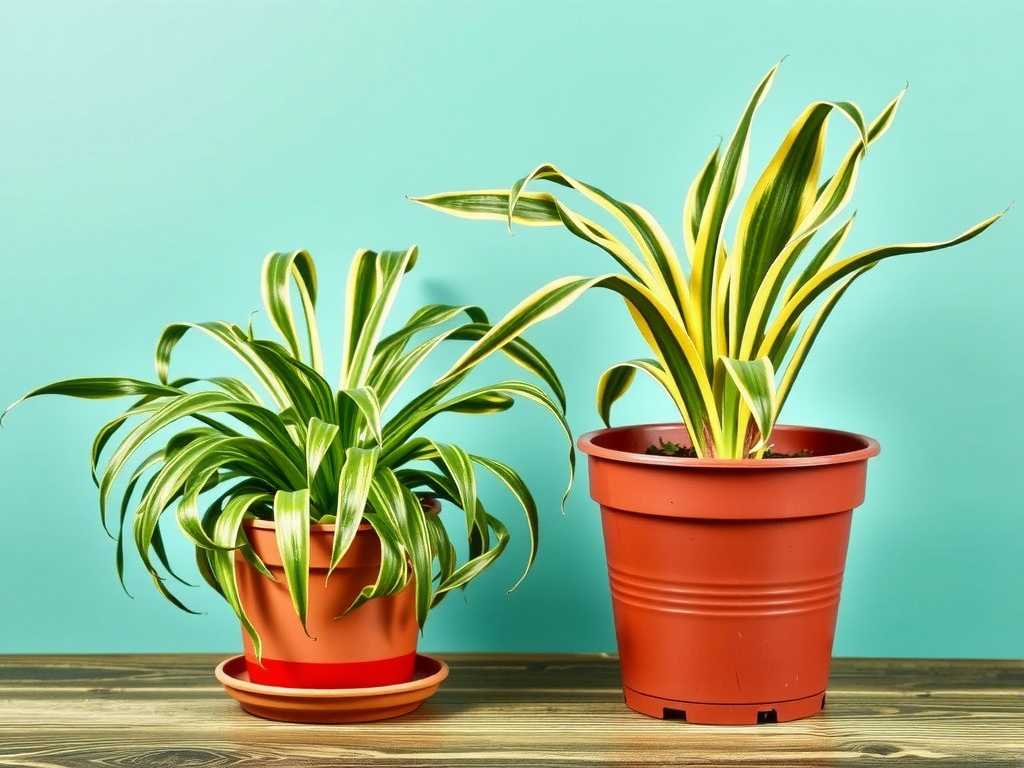
The Plant Selection: Visit a local nursery and look for perky, firm leaves with strong color. Avoid plants with brown tips (often a sign of fluoride sensitivity or dry air) or pale, leggy growth (indicating low light). I started with a healthy medium-sized plant. It was manageable but promised growth.
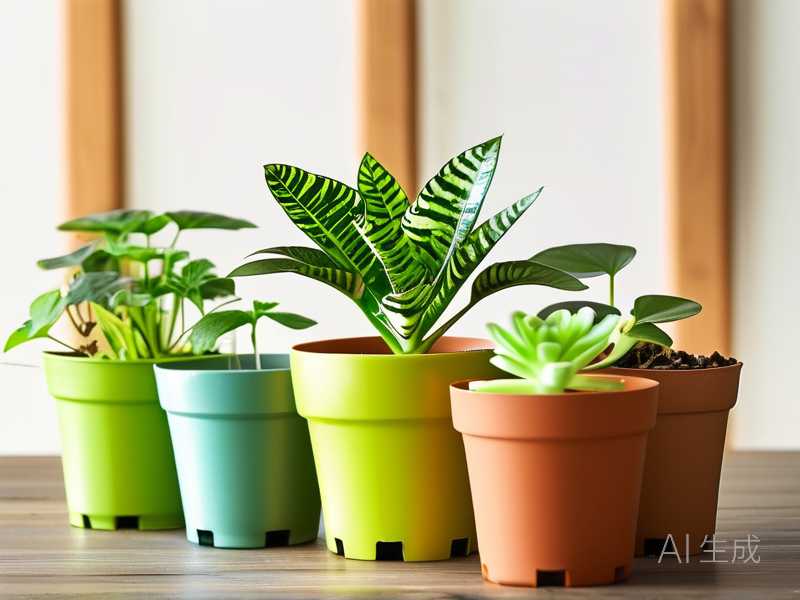
The Pot Strategy – My Biggest Initial Mistake and Fix: Here’s my first major pitfall. I planted Archie in a beautiful, large, heavy ceramic pot, thinking he’d appreciate the space. It was a nightmare to move for cleaning or when I needed to rearrange furniture. The solution? A lightweight, durable plastic or composite pot. I switched to a sleek, lightweight pot with ample drainage holes. Then, I placed this functional pot inside a more decorative cache pot (a decorative outer pot without holes). This "pot-within-a-pot" method is a game-changer for easy-to-move potted plants. You can easily lift the lighter inner pot for watering, draining, or relocation, while the decorative cache pot stays put, protecting your surfaces.
For optimal mobility, I also invested in two simple tools:
- Plant Coasters with Casters: Small, discreet rolling coasters that slide under your cache pot. A gentle nudge and your plant glides across the floor without scratching it.
- Felt Pads: Stick these on the bottom of any pot or cache pot to prevent scratches and make sliding easier.
Step 2: Strategic, Rental-Safe Placement for Thriving Plants
Placement is where rental-friendly plant placement meets plant health. You need to consider light, aesthetics, and your landlord’s property.
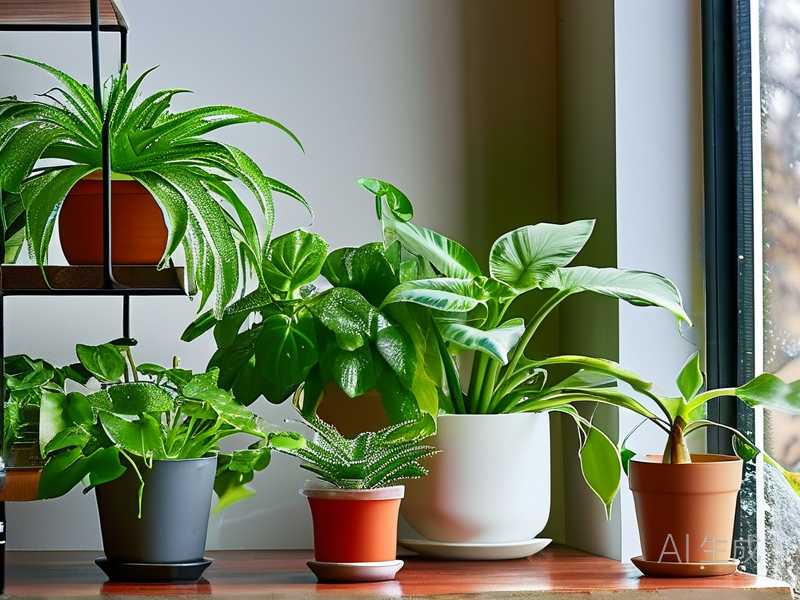
Lighting Logistics: Spider plants prefer bright, indirect light. A north or east-facing window is ideal. My rental apartment has a deep living room with only one south-facing window. Direct sun scorched Archie’s leaves within days, causing brown, crispy patches. I moved him about 5-6 feet back from the window, where he receives plenty of ambient light without the harsh direct rays. He perked up almost immediately. If your space is dim, consider a compact LED grow light—they’re renter-friendly, energy-efficient, and can be clipped onto a shelf.
Space-Saving and Safe Placement Ideas:
- Hanging from Ceiling Hooks: Using a lightweight plastic hanging basket, I suspended a spider plant pup in my kitchen window. Most rental agreements allow for small hook holes that are easily spackled upon move-out. It’s a zero-floor-space solution.
- High Shelves & Bookcases: Placing plants up high keeps them out of the way and utilizes vertical space. Ensure the shelf is sturdy and use a waterproof saucer underneath the inner pot to prevent water damage.
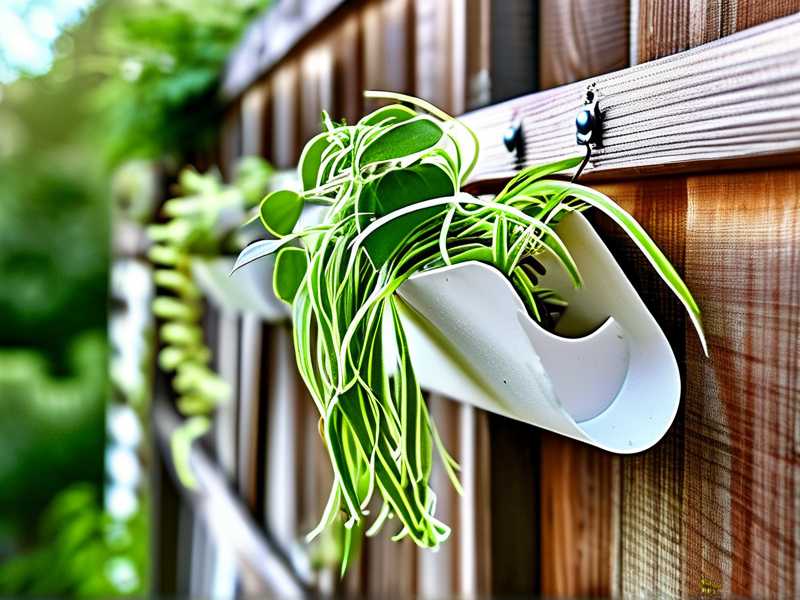
- Wall-Mounted Planters: There are fantastic renter-friendly wall mounts that use adhesive strips rated for weight. I tested one with a small spider plant for two weeks on a painted wall. It held securely, and when removed following the instructions, it left no mark.
My 2-Week Observation: The Transformation of Archie
After implementing these steps—repotting into a lightweight system, finding the perfect indirect light spot, and placing him on a caster coaster—I monitored Archie closely for two weeks.
Week 1: The initial shock of repotting caused a slight droop for about two days. I kept the soil moderately moist but not soggy. By day four, the leaves regained their trademark arch and stiffness. The brown tips from his previous life stopped progressing.
Week 2: This is where the magic happened. I noticed a new, bright green shoot emerging from the center of the plant. Not just a leaf, but the beginning of a flowering stem that would soon produce spider plant babies! The variegation on his leaves became more pronounced and vibrant under the consistent indirect light. Most satisfyingly, when I needed to deep clean my floor, I simply rolled him into another room with a gentle push. No back strain, no floor scratches.
Troubleshooting: Common Pitfalls and How I Solved Them
Pitfall 1: Brown Leaf Tips. This is extremely common. My tap water, high in fluoride and chlorine, was the culprit. The RHS confirms this sensitivity.
- My Solution: I started watering with distilled water or plain tap water that I’d left out in an open container for 24 hours to allow some chemicals to dissipate. The rate of new brown tips reduced dramatically.
Pitfall 2: The Plant Becomes Top-Heavy and Tips. As spider plants mature and produce long runners with pups, they can become unbalanced, especially in lightweight pots.
- My Solution: I use two methods. First, I occasionally rotate the pot to ensure even growth. Second, I propagate the pups! I snip them off, root them in water (a charming process to watch), and then pot them. This keeps the mother plant manageable and gives me new, small plants to place around my rental.
Pitfall 3: Roots Outgrowing the Pot (But I Don't Want a Bigger, Heavier Pot!). Spider plants are vigorous growers and can become root-bound.
- My Solution: Instead of constantly up-potting into larger containers, I practice "root pruning." Every 12-18 months, I gently remove the plant, shake off old soil, and use clean scissors to trim away up to one-third of the outer and bottom roots. I then refresh the soil and repot it in the same container. This controls size without stunting the plant's health.
Frequently Asked Questions by Fellow Renter Gardeners
Can I use command hooks or strips to hang my spider plant? Yes, but choose wisely. Use the hooks designed for higher weights and follow the application instructions precisely—clean the surface, apply pressure, and wait the full recommended time before hanging. I’ve had success with the metal hook varieties for pots under 2-3 pounds (like a small plastic pot with a young spider plant). Always test in an inconspicuous area first.
How often should I really water my spider plant in a low-light rental? Forget a fixed schedule. The golden rule I follow is the "finger test." Insert your finger about an inch into the soil. If it feels dry, it’s time to water thoroughly until water runs out the drainage holes. In my moderately lit living room, this typically means watering every 10-14 days in winter and 7-10 days in summer. Overwatering is a far greater danger than underwatering for these plants.
What are the best non-toxic, renter-friendly ways to deal with pests? Spider plants are relatively pest-resistant, but I once fought a minor bout of aphids. I avoided harsh chemical sprays. My effective, landlord-friendly remedy was a simple spray bottle mix: one liter of warm water, one teaspoon of mild liquid soap (like Castile soap), and a few drops of neem oil. I sprayed the leaves (especially underneath) every 3-4 days for two weeks, wiping them gently. The pests were gone, and the plant was unharmed.
Creating a green, thriving space in a rental is absolutely possible. It requires a shift in thinking—prioritizing mobility, adaptability, and the well-being of both your plants and your temporary home. By choosing a resilient specimen like the spider plant, employing smart potting and placement strategies, and learning from small setbacks, you can build a beautiful, flexible indoor garden that moves with you. Start with one plant, apply these lessons, and watch your confidence—and your collection—grow, one easy-to-move pot at a time.