bluename
 spider plant Repotting in Spring: New Pot Selection (Size vs. Material)
Spring is finally here, and my spider plants are sending out a clear signal: it's time to move. Their roots are peeking out of the drainage holes, and growth has noticeably slowed. I know repotting is the answer, but the real question that stumps so many plant lovers is this: What pot should I choose? The dilemma between finding the perfect pot size and the ideal pot material is real. Getting it wrong can mean stunted growth or, worse, root rot. After years of trial and error with my own collection, I've learned that spider plant repotting in spring hinges on this critical decision. Let me walk you through my latest repotting project, sharing exactly what worked, what didn't, and how my plants fared over two weeks.
Why Spring is the Perfect Time for Repotting
Spider plants, like most houseplants, enter their prime growing season as daylight increases and temperatures warm. This period of active growth means they can recover quickly from the minor stress of repotting and immediately use the fresh space and nutrients. Repotting in spring sets them up for a spectacular season of producing those coveted spiderettes. I always mark my calendar for early to mid-spring, once I'm sure the risk of cold drafts has passed.
The Great Pot Debate: Size First, Material Second
Before you even look at materials, you must get the size right. This is the most common mistake I see.
The Goldilocks Principle: Not Too Big, Not Too Small
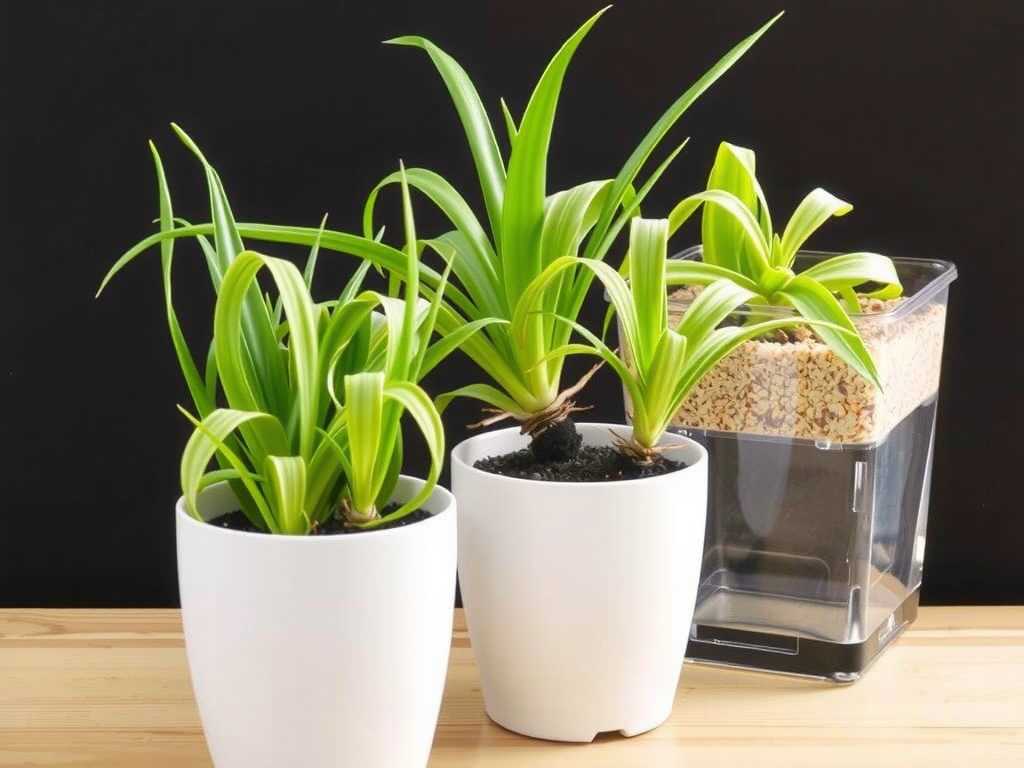
My rule of thumb, supported by the American Horticultural Society's guidelines on repotting, is to increase the pot diameter by only 1 to 2 inches (2.5 to 5 cm) at a time. A pot that's too large holds excess soil that stays wet for too long, creating a soggy environment where spider plant roots—which are thick and water-retentive themselves—can suffocate and rot.
For my mature spider plant, which was bursting from a 6-inch pot, I selected a new pot with an 8-inch diameter. This provides just enough new room for growth without drowning the roots in soil. For a smaller pup I was also potting, I chose a cozy 4-inch pot to start.
Reading the Roots: Your Plant Will Tell You
During repotting, I gently teased the root ball apart. A healthy spider plant ready for repotting will have a dense, white network of roots, possibly even circling the bottom. If the roots are only loosely filling the soil, it might not need a larger pot yet—a simple refresh of the soil in the same pot could suffice.
Choosing the Right Pot Material for Your Spider Plant
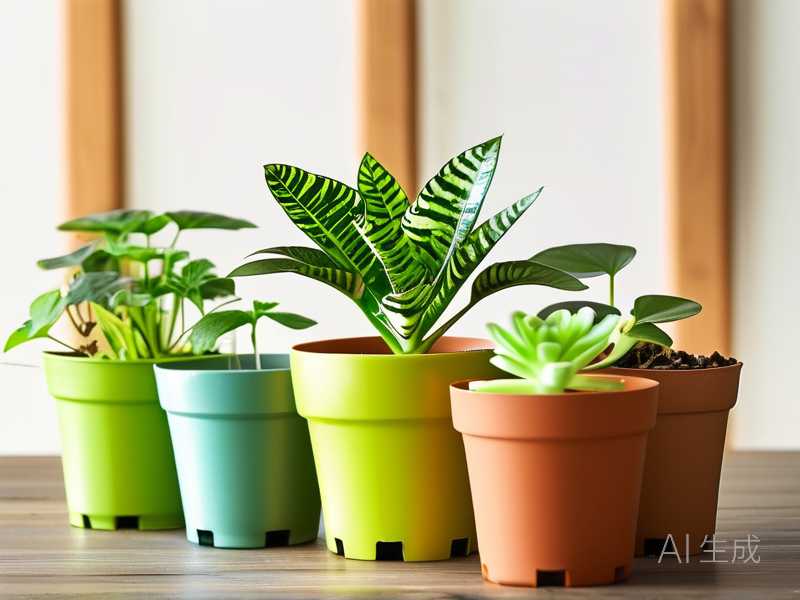
Once size was determined, I evaluated materials. I tested two side-by-side to compare.
1. Terracotta: The Breathable Classic I repotted my main spider plant into a standard, unglazed terracotta pot. The porous nature of clay allows air and moisture to pass through the walls, promoting evaporation and preventing soil from staying waterlogged. This is excellent for preventing overwatering, a key concern for many plant parents. According to insights from the Royal Horticultural Society, terracotta is ideal for plants that prefer drier conditions, and spider plants certainly appreciate drying out between waterings.
- My Experience: The plant settled in well. The soil dried evenly. However, I noted that in my moderately dry home, I had to check moisture a bit more frequently, as terracotta can dry the soil faster than plastic.
2. Plastic: The Lightweight & Moisture-Retentive Option The spiderette went into a durable plastic pot with excellent drainage holes. Plastic is non-porous, so it retains moisture much longer. This can be a benefit if you tend to underwater or have a very sunny, warm spot.
- My Experience: I was extra cautious with watering. I used a moisture meter to ensure the top few inches of soil were dry before adding water. The plant showed no signs of stress, and the soil moisture was consistent.
Other Materials:
- Ceramic (Glazed): Often beautiful, but ensure it has a drainage hole. It behaves similarly to plastic but is heavier and more stable.
- Fabric Pots: Highly breathable, promoting air-pruning of roots. I find them less practical for indoor use but excellent for root health.
My Step-by-Step Repotting Process
Here is the exact process I followed, a ritual refined by past mistakes.
- Preparation: I gathered my new pots, a bag of high-quality, well-draining potting mix (I used a blend with peat, perlite, and compost), a trowel, scissors, and a watering can. I placed newspaper on my workspace to contain the mess.
- The Gentle Exit: Instead of pulling the plant by its leaves, I tipped the old pot sideways and gently squeezed or tapped it to loosen the root ball. The spider plant slid out smoothly.
- Root Inspection & Pruning: I carefully loosened the outer roots with my fingers. I spotted a few brown, mushy roots—a sign of past overwatering. Using clean, sharp scissors, I snipped these away. I also trimmed any excessively long, circling roots to encourage new growth outward.
- Potting Up: I placed a layer of fresh potting mix in the bottom of the new pot. I centered the spider plant, ensuring it would sit at the same soil level as before—not deeper. Planting too deep can lead to stem rot. I filled in around the sides with more mix, gently firming it down to eliminate large air pockets.
- The First Water: I gave the plant a thorough, deep watering until water flowed freely from the drainage hole. This helps settle the soil around the roots. I let it drain completely in the sink before placing it back in its bright, indirect light location.
The 2-Week Observation: Triumphs and a Minor Scare
Week 1: The Adjustment Period For the first 3-4 days, both plants looked a little droopy—a normal sign of transplant shock. I kept them in their usual bright, indirect light and resisted the urge to water again. The soil in the terracotta pot dried out noticeably by day 5, while the plastic pot's surface still felt cool and slightly damp. I watered the terracotta pot on day 6, but held off on the plastic one.
Week 2: Signs of Success and a Lesson Learned By the start of the second week, the droopiness was gone. The main plant in the terracotta pot perked up beautifully and even showed a hint of new, bright green growth at its center. The spiderette in the plastic pot, however, developed a single yellowing leaf at the base.
This was my "uh-oh" moment—a classic pitfall I've faced before. I immediately checked the soil: it was still moist an inch down. The combination of a less established root system and the moisture-retentive plastic meant I had overestimated its water needs. I removed the yellow leaf and withheld water for another full week. The plant stabilized, and no other leaves yellowed.
Common Repotting Pitfalls and How I Fixed Them
Pitfall 1: The Oversized Pot. In my early days, I put a small spider plant in a huge pot, thinking it would grow into it. The soil stayed wet for weeks, leading to root rot. Solution: Always follow the 1-2 inch rule. It's better to repot more frequently than to give too much space.
Pitfall 2: Ignoring Drainage. I once used a gorgeous ceramic pot without a hole, relying on a layer of rocks at the bottom. This is a myth; water still pools at the roots ("perched water table"). The plant declined rapidly. Solution: Only use pots with drainage holes. Always.
Pitfall 3: Watering on a Schedule Post-Repot. Watering the same way as before repotting is a mistake. Fresh soil and a new pot material change drying rates. Solution: Ditch the schedule. Use your finger or a moisture meter to check the soil's dryness before each watering.
Your Spider Plant Repotting Questions, Answered
How do I know if my spider plant is root-bound? Look for roots growing out of the drainage holes, a root mass that holds the shape of the pot tightly, or slowed growth despite proper care. When you water, does it run straight through? That can also indicate more roots than soil.
Can I use regular garden soil for repotting? I strongly advise against it. Garden soil is too dense for containers, compacts easily, and doesn't drain well. It can also harbor pests. A light, airy, peat or coir-based potting mix designed for indoor plants is a much safer and more effective choice.
Should I fertilize right after repotting? No. Fresh potting mix often contains slow-release nutrients. Fertilizing immediately can overwhelm the roots, especially if they have minor damage from repotting. I wait at least 4-6 weeks after repotting before resuming a half-strength fertilizer routine during the growing season.
Choosing the right container for spider plant repotting in spring isn't just about aesthetics; it's a foundational decision for your plant's health. By prioritizing a modest pot size increase and selecting a material that complements your watering habits, you give your spider plant the best possible fresh start. Watching my own plants thrive—and quickly recovering from a minor watering misstep—over these past two weeks reaffirms that a little knowledge and observation go a long way. Now, with their roots happily settled in their new homes, I’m eagerly waiting for the first new spiderettes to appear.