 admin
admin Spider Plant Shading in Summer: Shading Measures for Different Time Periods
As a dedicated plant enthusiast, I’ve learned that summer can be a surprisingly tricky season for our resilient spider plants. We often think of them as indestructible, but intense, direct summer sun is their kryptonite. I’ve seen too many leaves turn pale, develop brown, crispy tips, or even bleach entirely—a clear sign of sunburn and stress. The key isn't just to provide shade, but to understand when and how to shade them effectively throughout the long summer days. This guide is born from my own two-week experiment, where I tested specific shading strategies for different times of the day to find the perfect balance of light and protection for my Chlorophytum comosum.
Understanding the Spider Plant’s Light Needs and Summer Stress Signals
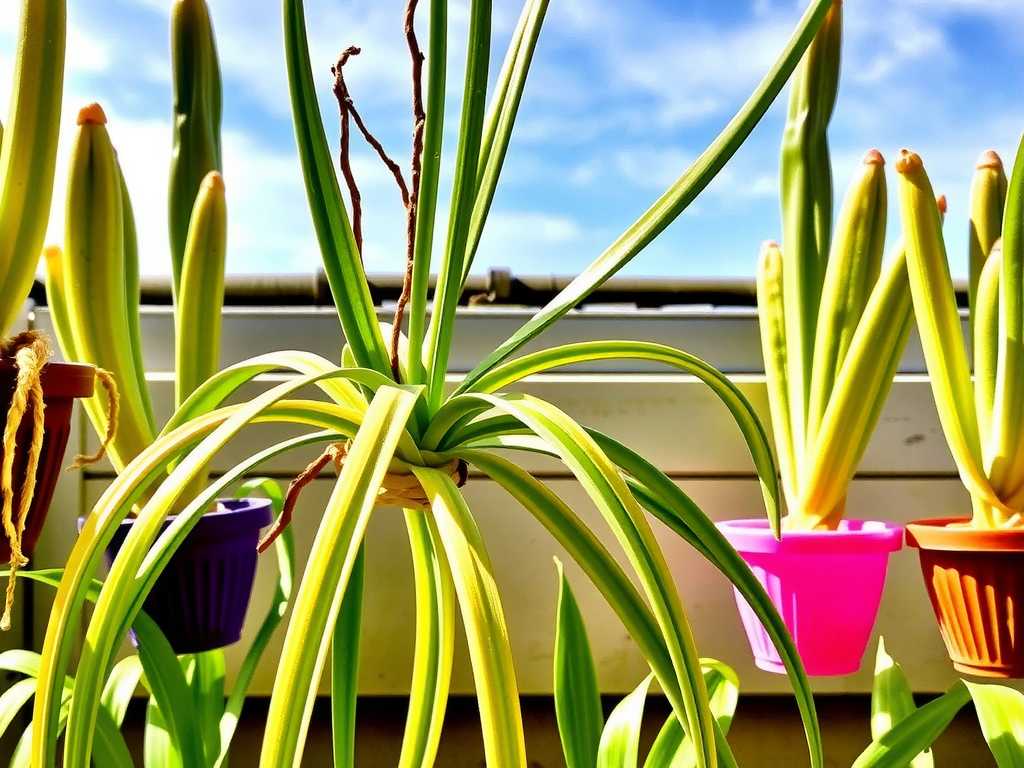
Spider plants thrive in bright, indirect light. In their natural habitat, they’re often understory plants, receiving dappled sunlight. Direct morning or late afternoon sun is usually tolerated, but the harsh, midday summer sun is a different beast. According to the Royal Horticultural Society (RHS), spider plants exposed to excessive direct sunlight will exhibit scorched leaves, a loss of variegation in striped varieties, and slowed growth.
My own plants started showing these classic signs last July. The tips were browning despite consistent watering, and the vibrant green stripes on my ‘Vittatum’ were looking washed out. I realized a one-size-fits-all shading approach wasn't working. My west-facing balcony exposed them to a brutal afternoon onslaught. That’s when I decided to get systematic and document a two-week intervention, focusing on period-specific shading techniques.
My Two-Week Shading Experiment: A Step-by-Step Diary
I selected three identical, mature spider plants in hanging baskets. All were healthy but beginning to show early signs of light stress. My goal was to implement and observe shading measures tailored to morning, midday, and afternoon periods.
Week 1: Establishing the Routine and Initial Observations
Day 1-3: Setting Up Time-Based Zones My first step was implementing strategic shade for spider plants. I divided my balcony into three light zones:
- Morning Sun Zone (6 AM - 11 AM): Here, I placed Plant A. I used a 30% density shade cloth stretched on a lightweight frame, positioned to filter the direct eastern sun but still allow plenty of bright light.
- Midday Refuge Zone (11 AM - 3 PM): This was the hottest, brightest period. For Plant B, I employed adjustable shading solutions for intense afternoon heat. I moved it to a spot behind a larger, sun-loving shrub (a bougainvillea), which created natural, dappled shade during peak hours.
- Afternoon Protection Zone (3 PM - 7 PM): Plant C remained in its original west-facing spot. I installed a retractable bamboo screen that I could roll down precisely when the direct western sun hit the leaves.
Every day, I watered only when the top inch of soil was dry and monitored leaf color, firmness, and new growth.
Day 4-7: First Results and a Major Hiccup By Day 4, I noticed immediate improvements. Plant B (midday refuge) showed the most dramatic halt in further tip-browning. Plant C (bamboo screen) looked perkier in the evenings. However, Plant A (morning shade cloth) seemed… sluggish. The new shoots, or spiderettes, weren’t emerging as vigorously.
The First "Gotcha": I had over-shaded Plant A. A 30% cloth combined with the angle of my balcony made it too dark. The American Horticultural Society’s (AHS) heat zone map reminded me that light is still energy for growth. I swapped the 30% cloth for a much lighter, 15% density one. This was my lesson: morning light management for healthy spider plants is about filtering, not blocking.
Week 2: Refinement and Clear Outcomes
Day 8-14: Adjusting and Thriving With the lighter shade cloth for Plant A, the balance was found. All three plants were now on a precise regimen:
- Morning: Gentle filtration for Plant A.
- Midday: Deep, dappled shade for Plant B.
- Afternoon: Physical barrier against scorching rays for Plant C.
The results after the full two weeks were convincing:
- Leaf Health: All existing leaves stopped developing new brown tips. The pale, washed-out color on Plant C began to deepen back to a healthier green.
- Growth: New leaf growth was evident on all plants, but most notably on Plant B. The spiderettes on Plant A started growing again at a normal pace.
- Overall Vigor: The plants simply looked less stressed—leaves were turgid, arches were graceful, not wilted.
The Pitfalls I Encountered (And How You Can Avoid Them)
My experiment wasn’t without its stumbles. Here’s what went wrong and how I fixed it:
- The Over-Shading Mistake: As mentioned, my initial shade cloth was too dense. Solution: Use the lightest possible shading material first. You can always add a layer, but too little light will stunt growth. Observe your plant’s growth response over 3-4 days.
- Ignoring Heat Radiation: I initially placed Plant C’s bamboo screen directly against the pot. The trapped heat behind it created a mini-oven. Solution: Ensure any shading screen or barrier is at least 6-12 inches away from the plant to allow for air circulation. This is crucial for preventing sunburn on spider plant foliage.
- Inconsistent Scheduling: I forgot to roll down the bamboo screen one afternoon, and Plant C got a 2-hour direct blast. The next day, a small bleached spot appeared. Solution: Consistency is key. I set a phone reminder for 2:45 PM daily. Consider automated solutions like a simple pulley system or smart home-controlled shades if this is a chronic issue.
Optimal Shading Strategies by Time of Day
Based on my experience, here’s a practical breakdown:
Gentle Morning Filtering (Pre-11 AM) Morning sun is less intense and often beneficial. Use a sheer curtain, a light shade sail, or position the plant where it receives direct sun only before 11 AM. The goal is to soften, not eliminate.
Aggressive Midday Defense (11 AM - 3 PM) This is the most critical period for summer spider plant care. Move plants back from south or west-facing windows. Use other plants to create living shade, or employ a 40-50% density shade cloth if the plant must stay in a bright location. A north-facing patio or a few feet back from a sunny window is ideal.
Barrier-Based Afternoon Protection (3 PM Onward) The western sun is intense and drying. Physical barriers like blinds, movable screens, or even a strategically placed piece of furniture work best. The focus here is on blocking the direct line of fire from the sun’s low angle.
Do spider plants need direct sun at all in summer? Generally, no. They will grow more than adequately in bright, indirect light all season long. Direct summer sun, especially in hotter climates, poses more risk than benefit. If you want to give them some direct light, limit it to the very early morning.
Can I just use a sunscreen spray for my plants instead of shading? While anti-transpirant sprays exist, they are not a substitute for proper shading. The RHS advises that these sprays can sometimes interfere with the plant’s natural respiration if overused. Physical shade management is a more reliable and natural method for protecting spider plants from harsh sunlight.
My spider plant already has sunburned leaves. What should I do? The damaged tissue will not recover. Using clean, sharp scissors, you can trim the brown tips or remove entirely scorched leaves at the base. This improves appearance and allows the plant to redirect energy to new, healthy growth. Focus on perfecting your shading strategy to prevent new damage.
Finding the right summer shading rhythm for your spider plant is an act of observation and slight adjustment. It’s not about hiding them in the dark but about being a thoughtful guardian against the sun’s most aggressive hours. By tailoring your approach to the time of day—gentle filtering in the morning, creating refuge at midday, and erecting barriers in the afternoon—you’ll be rewarded with a plant that remains vibrant, lush, and actively growing all summer long. The proof was in the recovery of my own plants over those focused two weeks, moving from stress to undeniable health.
发表评论