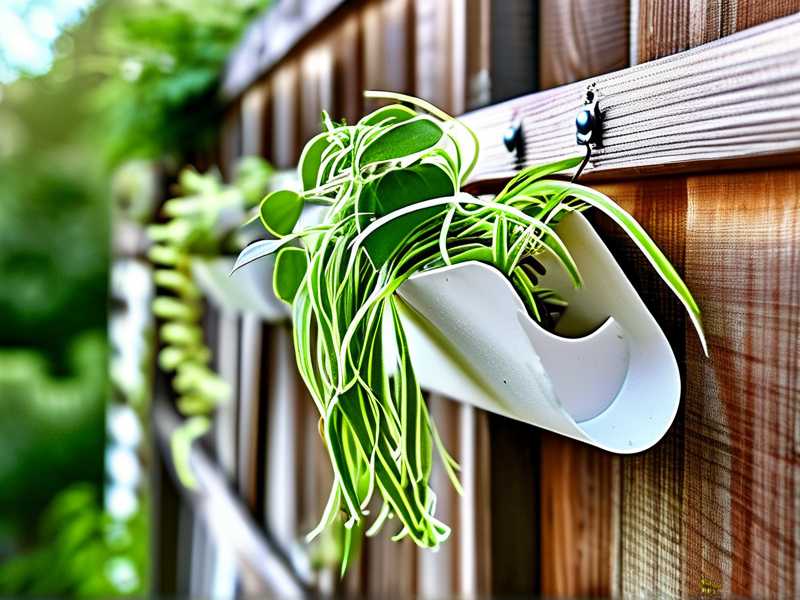
bluename
 spider plant Pruning in Autumn: Thinning Shoots in Preparation for Winter
I’ve always believed that autumn is a season of preparation, not just for us, but for our leafy companions. For years, my beloved spider plants would limp into winter looking tired, leggy, and occasionally sporting a few sad, brown-tipped leaves. It wasn't until I mastered the specific art of spider plant pruning in autumn that I saw a dramatic shift. This isn't just about snipping off dead ends; it's a strategic thinning of shoots to channel the plant's energy inward, building resilience for the colder months ahead. If you've ever wondered why your spider plant seems less vibrant after winter, or how to manage that jungle of baby plantlets (spiderettes), this guide is born from my own trial, error, and ultimate success.
Why Autumn Pruning is Non-Negotiable for Spider Plants
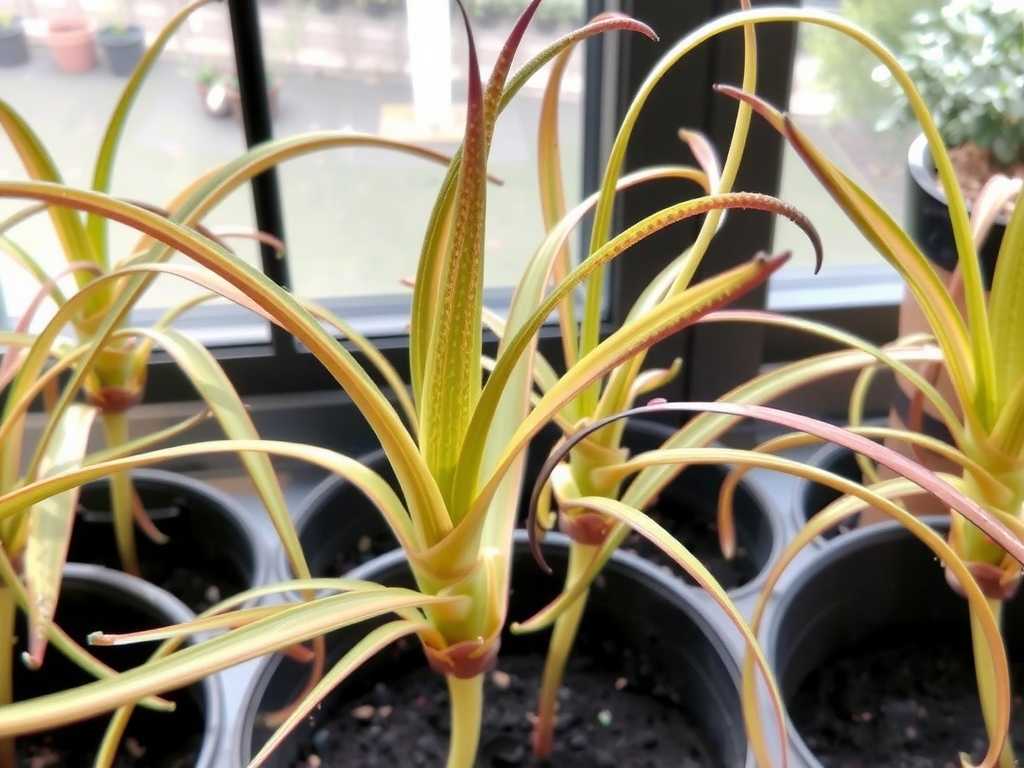
As daylight wanes and indoor heating systems kick on, our spider plants undergo a subtle but significant change. Their growth naturally slows. According to the Royal Horticultural Society (RHS), this period of reduced growth is the ideal time for pruning many houseplants, as it minimizes stress and directs energy to root health and existing foliage. Think of it like this: a plant trying to sustain too many long, thin shoots and numerous offspring over winter is like running a marathon on a limited calorie intake. Preparing spider plants for winter through selective pruning ensures they aren't wasting precious resources on growth they can't support in low-light conditions.
My own "aha!" moment came after reading an article referencing the American Horticultural Society's (AHS) emphasis on "plant hygiene." Removing crowded or weak growth before winter isn't just cosmetic; it improves air circulation, reduces hiding spots for pests (a common issue in dry, heated homes), and allows the plant's core to receive better light. This proactive autumn care for spider plants sets the stage for a robust spring comeback.
My Step-by-Step Process for Thinning Spider Plant Shoots
Gathering my tools is always the first ritual. I ensure my pruning scissors are sharp and sterilized with a bit of rubbing alcohol. Clean cuts heal faster and prevent disease transmission. Here is the exact process I followed this past autumn.
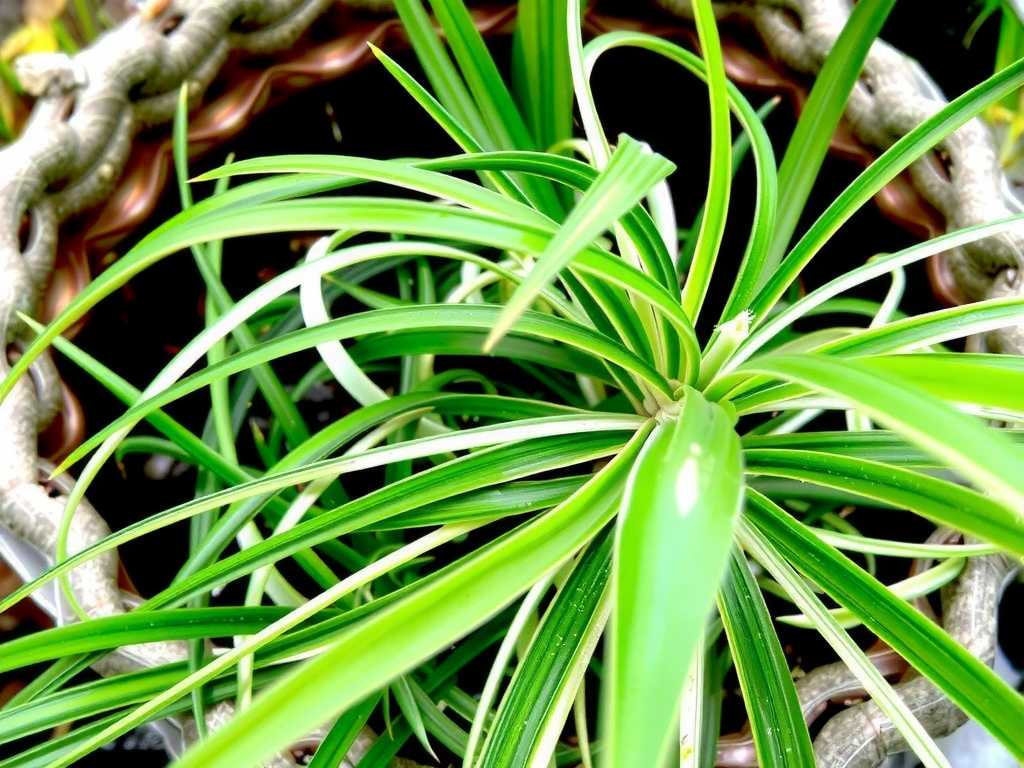
First, I performed a thorough assessment. I placed my spider plant on the kitchen table under good light and simply observed. I looked for the obvious: any completely brown or yellow leaves. But more importantly, I looked for congestion. Which shoots were crisscrossing? Which baby plantlets looked underdeveloped or were crowding the main plant? My goal for this spider plant maintenance session was thinning, not shearing.
The actual pruning followed a clear hierarchy. I started by removing any damaged or diseased foliage at the base. Next, I targeted the oldest, outermost leaves that were beginning to look tired or slightly discolored. This is a natural renewal process. Then came the core task: thinning out spider plant runners.
Not all runners (the long stems bearing plantlets) need to go. I selected for removal the ones that were spindly, had very small spiderettes, or originated from a overly crowded part of the crown. I cut these runners off completely, as close to the base of the mother plant as possible. For healthy runners with robust plantlets I intended to keep, I simply trimmed them back, leaving just one or two strong babies on a shorter stem. This dramatically reduced the overall "sprawl" of the plant.
Finally, I addressed the center. I gently separated some of the tightly packed shoots at the soil line, removing a few of the weakest to open up the plant's heart. This allows light and air to penetrate, discouraging rot. After pruning, I gave the leaves a gentle wipe with a damp cloth to remove dust, maximizing their light-gathering efficiency before the dark winter.
The Two-Week Observation: What Actually Happened
The immediate aftermath looked a bit stark, I'll admit. My once-bushy plant appeared smaller and more open. But within days, I noticed positive signs.
Days 1-3: The plant showed no signs of shock. No additional yellowing or drooping occurred. The remaining leaves seemed to perk up, possibly due to the improved light exposure on their surfaces after cleaning.
Week 1: This is when the magic of preparing spider plants for winter became visible. The center of the plant, now less crowded, displayed a richer, deeper green color. The soil also seemed to stay slightly moist for longer, as there was less foliage drawing up water rapidly—a key benefit as overwatering becomes a bigger risk in winter.
Week 2: A clear indicator of success: no new brown tips appeared. In previous years, the shift to heated air would usually cause some leaf tip browning within this timeframe. Furthermore, the plant's form looked intentional and balanced. It wasn't putting out new growth, which was perfect—it was holding steady, conserving energy exactly as intended.
The Pitfalls I Encountered (And How to Fix Them)
My journey wasn't without its missteps. Learning from these mistakes is crucial.
Pitfall 1: Over-thinning in Enthusiasm. One autumn, I got scissor-happy. I removed over a third of the foliage, thinking "less is more." The plant spent weeks recovering from the stress instead of preparing for dormancy. Solution: Be conservative. Never remove more than 20-25% of the total foliage in one session. You can always do a light follow-up trim if needed, but you can't reattach leaves.
Pitfall 2: Ignoring the Root Check. Pruning once revealed a plant that was still struggling. When I finally slipped it from its pot, I discovered it was badly root-bound. Pruning the top helped, but the real issue was below. Solution: Autumn is also an excellent time to check root health. If roots are circling densely, gently tease some out and consider a pot one size larger. A healthy root system is the foundation of winter resilience.
Pitfall 3: Using Dull or Dirty Tools. I caused crushing wounds on a stem once with blunt scissors. That stem later rotted back toward the crown, requiring emergency surgery. Solution: Sharp, clean tools are non-negotiable. They make a clean cut that heals quickly, acting as a primary defense against infection.
Pitfall 4: Pruning Too Late. I once waited until mid-November when the house was already very dry and dark. The plant struggled to heal the cuts and dropped a few more leaves. Solution: Time your pruning for early to mid-autumn, when there is still reasonable ambient light and before your heating system runs constantly. This gives the plant a calm period to seal its wounds.
Sustaining the Benefits Through Winter
Post-pruning care is simple but vital. I reduced watering frequency immediately, allowing the top inch of soil to dry out completely between waterings. I placed the plant in a spot with bright, indirect light, away from both cold drafts and direct heat vents. I also held off on fertilizing entirely until the following spring. The plant's job now was to rest, not to grow.
Common Questions from Fellow Plant Lovers
Should I remove all the baby spiderettes in autumn? Not necessarily. It depends on your goal. For the mother plant's health, thinning them out is beneficial. However, if you wish to propagate, autumn is a fine time to pot up a few of the healthiest, most mature spiderettes. Just know they may root slower than in spring. I typically keep one or two of the best and remove the rest to focus the plant's energy.
Can I prune a spider plant that isn't looking healthy? Proceed with extreme caution. Pruning stresses a plant. If your spider plant is already declining due to overwatering or pests, address the primary issue first. Stabilize its health with correct watering and treatment. Once it shows signs of new, stable growth (which might not be until spring), then consider pruning.
How does autumn pruning differ from spring pruning? The intent is different. Autumn pruning is defensive and preparatory—focused on thinning, removing weak growth, and reducing resource drain for winter. Spring pruning is offensive and rejuvenating—focused on shaping, encouraging bushier new growth, and removing any winter damage. I do both, but the autumn session is always gentler and more strategic.
Seeing my spider plants enter winter with a compact, green, and healthy posture is deeply satisfying. This simple practice of autumn thinning of shoots transforms them from survivors into thrivers. It’s a conversation with the plant, understanding its cycles and giving it exactly what it needs to endure the quiet season. With a little foresight and the right cuts, you’ll be rewarded with a plant that emerges in spring not just alive, but ready to explode with vibrant new growth and an abundance of healthy offspring.