bluename
 spider plant Winter Humidity: My 2-Week Humidifier Experiment for Lush, Happy Plants
Winter is here, and my once-vibrant spider plants are telling a sad story. The tips are browning, the leaves are looking a bit limp, and that glorious cascade of spiderettes seems to have stalled. Sound familiar? If you're a fellow plant parent watching your Chlorophytum comosum struggle in the dry, heated air, you're not alone. The culprit is almost always low humidity. This year, I decided to stop guessing and start testing. I embarked on a focused, two-week experiment to master spider plant winter humidity using a humidifier. I documented everything: placement, daily usage duration, the results, and yes, the mistakes I made along the way. Here’s my complete, real-world guide.
Why Your Spider Plant is Begging for More Humidity
Spider plants are tropical natives. They thrive in environments where the air holds moisture. Our winter homes, with furnaces and heaters running constantly, can see humidity levels plummet to 20-30% or even lower. According to the Royal Horticultural Society (RHS), many common houseplants, including spider plants, prefer a relative humidity of 40-60%.
When the air is too dry, plants lose moisture through their leaves faster than their roots can absorb it. This leads to stress, causing those classic dry, brown leaf tips and a general lack of vigor. Simply watering more isn't the solution—it can lead to root rot. The answer is to address the air itself. This is where a humidifier becomes your best ally for maintaining healthy spider plants in dry air.
My Humidifier Setup: Choosing and Placing for Maximum Effect
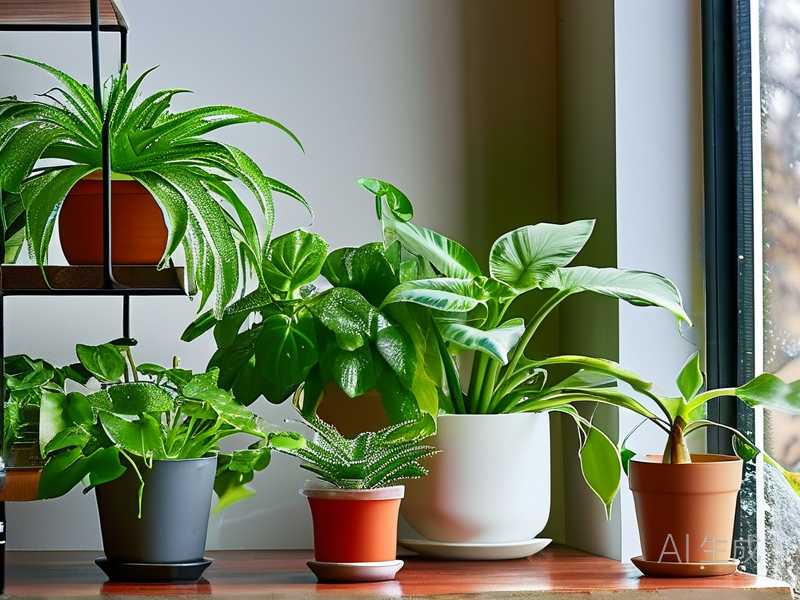
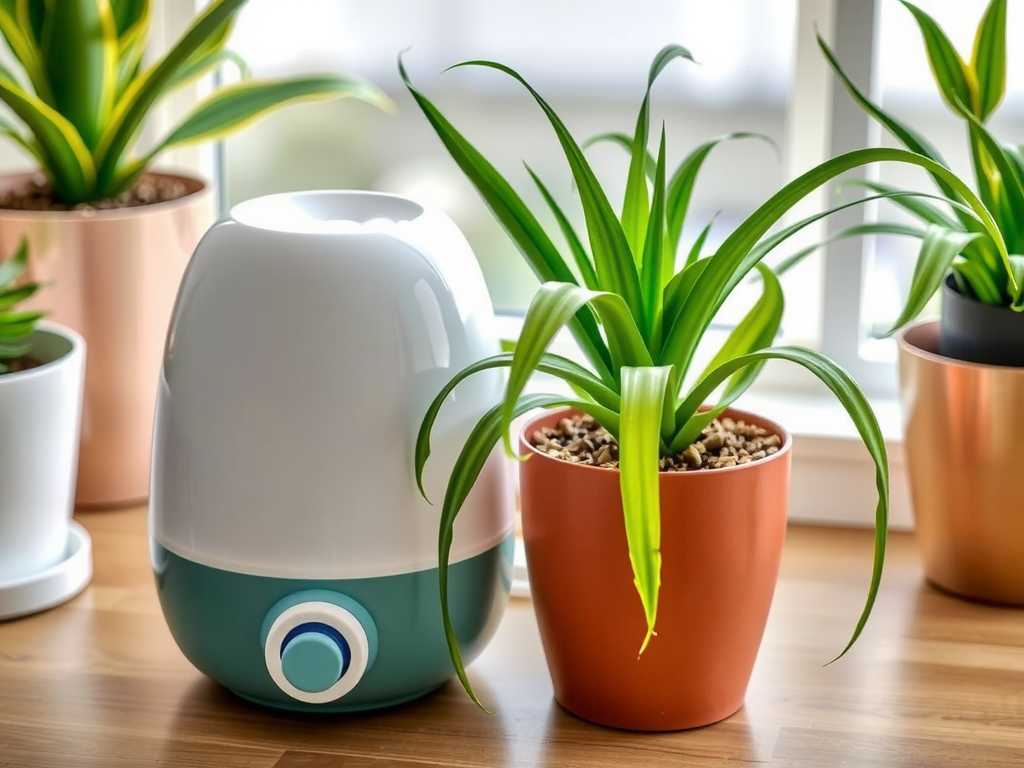
I have a collection of spider plants: a mature ‘Vittatum’ in a hanging basket, a ‘Bonnie’ on a shelf, and a few pups growing in water. For this test, I used a cool-mist ultrasonic humidifier with a 1-gallon tank. I chose this type because it's quiet, energy-efficient, and doesn't risk heat damage to nearby foliage.
The Great Placement Debate: Where to Put the Humidifier?
This was my first major learning curve. My initial thought was to place the humidifier directly on the floor next to the plant stand. Mist would billow out dramatically, and I thought, "Perfect!" It was not.
- Mistake #1: Direct, Close Proximity. After two days, I noticed water droplets constantly beading on the leaves of my closest spider plant. While they enjoyed the humidity, constant wet foliage can invite fungal diseases. The American Horticultural Society (AHA) advises increasing air circulation around plants to prevent such issues.
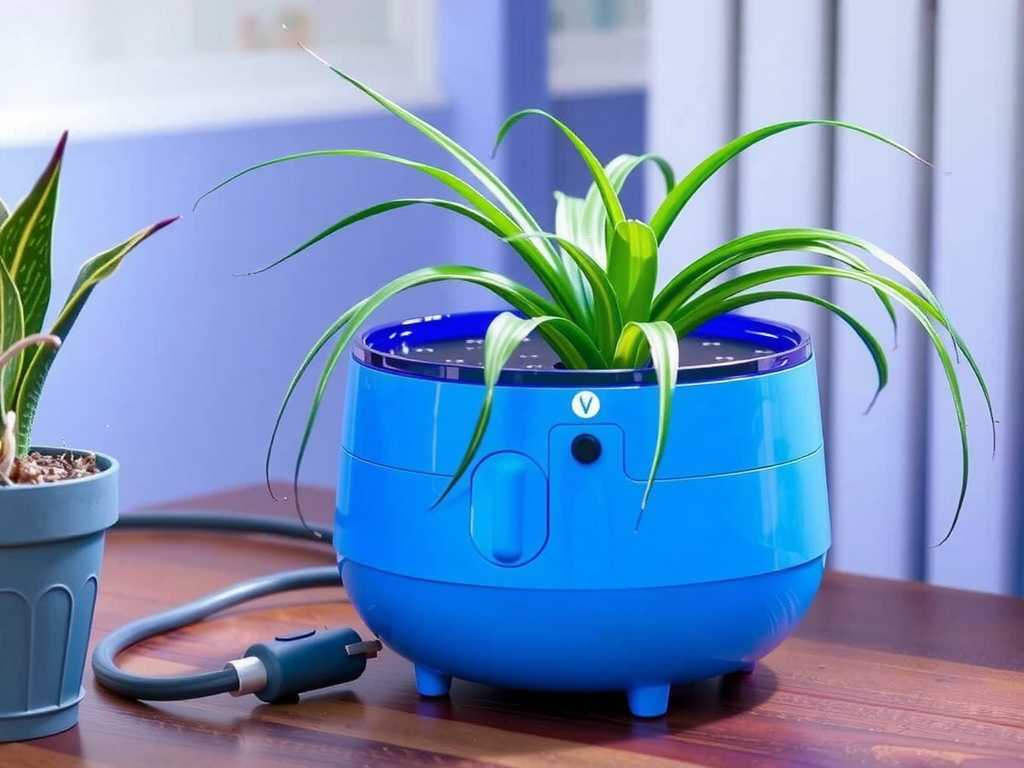
- The Fix: Strategic Distance. I moved the humidifier. The ideal placement for a humidifier near spider plants is about 3-6 feet away, on a raised surface like a stool or small table. This allows the fine mist to disperse gently into the air, creating a zone of elevated humidity without drenching the leaves. I aimed it so the mist plume drifted towards the plants but didn't hit them directly.
- The Winning Setup: I placed my humidifier on a side table approximately 4 feet from my main cluster of spider plants. I ensured it wasn't pointing at a wall or furniture to prevent moisture damage and kept it in a room with decent but not excessive air flow.
The 2-Week Humidity Protocol: Duration, Observations, and Adjustments
I committed to a strict 14-day schedule to find the optimal humidifier run time for indoor spider plants.
Week 1: The Adjustment Period (Days 1-7)
- Schedule: I ran the humidifier for 4 hours in the morning (7 AM - 11 AM) and 4 hours in the evening (7 PM - 11 PM). I used a simple outlet timer to automate this.
- Observations: By Day 3, the immediate environment felt less staticky. My hygrometer, placed among the plants, showed an increase from a baseline of 35% to a consistent 48-52% during and shortly after humidifier sessions. The plants didn't show dramatic improvement yet, but the new, tender leaves on my spiderettes felt less papery.
- The Hiccup: On Day 5, I found a small puddle of water under the humidifier. I had overfilled the tank slightly, and some condensation had dripped down the base.
- Solution: I started filling the tank only to the "max" line and placed a small, absorbent tray underneath the unit. Problem solved.
Week 2: Fine-Tuning and Visible Results (Days 8-14)
- Schedule: Based on the humidity readings, I adjusted. The humidity was dropping too low in the mid-afternoon. I changed the schedule to three sessions: 3 hours in the morning (8 AM - 11 AM), 2 hours in the mid-afternoon (2 PM - 4 PM), and 3 hours in the evening (8 PM - 11 PM). This totaled 8 hours but was better distributed.
- Observations: This was the breakthrough week. The browning on existing leaf tips had stopped progressing entirely. Most excitingly, I observed a noticeable boost in spider plant growth from proper humidity. Two new spiderettes began to emerge from my mother plant, and the existing leaves on all plants looked plumper, greener, and more resilient. The ambient humidity now maintained a steadier 45-50% range.
- Key Takeaway: Consistency is more important than a single long blast. Shorter, more frequent sessions helped maintain a stable microclimate, which is what spider plants truly love.
Essential Tips to Avoid Common Humidifier Pitfalls
My experiment wasn't flawless. Here are the pitfalls I encountered so you can skip them:
- Ignoring Water Quality: I used tap water for the first few days and noticed a fine white dust settling on nearby surfaces. This was mineral dust from the water. Switching to distilled or demineralized water eliminated this completely and is better for the humidifier's longevity.
- Forgetting About Cleanliness: A humidifier can breed mold and bacteria if not cleaned regularly. I adopted a simple routine: a quick rinse and dry of the tank daily, and a full descale with vinegar every week. This kept the mist clean and healthy for both my plants and my family.
- Neglecting Air Circulation: While increasing humidity, good air flow is crucial to prevent stagnation and mold growth on soil surfaces. I made sure to run a ceiling fan on low or cracked a window in another room for a short period each day to keep the air fresh.
Your Spider Plant Humidity Questions, Answered
Can I mist my spider plant instead of using a humidifier? Misting provides a very temporary boost in humidity, often for just a few minutes. For a lasting effect that truly combats dry winter air, a humidifier is far more effective and reliable. Misting can be a supplemental step, but it shouldn't be your primary strategy.
What is the ideal humidity level for a spider plant year-round? Aim for 40-60% relative humidity. They can tolerate slightly lower levels, but you'll likely see brown tips if it consistently falls below 40%. A hygrometer is a small investment that takes the guesswork out of creating the perfect environment for spider plants.
My spider plant leaves are still brown-tipped even with the humidifier. What now? First, ensure you're using distilled water, as tap water minerals can also cause tip burn. Second, trim the brown tips off at a slight angle with clean scissors for aesthetics—the damage is permanent, but new growth will be healthy. Finally, double-check that you're not over-watering; soggy soil combined with high humidity can be problematic. Let the top inch of soil dry out between waterings.
After two weeks of mindful humidifier use, the difference in my spider plant collection is undeniable. The plants look healthier, happier, and are actively growing again. The key was not just running a humidifier, but running it smartly: placed at the right distance, on a consistent schedule with clean water, and complemented by good air flow. It transformed a dry, challenging season into an opportunity for lush growth. If your spider plants are suffering in the winter dryness, a humidifier, used correctly, isn't just a gadget—it's a game-changer.