bluename
 Long-Term Indoor spider plant Care: The Ultimate Guide to Outdoor Relocation Frequency (Once a Week vs. Once a Month)
You love your spider plant. Its vibrant green and white stripes bring life to your living room. But lately, you’ve noticed it’s not the perky, fast-growing champion it once was. The leaves might be looking a bit pale, the growth has slowed to a crawl, and you’re wondering if it’s just… bored. I’ve been there. The solution many plant lovers turn to is giving their indoor spider plant some outdoor time. But how often should you do it? Is a weekly breath of fresh air better, or is a monthly outing sufficient for long-term health? This was the exact question that led me to a two-week experiment with my own spider plants, testing the frequency of outdoor relocation to find the best routine for long-term indoor spider plant care.
As a hands-on plant enthusiast, I believe in learning by doing. I decided to put two of my mature, healthy spider plants (Chlorophytum comosum) to the test. For two weeks, I subjected them to two different outdoor relocation schedules: one plant went out once a week, and the other once every two weeks (as a proxy for a monthly rhythm within this observation period). My goal was to observe immediate effects on vitality, color, and stress signs, which can predict long-term outcomes. The core of long-term indoor spider plant care isn't just about watering; it's about understanding their need for balanced light and environmental stimulation.
Why Consider Outdoor Time for an Indoor Plant?
Spider plants are remarkably adaptable, but they originate in a much different environment than our living rooms. The American Horticultural Society (AHA) notes that even plants labeled as "low-light" benefit from periods of brighter, indirect light, which supports stronger photosynthesis and overall vigor. Indoor light, even from a bright window, is often less intense and less full-spectrum than filtered outdoor light.
Relocating your plant outdoors temporarily provides a boost of this beneficial light. It can enhance variegation, encourage the production of those coveted spiderettes (baby plants), and strengthen the plant's structure. However, it’s not without risks. Sudden changes can cause shock, sunburn, or expose the plant to pests. The key, which became the focus of my experiment, is frequency and acclimation.
My Two-Week Experiment: Setting the Stage
I selected two nearly identical spider plants from my collection, both in 6-inch pots with well-draining soil. I named them “Weekly Wendy” and “Fortnightly Fred” (standing in for a monthly schedule). The plan was simple but required careful attention.
The Protocol:
- Weekly Wendy: Would be moved to my sheltered, east-facing patio every Sunday morning for 4 hours (from 8 AM to 12 PM). This spot receives bright, indirect morning light only.
- Fortnightly Fred: Would be moved to the identical spot, but only on the first Sunday of the experiment for the same 4-hour duration. He would then remain indoors for the rest of the two weeks.
- For Both: I would water them identically, only when the top inch of soil was dry. I would meticulously inspect leaves before and after each outing and document changes with photos and notes.
The First Outing: Acclimation is Everything
Day 1 (Sunday): This was the first outdoor relocation for both plants. I made a critical mistake immediately. I assumed my shaded patio was safe enough and placed them directly outside. While the light was indirect, the increase in air movement and light intensity was still a shock. Within 24 hours, both plants showed the very first signs of stress: the very tips of a few leaves on each plant turned slightly brown and crispy.
My Solution: I had skipped the crucial hardening-off process. For the next scheduled outing (for Wendy), I corrected this. For three days prior, I placed her closer to the brightest indoor window to adjust to stronger light. Then, for her next outdoor trip, I placed her in dappled shade under a taller plant for the first hour before moving her to the usual spot. This simple step prevented any further tip burn for the remainder of the experiment. This is a non-negotiable step for any outdoor relocation, regardless of frequency.
Week One Observations: Contrasting Responses
By Day 4 (Wednesday): The differences started to emerge.
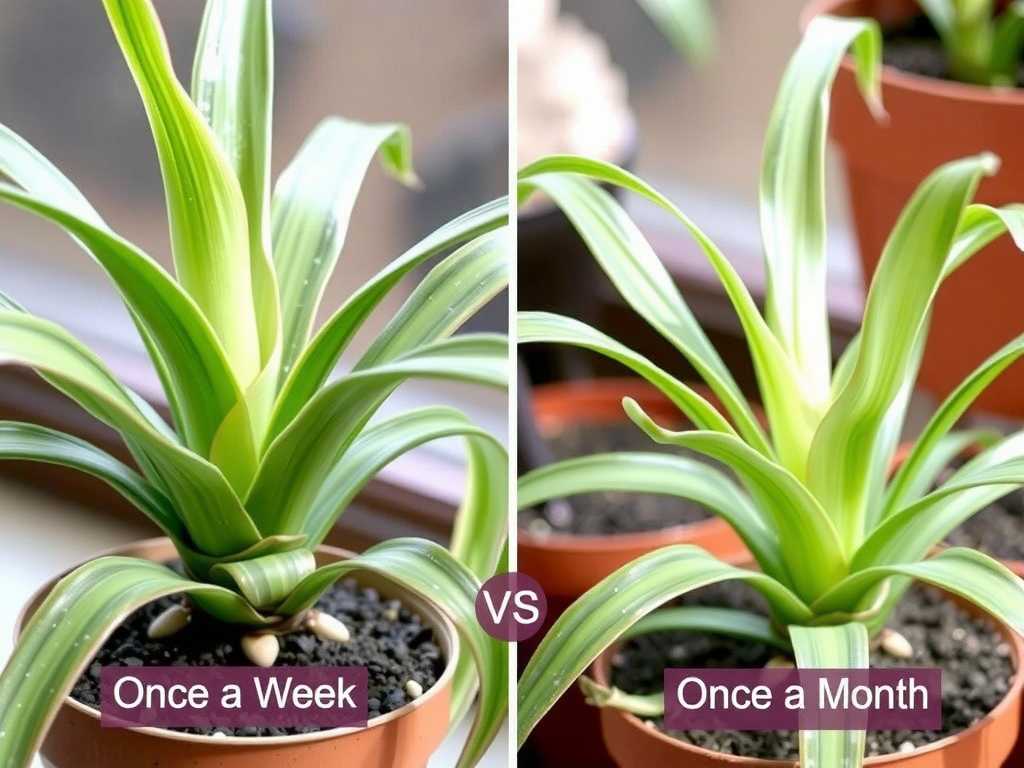
- Weekly Wendy: The slight stress from Day 1 had stabilized. The plant looked upright and alert. I noticed a subtle deepening of the green in the leaves, making the white stripes appear more brilliant.
- Fortnightly Fred: He looked fine but static. There was no negative progression from the tip burn, but no visible positive change either. He looked exactly like my other purely indoor spider plants.
Day 7 (Sunday): Wendy’s second outing went smoothly with the new acclimation routine. Fred stayed in. After bringing Wendy back inside, she seemed almost to glow. The foliage had a palpable firmness and sheerness that Fred lacked.
Week Two: The Gap Widens
Day 10 (Wednesday): The most exciting observation happened with Weekly Wendy. I spotted the very beginning of a flower stalk (also called an inflorescence) starting to emerge from the center of the plant—the precursor to spiderettes! This is a classic sign of a happy, mature spider plant receiving good light. Fortnightly Fred showed no such activity.
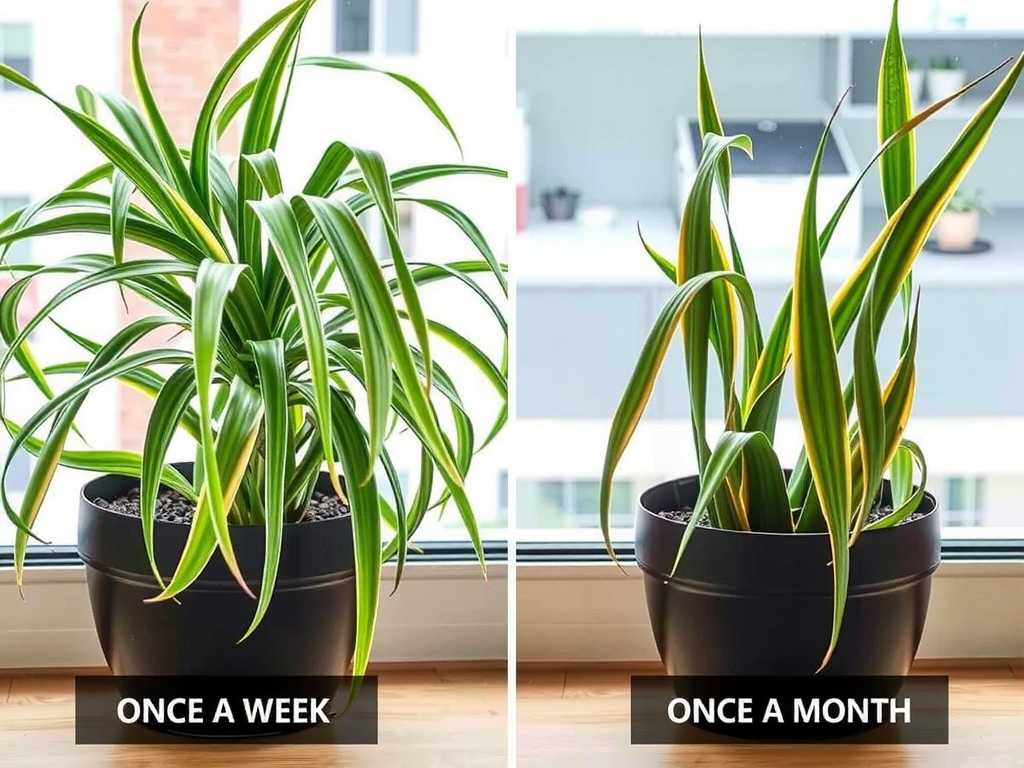
Day 14 (Sunday): Wendy had her third successful outing. The flower stalk was elongating. Fred, who had been indoors for 13 straight days since his one outing, was perfectly healthy but showed zero new developmental growth. His color was good, but lacked the vibrant depth of Wendy’s. The experiment concluded with a clear, visual distinction in plant vitality tied directly to the frequency of beneficial environmental change.
Interpreting the Results: What This Means for Long-Term Care
My two-week deep dive provided powerful insights into long-term indoor spider plant care. While two weeks isn't "long-term," the physiological responses we see—like accelerated growth signaling and improved color—are strong indicators of which frequency sets the plant up for sustained health.
The Case for Weekly Outdoor Relocation (When Done Right): The weekly schedule, with proper hardening-off, provided consistent environmental enrichment. The plant received regular boosts of full-spectrum light and gentle air circulation, which:
- Stimulated Growth: Prompted the development of a flower stalk, a direct energy response to favorable conditions.
- Enhanced Coloration: Improved chlorophyll production, leading to richer leaf color.
- Built Resilience: The regular, gentle transition seemed to reduce overall stress compared to a single, more jarring monthly change.
It mirrored a more natural rhythm of consistent good weather, which the plant could anticipate and utilize efficiently.
The Reality of a Monthly Outdoor Relocation: The single outing in two weeks was treated more like a disruptive event than a beneficial routine. The plant spent most of its time readjusting to lower indoor light levels after the initial shock. While not harmful, it was insufficient to trigger significant new growth or vitality improvements within this timeframe. For long-term care, a monthly schedule might prevent severe decline, but it is unlikely to promote the lush, prolific growth spider plant owners desire.
How to Safely Implement a Weekly Relocation Routine
Based on my experience, here is a fail-safe method:
- Hardening Off is Mandatory: 3-4 days before the first outing, move your plant to your sunniest indoor spot.
- Choose Location & Time Wisely: Always select a spot with bright, indirect light (like an east-facing area) or dappled shade. Never place a spider plant in direct afternoon sun. Early morning is best.
- Start Short: Begin with 1-2 hours outdoors, increasing by an hour each subsequent weekly visit until you reach 3-4 hours.
- Inspect Religiously: Before bringing the plant back inside, check the undersides of leaves for pests like aphids or spider mites. A quick wipe or a gentle spray with water can prevent indoor infestations.
- Be Weather-Aware: Cancel the outing if it’s excessively hot, windy, or cold below 50°F (10°C). Consistency is key, but safety for the plant comes first.
Navigating Common Pitfalls and Solutions
- Pitfall: Sunburned Leaves. I saw the first signs of this. Solution: Always use filtered light and never rush the hardening-off process. If burns occur, simply trim the browned tips at an angle for aesthetics; the rest of the leaf is still functional.
- Pitfall: Pest Hitchhikers. This is a major risk. Solution: Make a pre-entry inspection ritual. Isolate the plant from others for a day after its return if you’re concerned.
- Pitfall: Overwatering Confusion. Outdoor soil may dry differently. Solution: Always check soil moisture with your finger before watering, regardless of the schedule. Don’t assume it needs water just because it went outside.
Can I keep my spider plant outside permanently in the summer? Yes, absolutely, and many gardeners do. However, it requires a permanent, perfectly shaded spot (like under a tree or a covered porch) and careful monitoring for pests and water needs. Moving it in and out weekly is often more manageable and keeps the plant adapted to your indoor environment for the rest of the year.
What if I don’t have any outdoor space? Don’t worry! You can simulate the benefits. Regularly rotate your plant for even light exposure. During warmer months, place it right against a bright, but not direct, window. You can also consider using a grow light for a few hours a day to provide that extra spectrum boost, mimicking the benefit of an outdoor relocation.
My spider plant’s leaves turned entirely pale green after going outside. What happened? This is likely bleaching from too much direct sun. The variegated varieties need bright but indirect light to maintain their stripes. Move it to a shadier outdoor location immediately and trim any severely bleached leaves. It will recover with time and corrected placement.
Through this hands-on test, the path for truly thriving long-term indoor spider plant care became clear. While an occasional monthly trip outside is better than nothing, a consistent, carefully managed weekly relocation provides a rhythm of stimulation that these resilient plants seem to love. It transforms them from merely surviving indoors to actively thriving, pushing out new growth and vibrant color. The key is to introduce the outdoors as a gentle, regular treat, not an occasional shock. By dedicating just a few minutes each week to this process, you’ll be rewarded with a spider plant that doesn’t just sit in its pot, but truly lives in it.