bluename
 spider plant Watering Frequency: Your Detailed Seasonal Adjustment Plan
If you've ever found yourself staring at your spider plant, wondering if it's silently pleading for a drink or quietly drowning, you're not alone. I've been there, holding a watering can like it's a loaded question. The most common query I get from fellow plant lovers isn't about propagation or pests—it's about spider plant watering frequency. It seems simple, but getting it wrong is the fastest route to brown tips, limp leaves, or worse, root rot. Through years of trial, error, and meticulous observation, I've learned that watering a spider plant isn't about a rigid weekly schedule. It's a dynamic conversation with the seasons. This is my detailed, season-by-season adjustment plan, forged from real experience.
Why a Fixed Watering Schedule Will Fail Your Spider Plant
When I first started my collection, I marked my calendar: "Water Spider Plants - Saturday." It was a disaster. In the humid summer, the soil stayed soggy. In the dry winter heat, my plants were parished by Wednesday. The Royal Horticultural Society (RHS) confirms this, stating that watering needs are "dictated by the rate of growth and the conditions the plant is in," not the day of the week. A spider plant's thirst is influenced by light, temperature, humidity, pot size, and soil mix—all of which change with the seasons. A one-size-fits-all approach ignores the plant's natural lifecycle.
My Golden Rule: The Finger Test Method
Forget the guesswork. The only "schedule" I follow is a simple check. Here is my non-negotiable, real-world watering method for healthy spider plants:
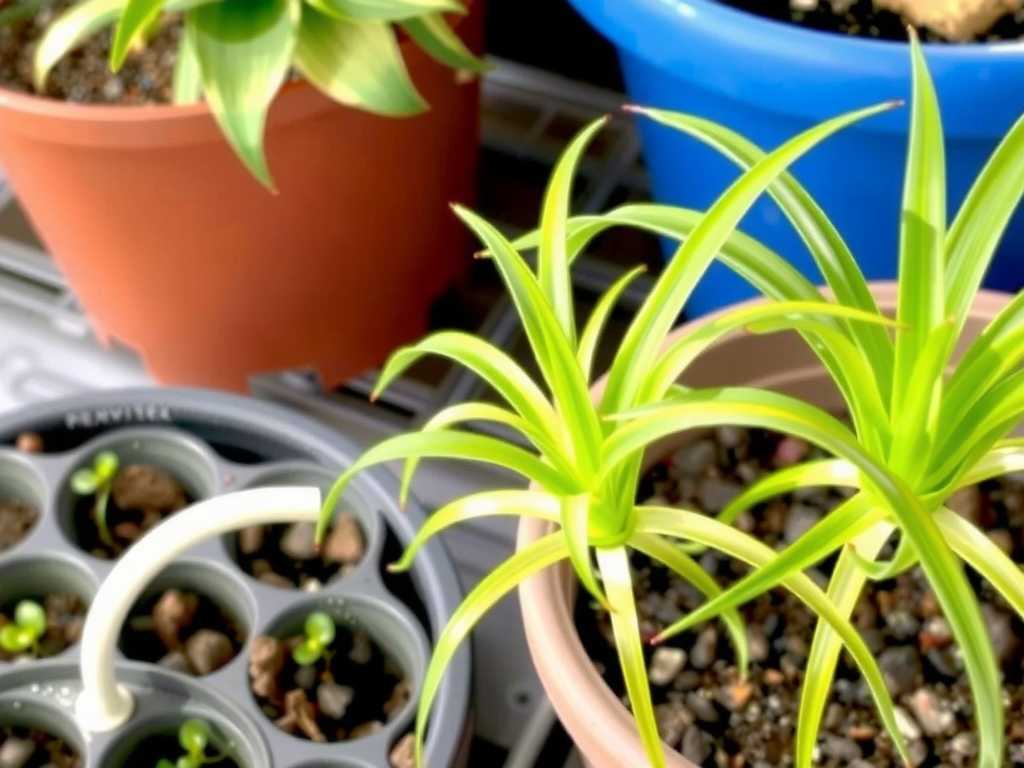
- Insert: I push my index finger about 2 inches into the soil, near the edge of the pot.
- Assess: I feel for moisture. Is it cool and damp, or dry and crumbly?
- Decide: If the top 2 inches are completely dry, it's time to water thoroughly. If there's any moisture, I walk away and check again in 2-3 days.
This method, endorsed by experts, puts you in direct contact with your plant's environment. Now, let's apply this test across the year.
The Seasonal Spider Plant Watering Guide
Spring: The Wake-Up Call (Increased Frequency)
As daylight increases, your spider plant shakes off winter dormancy. I notice new, vibrant green shoots emerging from the center—this is the signal.
- My Action: I increase my checking frequency to every 4-5 days. The soil dries out a bit faster now.
- The Watering: When dry, I water deeply until I see a trickle escape the drainage hole. This encourages roots to grow downward.
- Key Tip: This is the best time for repotting and fertilizing. I use a balanced, water-soluble fertilizer at half strength every 4-6 weeks to support the growth spurt.
Summer: The Peak Growing Season (Most Frequent & Observant)
This is the season of rapid growth and, often, baby spider plantlets (stolons). The plant is actively drinking.
- My Action: Checks happen every 3-4 days. Pots in bright, indirect light can dry out remarkably fast. I also monitor humidity; in very dry heat, I might place the pot on a pebble tray.
- The Watering: Deep, thorough watering remains crucial. I sometimes move my plants slightly away from hot south-facing windows to prevent scorch and rapid soil dry-out.
- The "Gotcha" Moment: One scorching July, I followed my "every 4 days" rule, but the plant was in a terracotta pot on a sunny balcony. By day 3, it was wilting dramatically. The fix? I learned that pot material matters. Terracotta wicks moisture away. I switched to checking every 2 days in that specific setup or used glazed ceramic pots to retain moisture longer.
Autumn: The Wind-Down (Gradual Reduction)
Growth slows as light levels drop. This is a critical transition period where overwatering becomes a major risk.
- My Action: I stretch my checks to every 7-10 days. I resist the urge to water out of habit.
- The Watering: I ensure the pot has excellent drainage and that I'm not leaving the plant sitting in a saucer of water after watering.
- Observation: I watch for slower soil dry-out times. This is normal. I stop fertilizing by mid-fall to let the plant rest.
Winter: The Resting Phase (Least Frequent)
This is the season for restraint. The plant is semi-dormant, and its water needs are minimal.
- My Action: I check only every 10-14 days, sometimes longer. Indoor heating creates dry air, but cold windowsills can keep soil moist for weeks.
- The Watering: When I do water, I use room-temperature water (cold water can shock roots) and water less voluminously than in summer, just enough to moisten the root ball.
- The Big Mistake & Fix: One winter, I lost a beautiful variegated spider plant to root rot. I was still watering "lightly" every week. The soil never dried out in the cool, low-light corner. The solution was drastic: I had to unpot it, remove all black, mushy roots with sterile shears, and repot in fresh, well-draining mix. It survived, but it took months to recover. Now, in winter, I err drastically on the side of underwatering.
The Two-Week Observation Experiment: Seeing is Believing
To truly internalize this, I conducted a focused experiment last March (a spring transition period). I took two identical spider plant pups, potted them the same way, and placed them in similar light.
- Plant A (Control): I watered on a fixed 7-day schedule.
- Plant B (Seasonal Method): I watered only when the top 2 inches of soil were dry, which varied.
After Two Weeks: Plant A developed slight yellowing on two lower leaves—a classic sign of potential overwatering in cooler spring temperatures. The soil was consistently damp. Plant B showed uniform, perky green growth. The dry-down period averaged 5-6 days, not 7. This tiny experiment cemented that adjusting spider plant care by season isn't theoretical; it's visibly impactful on plant health.
Beyond Watering: The Support System
Watering doesn't exist in a vacuum. Here’s what I pair with my seasonal plan:
- Soil & Drainage: I use a premium, well-draining potting mix, often with a handful of perlite added. This is non-negotiable for preventing waterlogging.
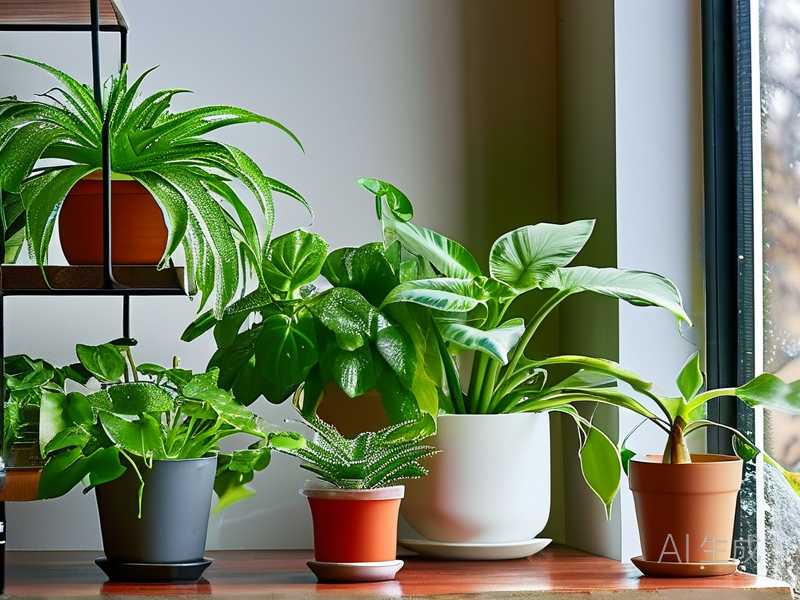
- Pot Choice: Pots must have drainage holes. I prefer ceramic or plastic over terracotta for most of my indoor setups, as they provide more consistent moisture.
- Humidity: Spider plants enjoy moderate humidity. The American Horticultural Society (AHS) notes that average home humidity is often sufficient, but grouping plants or using a pebble tray can help during dry winters without increasing watering frequency.
Your Questions, Answered
My spider plant has brown tips even though I water correctly. What's wrong? Brown tips are often a sign of low humidity or minerals/fluoride in tap water. I now use filtered water or leave tap water out overnight, and I occasionally mist the leaves in very dry conditions. Snipping the brown tips off with clean scissors keeps it looking tidy.
Can I use a moisture meter instead of the finger test? Absolutely. I have one and use it occasionally to confirm my findings, especially for deeper pots. However, I still recommend calibrating it with the finger test initially. They are a helpful tool, but your finger is free and always available.
How do I know if I'm overwatering versus underwatering? This confused me for ages. Here's my quick diagnostic: Overwatered plants have soft, mushy, often yellowing lower leaves, and the soil smells musty. Underwatered plants have dry, crispy brown tips and leaves that may wilt and feel papery. When in doubt, check the soil! Dry means water; moist means wait.
Mastering your spider plant's watering frequency is the cornerstone of its health. It moves you from a passive owner to an engaged caretaker, attuned to the natural rhythms of your plant and your home environment. Ditch the calendar, embrace the finger test, and adjust your approach as the seasons turn. You'll be rewarded with a lush, thriving plant that produces cascading spiderettes—a true testament to your attentive, seasonal care.