bluename
 String of Pearls Spider Plant Care: Watering Tips to Prevent Leaf Drop
I love my String of Pearls, but I almost killed it. Those plump, bead-like leaves started shriveling and dropping at an alarming rate. It was heartbreaking. After extensive research and a two-week rescue mission, I finally cracked the code on proper String of Pearls Spider Plant care, specifically the watering routine to prevent leaf drop. If you're watching your own "string" become a sad, sparse thread, you're in the right place. Let's fix this together.
Why Your String of Pearls is Losing Leaves: It's Almost Always Water
Before we dive into the solution, understanding the "why" is crucial. The String of Pearls (Senecio rowleyanus) is a succulent. Those little pearls are water storage units. Leaf drop is their dramatic way of telling you something is off with their hydration.
The two main culprits are overwatering and underwatering, and they can surprisingly look similar. Overwatering suffocates roots, leading to rot, which means the plant can't drink, so the pearls shrivel and fall. Underwatering simply depletes the reserves, causing the same shriveled, drop effect. The key difference often lies in the soil and roots.
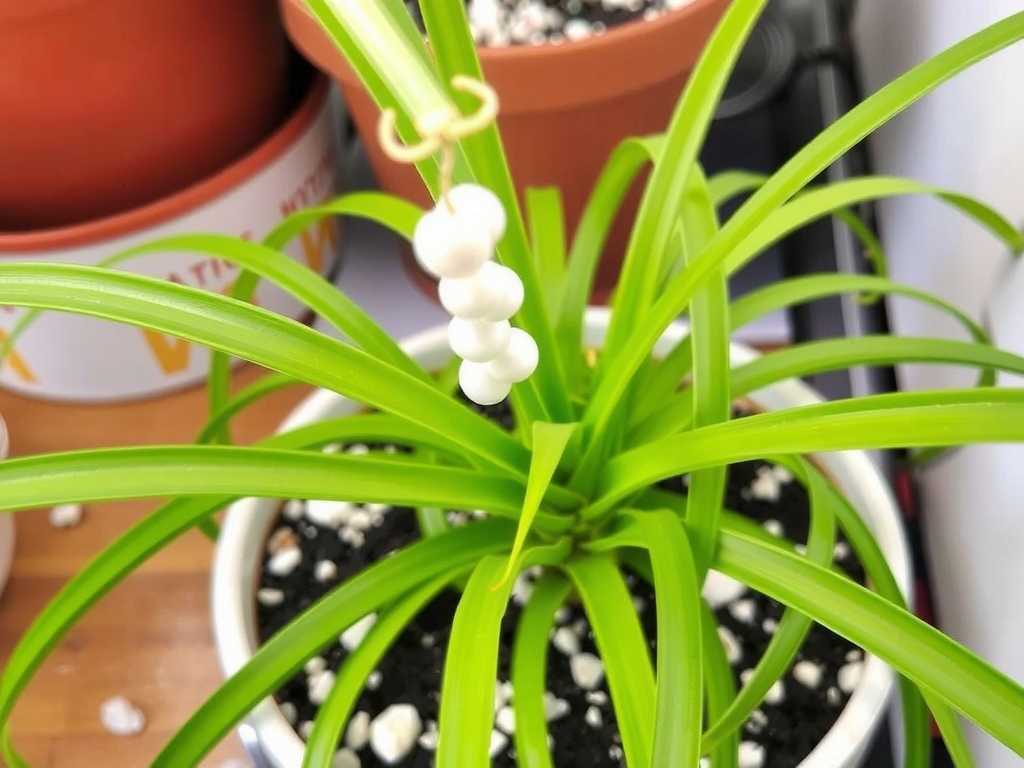
My Two-Week Rescue Plan: The "Soak and Desert" Method
I adopted a method often recommended by succulent societies like the RHS (Royal Horticultural Society), which emphasizes thorough watering followed by complete drought. Here’s my exact, step-by-step process.
Week 1: Diagnosis and Intervention
Day 1-2: The Root Check My plant was in a decorative pot without drainage. Big mistake. I gently tipped it out. The soil was damp at the bottom, and a few roots were mushy—a clear sign of early root rot. This confirmed my issue was overwatering leading to leaf drop.
- My Fix: I used sterilized scissors to snip off any soft, brown roots. I then repotted it into a terracotta pot (which breathes) with a drainage hole. The mix was crucial: I used a cactus and succulent potting soil amended with extra perlite (about a 2:1 ratio) for insane drainage.
Day 3: The First Correct Watering After letting the roots air-dry for a day, I performed the "soak." I placed the pot in my sink and watered thoroughly from the top until water streamed freely out the bottom. I let it drain completely for an hour. This ensures the entire root ball is hydrated, encouraging deep root growth.
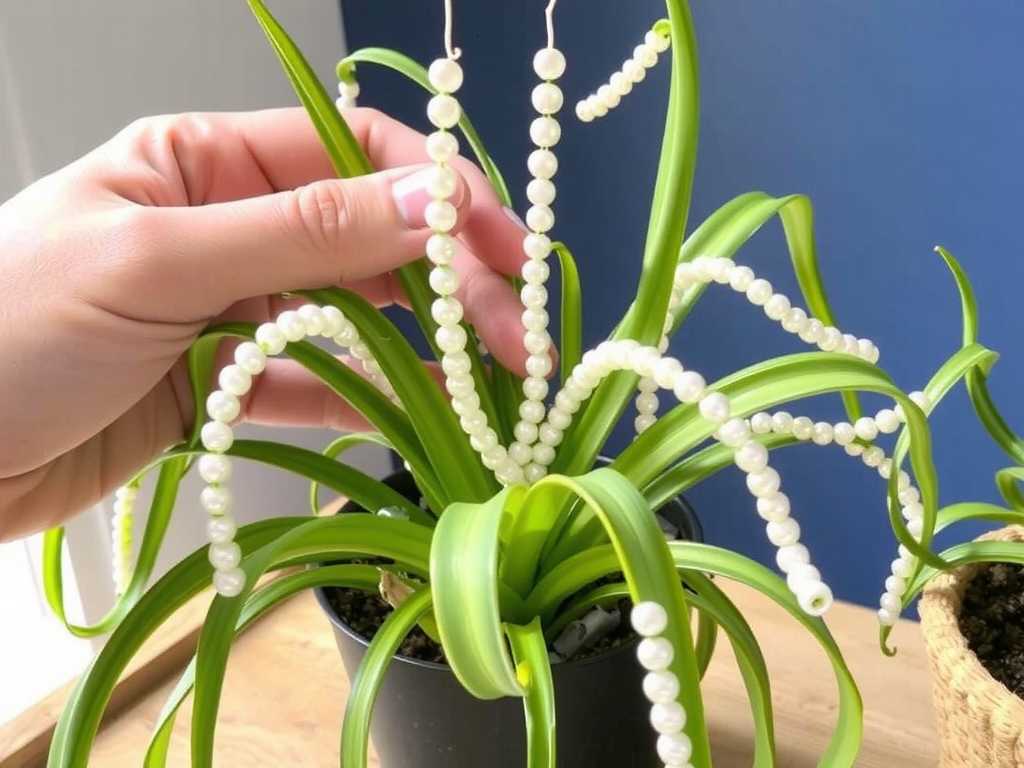
Day 4-7: The "Desert" Begins I placed the plant back in its bright, indirect light spot (a north-east facing window). Then, I walked away. I did not water. I resisted all temptation. I simply observed.
Week 2: Observation and Adjustment
Day 8-10: The Tell-Tale Signs This is where patience paid off. The previously slightly shriveled pearls began to plump up noticeably. They felt firm to the touch. The soil was bone dry two inches down. No new leaves were dropping. This was the first victory.
Day 11-14: Establishing the Rhythm I did not water on a schedule. Instead, I used the "pearl test." When several pearls near the soil line began to feel slightly soft or showed a slight give when gently pinched (and the soil was dry), I knew it was time. On Day 12, they passed the test. I repeated the sink soak-and-drain method.
After Two Weeks: The transformation was clear. The remaining pearls were full and glossy. New tiny pearls were emerging at the ends of the strands. The catastrophic leaf drop had completely stopped. The plant looked healthy and stable.
The Golden Rules of Watering I Learned (The Hard Way)
- Forget the Calendar, Embrace the Feel: Watering every Sunday is a death sentence. Your plant's thirst depends on light, humidity, and season.
- The "Pearl Pinch" Test is Your Best Friend: This is the most reliable indicator. Plump, firm pearls mean stop. Slightly soft, slightly wrinkled pearls mean go. Don't wait for them to look like raisins.
- Drainage is Non-Negotiable: A pot without a hole is a bathtub. Root rot is inevitable. As the American Horticultural Society (AHS) notes, proper drainage is the single most important factor in preventing houseplant disease.
- Water Deeply, Not Lightly: A splash on top encourages weak roots. A thorough soak promotes a robust root system that can withstand drought periods.
- Seasonal Sensitivity: In winter (dormant period), my plant might go 4-5 weeks between waterings. In summer, it might be every 10-14 days. Always defer to the plant's signals.
Common Pitfalls and How I Solved Them
Pitfall 1: The "Helpful" Spritz. I used to mist my String of Pearls, thinking it loved humidity. This is a common mistake. Misting does nothing for humidity and can cause the pearls to rot if water sits in their curves. Solution: I stopped misting entirely. For humidity, I group plants together or use a tray with pebbles and water placed underneath the pot (pot not sitting in water).
Pitfall 2: The Wrong Soil. Regular potting soil retains too much moisture. My plant was sitting in wet socks for days. Solution: The gritty, well-draining mix I described earlier was a game-changer. It mimics their native, arid environment.
Pitfall 3: Ignoring Light's Role. A plant in low light uses water much slower. I once moved my plant to a darker shelf and kept watering on the old schedule—hello, overwatering! Solution: I ensure it gets at least 4-6 hours of bright, indirect light. More light (gradually introduced) means more efficient water use and tighter pearl growth.
Your Questions, Answered
How do I know if it's overwatering or underwatering? Check the roots and soil. If the soil is soggy and roots are brown/mushy, it's overwatering. If the soil is dusty-dry and roots are brittle, it's underwatering. Often, the symptoms in the leaves look identical, which is why checking below the surface is key.
Can I propagate the pearls that fell off? Absolutely! This is a silver lining. Let the fallen pearl callous over for a day, then lay it on top of moist succulent soil. Gently press it so it makes contact. Roots will eventually emerge. This is a great way to create a fuller plant.
What type of water is best? I found my String of Pearls is sensitive to chemicals in tap water, which can cause tip browning. Where possible, I use rainwater, distilled water, or tap water that has been left out overnight to allow chlorine to dissipate. This minor step has kept my pearls a vibrant green.
Watching a String of Pearls thrive is incredibly rewarding. It comes down to respecting its succulent nature. Master the art of neglectful, yet deeply attentive watering—the "soak and desert" rhythm—and you'll be rewarded with long, cascading strings of plump, happy pearls that hold tight to their stems. Listen to your plant, not your calendar, and you'll have a lush, green companion for years to come.