bluename
 spider plant Fertilization in Spring: My Hands-On Guide to Using Decomposed Chicken Manure
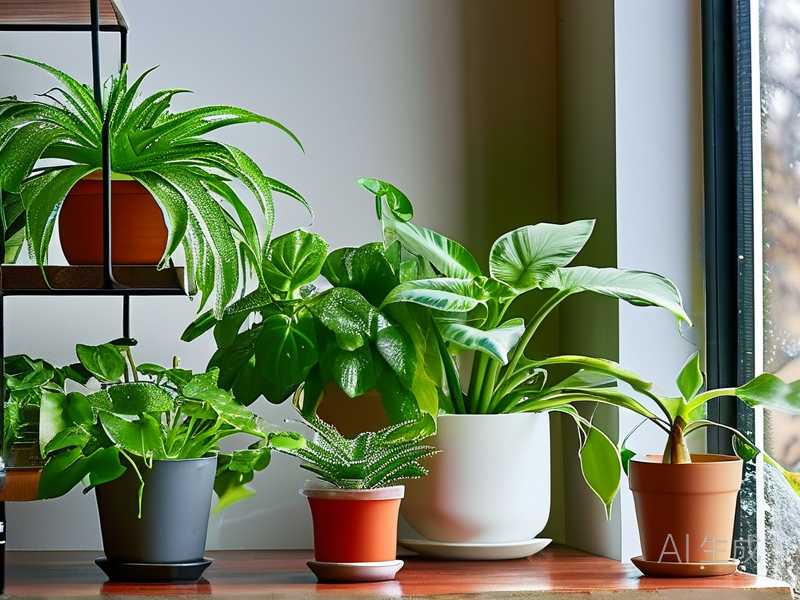
Every spring, I face the same dilemma with my sprawling collection of spider plants. They’ve survived the winter, but now they need a boost to push out those iconic runners and vibrant, striped leaves. I wanted a fertilizer that was effective, natural, and sustainable. After much research, I settled on decomposed chicken manure. This guide is the result of my real-world experiment with spider plant fertilization in spring using this organic powerhouse. I’ll walk you through my exact process, the dramatic two-week transformation I witnessed, and the valuable lessons I learned the hard way.
Why Spring Feeding is Non-Negotiable for Spider Plants
As the days lengthen, our spider plants (Chlorophytum comosum) shift from survival mode to active growth. This seasonal cue is their signal to produce new foliage and, hopefully, a cascade of plantlets. They’re drawing heavily on soil nutrients to fuel this spurt. A study from the Royal Horticultural Society (RHS) notes that while spider plants are tolerant of neglect, a spring application of a balanced, mild fertilizer significantly improves plant vigor and offsets the natural depletion of nutrients in potting mix over time. Starving them now can lead to slow growth, fewer runners, and pale, lackluster leaves—the very opposite of the lush, arching display we desire.
Why I Chose Decomposed Chicken Manure Over Synthetic Blends
I’ve used water-soluble synthetic fertilizers before. The results were quick but felt artificial, and I was constantly worried about the risk of fertilizer burn on their sensitive roots. Decomposed chicken manure, often called “black gold” by organic gardeners, offered a compelling alternative. The American Horticultural Society (AHS) advocates for well-composted manures as a slow-release source of primary nutrients (Nitrogen, Phosphorus, Potassium) and a full spectrum of micronutrients. This mimics how plants feed in nature, providing a steady, gentle nutrient stream perfect for the spider plant’s moderate feeding needs. It also improves soil structure and microbial life, benefits no bottle fertilizer can claim.
My Step-by-Step Application Method: A Lesson in Gentleness
Here is the exact procedure I followed on a sunny Saturday morning. My subject was a mature ‘Vittatum’ spider plant that had been in the same pot for about 18 months.
1. Preparation is Everything: Sourcing and Safety I sourced bagged, commercially composted chicken manure from a reputable garden center. This is crucial—fresh manure is far too “hot” (high in ammonia) and can severely damage or kill plants. The bag specified it was fully decomposed, weed-free, and ready to use. I gathered my tools: a small trowel, a bowl for mixing, a watering can, and gloves. Always wear gloves when handling any manure product.
2. The Gentle Mixing Ratio Spider plants don’t need heavy feeding. I erred on the side of caution. My mix was approximately 1 part decomposed chicken manure to 8 parts fresh, high-quality potting mix. In my bowl, I combined one cup of manure with eight cups of potting soil, blending it thoroughly until it was uniform. This created a nutrient-amended mix that wouldn’t overwhelm the roots.
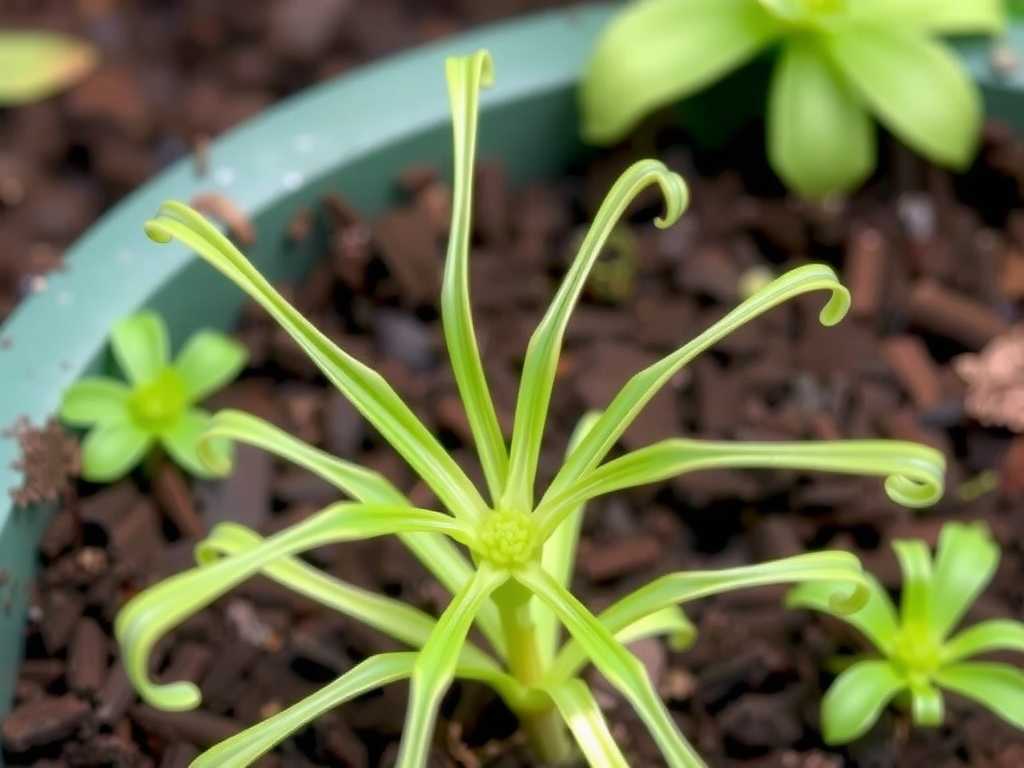
3. Top-Dressing: The Safe Application Technique Instead of repotting, which can shock the plant, I chose the top-dressing method. I carefully scraped away the top inch of the old, exhausted soil from the pot’s surface, being mindful not to disturb the shallow roots. I then applied a 1-inch layer of my pre-mixed manure-and-potting-soil blend evenly over the exposed root zone. Gently patting it down, I finished by giving the plant a deep, thorough watering. This helped settle the new layer and initiated the slow release of nutrients into the root zone below.
The Two-Week Observation: A Visible Transformation
The change wasn’t overnight, but it was unmistakable and deeply satisfying.
- Days 1-4: No dramatic changes, which was expected. The soil stayed moist longer, a sign of improved moisture retention from the organic matter.
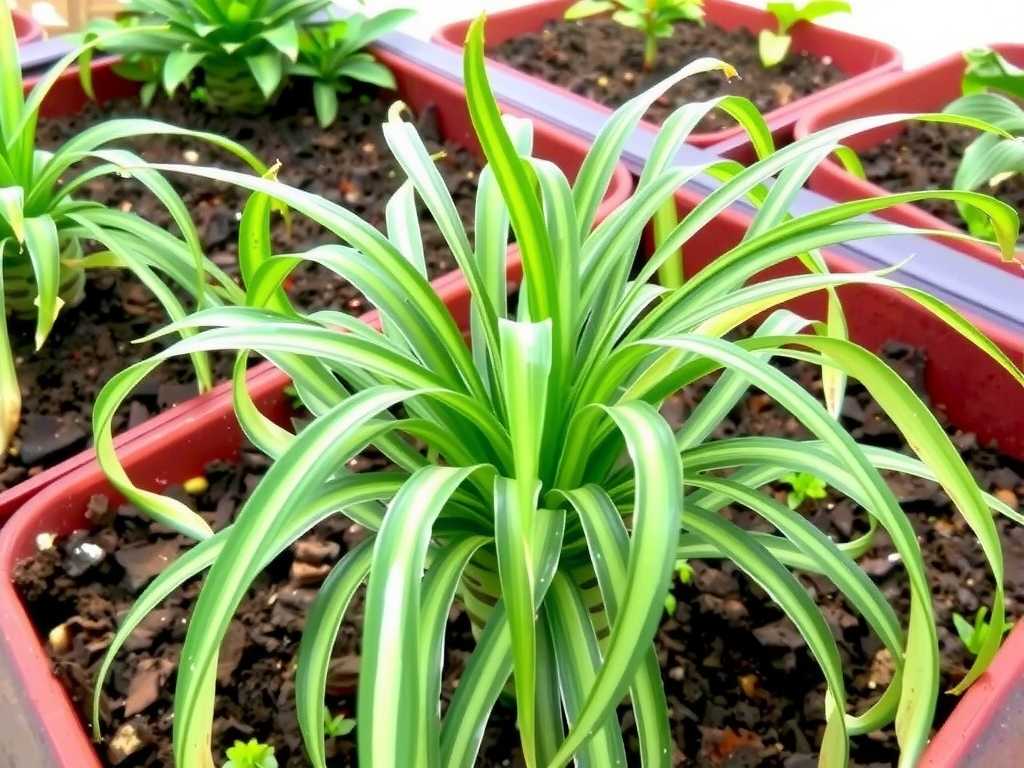
- Days 5-10: Here’s where the magic began. I noticed the center of the plant, where new growth emerges, became a darker, richer green. Several tight leaf buds that had been dormant started to unfurl at a noticeably faster rate than before.
- Days 11-14: The most exciting development! Two new, thick stolons (runners) began to emerge from the base of the plant. The newest leaves were not just longer but also had a more pronounced, glossy sheen and crisper white variegation. The overall plant looked denser and more alert. This aligned perfectly with the RHS’s observation on improved vigor from timely feeding.
The Pitfall I Encountered (And How to Fix It)
My experiment wasn’t flawless. I made one critical error on a second, smaller spider plant. In my enthusiasm, I applied the manure mix too thickly—closer to a 2-inch layer—and piled it directly against the plant’s crown (the central base where leaves cluster).
Within a week, the outermost leaves touching the moist manure began to yellow at the base. I immediately recognized the early signs of crown rot, likely caused by excess moisture and microbial activity against the tender tissue.
My Solution: I didn’t panic. I carefully removed all the newly added top-dressing mix. I inspected the crown, trimmed away the two softening yellow leaves with sterile scissors, and let the area air dry for a day. I then reapplied a correct, thin ½-inch layer of the mix, ensuring a clear space around the crown itself. The plant’s decline halted, and it resumed healthy growth within another week. This hammered home the “less is more” principle and the importance of keeping the crown dry.
Frequently Asked Questions
Can I use fresh chicken manure from my coop? Absolutely not. Fresh manure must be hot-composted for at least 6-12 months to break down ammonia and salts and kill potential pathogens. Using it fresh is a guaranteed way to burn your spider plant’s roots and introduce risks. Always use fully decomposed, bagged, or properly aged manure.
How often should I apply decomposed chicken manure in spring? For spider plants, once at the very beginning of the growing season is typically sufficient. Their nutrient needs are modest. An annual top-dressing in spring, combined with fresh potting soil every 2-3 years, will sustain vigorous growth. Over-fertilizing, even with organic options, can cause salt buildup and leaf tip browning.
My spider plant’s leaf tips are still browning after feeding. What did I do wrong? Leaf tip burn is the spider plant’s classic distress signal. While often linked to fluoride in water or low humidity, it can also indicate over-fertilization. Ensure your manure was fully decomposed and you used a dilute mix. Flush the soil with several rounds of distilled or rainwater to leach out any excess salts, and review your watering habits and water quality.
Choosing decomposed chicken manure for spider plants provided a natural, effective solution for my spring feeding routine. The visible results in just two weeks—deeper color, faster leaf production, and the exciting emergence of new runners—confirmed its value. The key takeaways are simple: source properly composted manure, mix it weakly, apply it gently away from the crown, and trust in this slow-release, soil-building organic fertilizer. It’s a method that respects the plant’s natural pace, yielding a healthier, more resilient spider plant ready to fill your space with graceful, cascading growth all season long.