bluename
 spider plant Light Exposure in Winter: Key Notes for South-Facing Windowsill Placement
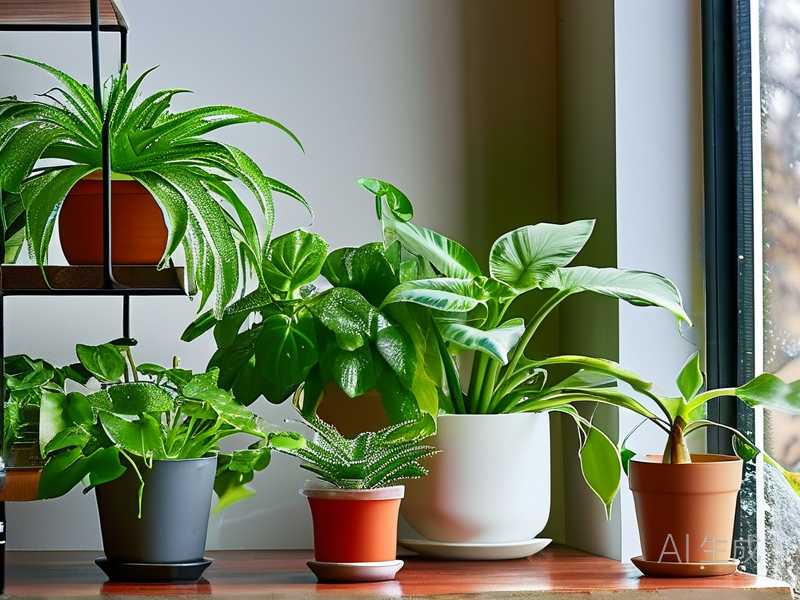
As a dedicated plant enthusiast, I’ve always believed my south-facing windowsill was a prime piece of real estate, especially during the bleak winter months. I imagined my spider plants, those resilient champions, would soak up the scarce sunlight and thrive. But last winter, I noticed something troubling. The usually vibrant green leaves of my Chlorophytum comosum started to look pale, almost washed out, and the tips began browning with an unusual persistence. It wasn’t the crisp brown of underwatering; it was different. This led me on a two-week investigative journey to truly understand the nuances of spider plant light exposure in winter, specifically in a south-facing window. What I discovered reshaped my entire approach to their care during the colder season.
The core issue, I realized, is a paradox. While a south-facing window provides the brightest indirect light in a home during winter—a time when light is precious—it also presents unique risks. The sun sits lower in the sky, its rays beaming directly through the glass for longer periods. This can inadvertently turn that bright, indirect spot into a zone of intense, direct sunlight. For spider plants, which are adapted to dappled light under forest canopies, this winter sun can be surprisingly harsh.
My Two-Week South-Facing Windowsill Experiment
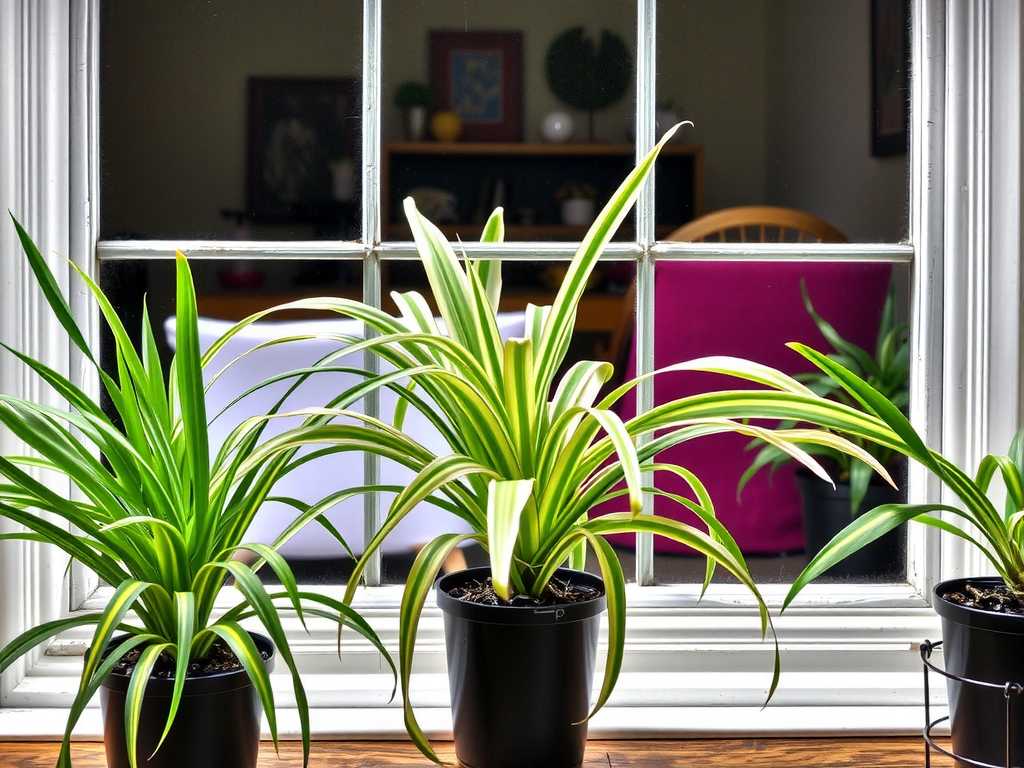
I decided to conduct a focused observation. I moved two mature, healthy spider plant pups to my primary south-facing living room windowsill. My goal was to monitor their response to the winter light cycle and adjust their care in real-time.
Week 1: Observation and Initial Adjustments
My initial setup was simple: the plants sat about 12 inches from the glass, with no barrier. For the first three days, I tracked the actual light. Using a simple light meter app (a rough but helpful guide), I confirmed that from about 10 AM to 2 PM, direct sunlight fell squarely on the leaves. The light was intense and warm to the touch.
By Day 4, the earliest signs appeared. The rich green color on the most exposed leaves seemed slightly less saturated. There was no browning yet, but the lushness was dimming. I also noticed the soil was drying out faster than the plants in my north-facing room, despite similar watering schedules.
This was my first "aha" moment and the initial solution for winter spider plant care. The problem wasn't just light; it was a microclimate. The combination of direct sun and indoor heating created a hot, dry pocket. I immediately implemented two changes:
- The Sheer Curtain Buffer: I hung a lightweight, white sheer curtain between the plants and the window. This single action diffused the harsh direct rays into the perfect bright, indirect light spider plants adore.
- Increased Humidity Monitoring: I placed a small humidifier nearby and began grouping it with other plants to create a more localized humid microclimate, countering the drying effect of the winter sun and heat.
Week 2: Recovery and Refinement
After installing the sheer curtain, the change wasn't instantaneous, but the progression of stress halted. The leaves stopped losing their color intensity. I maintained a consistent watering routine, now checking the soil moisture every three days instead of five, as the spot remained warmer and drier than the rest of the room.
By the end of the second week, the plants had stabilized. While the slightly paled leaves from the first few days didn't fully revert to dark green, no new damage occurred. Most importantly, I observed a new development: the very beginnings of a stolon, or runner, peeking out from the base of one plant. This was a clear signal of contentment. Spider plants prioritize reproduction (sending out pups) when they feel secure and well-cared-for, not when they are in survival mode.
The Pitfalls I Encountered and How I Fixed Them
My journey wasn't without missteps. Here are the key pitfalls and how you can avoid them:
Pitfall 1: Assuming "Bright Indirect" is Constant. I wrongly assumed my south-facing window provided consistent bright indirect light year-round. In winter, the sun's path makes it a source of direct light for several hours. The fix was simple but crucial: observe the actual sunbeam pattern throughout the day and use diffusion. A sheer curtain is a non-negotiable tool for spider plants in south-facing windows during winter.
Pitfall 2: Ignoring the Combined Effect of Light and Heat. I focused solely on light exposure and neglected the accompanying rise in temperature and drop in humidity. This exacerbated moisture loss from both the soil and the leaves, leading to stress and tip burn. The solution involved adapting my care holistically: watering a bit more frequently and boosting local humidity. The Royal Horticultural Society (RHS) notes that while spider plants are tolerant, leaf tip browning is often a reaction to dry atmospheres, especially when coupled with fluoride in water. Using distilled or rainwater can help, but managing the dry microclimate is the first step.
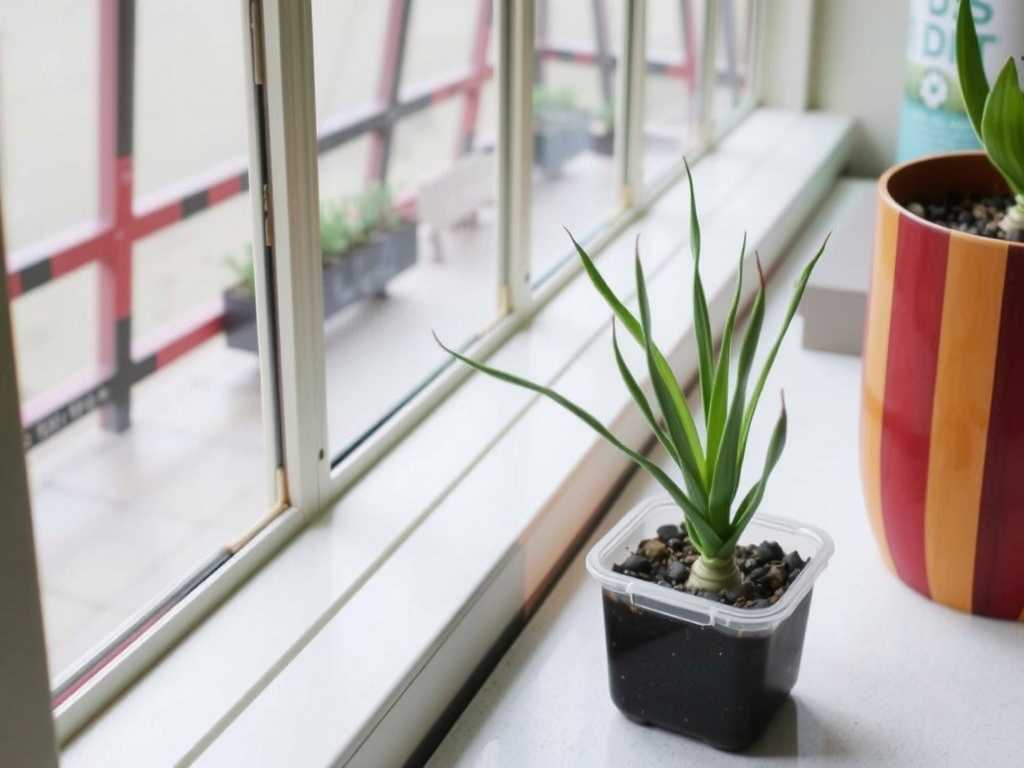
Pitfall 3: Overcorrecting with a Move to Low Light. Alarmed by the initial paling, I considered moving the plants far into the room. This would have swung the pendulum too far into low-light territory, potentially causing leggy growth and inhibiting pup production. The American Horticultural Society's (AHS) Encyclopedia of Garden Plants affirms that spider plants need good light to maintain variegation and encourage flowering and pupping. The key is filtering the direct hit, not eliminating the brightness.
Optimizing Your Winter Spider Plant Placement
Based on my two-week experiment, here is a streamlined guide for successful spider plant winter placement:
- Diffuse, Don't Remove: Always use a sheer curtain or blinds to soften direct winter sun. This creates the ideal light quality.
- Monitor the Microclimate: Check soil moisture more often. Consider a pebble tray or humidifier if your indoor air is dry.
- Rotate Regularly: Give the pot a quarter turn each time you water to ensure all sides receive even light and prevent the plant from leaning.
- Watch for Signals: Pale leaves mean too much direct sun. Leggy growth with few pups means too little light. Adjust accordingly.
Common Questions from Fellow Plant Lovers
Will my spider plant get enough light in a south-facing window in winter if I use a curtain? Absolutely. In fact, it will get the right kind of light. Winter sun is weaker in intensity but can be direct. The curtain filters out the harshness, providing the strong, diffused light that promotes healthy growth without the risk of scorch. My plants under the sheer curtain began producing a stolon, proof they were receiving ample energy.
How often should I water my spider plant on a south-facing sill in winter? There's no universal schedule. The warmer, drier conditions near the window will cause the soil to dry faster than elsewhere in your home. I shifted from a weekly check to checking the top inch of soil every 3-4 days. Water thoroughly only when the soil feels dry to that depth. It’s about frequency relative to the spot's conditions, not the calendar.
The tips of my spider plant are still browning, even with filtered light. What now? If you've managed the light and humidity, the next likely culprit is water quality. Spider plants are sensitive to fluoride and salts found in tap water. This sensitivity can be heightened when the plant is in a brighter, more active state. Try switching to distilled, rainwater, or filtered water for a few waterings. As the RHS suggests, this often resolves persistent tip-browning issues.
Placing a spider plant on a south-facing windowsill in winter can be a perfect strategy, but it requires a shift in perspective. It’s not a set-and-forget location. You are leveraging the brightest available light while actively managing its intensity. By diffusing the direct rays, staying attuned to the faster drying soil, and combating dry air, you transform a potential stress zone into a haven for growth. My two-week experiment turned a problem into a protocol, and now my spider plants don't just endure the winter on that sunny sill—they confidently prepare for a spring full of new pups.