bluename
 Kitchen spider plant care: Advantages & Notes for Oil Fume Absorption
Let's be honest. My kitchen used to be a battleground. Every time I sautéed garlic or seared a steak, a fine, greasy film would settle on every surface. The air felt heavy, and no amount of air freshener could mask that lingering cooking odor. I was desperate for a natural solution, something living that could help. That's when I turned my focus to kitchen spider plant care, specifically for its touted ability to tackle oil fumes and purify the air. I decided to run a real-life, two-week experiment to see if this common houseplant could truly make a difference in my greasy, aromatic kitchen.
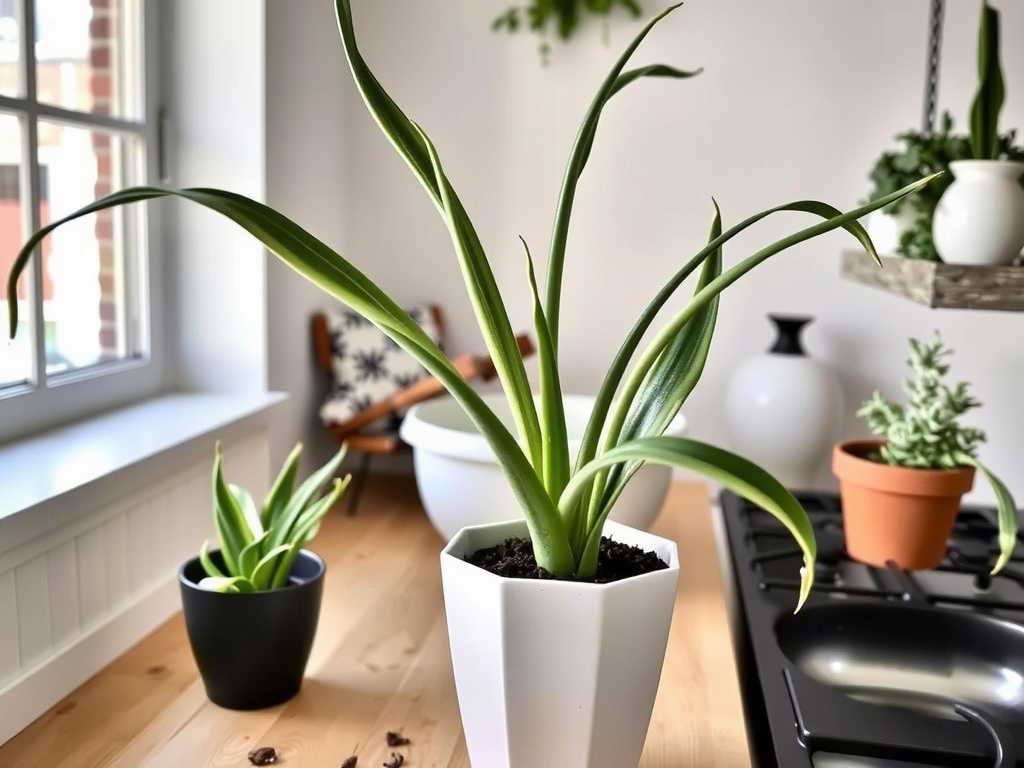
Why I Chose the Spider Plant for My Kitchen
Before I even bought the plant, I did my homework. I needed a plant that was tough, adaptable, and backed by some science. The spider plant (Chlorophytum comosum) kept coming up. Its reputation as a hardy, low-maintenance plant was appealing, but I was more interested in its air-purifying credentials.
I dug into the famous NASA Clean Air Study. While the study focused on sealed chambers and specific volatile organic compounds (VOCs) like formaldehyde and xylene, it established the spider plant as a capable air purifier. More importantly, organizations like the Royal Horticultural Society (RHS) and experts in horticultural therapy often highlight its resilience and adaptability to various indoor conditions. For me, this translated to a plant that could potentially handle the fluctuating humidity, temperature spikes, and yes, the airborne particulates from cooking in a real kitchen—not just a lab.
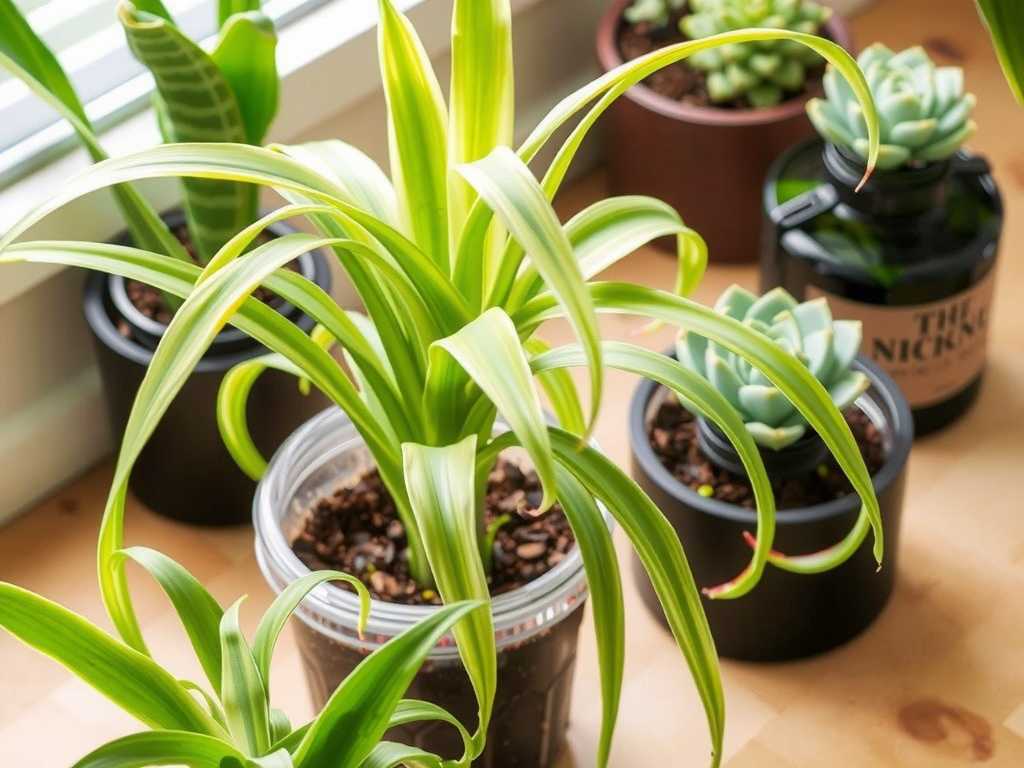
My core hypothesis was simple: by practicing proper kitchen spider plant care, I could leverage its foliage to absorb not just gases, but perhaps some of that oily particulate matter. The long, arching leaves seemed like perfect traps.
My Two-Week Kitchen Experiment: Setup and Daily Care Routine
I purchased a healthy, mature spider plant with plenty of "spiderettes" (the baby plantlets). I placed it on a hanging shelf about 8 feet from my stovetop, safely away from direct splatter but right in the path of the rising steam and fumes from my primary cooking area.
Here was my spider plant oil absorption care routine, which I followed diligently for 14 days:
Week 1: Observation and Adjustment
- Day 1-3: I kept the plant in its nursery pot for observation. I watered it thoroughly until water drained out the bottom, then waited for the top inch of soil to dry out. I quickly realized my first mistake: the nursery soil retained too much moisture. In my kitchen's warmer environment, this could lead to root rot.
- The Fix: On day 4, I repotted it into a container with excellent drainage, using a well-aerated, peat-based potting mix. This was a crucial step in maintaining spider plants near cooking areas—proper drainage is non-negotiable.
- Day 5-7: I began wiping the leaves gently with a damp, soft cloth every other day. The reason? A layer of dust and grease can clog the stomata (the plant's pores), hindering its ability to "breathe" and process air. The cloth showed a slight grayish residue after the first wipe—proof it was working as a physical filter.
Week 2: Routine and Results
- Day 8-14: My routine was set. Water only when the soil was dry to the touch. Mist the leaves lightly every morning to boost humidity and help wash away microscopic particles. Continue bi-weekly leaf wiping. I avoided using any leaf shine products, as these can block the leaves' natural functions.
The Visible and Sensory Results After 14 Days
The effects weren't dramatic, but they were noticeable and cumulative.
- Leaf Cleanliness: This was the most tangible proof. Before, wiping my kitchen cabinets weekly would leave a yellowish residue on the cloth. Now, the spider plant's leaves were intercepting some of that. Each wipe continued to remove a fine film, meaning it was capturing particulates that would otherwise settle elsewhere.
- Air Quality Perception: The heavy, "stale oil" smell that used to linger for hours after frying diminished more quickly. The air felt fresher. While the plant certainly wasn't eliminating odors entirely, it seemed to be contributing to a cleaner olfactory environment, likely by processing some airborne compounds. It worked best in tandem with my range hood.
- Plant Health: The spider plant thrived. It put out two new leaves and one of the spiderettes grew noticeably. This was a great sign; it wasn't just surviving the kitchen conditions—it was flourishing. This resilience is key for grease and air filtering houseplants.
The Pitfalls I Encountered and How I Solved Them
My experiment wasn't without its hiccups. Here’s what went wrong and how I fixed it:
- Pitfall 1: The Overwatering Trap. My initial fear of the dry kitchen air made me water too frequently. I saw the tips of two older leaves turn brown—a classic sign of overwatering or salt/mineral buildup.
- Solution: I stuck my finger in the soil. It was still damp an inch down. I immediately switched to the "dry touch" test and used filtered water for watering to reduce mineral content. The browning stopped.
- Pitfall 2: Grease Buildup on Leaves. By day 10, I noticed the leaves near the stove felt slightly tacky.
- Solution: I increased leaf wiping to twice a week with a cloth dipped in a solution of 1 part mild dish soap to 4 parts water, followed by a wipe with clean water. This gently cut the grease without harming the plant. I also moved the plant 2 feet further back during particularly heavy frying sessions.
- Pitfall 3: Insufficient Light. The shelf was a bit too dark. The plant wasn't declining, but growth was slower.
- Solution: I added a small, low-wattage LED grow light above it for 6 hours a day. Within days, the foliage looked more vibrant. Remember, a healthy, photosynthesizing plant is a more effective air-purifying plant.
Optimizing Your Spider Plant for Kitchen Duty
Based on my experience, here’s how to maximize your plant's fume reduction capabilities:
- Strategic Placement: Hang it or place it on a high shelf near the cooking zone but out of direct heat and splatter. Good air circulation is key.
- Leaf Hygiene is Everything: Regular, gentle cleaning of the leaves is not just cosmetic; it's essential maintenance for air purification. Think of it as cleaning your plant's air filter.
- Water with Care: Err on the side of underwatering. Let the soil dry out between waterings. Use tepid, filtered water if possible to prevent tip burn.
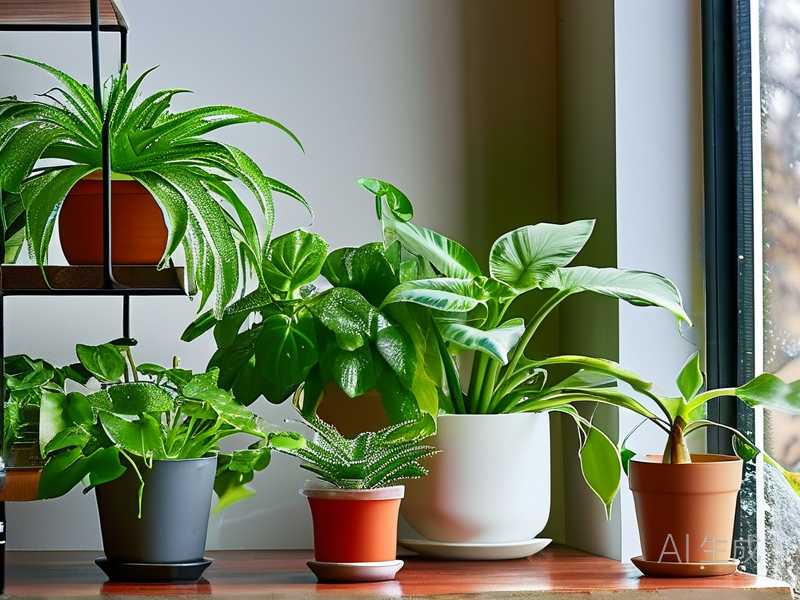
- Boost Humidity: Group it with other plants or use a pebble tray to create a microclimate. Misting helps, but cleaning is more important for grease interception.
- Feed Lightly: During the growing season (spring/summer), a half-strength balanced liquid fertilizer once a month is plenty. A overfed plant in a stressful environment is more prone to issues.
Frequently Asked Questions
Can a spider plant completely remove kitchen smells and grease from the air? No, and it's important to manage expectations. A spider plant is a fantastic supplemental air purifier. It helps reduce certain VOCs and captures particulate matter on its leaves, which can lessen odors and surface grease. However, it should work alongside, not replace, a good range hood or ventilation fan.
Are spider plants safe for kitchens with pets? Yes, according to the ASPCA, spider plants are non-toxic to both cats and dogs. However, cats are often attracted to the long, dangling leaves and spiderettes, which can lead to chewed foliage. Hanging the plant is often the best solution.
The tips of my spider plant's leaves are turning brown. What am I doing wrong? Brown tips are very common and are usually a sign of either low humidity, overwatering, or a buildup of fluoride and chlorine in tap water. Try using distilled or filtered water, ensure you're not keeping the soil soggy, and consider occasional misting. You can snip the brown tips off at an angle for aesthetics.
Embracing kitchen spider plant care has been a rewarding journey. It hasn't magically erased all cooking fumes, but it has created a noticeably fresher atmosphere and given me a sense of proactive control over my kitchen's environment. This resilient plant, with just a bit of targeted care—especially consistent leaf cleaning—becomes more than just decor; it becomes a silent, growing partner in your quest for a healthier, more pleasant home. Give it the right spot, pay attention to its leaves, and you might just breathe a little easier.