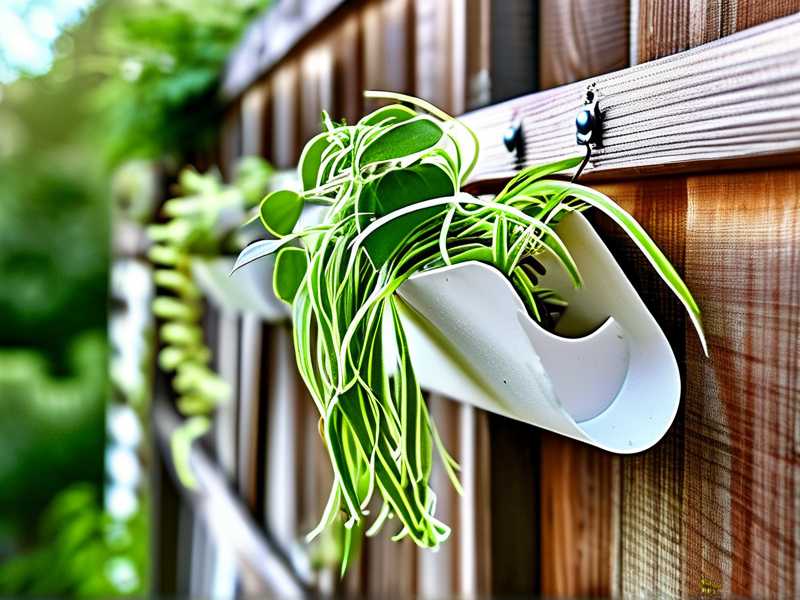
bluename
 Trailing spider plant Care: Pruning & Shaping Overlong Runners
You love the lush, cascading look of a healthy spider plant, but lately, those enthusiastic runners have become a tangled mess. They’re spilling over the pot, touching the floor, and the plant itself seems to be putting all its energy into making babies instead of growing fuller. I’ve been there. As a long-time indoor gardener, I know that managing trailing spider plant care, especially when it comes to pruning and shaping overlong runners, is a common challenge. It’s not just about aesthetics; it’s about plant health and redirecting energy for more vigorous growth. In this guide, I’ll walk you through my hands-on process, from the initial snip to the thriving results two weeks later, including every stumble and solution I found along the way.
Why Pruning Your Spider Plant’s Runners is Essential
Let’s be clear: those long stems with plantlets, called stolons or runners, are a sign of a happy, mature spider plant. But left unchecked, they can become a problem. The Royal Horticultural Society (RHS) notes that while propagation is a natural strength, excessive runner production can sometimes drain the mother plant’s resources. My goal with shaping overlong runners was twofold: to tidy up the plant’s appearance and to encourage it to focus energy back into its core foliage, promoting a denser, healthier center. It’s a simple act of redirecting growth for the plant’s ultimate benefit.
My Step-by-Step Process for Pruning and Shaping
I gathered my tools: a pair of sharp, clean pruning shears, a bowl for the cuttings, and a fresh pot with soil for propagation. Here’s exactly what I did.
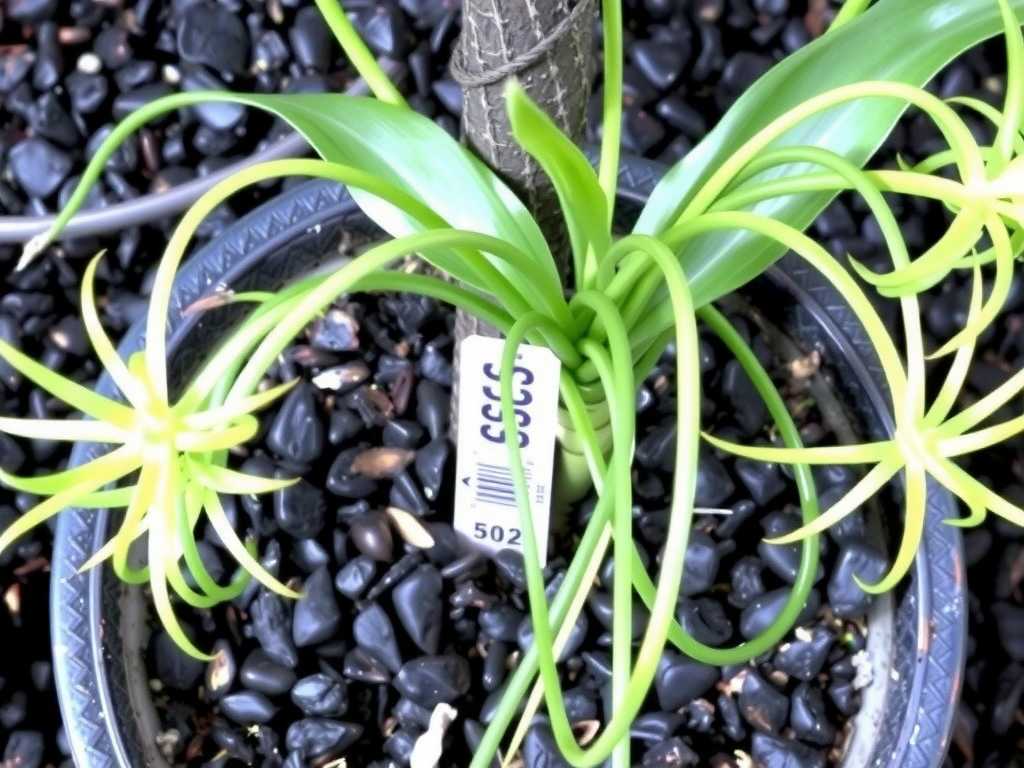
Step 1: The Assessment and Strategic Cut I first spent time looking at my spider plant from all angles. I identified the longest, most tangled runners, particularly those that were brownish or had already dropped their plantlets. The key is to cut the runner stem close to its base of origin on the mother plant. I made clean, angled cuts about a quarter-inch from the main cluster of leaves. For runners that were still healthy and had robust plantlets I wanted to keep, I used a different tactic for managing spider plant trails: I cut the runner stem behind the plantlet, leaving about 1-2 inches of stem attached to the baby. This stem can be placed in water or soil to root the new plant.
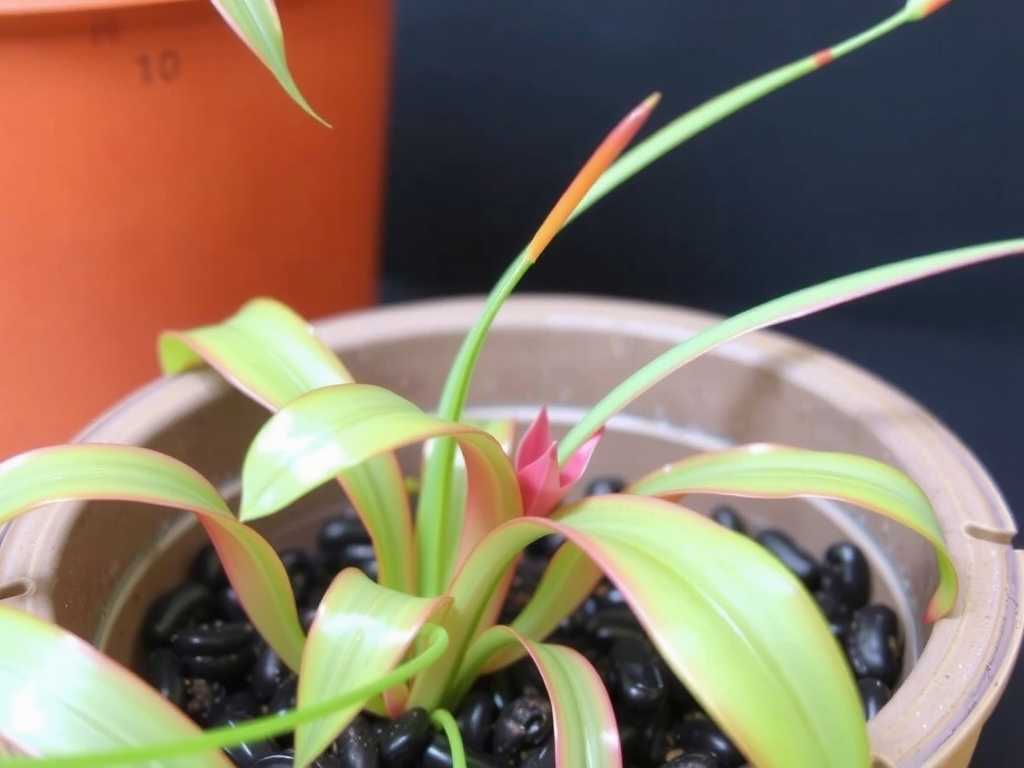
Step 2: Thinning for Light and Air After removing the obvious offenders, I looked inside the plant. I gently lifted the foliage to find any runners growing inward, crossing over each other, or blocking light from the center. Thinning these out improves air circulation, which the American Horticultural Society (AHA) emphasizes as crucial for preventing fungal issues in dense foliage. I removed about one-third of the total runners, aiming for a balanced, open shape.
Step 3: Propagation from the Cuttings Instead of discarding the healthy plantlets, I prepared a new pot. Following best practices for spider plant runner maintenance, I placed several plantlets with their short stems into a small container of water, ensuring only the base was submerged. Others I planted directly into moist potting mix, holding them in place with a bent paperclip. This turns pruning into an opportunity for more plants.
The Two-Week Observation: What Actually Happened
The immediate effect was visual—the plant looked instantly neater and lighter. But the real changes came in the days that followed.
Days 1-3: The mother plant showed no signs of stress. The cut ends of the remaining runners calloused over cleanly. The propagated plantlets in water showed tiny root nubs.
Days 4-7: I noticed a subtle change. The center of the mother plant, now receiving better light, seemed to have a slightly deeper green hue. A couple of brand new, small leaves began to emerge from the soil line—a sign it was directing energy downward and inward. The water-propagated plantlets had roots nearly an inch long.
Days 8-14: This was the most rewarding phase. The new central growth became undeniable. Two to three fresh, vibrant leaves unfurled from the mother plant’s core. It looked fuller and more upright, not just a fountain of runners. The plantlets potted in soil were established, and the ones in water were ready for potting. The trailing spider plant care intervention was a clear success; the plant was rejuvenated.
The Pitfalls I Encountered (And How I Fixed Them)
My process wasn’t flawless. I made a couple of common mistakes that you can easily avoid.
Pitfall 1: The “Just a Little More” Snip. In my initial zeal, I started cutting runners with smaller, less-developed plantlets that I later wished I’d kept for propagation. I felt I’d been too aggressive in one section.
- Solution: I learned to pause after each cut. It’s easier to cut more later than to reattach a runner. Now, I always do a first pass to remove only the obviously overlong, bare, or damaged runners, then reassess.
Pitfall 2: The Dull Blade Crush. I initially used old scissors that pinched and crushed the runner stem rather than slicing it cleanly. This can leave a damaged end more susceptible to disease.
- Solution: I switched to my sharpest pruning shears, sterilized with rubbing alcohol. A clean cut heals faster and minimizes stress on the plant, a fundamental principle of proper pruning and shaping overlong runners.
Pitfall 3: Overwatering After the “Haircut.” I mistakenly thought the pruned plant needed extra water to recover. The soil stayed too damp for a few days.
- Solution: I remembered that with less foliage (the runners), the plant’s transpiration rate is temporarily reduced. I allowed the soil to dry out more thoroughly between waterings, returning to my normal schedule only when new growth confirmed increased activity.
Frequently Asked Questions
Will cutting the runners hurt my spider plant? Not at all. When done correctly, it’s beneficial. Spider plants are remarkably resilient. Pruning signals the plant to focus its energy on root and core foliage development, often leading to a healthier, more attractive plant. Think of it as a guiding hand, not a punishment.
Can I just coil the long runners back into the pot instead of cutting? You can, and I’ve tried it. While it keeps the plantlets attached, it often creates a crowded, matted layer on top of the soil that can trap moisture and hinder new shoots from the mother plant. For long-term spider plant runner maintenance, pruning and separate propagation is usually the healthier choice for both the mother and the babies.
How often should I prune the runners? There’s no strict calendar. I prune based on the plant’s appearance and my desired look. Typically, a thorough shaping of overlong runners once or twice a year is sufficient. You can also do light, ongoing maintenance by snipping off individual runners as they become too long or start to brown.
Managing your spider plant’s trails is a simple yet impactful part of its care. It transforms an unruly specimen into a sculpted, thriving centerpiece. By assessing carefully, cutting cleanly, and propagating the bounty, you engage in the full cycle of plant care. The reward is a happier mother plant and the gift of new generations to spread the green. Grab your shears with confidence—your plant will thank you for it.