bluename
 spider plant Shading in Summer: My 2-Week Experiment with 50% Light Transmittance Shade Cloth
As a dedicated spider plant enthusiast, I’ve always prided myself on keeping my Chlorophytum comosum lush and thriving. But every summer, the same problem emerges. The intense, direct sunlight bleaches their vibrant green and white stripes, leaving them with scorched, crispy leaf tips. I knew they needed protection, but the question was: how much? After some research, I kept coming across a specific recommendation—using a shade cloth with 50% light transmittance for spider plant shading in summer. It sounded perfect in theory, but I needed to see it in action. So, I decided to run a real-world, two-week experiment to test this solution myself.
Why Spider Plants Need Summer Shade
Spider plants are often touted as indestructible, which is true for low light. But their Achilles' heel is strong, direct sun. In their natural habitat, they grow under the canopy of other plants. The American Horticultural Society’s heat zone map reminds us that many common houseplants, including spider plants, originate from regions where filtered light is the norm, not the exception.
Prolonged exposure to intense summer sun leads to photobleaching. The gorgeous variegation fades to a dull yellow. More critically, the leaf cells literally cook, resulting in those unsightly brown, dead tips. My goal wasn't just survival; it was to maintain their health and aesthetic beauty through the hottest months. That’s where the concept of precise light modulation comes in.
Selecting the Right Shade Cloth: Why 50% Transmittance?
Not all shade cloths are created equal. They come in various densities, typically ranging from 30% to 80% shade. A 30% cloth blocks only 30% of light, while a 50% cloth blocks half—allowing the other 50% to pass through. This 50% light transmittance struck me as the ideal middle ground for spider plant shading.
It provides a “bright shade” environment. It’s enough to diffuse and soften the harsh midday rays, preventing scorching, while still delivering ample luminous energy for photosynthesis. The Royal Horticultural Society (RHS) notes that many foliage plants prefer bright, indirect light, which a 50% cloth can effectively create from a direct sun situation. It mimics the dappled light of their natural understory homes perfectly.
My Step-by-Step Shading Setup Process
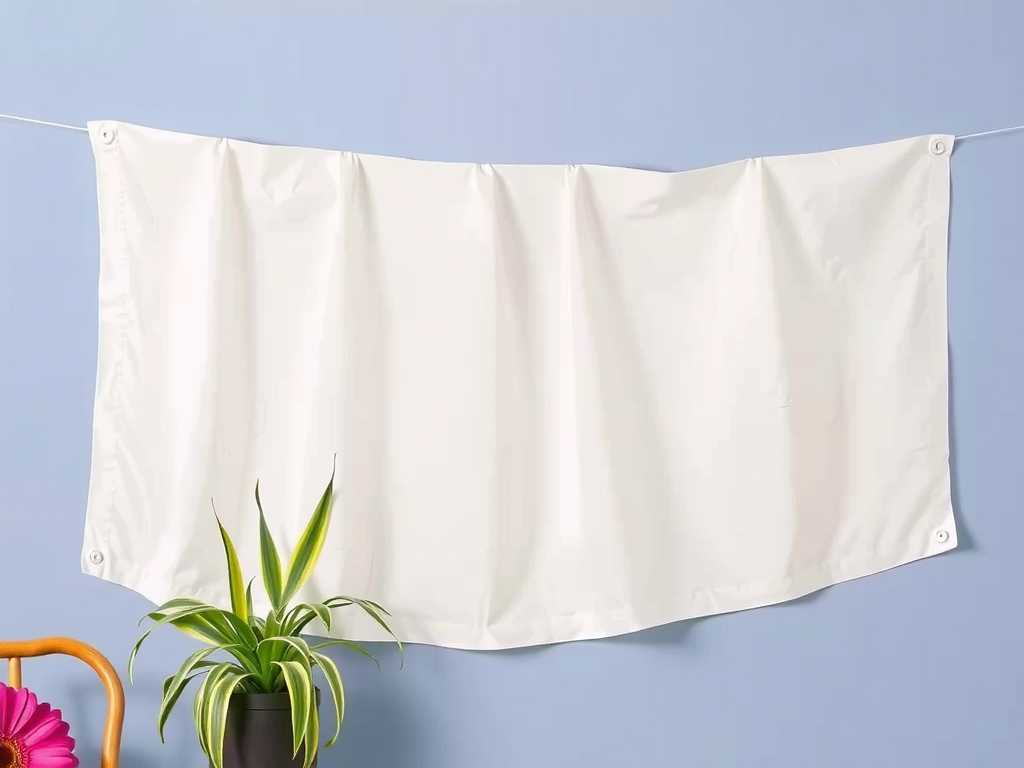
I chose a standard, woven polyethylene shade cloth with a 50% density. It’s UV-stabilized and lightweight. My test subjects were two mature, variegated spider plants that had been living on my east-facing patio, starting to show signs of stress.
Week 1: Installation and Initial Adjustment
Day 1-3: I constructed a simple frame using PVC pipes around my patio seating area where the plants reside. Draping the cloth over the top, I secured it with zip ties, ensuring it was taut to prevent sagging. Immediately, the quality of light changed. The sharp shadows were gone, replaced by a soft, even glow. I placed my plants back in their spots.
My first observation was immediate relief—for both me and the plants! The temperature under the cloth felt noticeably cooler. I used a light meter to compare: full sun read over 100,000 lux; under the 50% cloth, it was a gentle 50,000-55,000 lux.
Day 4-7: I monitored soil moisture closely. This was my first “aha” moment. Under the cloth, the soil dried out slightly slower than it did in full sun. I adjusted my watering schedule, adding an extra day between waterings to prevent overwatering. The plants showed no signs of shock. The existing green color looked richer, and the white stripes seemed to pop more against the darker green, free from the whitish bleaching effect.
Week 2: Observing Recovery and New Growth
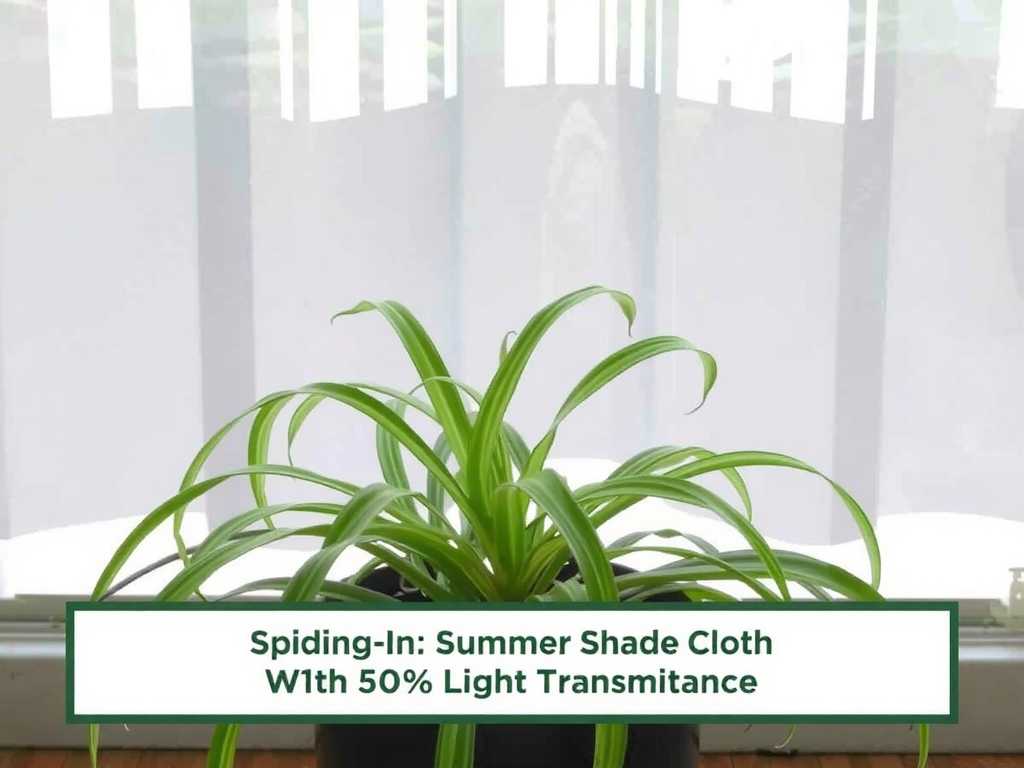
Day 8-14: This is where the magic became undeniable. The stressed, slightly pale leaves from early summer began to regain their deep, emerald green hue. Most importantly, the progression of brown leaf tips completely halted. Not a single new scorch mark appeared on any new or existing foliage.
Even more exciting was the growth. I noticed not just one, but several new spiderettes (offsets) beginning to form. The plant was clearly no longer in defensive mode; it was thriving. The new leaves unfurling were robust, perfectly colored, and had zero tip burn from the start. The 50% light transmittance was providing the perfect amount of energy for growth without the damaging side effects.
The Pitfalls I Encountered (And How I Fixed Them)
My experiment wasn’t without its hiccups. Here’s what went wrong and how I solved it.
-
The Wind Flap Problem: A few days in, we had a breezy afternoon. The loosely draped edges of the cloth flapped loudly and abraded against some older leaves, causing minor physical damage. Solution: I went back and used more zip ties and bungee cords to secure the cloth tightly on all sides to the frame, eliminating any loose material. For a permanent setup, grommets and hook ties would be even better.
-
Ignoring Ambient Heat: While the cloth filtered light, the first week was a heatwave. I realized that while light was managed, radiant heat from nearby concrete walls was still raising the local temperature. Solution: I started a routine of lightly misting the patio floor around the plants in the early evening (not the leaves directly, to avoid fungal issues). This created a slight cooling effect through evaporation, complementing the shade cloth’s work.
-
Assuming “Set and Forget”: My initial watering adjustment wasn’t quite right. I underestimated how much the microclimate under the cloth would change evaporation rates. Solution: I stuck my finger in the soil every two days. By the end of the two weeks, I had a new, perfect rhythm: deep watering every 5-6 days instead of every 4. This is a critical step—always let the plant’s soil, not a calendar, guide you.
The Verdict After 14 Days
The results were conclusive. Using a 50% light transmittance shade cloth for spider plant shading in summer is a game-changer. It transformed a stressful, high-light environment into a bright, indirect light haven where my spider plants could not only survive but visibly flourish. The cessation of leaf scorch and the promotion of healthy, colorful new growth were all the proof I needed. This method provides optimal light filtration, creating the ideal conditions for vibrant spider plant foliage.
Common Questions from Fellow Plant Lovers
Can I use a higher density cloth, like 70% shade? You can, but watch for signs of insufficient light, such as slower growth, fewer offsets, and leaves that may become less rigid or darker green as the plant stretches for light. For most home gardeners, 50% is the sweet spot for balancing protection and growth energy.
What about indoor spider plants near a hot south window? The same principle applies! You can use a sheer curtain with a similar light-filtering quality. Alternatively, moving the plant a few feet back from the window or using a static-cling window film designed to diffuse light can achieve a comparable effect to outdoor shade cloth.
Is morning sun okay without shading? For many, yes. Gentle morning sun is often tolerated well. My issue, and the issue for many, is the intense, prolonged afternoon sun. If your plants only get direct sun before 10 AM, you might not need a cloth. But if the strong afternoon rays hit them, that’s when implementing a shading strategy with a product like a 50% transmittance cloth becomes crucial for preventing damage and maintaining perfect leaf color.