bluename
 spider plant Leaves Wilting: Is It Due to Low Temperature or Lack of Fertilizer?
There's nothing more disheartening for a plant lover than seeing once vibrant, arching leaves begin to droop and lose their vigor. I've been there, staring at my beloved spider plant, its tips browning and leaves wilting, feeling a pang of worry. The immediate questions that raced through my mind were exactly what many of us face: Spider plant leaves wilting – is it a sign of cold stress, or is my plant silently starving for nutrients? Over two weeks of dedicated observation and intervention, I turned my struggling plant into a case study to find the real answer. This journey wasn't just about revival; it was about understanding the subtle language of chlorophytum comosum.
My initial diagnosis was split between two common culprits. The plant sat near a window that got drafty in the evenings, and I realized I hadn't fed it in over three months. Could it be the low temperature affecting spider plants, or a classic case of spider plant fertilizer deficiency? I decided to tackle both possibilities systematically, documenting every step and change.
Week 1: The Investigation and Initial Interventions
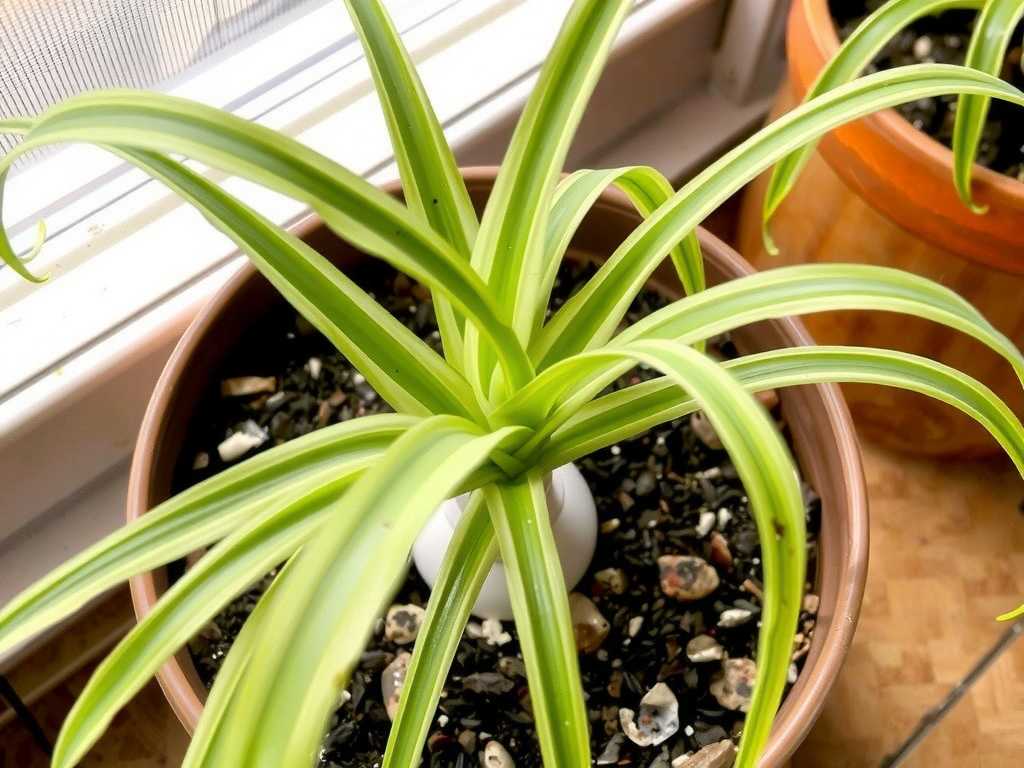
First, I had to rule out the basics. I checked the soil moisture and found it was neither soggy nor bone dry, eliminating immediate over or under-watering. The roots were healthy and white, not mushy or brown. This confirmed my focus on temperature and nutrients.
Addressing the Potential Cold Stress
The wilting was more pronounced on the side facing the window. I used a simple digital thermometer to track ambient and soil temperatures over 48 hours. To my surprise, during the night, the area around the pot dropped to 55°F (13°C), while the rest of the room stayed at 68°F (20°C). The Royal Horticultural Society (RHS) notes that spider plants prefer temperatures above 50°F (10°C) and thrive between 70-90°F (21-32°C). Prolonged exposure below their comfort zone can slow growth and cause leaves to become limp and pale.
My immediate action was to move the plant to a consistently warm spot, away from drafts, where the temperature remained a steady 70°F (21°C). I also placed it on a pebble tray to increase local humidity, as dry, cold air compounds stress. For the first three days, I observed no dramatic improvement. The leaves remained soft and wilted. This was my first "aha" moment: cold damage recovery is slow. The plant wasn't actively dying, but it wasn't perking up either. This hinted that temperature might be a contributing factor, but perhaps not the sole villain.
Tackling the Nutrition Hypothesis
Concurrently, I considered the fertilizer aspect. I recalled that the American Horticultural Society (AHS) advises feeding spider plants every 2-4 weeks during the active growing season (spring and summer) with a balanced, water-soluble fertilizer diluted to half strength. My plant had been in a state of nutritional hiatus.
I proceeded with extreme caution. The last thing a stressed plant needs is fertilizer burn. I prepared a solution of a balanced 10-10-10 fertilizer, diluting it to a quarter of the recommended strength—even more cautious than the half-strength advice. I watered the plant thoroughly with this weak solution, ensuring proper drainage. My goal wasn't to shock it with food but to gently provide available nutrients if it was indeed deficient.
Week 2: Observations, Adjustments, and The Turning Point
Days 4-7 post-intervention were a period of patience. The plant in its new, warm location showed a slight firming up in the newer, central leaves, but the older outer leaves remained disappointingly limp. The color was still lackluster. I was starting to doubt my methods.
Then, I revisited a crucial detail: light. In moving the plant away from the drafty window, I had also moved it to a slightly shadier spot. Spider plants need bright, indirect light to fuel their metabolism and utilize nutrients effectively. I adjusted its position again, this time to a warm spot with plenty of filtered light.
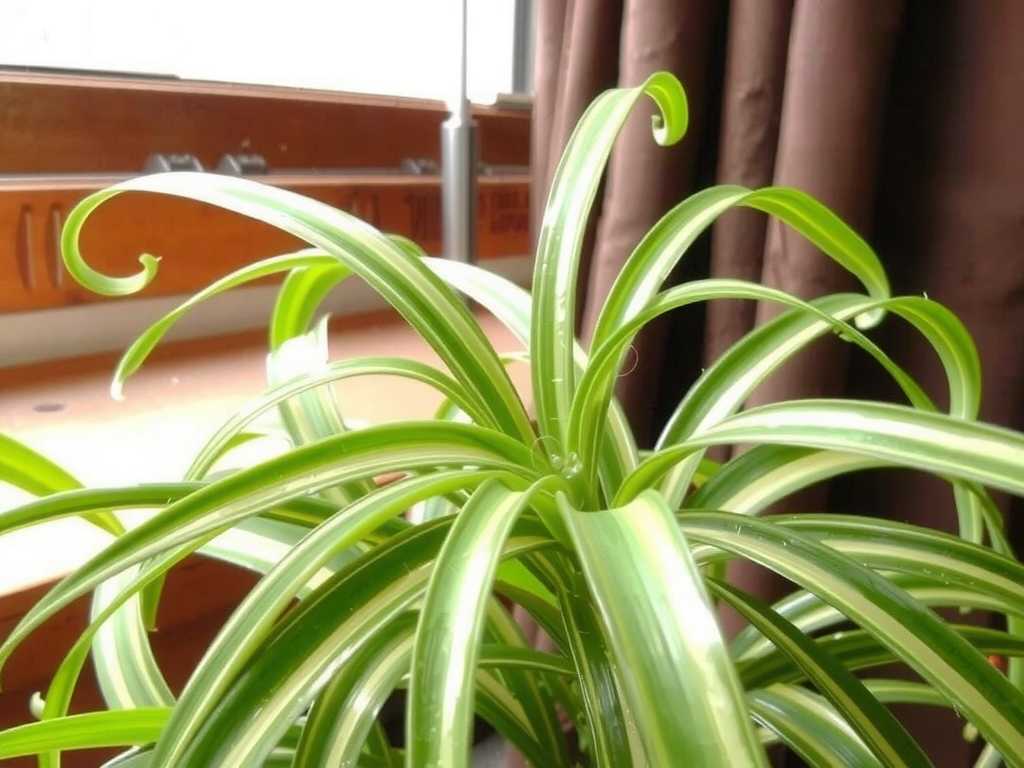
This combination—consistent warmth, better light, and the initial weak nutrient boost—created the perfect storm for recovery. Around day 10, I noticed unmistakable changes. The newest leaves were standing taller and felt taut to the touch. A subtle, healthier green was returning to the foliage. Most tellingly, I spotted the very beginning of a tiny stolon (runner) forming at the base. This was the plant's clear signal: "I have enough energy to reproduce."
Encouraged, I performed a second, slightly stronger feeding on day 14. I used the same balanced fertilizer, but this time at half the recommended strength, as per standard guidance. The response within 48 hours was remarkable. The wilting reduced significantly, and the entire plant exhibited a renewed, perky posture.
The Verdict: A Synergistic Culprit
My two-week experiment revealed that wilting spider plant leaves are rarely due to a single, isolated issue. In my case, it was a synergistic problem. The low temperature had put my plant into a state of physiological slowdown, hindering its ability to uptake water and nutrients efficiently. This made the existing lack of fertilizer more acute. The plant wasn't just cold; it was cold and hungry, unable to process what little resources it might have had.
The fix wasn't merely adding fertilizer or moving the plant. It was about correcting the environment first (temperature and light) to allow the plant to resume normal functions, then supporting it with appropriate nutrition. Correcting the temperature alone would have led to a very slow recovery. Adding fertilizer to a cold, slow-metabolism plant could have been ineffective or even harmful. The sequence and combination were key.
How to Prevent Your Spider Plant Leaves from Drooping
Based on my experience, here is a clear action plan. First, become a temperature detective. Monitor your plant's location for drafts and nighttime drops. Maintain a steady temperature above 70°F (21°C) for optimal health. Second, establish a mindful feeding schedule. During growth periods, use a balanced, diluted liquid fertilizer every 3-4 weeks. In fall and winter, reduce or stop feeding. Finally, always ensure bright, indirect light and proper watering practices as your foundational care. Healthy roots in well-draining soil are non-negotiable.
What are the first signs of a spider plant being too cold? The earliest signs are often a general loss of firmness, with leaves becoming soft and limp rather than dry and crispy. Growth will completely stall, and leaves may develop a dull, pale green or even yellowish tinge, particularly at the margins.
Can I use any houseplant fertilizer for my spider plant? Yes, but with caution. A balanced, all-purpose houseplant fertilizer (with equal NPK numbers like 10-10-10 or 20-20-20) is ideal. The critical step is dilution. Spider plants are sensitive to salt buildup, so always dilute to half or even a quarter strength, especially if the plant is stressed or you are fertilizing in low-light conditions.
How long does it take for a wilted spider plant to recover? Do not expect overnight miracles. After correcting the primary issues (temperature, light, water), you may see slight improvement in firmness within a week. However, for a full recovery with new, healthy growth and the disappearance of wilt, it typically takes 2 to 4 weeks. Patience and consistent, correct care are your best tools.
Seeing your spider plant wilt can trigger alarm, but it's a solvable puzzle. The interplay between environmental factors like temperature and care routines like fertilization is delicate. My two-week journey proved that successful revival hinges on holistic diagnosis—checking the environment before acting on nutrition. By providing consistent warmth, adequate light, and measured nutritional support, you give your spider plant the resilience to not just recover, but to thrive and produce those cheerful little plantlets we all love.