bluename
 Mold on spider plant Leaf Undersides: My 2-Week Battle for a Healthy Plant
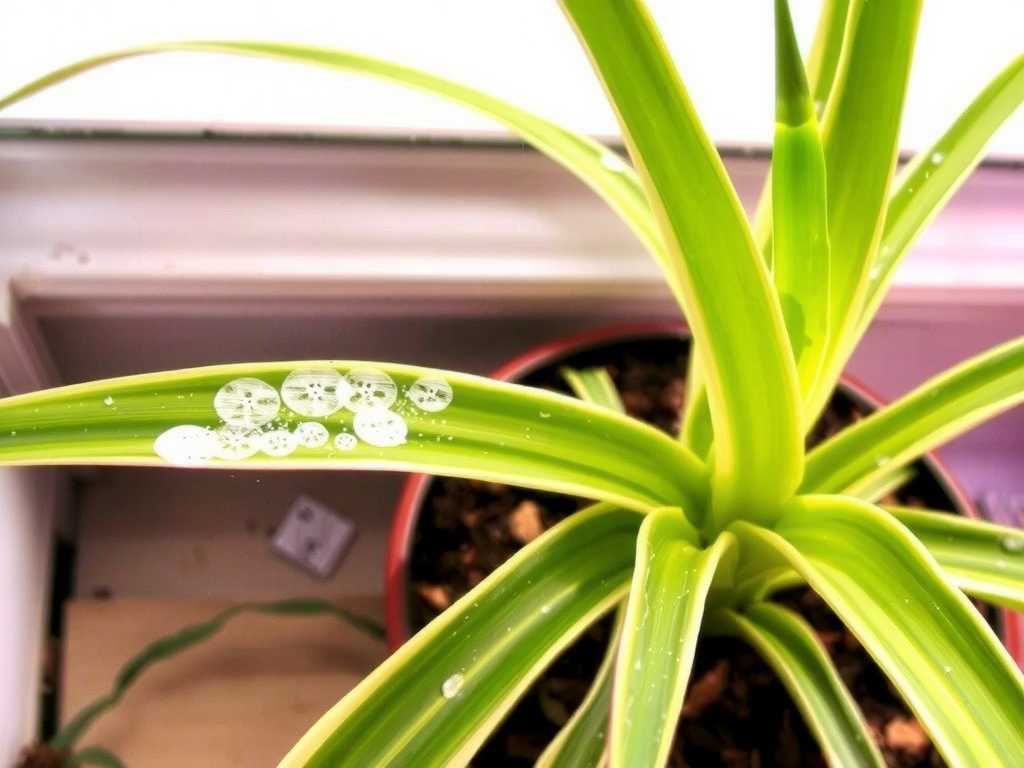
There's a special kind of plant-parent panic that sets in when you turn over a leaf and find something fuzzy and white where it shouldn't be. That was me two weeks ago, staring at the unmistakable mold on spider plant leaf undersides. My usually vibrant, cascading Chlorophytum comosum had developed patches of a powdery, grayish-white substance on the backs of its leaves, primarily on the older growth closer to the soil. It wasn't just an eyesore; it was a red flag. I knew from experience that ignoring this could lead to stunted growth, leaf decay, and even spread to my other houseplants. This time, I decided to document my entire process, focusing not on harsh chemicals, but on correcting the environment: ventilation and dehumidification treatment.
My goal was clear: eradicate the existing mold and create an environment where it couldn't return. I committed to a two-week protocol of observation and adjustment.
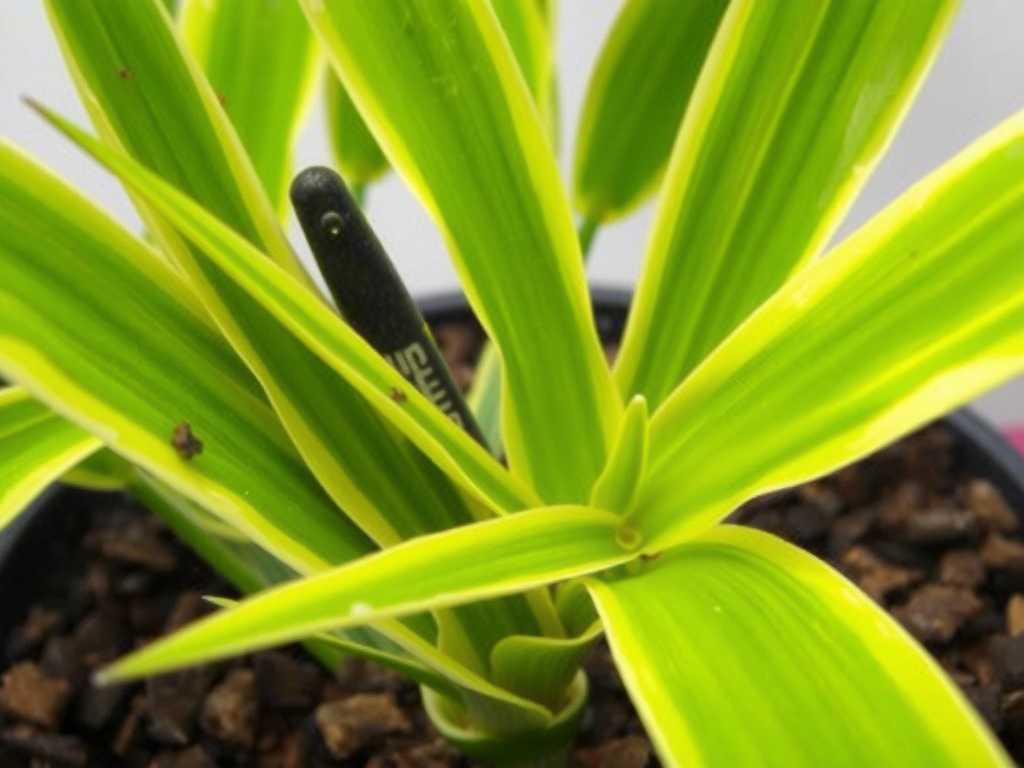
Understanding the Enemy: Why Mold Targets Spider Plant Leaves
Before taking action, I needed to know what I was fighting. This mold was likely a saprophytic fungus, thriving on organic debris in consistently damp, still air. Spider plants are relatively hardy, but their dense rosette of leaves can trap moisture, especially under the leaves of spider plants where airflow is minimal. The Royal Horticultural Society (RHS) notes that poor air circulation is a key contributor to fungal issues on indoor foliage. My plant was in a bathroom with a small window—a classic setup for high humidity and low airflow, the perfect recipe for this problem.
My Two-Week Ventilation and Dehumidification Action Plan
I broke my strategy into immediate treatment and long-term environmental correction.
Week 1: The Initial Assault and Environmental Overhaul
Day 1-3: Isolation and Physical Removal First, I quarantined the plant away from others. Wearing gloves, I gently wiped every affected leaf underside with a soft cloth dipped in a solution of 1 part 3% hydrogen peroxide to 4 parts water. I was careful not to drench the soil. This helps kill surface mold without being too harsh. I then pruned two severely affected leaves at the base to remove major spore sources. A critical mistake I made here initially was using a damp cloth with just water, which simply smeared the spores. The hydrogen peroxide solution was far more effective.
Day 3-7: Implementing Airflow and Humidity Control This was the core of my treatment for mold on indoor plants. I moved the plant to a room with a ceiling fan.
- Ventilation Strategy: I set the fan on a low, constant setting to create a gentle, perpetual breeze around the plant, not a direct gust. I also opened a window for at least an hour each morning to introduce fresh air exchange. The difference was noticeable within days—the soil surface dried more evenly.
- Dehumidification Tactics: I placed a small room dehumidifier about six feet from the plant, setting it to maintain 50% relative humidity. I also grouped it with other plants that enjoy similar humidity (like my peace lily) to create a slightly better microclimate through transpiration, a tip I adapted from the American Horticultural Society's (AHA) advice on managing indoor garden humidity.
- Watering Adjustment: I completely stopped my usual top-watering schedule. Instead, I began checking soil moisture by feeling it an inch deep. I would only water when it was dry, and I started using the bottom-watering technique. I placed the pot in a saucer of water for 20 minutes, allowing the soil to wick up what it needed. This kept the top layer of soil and the base of the leaves much drier.
The First Week's Observations: By Day 7, the visible mold had not returned to the cleaned leaves. The new growth emerging from the center looked clean and healthy. However, I noticed a few older leaves yellowing—a sign of the plant's stress from both the mold and my aggressive cleaning. I resisted the urge to over-correct and simply removed them.
Week 2: Reinforcement and Fine-Tuning
Day 8-14: Monitoring and Adjusting The second week was about consistency and observation. I continued the fan, dehumidifier, and bottom-watering routine.
- The "Circulation" Pitfall and Fix: Around Day 10, I noticed the tips of a few leaves began to brown—a classic sign of low humidity or fluoride in water. I realized my dehumidifier, paired with the fan, was perhaps pulling too much moisture from the air right around the foliage. My fix was to move the dehumidifier to the corner of the room (about 10 feet away) to manage the room's overall humidity without creating a direct, dry draft on the plant. I also switched to watering with distilled water.
- Continued Inspection: Every other day, I diligently checked the underside of spider plant leaves, especially near the base. No new fuzz appeared.
The Two-Week Verdict: A Clear Victory After 14 days, the results were conclusive. The mold was gone. The plant's overall posture seemed better; the leaves were perkier. Most importantly, the environment was no longer hospitable to the fungus. The combination of persistent, gentle airflow and controlled ambient humidity had broken the cycle.
Maintaining a Mold-Free Environment for Good
Winning the battle is one thing; winning the war is another. Here’s how I’ve adjusted my long-term care to prevent mold growth on houseplants:
- Permanent Airflow: The ceiling fan now runs on low whenever the indoor temperature is above 65°F. For plants in stiller corners, I’ve added small, oscillating desktop fans.
- Strategic Watering: I am now a devout convert to bottom-watering for my spider plant and others prone to crown rot or leaf mold. I let the top inch of soil dry out completely between sessions.
- Regular Leaf Maintenance: I make it a habit to gently wipe down leaves with a dry microfiber cloth during my weekly plant check-up. This removes dust and allows me to inspect for early signs of trouble.
- Humidity Awareness: I keep a simple hygrometer near my plant collection. I aim to keep relative humidity between 45-55%, which is comfortable for both my spider plants and me.
Questions I Had Along the Way (And What I Learned)
Can I just cut off the moldy leaves and be done? Pruning is a good first step to remove heavy infestation, but it's not a cure. If the environmental conditions that caused the mold (stagnant, humid air) remain unchanged, the fungus will almost certainly return on the remaining healthy foliage. Treatment must address the root cause.
Will a fungicide spray solve the problem faster? While a fungicide can be a useful tool for severe cases, it treats the symptom, not the cause. For a saprophytic mold fueled by humidity and poor air circulation, environmental correction is the most effective and sustainable solution. Fungicides can also stress an already struggling plant. My ventilation and dehumidification approach is a safer, long-term fix.
How do I know if it's mold or something else, like mineral deposits? Mold is typically fuzzy, powdery, or slimy and can be smeared or scraped off. Mineral deposits from hard water are usually crusty, white, and speckled, and they feel gritty. They also tend to be on the top surfaces of leaves from overhead watering. Mold on spider plants favors the hidden, damp underside.
Seeing mold on your spider plant can be alarming, but it's often a manageable issue. My two-week journey proved that by shifting focus from just treating the plant to actively managing its environment—specifically through enhanced ventilation and deliberate dehumidification—you can not only solve the current outbreak but also build a stronger defense for the future. The health of your plant is deeply intertwined with the air it breathes. By giving it the gift of good circulation and balanced humidity, you're ensuring those graceful, arching leaves stay clean, strong, and beautifully green.