bluename
 Pests in spider plant Potting Soil: My Journey to Finding the Right Natural Insecticides
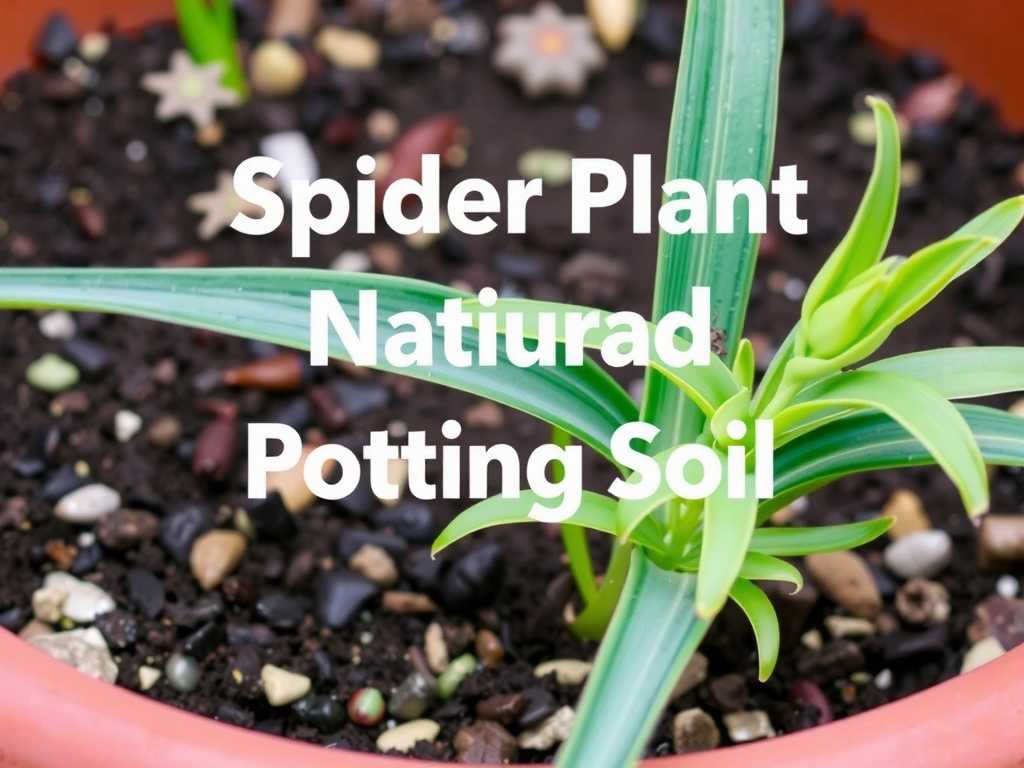
There's nothing quite like the heart-sinking moment when you notice tiny, unwelcome guests thriving in your beloved spider plant's soil. I've been there. One day, my vibrant, arching spider plant (Chlorophytum comosum) started looking a bit off—slightly yellowing leaves, a lack of its usual vigorous growth. Upon closer inspection, I saw them: tiny fungus gnats hovering above the soil and what looked like minute, pale bugs scurrying when I moved the top layer. Pests in spider plant potting soil had officially moved in. I was determined to evict them, but as a plant enthusiast who prefers to keep things as organic as possible, reaching for harsh chemical pesticides was my last resort. My mission became clear: to find, test, and identify the most effective natural insecticides for this common problem.
This is my hands-on account of battling those pests over two intensive weeks. I'll walk you through exactly what I used, the step-by-step application, the results I observed day by day, and the very real mistakes I made (and fixed) along the way.
Why Natural Insecticides Are the Smart Choice for Spider Plants
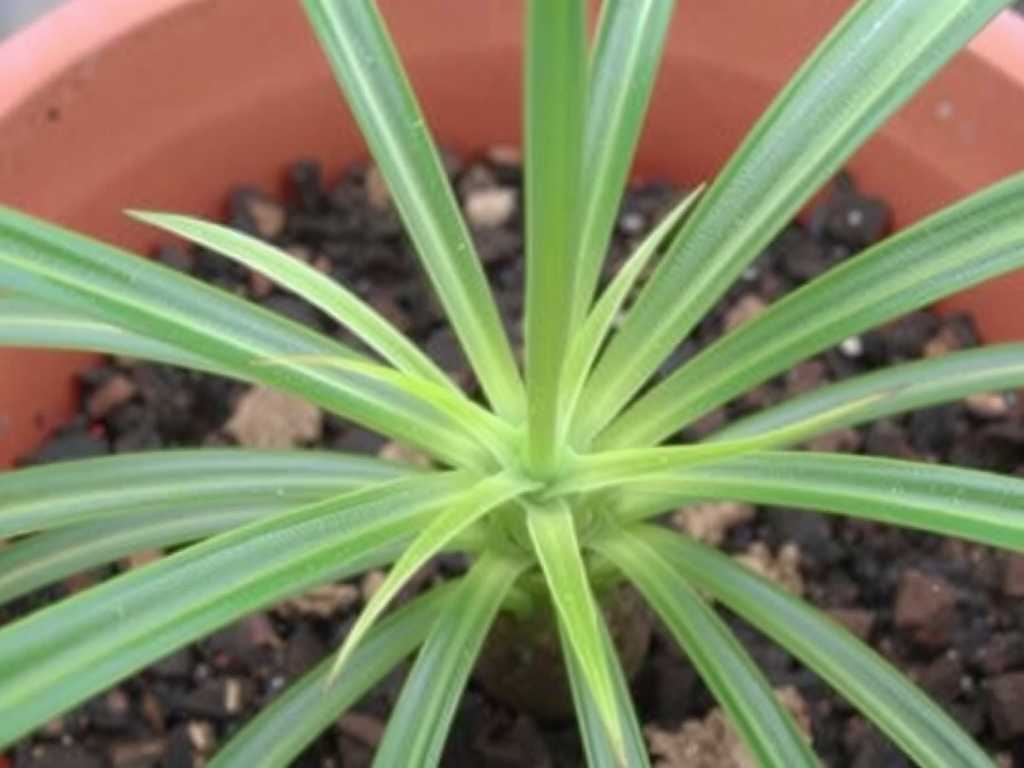
Spider plants are renowned for their resilience and air-purifying qualities, often placed in living spaces and bedrooms. Introducing strong synthetic chemicals into their soil contradicts creating a healthy home environment. According to principles echoed by organizations like the RHS (Royal Horticultural Society), a preventative and least-toxic approach is fundamental to integrated pest management. Natural insecticides, derived from plants, minerals, or beneficial organisms, target pests while minimizing harm to the plant itself, the soil ecosystem, and our indoor air quality. For a plant known for its "easy-care" nature, the solution should be just as gentle.
My Arsenal: Selecting Two Natural Insecticide Champions
After researching academic extensions and trusted horticultural sources, I narrowed my focus to two accessible and highly recommended natural options. I decided to test them somewhat concurrently on different parts of the same infested plant to compare efficacy.
1. Food-Grade Diatomaceous Earth (DE): The Physical Barrier This was my first line of defense against soil-dwelling larvae and crawling adults. Diatomaceous earth is a fine powder made from fossilized algae. Under a microscope, it looks like shards of glass. It works mechanically, not chemically, by dehydrating insects with exoskeletons. The "food-grade" specification is crucial for safe home use.
2. Neem Oil Solution: The Systemic Disruptor Neem oil, pressed from the seeds of the neem tree, is a powerhouse. It acts as an antifeedant, a hormone disruptor, and can smother pests. For soil drenches, it targets larvae and helps make the plant itself less appetizing. I sourced a cold-pressed, pure neem oil and an organic liquid castile soap to use as an emulsifier.
The Two-Week Battle Plan: Application and Observation
Here is my day-by-day log of the process, including my missteps.
Days 1-3: Assessment and Initial Application
- Day 1 (The Discovery): I isolated the spider plant from my other houseplants. I allowed the soil to dry out completely, as many pests (like fungus gnats) thrive in moist conditions. I prepared my solutions.
- For Diatomaceous Earth: I simply filled a small kitchen shaker with the powder.
- For Neem Oil Soil Drench: I mixed 1 teaspoon of cold-pressed neem oil and 1/2 teaspoon of liquid castile soap into 1 liter of lukewarm water, shaking vigorously to emulsify. Important: Always mix fresh.
- Day 2 (First Strike): The soil was dry. I gently scraped off the top 1/2 inch of soil, where most eggs and larvae reside, and disposed of it in a sealed bag. I then applied a thin, even layer of diatomaceous earth over the entire soil surface. I was careful not to inhale the dust (wearing a mask is wise).
- Mistake #1: I applied the DE, then immediately used the neem drench. The water instantly clumped the DE into a paste, rendering it ineffective. Solution: I had to let the DE work dry for at least 48-72 hours before any watering.
- Day 3 (Adjusting): I left the dry DE in place. I observed fewer gnats flying immediately, likely trapped by the powder.
Days 4-10: The Crucial Treatment Phase
- Day 4 (Neem Application): With the DE still dry on the surface, I carefully poured the prepared neem oil soil drench into the pot until it began to drain from the bottom. This aimed to kill larvae in the root zone. I avoided wetting the foliage this time to focus on soil pests.
- Day 5-6 (Observation): A significant drop in flying adult fungus gnats. No visible movement on the soil surface. The plant showed no signs of stress from the treatments.
- Day 7 (Reapplication & Second Mistake): Following the weekly schedule recommended for neem, I prepared a new batch and did a second soil drench. I also lightly misted the base of the plant.
- Mistake #2: I used a stronger concentration in frustration, hoping for faster results. I used 2 teaspoons of neem per liter. Solution: Within two days, the very tips of a few leaves began to brown—a sign of potential phytotoxicity. I immediately flushed the soil with plain water to dilute the excess and reverted to the standard 1 tsp/L ratio. Lesson learned: More is not better with natural oils.
- Day 8-10 (Monitoring): After flushing, the plant stabilized. The browning did not spread. Pest activity was nearly zero. I reapplied a fresh, thin layer of DE after the soil surface dried out again post-flush.
Days 11-14: Evaluation and Victory
- Day 11-14 (The Verdict): No new gnats emerged. A careful inspection of the soil and root ball (by gently tipping the plant out) revealed no live larvae or crawlers. The spider plant's growth seemed to have paused during the battle but was now showing signs of new, healthy green shoots. The yellowing on older leaves had ceased.
Key Takeaways and Lessons Learned
My two-week experiment was a success, but it taught me more than just how to kill bugs.
- Dryness is Your Ally: Overwatering is the primary invitation for soil pests. Letting the soil dry thoroughly between waterings is a preventative and treatment step.
- Patience and Consistency: Natural insecticides often work on pest life cycles, not with instant "knock-down" effects. Consistent, weekly applications for at least 2-3 weeks are key to breaking the breeding cycle.
- The One-Two Punch is Effective: Using diatomaceous earth for crawling insects as a dry barrier and neem oil for soil drench applications to target larvae provided a comprehensive, non-toxic solution. They complemented each other perfectly.
- Precision Beats Power: Adhering to dilution ratios on product labels is non-negotiable. My attempt to use a stronger neem solution only stressed the plant.
Your Questions, Answered
Can I use hydrogen peroxide for pests in spider plant soil? Yes, a 3% hydrogen peroxide solution (mixed 1:4 with water) can be used as a soil drench. It fizzes and kills larvae and eggs on contact through oxidation. I used it once as an alternative between neem treatments. It's effective but is more of a direct contact treatment rather than a residual repellent like neem. Use it sparingly to avoid disrupting beneficial microbes long-term.
How often should I apply natural insecticides preventatively? I do not apply them on a schedule if there is no infestation. My prevention now is cultural: proper watering, occasional soil surface raking to disturb potential egg-laying sites, and a thin layer of sand or DE on the soil of any newly purchased plant as a quarantine measure. If you see a single pest, one immediate treatment can nip it in the bud.
Will natural insecticides harm the "pups" or baby spider plants? Great question. I treated a pot with several pups attached. I kept the solutions off the delicate foliage of the pups as much as possible, focusing on the soil. They were unaffected. For propagated pups in water, ensure they are pest-free and their roots are clean before potting in fresh, sterile soil. Treat the mother plant separately.
Dealing with pests in your spider plant's home doesn't require declaring chemical warfare. By understanding the life cycle of the invaders and strategically employing gentle yet effective natural tools like diatomaceous earth and neem oil, you can restore balance. The process demands observation and a little patience, but the reward is a thriving, clean, and healthy spider plant—and the peace of mind that comes from knowing you've cared for it in the most natural way possible. My plant is now pest-free and pushing out new runners, a sure sign it has forgiven the invasion and the battle.