bluename
 Soft Stems on spider plants: My 2-Week Rescue Mission for Early-Stage Rot
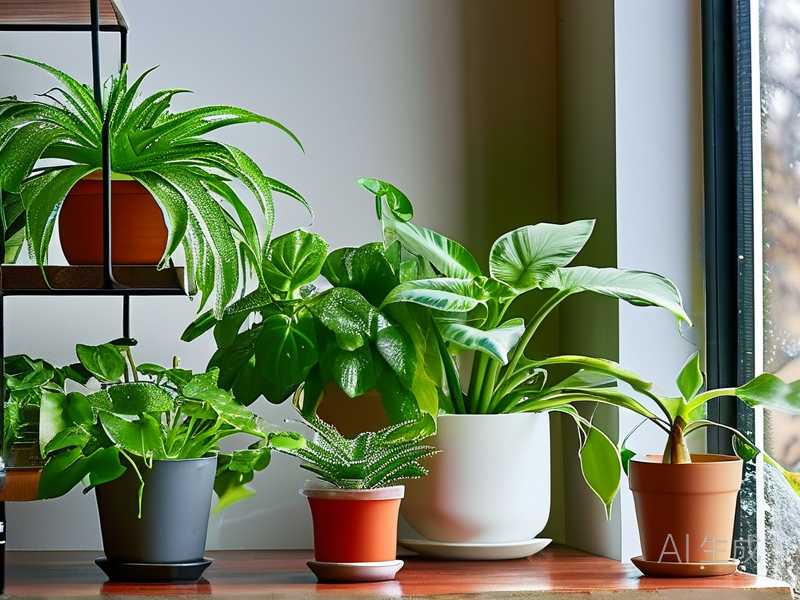
I’ll never forget the sinking feeling. There it was, my beloved, once-vigorous spider plant, its usually firm, arching leaves now looking defeated. A few stems near the base felt suspiciously soft, almost mushy to the touch—a classic, heart-dropping sign of early stem rot. As a dedicated plant enthusiast, I knew I was facing a critical window. Ignoring soft stems on spider plants is a recipe for losing the whole plant. This wasn't my first rodeo with overwatering issues, but it was a stark reminder that even experienced growers face this common plight. The core problem is clear: excess moisture around the crown and roots creates a perfect environment for fungal or bacterial pathogens, leading to those telltale soft, rotting stems. If caught early, however, a precise pruning treatment can mean the difference between a full recovery and a total loss. I embarked on a focused, two-week rescue operation to save my plant, documenting every step, setback, and success.
Understanding the Enemy: What Causes Soft, Mushy Stems?
Before taking action, I needed to confirm the diagnosis. Soft stems on a spider plant rarely occur in isolation. I looked for accompanying clues: a slight yellowing of the affected leaves, soil that stayed damp for too long, and a pot that felt heavier than it should. According to the American Horticultural Society (AHA), the primary cause of such symptoms is almost always "chronic overwatering or poor drainage leading to root and stem suffocation." The Royal Horticultural Society (RHS) concurs, stating that "crown rot" in spider plants often manifests as "a soft, brown decay at the base of the leaves." This aligned perfectly with what I was seeing. It wasn't just an aesthetic issue; it was a systemic one starting below the soil.
My goal for the pruning treatment was twofold: first, to immediately remove all compromised tissue to halt the spread of decay, and second, to create an environment where the remaining healthy plant could rebound. This process is delicate—too little pruning, and the rot continues; too aggressive, and you shock the plant beyond recovery.
My Step-by-Step Early Intervention Pruning Protocol
Armed with clean, sharp scissors and a sterilized utility knife (wiped with isopropyl alcohol), I set up my workstation. Here is the exact sequence I followed for treating the early stage of rot.
Step 1: The Unpotting and Initial Assessment Gently, I tipped the pot and coaxed the root ball out. The smell was the first confirmation—a faint, earthy, unpleasant odor, not the clean smell of healthy soil. I carefully crumbled away the wet soil to expose the roots and stem bases. The visual was telling: while many roots were still white and firm, a small cluster near the soft stems was brown and slimy. This is the hidden culprit behind the soft stems on spider plants.
Step 2: The Surgical Pruning Process This is where precision is key. I started with the roots, snipping away every single brown, mushy root back to healthy, white tissue. I made clean cuts. Next, I addressed the soft stems. Tracing each mushy leaf back to its point of origin at the crown, I used the sterilized knife to cleanly excise the entire stem at its base, ensuring I removed all affected tissue. If the softness touched the central crown, I carefully carved out the rotted portion, like removing rot from a potato. It felt drastic, but I knew leaving any compromised tissue was a gamble.
Step 3: The All-Important Repotting I discarded all the old soil. I chose a clean pot with excellent drainage holes—this time, a terracotta pot, which helps wick away moisture. My new mix was two parts standard potting soil to one part perlite and one part coarse orchid bark, dramatically increasing aeration. I created a small mound of fresh mix, settled the pruned plant on top, and filled in around the sides, ensuring the remaining healthy crown was above the soil line, not buried. I did not water it. Not yet.
Step 4: The Critical Aftercare Decision This was my biggest change from past mistakes. Instead of watering to "help it settle," I placed the repotted plant in bright, indirect light and left it completely dry for a full week. This allowed the pruning wounds on the roots and crown to callous over, creating a vital barrier against reinfection. The AHA emphasizes "a period of drought stress after root work can encourage new root growth and prevent further rot."
The 2-Week Recovery Timeline: A Daily Log
Days 1-3: The Waiting Game The plant looked a bit sad and bare post-surgery. The remaining leaves were perky but the overall volume was reduced. I resisted the overwhelming urge to water. The soil was bone-dry. I simply monitored for any spreading softness, which thankfully, there was none.
Day 7: First Watering After seven full days, I gave the plant a thorough but careful bottom-watering. I placed the pot in a saucer of water for about 15 minutes, allowing the soil to absorb moisture from below, encouraging roots to grow downward. I then let it drain completely. This method avoids wetting the sensitive crown area directly.
Days 8-12: Signs of Hope This was the turning point. Around Day 10, I noticed the firmest, most central leaves seemed to have a renewed rigidity. There was no new growth yet, but crucially, there was no further decline. The soft, mushy stem problem had been arrested. The soil dried out at a healthy, expected rate between waterings.
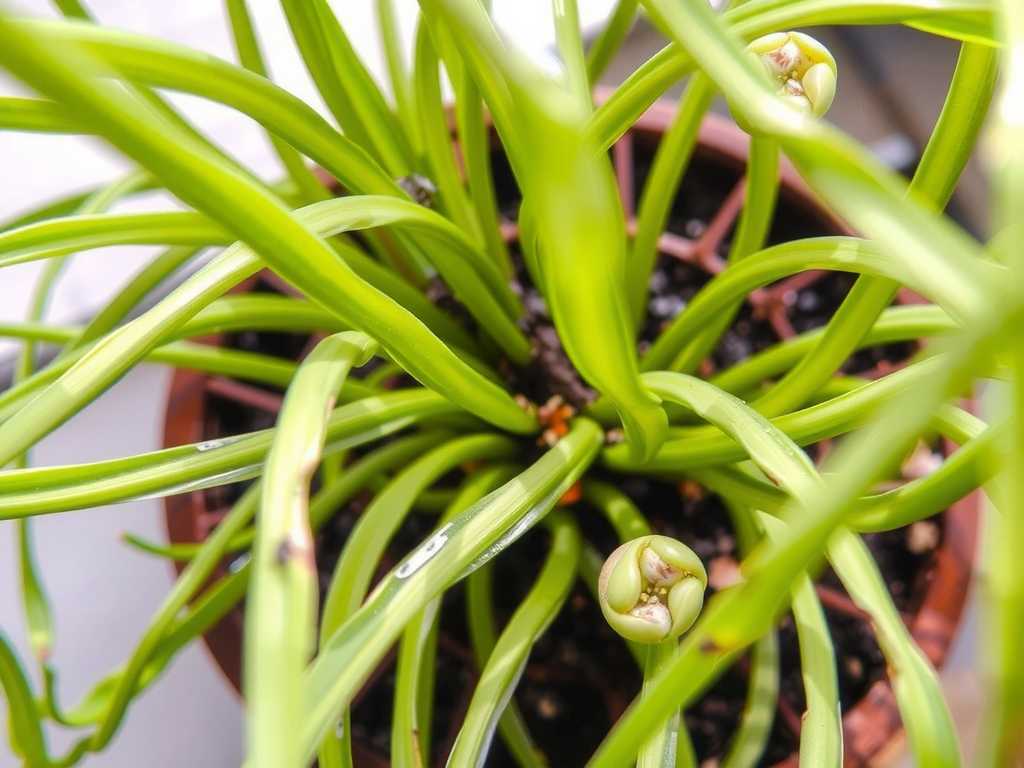
Day 14: The Victory Signal At the two-week mark, I conducted a gentle inspection. The crown felt firm and dry. And then I saw it—the tiniest, bright green nub peeking from the center of the plant. A new leaf was emerging. This was the unequivocal sign that the plant had redirected its energy from fighting decay to growing anew. My pruning treatment for the early stage of rot was a success.
The Pitfalls I Encountered (And How I Fixed Them)
My journey wasn't flawless. I made one critical error early on. After the first prune, I used a pot that was only marginally larger than the root ball. A week in, I realized the soil was staying damp for too long because the pot volume was too great for the reduced root system. This is a common oversight after aggressive root pruning. The fix was straightforward, if annoying: I repotted it again into a smaller, more appropriately sized pot. It set recovery back a few days, but it was necessary to prevent a relapse into rot.
Another lesson was in tool sterilization. In a past attempt with a different plant, I simply wiped my scissors on a towel. The rot spread. This time, the thorough use of isopropyl alcohol between every few cuts was non-negotiable. It’s a small step that makes a monumental difference.
Your Questions, Answered From My Experience
Can a spider plant recover from stem rot? Absolutely, if caught in the early stage of rot. The key is immediate and complete removal of all soft, affected tissue—both stems and roots—followed by a period of drought to allow the plant to seal its wounds. My two-week log is proof that with decisive action, recovery is not just possible but likely.
Should I water my spider plant after pruning rotten roots? No, not immediately. This was my most valuable lesson. Watering freshly cut roots and stem bases invites pathogens right back into the open wounds. Wait at least 5-7 days after repotting in dry, fresh soil before giving a modest drink. Patience here is the ultimate tool.
How can I prevent soft stems in the future? Prevention boils down to one word: drainage. Use a well-aerated potting mix, ensure your pot has holes, and water only when the top inch or two of soil is dry. Terracotta pots are excellent for moisture-wicking. Most importantly, learn to "listen" to your plant and the weight of the pot rather than watering on a fixed schedule.
Watching that first new leaf unfurl after a tense fortnight was immensely rewarding. Dealing with soft stems on spider plants is a test of a gardener's resolve, requiring a blend of ruthless pruning and patient, observant aftercare. The pruning treatment is not a gentle trim; it's a life-saving surgery. By acting swiftly at the early stage of rot, sterilizing your tools, and mastering the post-op dry period, you give your spider plant the strongest possible chance to not only survive but to thrive once again. The resilience of these plants is remarkable, but it’s our informed intervention that guides them back to health.