bluename
 Water Stains on spider plant Leaves: My Complete Wiping Guide After Spraying
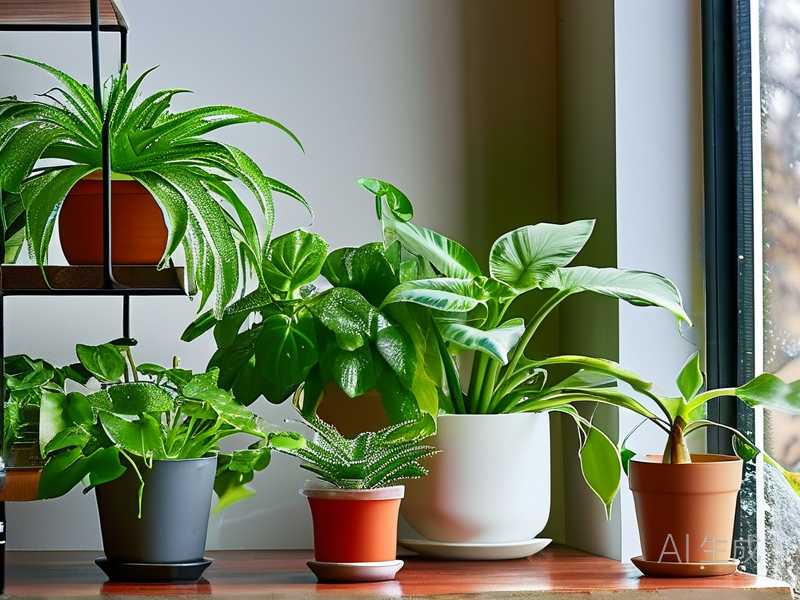
I love my spider plants. Their arching leaves bring a vibrant, living energy to my home. But for the longest time, I was frustrated by the unsightly water stains that would appear on their beautiful foliage. You know the ones—those chalky, white, or sometimes brownish spots that linger long after you’ve misted or watered your plant. They make the leaves look dusty, unhealthy, and frankly, neglected. I was spraying the leaves to boost humidity, only to end up with a plant that looked worse than before. The core issue was clear: I needed to learn the proper way of wiping spider plant leaves after spraying water to prevent these mineral deposits. This guide is the result of my two-week experiment to solve this exact problem, sharing every step, observation, and lesson learned.
Why Water Leaves Stains on Spider Plants
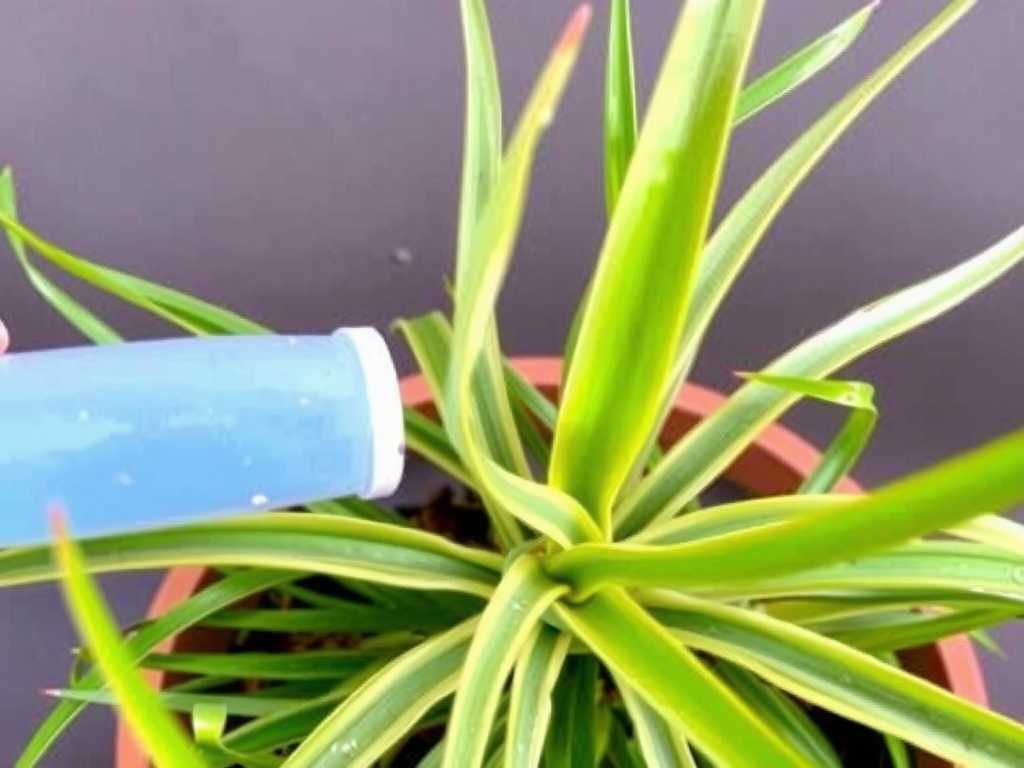
Before we get into the wiping, it's crucial to understand the enemy. Those water stains on spider plant leaves aren't dirt; they're mineral deposits. Tap water contains dissolved minerals like calcium and magnesium. When you spray water on the leaves, the water evaporates, but the minerals are left behind, forming a crusty residue. Over time, this film can clog the plant's stomata—the tiny pores on leaves used for breathing and transpiration. According to research highlighted by the Royal Horticultural Society (RHS), blocked stomata can hinder a plant's ability to photosynthesize efficiently and regulate moisture. So, removing these stains isn't just about aesthetics; it's about plant health.
My Two-Week Plan: From Stained to Sparkling
I selected two of my mature spider plants, both showing moderate water staining from my previous careless misting habits. My plan was simple: implement a careful cleaning routine after every spraying session and document the changes over 14 days.
The Tools I Gathered:
- A spray bottle filled with distilled water (this was a game-changer).
- Several soft, microfiber cloths (one for each plant to prevent any potential cross-contamination).
- A small bowl.
- A gentle, organic leaf shine solution (diluted, for occasional use).
The Step-by-Step Wiping Method I Followed
This is the exact routine I performed once a week for two weeks, always after my scheduled leaf spraying for humidity.
Step 1: The Right Spray First, I stopped using tap water for misting. I switched to distilled or rainwater, which has minimal mineral content. This proactive step is the first defense against preventing water spots on spider plants. I lightly misted the leaves in the morning, allowing the droplets to sit for just a minute or two to provide humidity without soaking the plant.
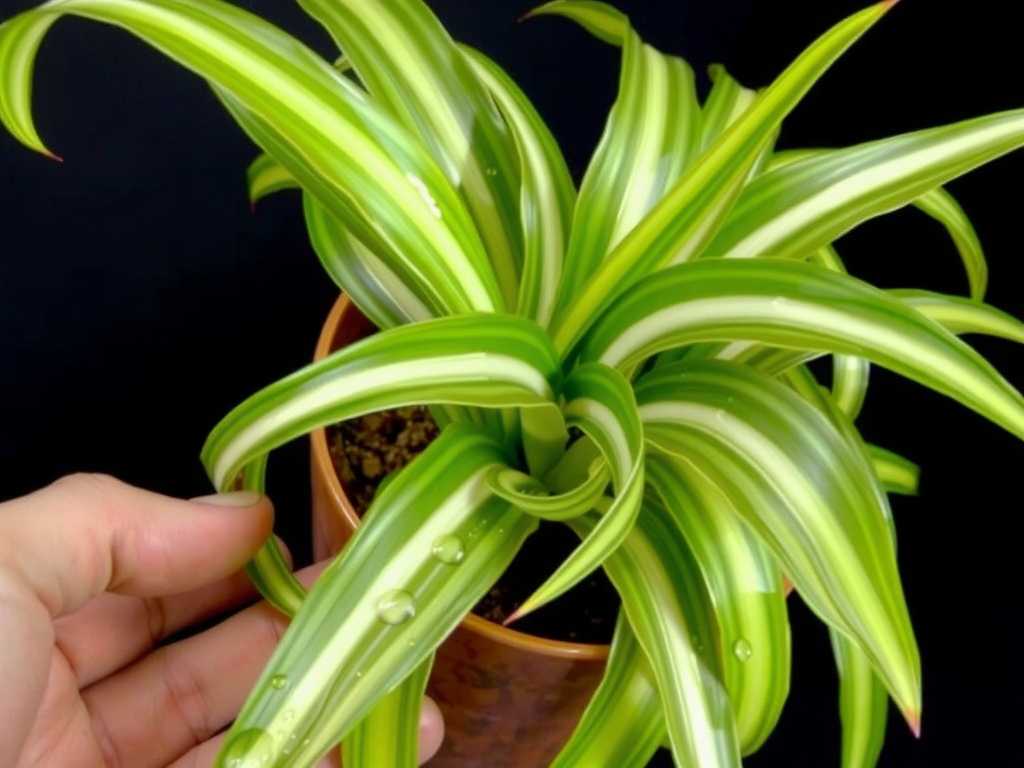
Step 2: Gentle Wiping Technique I slightly dampened a corner of my microfiber cloth with distilled water—never soaking wet, just moist. Starting at the base of a leaf where it meets the soil, I gently cradled the leaf from underneath with one hand for support. With the cloth in my other hand, I wiped from the base to the tip, following the leaf's natural grain. I used light pressure. For the underside of leaves, which also collect dust and residues, I gave a gentle, supportive wipe. I turned the cloth to a clean section frequently.
Step 3: Dealing with Stubborn Stains For older, crustier stains that the damp cloth couldn't remove, I used a slightly different approach. I mixed a few drops of mild, castile soap in a bowl of distilled water. Dampening a fresh cloth in this solution, I carefully wiped the affected spot, then immediately followed with a rinse wipe using a cloth dampened with pure distilled water. This prevented any soap residue.
Step 4: Drying I let the plant sit in a well-ventilated area with indirect light to air dry completely. I avoided direct sun, as wet leaves can magnify light and cause scorch.
What I Observed: The 14-Day Transformation
- Days 1-3: After the first thorough wipe-down, the difference was immediate and dramatic. The leaves had a deeper, richer green color where the stains were removed. They simply looked more alive.
- Days 4-7: I performed a second light misting and wipe mid-week. I noticed new growth seemed to emerge more vibrantly, without any spotting from the get-go. The older leaves maintained their clean appearance.
- Days 8-14: By the end of the second week, the cycle was established. The plant leaf cleaning after watering routine felt natural. The persistent stains from my tap-water era were almost entirely gone. The most significant observation was the plant's overall demeanor—it just looked healthier and more vigorous. The leaves were firm and glossy without any artificial shine product.
The Pitfalls I Encountered and How I Fixed Them
My journey wasn't perfectly smooth. Here are the mistakes I made so you can avoid them.
Pitfall 1: Using a Rough Cloth or Paper Towel. Early on, I used an old cotton t-shirt that felt soft to me. Unfortunately, it still caused microscopic abrasions on one leaf, leaving a faint, dull streak. Spider plant leaves are more delicate than they appear.
- Solution: I switched to premium microfiber cloths designed for cleaning glasses. They are incredibly soft, lint-free, and highly effective at grabbing dust and residue without scratching.
Pitfall 2: Over-wetting the Cloth and Leaves. I once made the cloth too wet, which left excess water pooling at the leaf bases (the crown). This can lead to rot, a serious threat to spider plants.
- Solution: I learned to wring out the cloth thoroughly until it was just barely damp. The goal is to wipe, not drench. Supporting the leaf from underneath also helped control moisture.
Pitfall 3: Using Homemade "Shine" Recipes Too Often. I tried a milk-and-water solution I read about online. While it initially gave a nice shine, it seemed to attract more dust and left a faint, sour smell after a few days.
- Solution: I now rely solely on gentle wiping with distilled water for maintenance. I use a commercial, organic leaf shine product only once every 2-3 months for a deep clean, heavily diluted, and I always wipe off any excess. The American Horticultural Society (AHS) advises caution with leaf shines, noting that many plants produce their own natural coatings.
Maintaining Stain-Free Spider Plant Foliage
Consistency is key. My routine now is to do a light mist-and-wipe check every 7-10 days. It's become a therapeutic part of my plant care. The act of caring for spider plant foliage this closely has also helped me spot early signs of pests or other issues, making me a more attentive plant parent.
How often should I wipe my spider plant leaves? Aim for once every one to two weeks as part of your regular cleaning. If you mist frequently, a quick, gentle wipe after spraying with distilled water is ideal to prevent stains from forming in the first place.
Can I use olive oil or mayonnaise to make the leaves shiny? I strongly advise against it. While these may provide temporary shine, they clog stomata severely, attract dust and pests, and can go rancid. They do more harm than good. For shine, focus on health through proper cleaning.
What if the stains just won’t come off? For extremely hard, ancient mineral deposits, you may need to be patient. Try the diluted soap method, but always rinse. Sometimes, the most stained older leaf may be better pruned off to encourage new, clean growth. The plant will thank you for it.
Seeing my spider plants thrive with clean, unblemished leaves has been incredibly rewarding. It’s a simple practice that requires minimal tools but yields maximum results in both plant health and visual appeal. By understanding the cause of water stains, using the right water from the start, and adopting a gentle, consistent wiping habit, you can easily keep your spider plant’s foliage looking lush and pristine. The true shine comes from a healthy plant, not from a bottle.