bluename
 Brown Leaf Tips on spider plants: Tray Humidification Method for Dry Air
I love my spider plants. Their vibrant green and white stripes have always been the pride of my indoor jungle. But last winter, I noticed something disheartening – the tips of their long, arching leaves were turning crispy and brown. It wasn't just one leaf; it was a creeping issue affecting my entire collection. I knew immediately this was a classic sign of low humidity. My home's heating system was sucking all the moisture out of the air, and my plants were suffering. I needed a reliable, low-maintenance solution to combat this dry air and save my spider plants from those unsightly brown leaf tips.
After researching and dismissing fussy humidifiers for my plant corner, I kept coming back to one simple, age-old method recommended by countless horticultural resources, including the Royal Horticultural Society (RHS): the pebble tray humidification method. The RHS explicitly notes that increasing humidity around plants can help prevent leaf tip browning, a common issue with spider plants in dry interiors. I decided to put this method to a real, two-week test.
Why Dry Air Causes Brown Tips on Spider Plants
Spider plants, or Chlorophytum comosum, are native to tropical and southern Africa. They thrive in humid environments. When the air in our homes becomes too dry, especially during winter or in air-conditioned spaces, the rate of water loss from the leaves (transpiration) exceeds the plant's ability to draw water up from the roots. The leaf tips, being the furthest point from the roots, dry out and die first, resulting in those frustrating brown tips. It's a physiological response, not a disease, but it certainly mars their beauty.
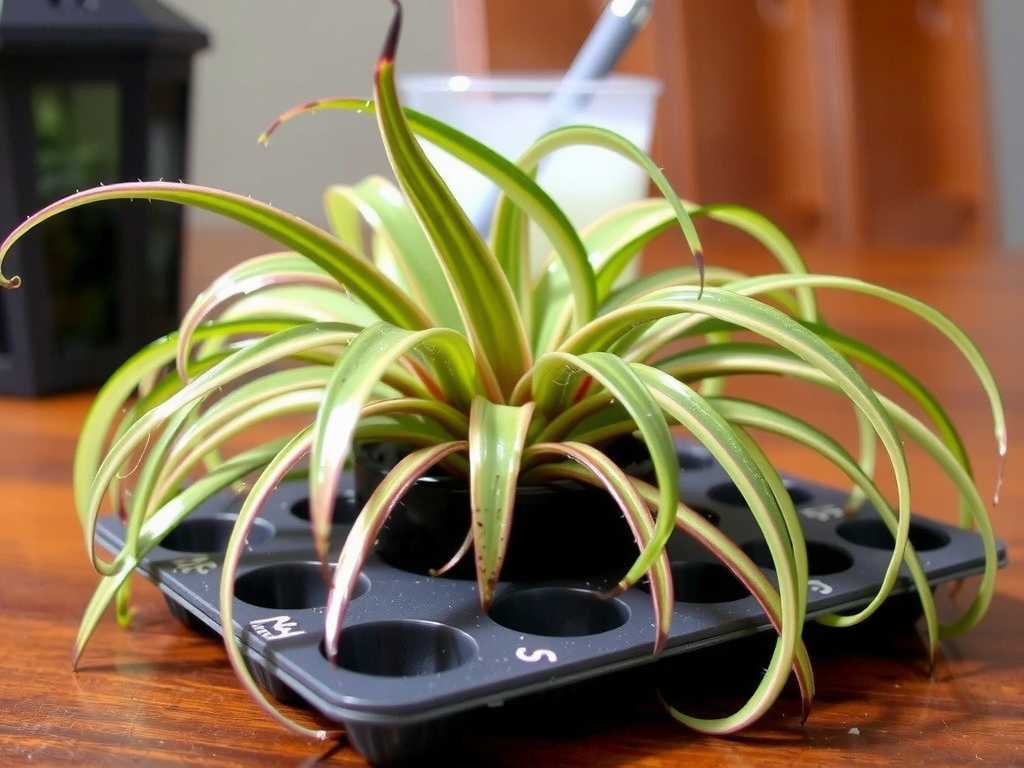
My Step-by-Step Journey with the Pebble Tray Method
I was determined to follow the tray humidification method correctly. Here’s exactly what I did, based on best practices I gathered from sources like the American Horticultural Society's AHS guidelines on indoor plant care.
Gathering the Right Supplies
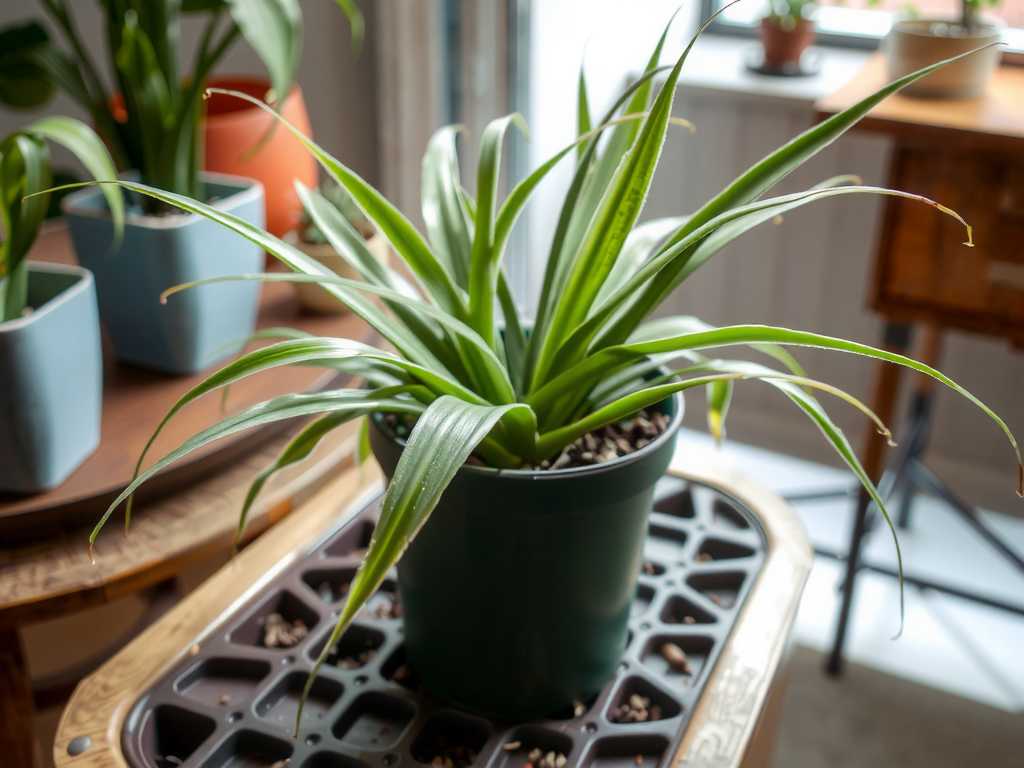
First, I chose shallow, waterproof trays. I used simple plastic saucers that were about 2-3 inches wider in diameter than the base of my spider plant pots. The key is that the pot itself should never sit in the water, only on top of the pebbles. For the pebbles, I washed a bag of decorative, smooth river stones to remove any dust. Cleanliness is crucial to prevent mold or algae growth.
Assembly and Placement
I filled each tray with a single layer of pebbles, about an inch deep. Then, I poured water into the tray until it reached just below the top of the pebbles. I carefully placed my spider plant pots on top of the pebble layer, ensuring the drainage holes were not submerged. I positioned the trays on my bright, east-facing windowsill where my spider plants live. The idea is that as the water evaporates from the tray, it creates a localized bubble of higher humidity directly around the plant's foliage.
The Two-Week Observation: Did It Really Work?
I started my observation on a Monday. I marked a few leaves that already had minor browning and decided to track new growth closely.
Week 1: The Waiting Game
The first few days, I noticed no dramatic change—and I didn't expect one. Reversing existing damage isn't the goal; prevention is. By day five, however, I observed that the newest, unfurling leaf on my largest spider plant was a deep, uniform green with no sign of the pale or brown tip I often saw on emerging leaves during dry spells. This was my first small victory. The existing brown tips remained, which is normal, as dead tissue won't regenerate.
Week 2: Clear Signs of Success
Entering the second week, the evidence became clearer. All new leaf growth across my three spider plants was completely free of browning at the tips. The leaves felt more turgid and less papery to the touch. Furthermore, I noticed a happy side effect: my plants seemed to be producing their iconic spiderettes, or plantlets, more readily. Consistent humidity appeared to be reducing environmental stress, allowing them to focus energy on reproduction. The localized humidity boost was working exactly as the RHS and other experts describe.
The Pitfalls I Encountered (And How I Fixed Them)
This process wasn't without its learning moments. Here are the two main issues I faced and how I solved them.
The Algae Bloom Problem
Around day 10, I noticed a green film starting to form on the pebbles in one of the sunniest trays. This was algae, fueled by sunlight and stagnant water. It wasn't harmful to the plant directly but was unsightly and could attract fungus gnats.
- My Solution: I established a simple weekly maintenance routine. Every weekend, I would lift the pot, empty the old water, and give the pebbles and tray a quick scrub under running water. I then refilled with fresh water. This broke the algae cycle completely. For a more preventative approach, some enthusiasts suggest using distilled water, but I found weekly cleaning sufficient.
The "Out of Sight, Out of Mind" Dry-Out
Once, after a particularly busy few days, I walked past my plants and realized one tray had completely evaporated. The pebbles were bone dry. This defeated the entire purpose and could even create a mini-oven effect if the sun heated the dry stones.
- My Solution: I made checking the water level part of my daily morning ritual, right alongside checking my coffee machine. It takes less than 10 seconds per plant. To make it even easier, I now keep a small watering can dedicated to refilling my pebble trays, so I don't have to go to the sink every time.
Optimizing Your Tray Humidification Setup
Through trial and error, I found a few extra tips that maximize effectiveness:
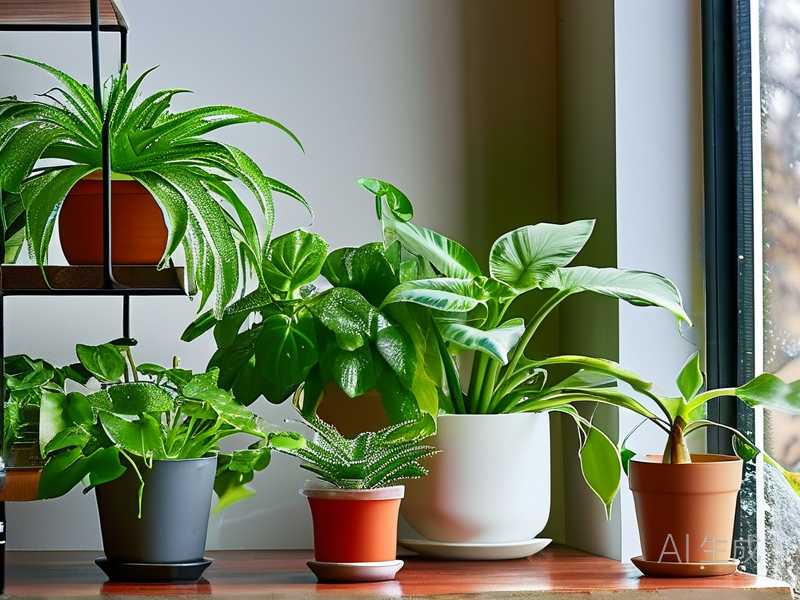
- Grouping Plants: I clustered my spider plants with other humidity-loving plants like ferns and peace lilies on their shared pebble trays. This creates a more substantial microclimate, as all the plants contribute to transpiration.
- Tray Size Matters: A wider tray allows for a greater surface area of water evaporation, which can increase the humidity effect slightly.
- Consistency Over Intensity: A consistently maintained tray is far better than a deep tray that's ignored for weeks. The goal is steady, gentle evaporation.
Will misting my spider plant leaves fix brown tips? Misting provides only a temporary humidity spike, often lasting just minutes. It can also encourage fungal diseases if water sits in the crown of the plant overnight. The pebble tray method provides a constant, gradual source of humidity, which is far more effective and safer for preventing brown leaf tips on spider plants.
Should I cut off the brown tips? You can for aesthetic reasons. Use clean, sharp scissors and cut at a slight angle, following the natural shape of the leaf. However, remember this is just cosmetic. The real solution is addressing the environmental cause—low humidity—to ensure the new growth stays green and healthy.
Is this method enough for very large or severely affected plants? For a severe, widespread case of brown tips, or in an exceptionally dry environment, a pebble tray might need to be supplemented. Grouping plants together or using a room humidifier nearby can provide an extra boost. However, for most indoor settings, a well-maintained pebble tray is a remarkably effective and low-tech solution.
Seeing those fresh, unblemished leaves emerge after two weeks was incredibly rewarding. The tray humidification method is a testament to the power of simple, consistent plant care. It requires minimal investment—just trays, pebbles, and a little routine attention. By understanding the cause of brown leaf tips and implementing this localized humidity solution, you’re not just treating a symptom; you’re creating a better, more native environment for your spider plants to thrive. My plants are now lush, vibrant, and happily pushing out new growth without a brown tip in sight. It’s a small change that made a world of difference in my indoor garden.