bluename
 Salinization of spider plant Soil: My Acidification Treatment Journey During Watering
I’ve always considered spider plants to be nearly indestructible. That’s why I was so confused when my once-vibrant, fast-growing Chlorophytum comosum started looking sad. The tips of its arching leaves were turning brown and crispy, a classic sign I initially dismissed as underwatering. But even with a consistent schedule, the problem worsened. The soil surface developed a strange, whitish crust, and the plant’s growth seemed completely stunted. After some frantic research and a simple soil test, I faced the culprit: salinization of spider plant soil. My tap water, combined with residual fertilizer salts, had slowly turned the potting medium into a hostile, alkaline environment. This is the story of how I tackled this through targeted acidification treatment during watering, a two-week process that brought my plant back from the brink.
Understanding the Enemy: What is Soil Salinization?
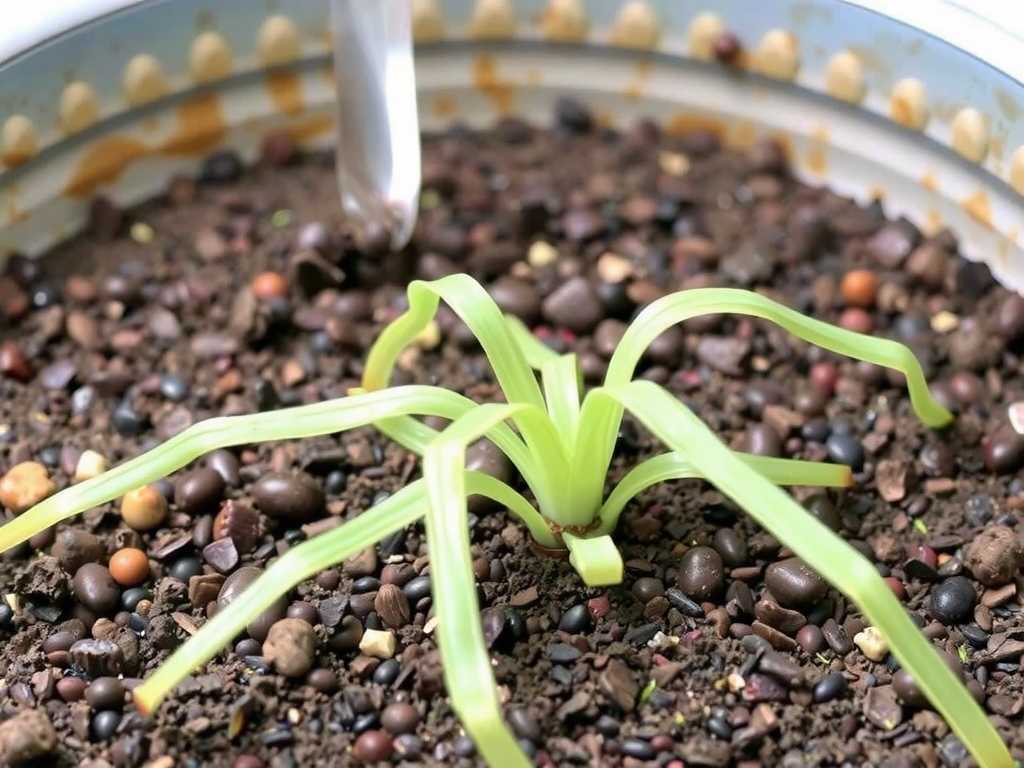
Before treating the problem, I needed to understand it. Salinization isn't just about "salt" in the table sense. It's the accumulation of soluble salts—like calcium, magnesium, and sodium—from water and fertilizers. My city’s tap water is moderately hard, meaning it’s naturally high in calcium and magnesium carbonates. Every time I watered, I was adding more minerals. Fertilizer, even when used correctly, leaves behind salts as plants absorb the nutrients.
Over months, these salts built up, raising the soil pH. Spider plants prefer a slightly acidic to neutral pH, around 6.0 to 7.2. When the pH creeps above this, it locks up essential nutrients like iron and manganese, making them unavailable to the plant. This is called nutrient deficiency induced by high pH, even if those nutrients are physically present in the soil. The brown leaf tips were a direct cry for help. The white crust was the visible salt precipitate. I realized I wasn't just dealing with over-fertilization; I was dealing with a fundamental chemical imbalance in the soil.
My Step-by-Step Acidification Treatment Protocol
Armed with knowledge, I devised a two-pronged approach: leaching the soil to remove excess salts and acidifying my watering routine to correct the pH. Here’s exactly what I did, step by step.
Week 1: The Intensive Flush and First Adjustment
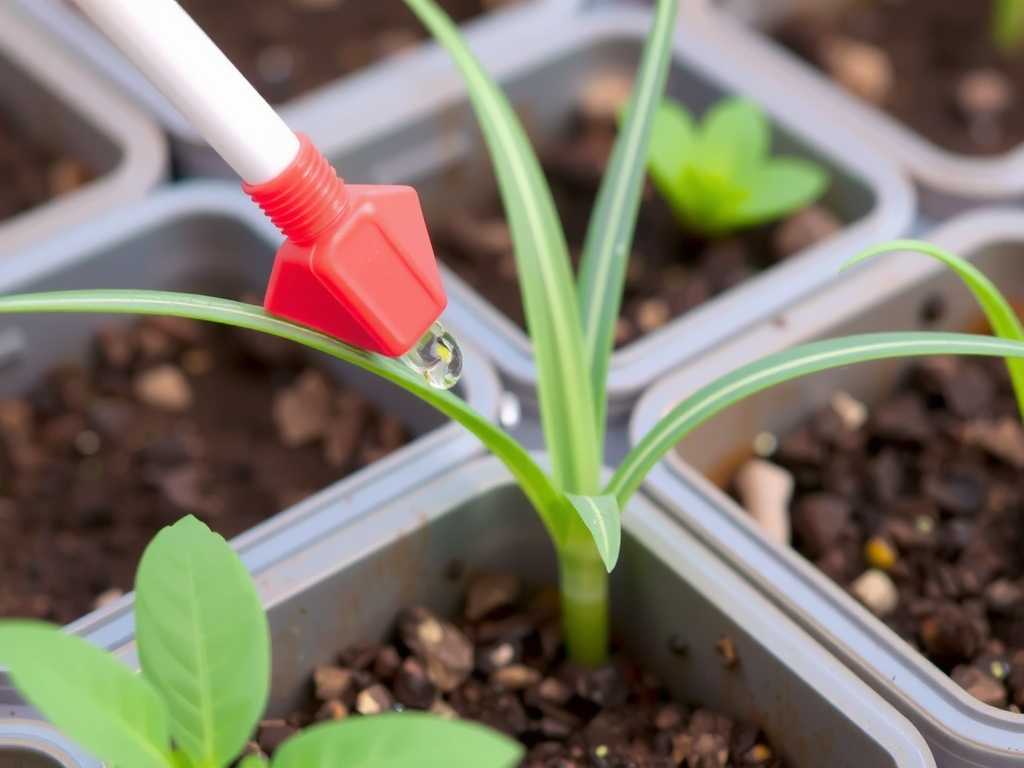
- The Great Leach: I took my spider plant to the sink. Using lukewarm water (to avoid root shock), I slowly poured a large volume—about three to four times the volume of the pot—through the soil. The key was to let water flow freely out of the drainage hole for several minutes. This process, called leaching, helps dissolve and flush out accumulated soluble salts. I repeated this twice over two days, allowing the soil to drain thoroughly in between. The water running out was visibly cloudy at first, becoming clearer by the second flush.
- pH Testing – Establishing a Baseline: After the soil was moist but not soggy, I used a simple digital pH meter. The reading was a stark 7.9—far too alkaline for a spider plant. This confirmed my diagnosis.
- The First Acidic Watering: For my first treatment watering, I chose diluted white vinegar, a common household acid. Important Note: The Royal Horticultural Society (RHS) advises extreme caution with vinegar, as it can harm beneficial soil microbes and is easy to over-apply. I heeded this warning meticulously.
- I mixed 1 tablespoon of white vinegar (5% acetic acid) into 1 gallon of distilled water. Never use full-strength vinegar.
- I watered the plant thoroughly with this solution until it drained from the bottom, ensuring the entire root ball was treated.
- Observation (Days 1-3): Immediately after, the plant looked… wet. No dramatic changes. I placed it in bright, indirect light and resisted the urge to water again. The soil surface still looked a bit crusty, but less so.
Week 2: Monitoring and Refining the Technique
- Switching to a Milder Acid: Concerned about long-term microbial health with vinegar, I switched to a more sustainable option for subsequent waterings: citric acid powder. It’s a weak organic acid that is gentler on soil life.
- My mixture was 1/2 teaspoon of food-grade citric acid dissolved in 1 gallon of distilled water. Using distilled or rainwater is crucial here, as you’re not fighting against the minerals in tap water.
- The Watering Rhythm: I let the soil dry out almost completely between waterings, as per the spider plant’s usual preference. Each time I watered, I used the citric acid solution. This was my core acidification treatment during watering.
- Continuous pH Monitoring: Every three days, I gently tested the soil pH. After the first vinegar treatment, it dropped to 7.5. After two citric acid waterings, it read 7.1. Progress was slow but steady.
The Two-Week Transformation: Observed Effects
The changes weren’t overnight, but by the end of the 14-day period, the transformation was undeniable.
- Leaf Tip Browning Halted: The most significant sign of success was that no new brown tips appeared. The existing damage remained (it’s permanent), but the progression stopped completely. This indicated the plant was no longer under the acute stress of nutrient lockout.
- New Growth Emerged: Around day 10, I noticed tiny, bright green shoots emerging from the center of the plant. This was the ultimate confirmation of recovery. The plant was putting energy into new growth, signaling that root conditions had improved.
- Soil Appearance Improved: The white saline crust on the soil surface gradually dissolved and disappeared after the leaching and acidic waterings.
- Final pH Reading: At the two-week mark, my soil pH stabilized at 6.8—firmly within the ideal range for spider plants.
The Pitfalls I Encountered and How I Solved Them
This journey wasn’t without its hiccups. Here’s where I went wrong and how I corrected course.
- The Over-Flushing Fear: During the initial leaching, I was terrified of causing root rot from overwatering. The solution was to ensure exceptional drainage. I checked that the drainage hole was clear and placed the pot on a rack after flushing so it wouldn’t sit in water. Letting the soil approach dryness between flushes was key.
- The Vinegar Volatility: My initial use of vinegar made me nervous. While it worked for an initial correction, expert sources like those from the American Horticultural Society (AHS) emphasize building healthy soil biology. My switch to citric acid felt more responsible for ongoing health. Key Takeaway: Vinegar can be a quick fix for a single treatment, but milder acids like citric acid or even using peat moss-based mixes are better for long-term soil pH management for spider plants.
- Impatience with Results: I expected green to return to brown tips. I learned that leaf damage is permanent; success is measured by the halt of damage and the emergence of new, healthy growth. Adjusting my expectations was crucial.
- Ignoring the Water Source: Early on, I made the mistake of using tap water to mix with my citric acid. This was counterproductive. Switching to distilled water ensured my treatment wasn’t fighting against new mineral deposits, making the acidification of irrigation water far more effective.
Moving Forward: A Sustainable Watering Regime
After the two-week corrective period, I didn’t need to acidify every watering. Now, I follow a maintenance routine:
- I water primarily with rainwater or distilled water to prevent salt re-accumulation.
- Every 4-6 weeks, I check the soil pH. If it trends above 7.0, I give one watering with the citric acid solution.
- I fertilize very sparingly, only during the active growing season, and always with a balanced, water-soluble fertilizer applied to already-damp soil to prevent salt burn.
Will repotting fix saline soil? Yes, repotting with fresh, well-draining potting mix is the fastest way to replace salinized soil. However, for a mild case like mine, leaching and acidification can correct the chemistry without the stress of repotting. For severe crusting and plant decline, repotting is the best first step.
Can I use coffee grounds to acidify spider plant soil? This is a common DIY tip, but I advise caution. Used coffee grounds are only mildly acidic and can easily compact soil, reducing aeration. They are better added to compost. For reliable, measurable pH adjustment for saline potting mix, a diluted citric acid solution is safer and more controllable.
How often should I leach my spider plant’s soil? As a preventative measure, leaching with plain water (enough to see it flow freely from the drainage hole) every 3-4 months is excellent practice. This helps flush out any salts before they reach problematic levels, especially if you use tap water.
Seeing those new, vibrant green shoots was immensely rewarding. Salinization of spider plant soil is a silent, gradual problem, but it’s not a death sentence. Through careful observation, patient acidification treatment during watering, and a commitment to changing my routine, I restored the balance my plant needed. The experience taught me that even the toughest houseplants communicate their needs; we just have to learn to interpret the signs.