bluename
 Broken spider plant Runners: Wound Treatment and Subsequent Maintenance
There's a special kind of panic that hits when you accidentally snap a healthy, green runner from your beloved spider plant. One moment you're gently untangling the lush cascade of babies, and the next, you're holding a severed stem, its end looking raw and vulnerable. I've been there, staring at that broken spider plant runner, heart sinking, wondering if I've just doomed a potential new plant. The immediate questions flood in: Will the wound kill the runner? Can the mother plant recover? What on earth do I do now?
If this is your current situation, take a deep breath. I'm a fellow plant enthusiast who has navigated this exact mishap more times than I'd like to admit. Through trial, error, and a lot of patience, I've developed a reliable protocol for treating broken spider plant runners that maximizes their chances of thriving. This guide will walk you through my real-world, step-by-step process, share the crucial two-week observation diary, and highlight the pitfalls I encountered so you can avoid them. Let's turn that accident into a successful propagation story.
Understanding the Runner's Injury: It's Not All Doom and Gloom
First, a bit of botany to ease your mind. That runner, or stolon, is essentially a stem designed for reproduction. Its primary job is to carry the plantlets (spider babies) away from the mother to find new ground. A clean break is a physical trauma, but spider plants (Chlorophytum comosum) are remarkably resilient. The real danger isn't the break itself, but what follows: pathogenic infection and excessive moisture loss through the open wound.
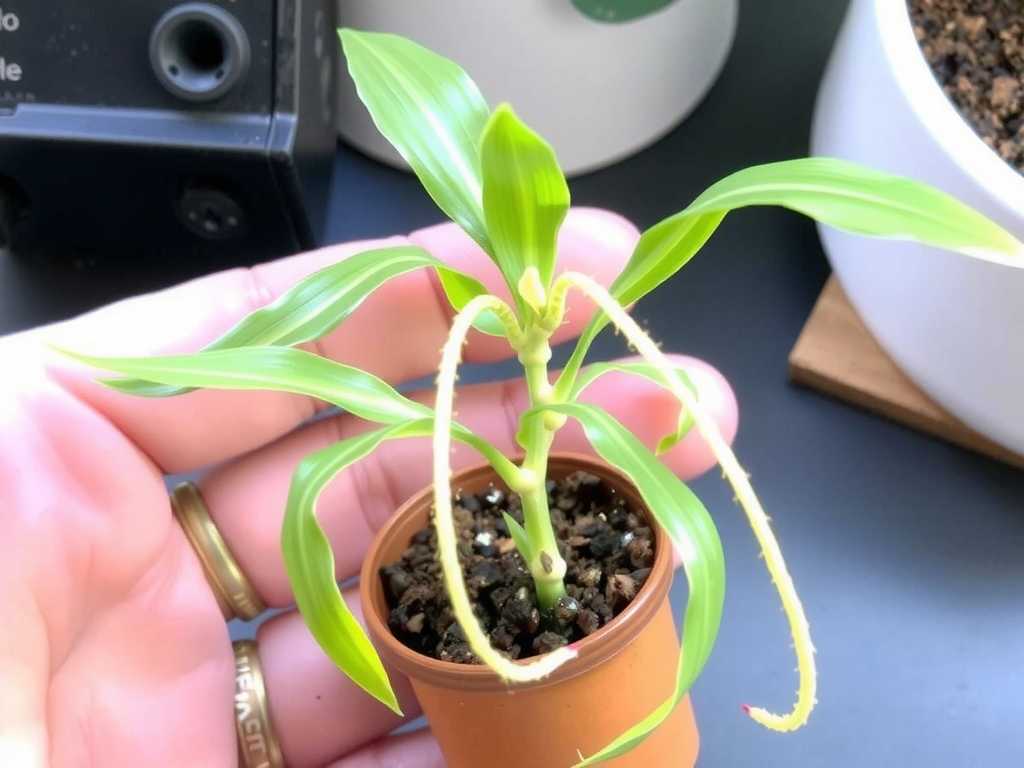
The goal of spider plant runner first aid is twofold: to prevent fungal or bacterial rot at the break site and to create an environment where the plant can either callus over safely or, if you choose, develop new roots. The mother plant will typically seal off its own end of the break, so focus your energy on the detached piece.
My Step-by-Step Wound Treatment Protocol
Here is the exact process I follow whenever I'm faced with a freshly broken runner.
Step 1: Immediate Assessment and Clean-Up I gently examine both ends of the break. Is it a clean snap, or is it crushed and frayed? Using a pair of precision pruners or sharp, sterile scissors (I wipe the blades with isopropyl alcohol), I make a clean, angled cut about a centimeter above the broken point on the detached runner. A clean cut heals faster than a ragged tear. I do not cut anything from the mother plant's remaining stump; it will handle itself.
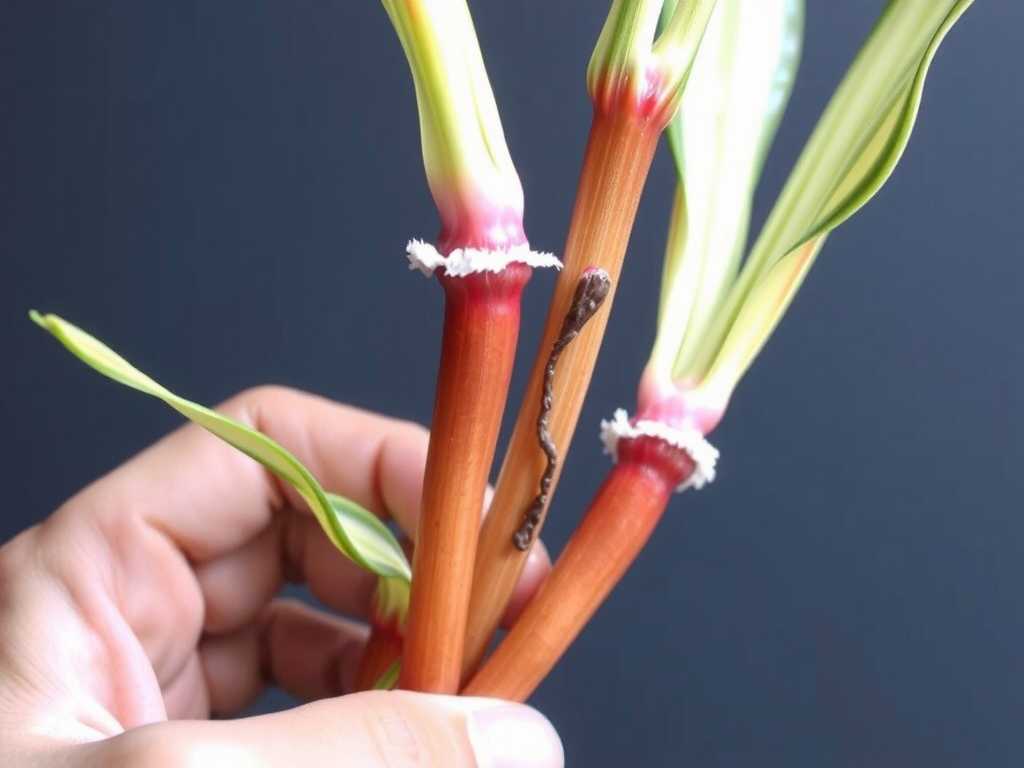
Step 2: The Critical Drying Period This is the step I used to rush, and it was my biggest mistake. I now let the cut end of the runner air-dry for a minimum of 24 hours, sometimes up to 48 if the humidity is high. I place it on a paper towel in a warm, shaded, and airy spot indoors. This allows a protective callus to form over the wound—a natural barrier against rot. According to principles often echoed by the American Horticultural Society (AHS), a calloused surface is fundamental for successful propagation of many succulent-stemmed plants, which spider plants functionally resemble in this context.
Step 3: Choosing Your Path: Propagation or Discard? After the callus has formed, you have a choice. If the runner has a healthy plantlet (baby) on it, it's absolutely worth propagating. If it's just a bare, broken stem with no plantlet, its purpose is largely gone, and I compost it. For a runner with a plantlet, I proceed.
Step 4: Propagation Setup I fill a small glass or jar with room-temperature water, ensuring no leaves will be submerged. I suspend the runner so only the very bottom of the stem (well below the plantlet's base) is in water. The callused wound should be just at or below the waterline. Some experts, like those contributing to Royal Horticultural Society (RHS) resources, note that while soil propagation is direct, water propagation allows for clear monitoring of root development, which is reassuring for beginners. I place the setup in bright, indirect light—never direct sun, which can cook the young roots.
The Two-Week Observation Diary: What Really Happens
Days 1-3: The plantlet may look slightly wilted or stressed—this is normal. The focus is on the stem's cut end in water. I watch for any cloudiness or sliminess in the water, an early sign of bacterial growth. I change the water every other day without fail.
Days 4-7: This is the make-or-break period. By day 5, in my successful attempts, I usually see the first tiny, white nubs pushing out from the callused area. These are the initial root primordia. No foul odor should be present. The plantlet's leaves regain firmness.
Days 8-14: Root growth accelerates. The nubs develop into recognizable, thread-like white roots reaching an inch or more in length. The plantlet shows clear new growth, with leaves becoming vibrant and possibly even unfurling a new leaf. At the two-week mark, if you have a healthy cluster of roots about 1-2 inches long, the propagation is a success, and it's ready for potting in a well-draining soil mix.
The Pitfalls I Encountered and How to Solve Them
Pitfall 1: Rot Setting In Immediately. My first failed attempt happened because I placed the freshly cut runner directly into water. Within two days, the stem turned mushy and brown. Solution: Never skip the callusing period. Let the wound dry completely. This single change increased my success rate to nearly 100%.
Pitfall 2: The Plantlet Wilting Beyond Recovery. Once, I tried to propagate a very small, immature plantlet from a broken runner. It simply didn't have the energy reserves to sustain itself while developing roots. Solution: Select runners with mature, robust plantlets that are already developing small root nubs (often visible as bumps) at their base. They have a much higher success rate.
Pitfall 3: Algae and Stagnant Water Stunting Growth. I left a runner in the same water for a week. Algae formed, competing for oxygen and potentially harboring pathogens. The roots grew slowly and were weak. Solution: Adhere to a strict water-changing schedule every 2-3 days. Use opaque containers to slow algae growth if preferred.
Pitfall 4: Ignoring the Mother Plant. In my focus on the runner, I once overlooked the broken stump on the mother plant. It oozed sap and attracted fungus gnats. Solution: While the mother plant is tough, I now lightly dust the broken end on the parent with cinnamon (a natural antifungal) and ensure the plant isn't overwatered while it seals its wound.
Ongoing Care for Your Successfully Propagated Spider Baby
Once potted, treat your new plant as a juvenile. Keep the soil lightly moist but not soggy for the first few weeks as it transitions from water to soil roots. Return it to bright, indirect light. Within a few months, with proper spider plant runner maintenance, your rescued plantlet will likely start producing its own runners, completing the cycle of growth from a simple accident.
Can I just stick the broken runner directly into soil? Yes, you can. After callusing, plant it in a moist, well-draining mix. However, I prefer the water method because it removes the guesswork. You can see the roots developing, which confirms the wound has healed and the plant is viable, preventing the heartbreak of waiting weeks for a soil-planted runner only to find it rotted unseen below the surface.
Will breaking the runner hurt the mother spider plant? Not in the long term. The mother plant may redirect energy into new growth or other runners. Ensure it has good light and appropriate watering, and it will continue to thrive. I've had mother plants push out new runners from a different node within weeks of an accidental break.
How can I prevent breaking runners in the future? Be gentle when moving or untangling a dense spider plant. Support the main runner stem with one hand while separating plantlets with the other. Consider placing your plant on a pedestal or hanging it, allowing the runners to cascade freely without getting caught or stepped on.
Accidents with our plants are inevitable, but they don't have to be tragedies. A broken runner is not a failure; it's an unexpected opportunity for propagation. By understanding the importance of immediate wound care, practicing patience during the callusing phase, and providing diligent aftercare, you can transform a moment of panic into a rewarding experience of nurturing new life. The resilience of the spider plant is a wonderful lesson—for both the plant and the gardener.