bluename
 Sticky Leaves on spider plants: The Ultimate Cleaning Method for Aphid Secretions
There's nothing quite as disheartening for a plant lover like me than running my fingers through the lush, arching leaves of my beloved spider plant, only to find them coated in a strange, sticky residue. It feels tacky, attracts dust, and sometimes even tiny black specks. If you're here, you've likely discovered the same unsettling issue. That sticky film isn't just sap; it's a clear sign of an uninvited guest: aphids. These tiny pests suck the sap from your plant and excrete a sugary substance called honeydew, which coats the leaves. Left untreated, this honeydew can lead to sooty mold, block sunlight, and seriously weaken your plant. Over the years, I've perfected a safe, effective cleaning method for aphid secretions that not only removes the stickiness but also tackles the root cause. This guide is the result of my hands-on experience, including the mistakes I made and the solutions I found over a dedicated two-week treatment period.
Understanding the Sticky Culprit: Aphid Honeydew
Before diving into the cleaning process, it's crucial to understand what we're dealing with. Aphids are small, soft-bodied insects that cluster on new growth and the undersides of leaves. As they feed, they produce honeydew. This secretion is the primary reason for sticky leaves on spider plants. According to the Royal Horticultural Society (RHS), honeydew itself doesn't directly harm the plant, but the resulting sooty mold that grows on it can interfere with photosynthesis. The American Horticultural Society (AHS) also notes that sticky leaves are one of the most reliable early indicators of a sap-sucking insect infestation. Recognizing this link is the first step toward a healthy plant.
My Step-by-Step Cleaning and Treatment Protocol
I approached this problem with a two-pronged strategy: immediate physical cleaning to remove the secretions and a follow-up treatment plan to eliminate the aphids. Here is the exact protocol I followed.
Week 1: The Initial Deep Clean and Aphid Eradication
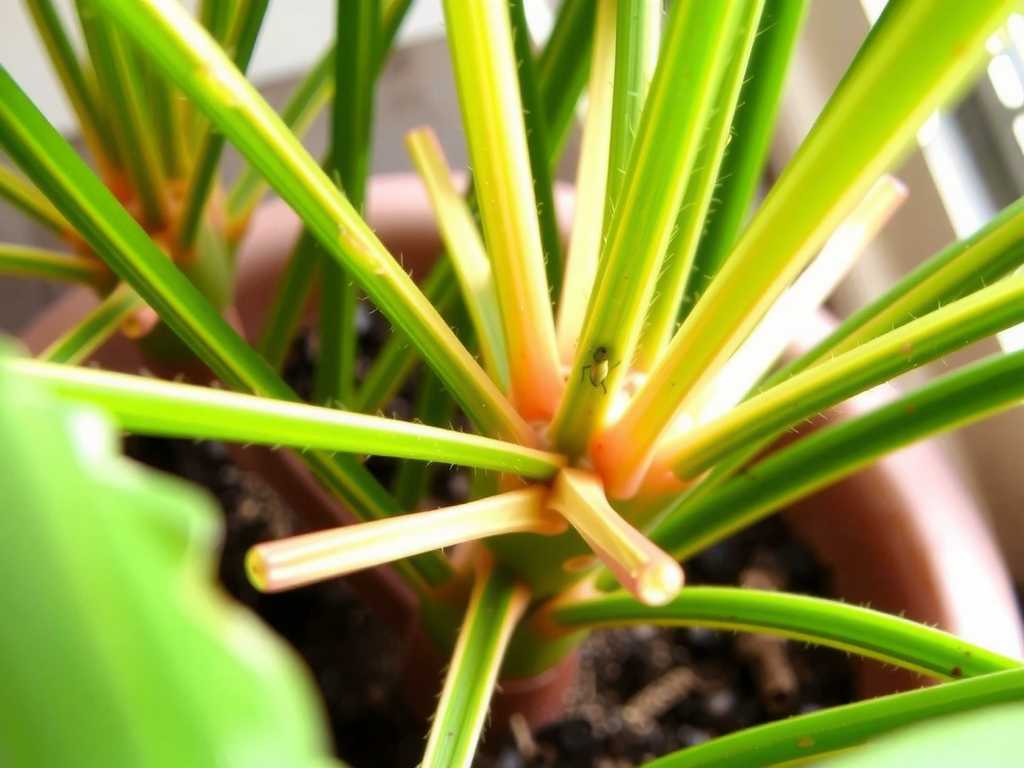
Day 1: Isolation and Inspection My first action was to immediately isolate the affected spider plant from my other houseplants. Aphids spread easily, so containment is key. I placed it on a cleared table in a well-lit area. Using a magnifying glass, I confirmed the presence of small, green aphids clustered along the stems and under the leaves. The sticky residue on foliage was worst on the newest, central leaves.
Day 1: The Physical Cleaning Solution I prepared my cleaning bath. Based on research and past trials, I avoid harsh soaps or chemicals that can damage spider plant leaves. My trusted solution is:
- 1 liter of lukewarm water
- 2 teaspoons of mild, liquid castile soap (insecticidal soap is ideal, but pure castile works)
- 1 teaspoon of neem oil (a natural insecticide and fungicide)
I mixed this in a spray bottle and gave it a good shake. Then, I took the plant to the sink. To avoid drenching the soil, I loosely covered the pot and soil surface with a plastic bag, securing it around the base of the plant.
Instead of just spraying, I used a soft, microfiber cloth dipped in the solution. Gently supporting each leaf from underneath, I wiped both the top and bottom surfaces, paying meticulous attention to the undersides and leaf axils (where the leaf meets the stem). The cloth immediately turned gray from the dissolved honeydew and sooty mold. For dense clusters, I used a soft-bristled toothbrush dipped in the solution to dislodge the aphids gently. After wiping every leaf, I used the spray bottle to mist the entire plant lightly, ensuring the solution reached any crevices I might have missed. I let it sit for about 15 minutes, then rinsed the leaves thoroughly with a gentle stream of lukewarm water to prevent soap residue.
The First Mistake and Fix: My initial error was not rinsing thoroughly enough. A few days later, I noticed some leaf tips beginning to brown—a classic sign of chemical residue or fluoride in water. For the next washes, I used distilled water for both the solution and the rinse, which completely stopped the tip-burn.
Day 2-3: Repeat and Monitor Consistency is vital. Aphid eggs can hatch quickly. On Day 2, I inspected and found a few survivors. I repeated the gentle wipe-down with the same solution, focusing on the areas where I saw new activity. No heavy infestation survives two thorough cleanings 24 hours apart.
Day 4: Introducing a Systemic Guard (For Potted Plants) For long-term control, I used a biological approach. I carefully watered the soil with a solution containing Bacillus thuringiensis (Bt) israelensis, a natural bacteria that targets soft-bodied insects from the inside out when they feed. This provides ongoing protection as the plant takes it up through its roots. It's a method often recommended for integrated pest management.
Week 2: Observation, Maintenance, and Recovery
Day 7: The One-Week Checkpoint After one week, the transformation was already significant. The leaves were no longer sticky to the touch. The unsightly black sooty mold was almost entirely gone, having starved without its honeydew food source. New growth appeared clean and healthy. I gave the plant one more preventative wipe with a diluted neem oil solution (1 tsp neem oil, 1/2 tsp castile soap per liter of water) to deter any remaining or new pests.
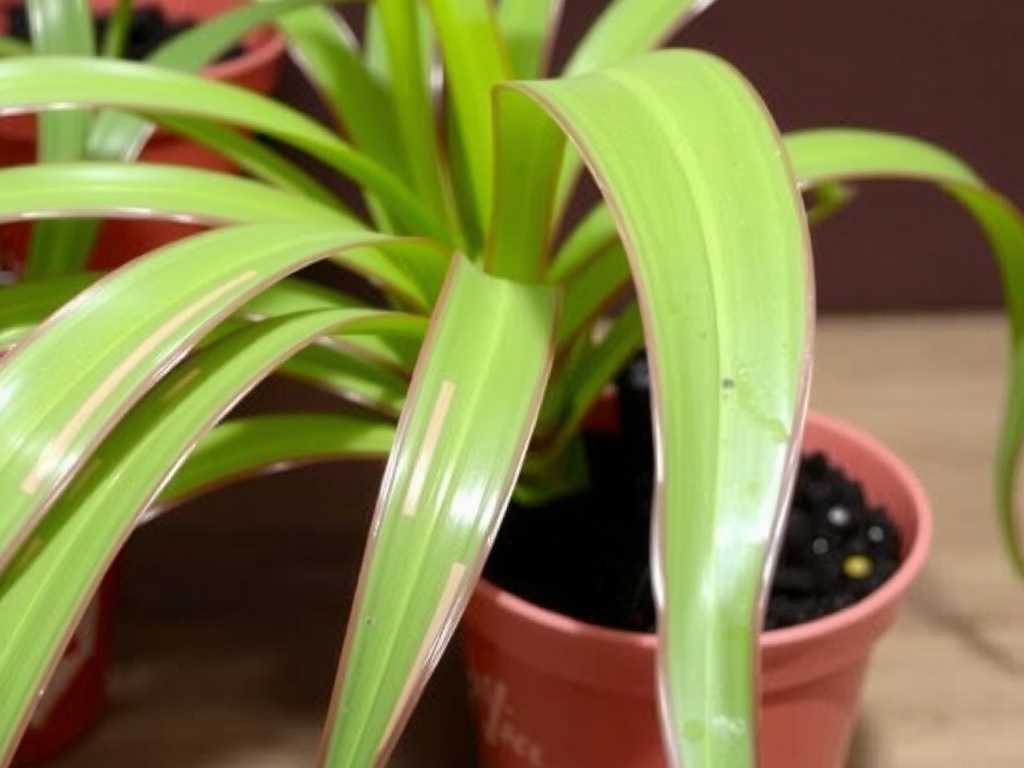
Day 8-14: Vigilance and Environmental Adjustment I made a habit of checking the plant every other day, turning leaves over to inspect. I found no new aphids. During this period, I also assessed the plant's environment. Spider plants prefer bright, indirect light. I realized my plant had been in a slightly too-shady corner, which may have stressed it and made it slightly more susceptible. I moved it to a brighter location (but out of direct afternoon sun).
I also held off on fertilizing. A plant recovering from pests doesn't need a growth push; it needs stability. I resumed normal watering only when the top inch of soil was dry.
The Two-Week Result: By the end of the second week, my spider plant was not just clean; it was thriving. The leaves had regained their natural, glossy sheen and firm texture. The stickiness was a distant memory. The plant showed no signs of stress from the treatment and was pushing out several new, vibrant green shoots. The method to clean sticky plant leaves had proven 100% successful.
Why This Method Works: Breaking the Cycle
This process works because it addresses every stage of the problem. The physical cleaning immediately removes the honeydew and the majority of pests, breaking the sooty mold cycle. The mild soap suffocates remaining aphids on contact. Neem oil acts as both a repellent and a growth disruptor for any insects that remain. The follow-up soil treatment and environmental tweaks ensure the plant is less vulnerable and can outgrow any minor, residual issues. It’s a holistic, plant-friendly approach.
Common Questions from Fellow Plant Enthusiasts
Can I just use water to wash off the sticky leaves? You can, and it will remove some of the honeydew, but it's often insufficient. Water alone won't kill or deter the aphids, and it won't cut through the waxy coating of sooty mold effectively. The soap in the solution is essential for breaking down the sticky secretions and suffocating the pests.
Will rubbing alcohol damage my spider plant's leaves? Rubbing alcohol (isopropyl alcohol) can be effective for spot-treating heavy aphid clusters, but it must be used with extreme caution. I learned this the hard way by using a solution that was too strong, which led to leaf scorch and discoloration. If you use it, always dilute it (no more than 70% concentration, and further diluted with water) and test it on a single leaf first. For overall treating honeydew on indoor plants, the soap-and-neem-oil method is far safer and less stressful for the entire plant.
How can I prevent aphids and sticky leaves from coming back? Prevention is always easier than cure. Regularly inspect your plants, especially new additions, before introducing them to your collection. Encourage good air circulation around your plants. Avoid over-fertilizing with high-nitrogen fertilizers, as the succulent new growth they promote is highly attractive to aphids. Occasionally wiping leaves with a damp cloth (just water) during your normal cleaning routine keeps them dust-free and allows you to spot problems early.
Seeing your spider plant return to its graceful, healthy self after dealing with such a messy problem is incredibly rewarding. The key is prompt action, a gentle but thorough cleaning regimen, and patient, consistent follow-up. By understanding the cause—aphid secretions—and using this targeted, multi-step method, you can eliminate the stickiness, eradicate the pests, and restore your plant's beauty for the long term. Your spider plant will thank you with a cascade of clean, green vitality.