bluename
 Compacted spider plant Potting Soil: The Transformative Improvement Effect of Adding Coconut Coir
As a long-time spider plant enthusiast, I’ve faced a common, frustrating issue more times than I care to count: compacted spider plant potting soil. You know the signs—water pooling on the surface for minutes before slowly seeping in, stunted growth, and those once-vibrant green leaves starting to look a bit sad and pale. It’s a problem that sneaks up on you, often a result of using standard, peat-heavy mixes that break down over time. This compaction chokes the roots, limiting their access to air and water, which is the last thing these otherwise resilient plants need. My quest for a solution led me to experiment with a simple, natural amendment: coconut coir. This is my hands-on account of how adding coconut coir to compacted soil created a remarkable improvement effect over a focused two-week period.
Why Soil Compaction is a Silent Killer for Spider Plants
Spider plants (Chlorophytum comosum) are praised for being forgiving, but their root systems tell a different story. They produce thick, tuberous roots that crave oxygen and room to expand. When soil becomes dense and compacted, it creates an anaerobic environment. The Royal Horticultural Society (RHS) notes that poor aeration is a primary cause of root stress, leading to reduced nutrient uptake and increased susceptibility to root rot. My own plants were showing exactly these symptoms. The soil in their pots had become so hard that I could barely push a finger into it. Watering had turned from a simple task into a worrying event, as I watched moisture fail to distribute evenly. I knew I needed to intervene, not just with a quick fix, but with a lasting amendment to improve soil structure. That’s where coconut coir entered the picture.
My Hands-On Experiment: Amending Soil with Coconut Coir
I decided to tackle the issue not by completely repotting, but by amending the existing, compacted soil. The goal was to physically loosen it and introduce a material that would resist future compaction. I focused on two core long-tail keywords in my research and execution: “how to fix compacted potting soil for spider plants” and “benefits of coconut coir for houseplant soil aeration.”
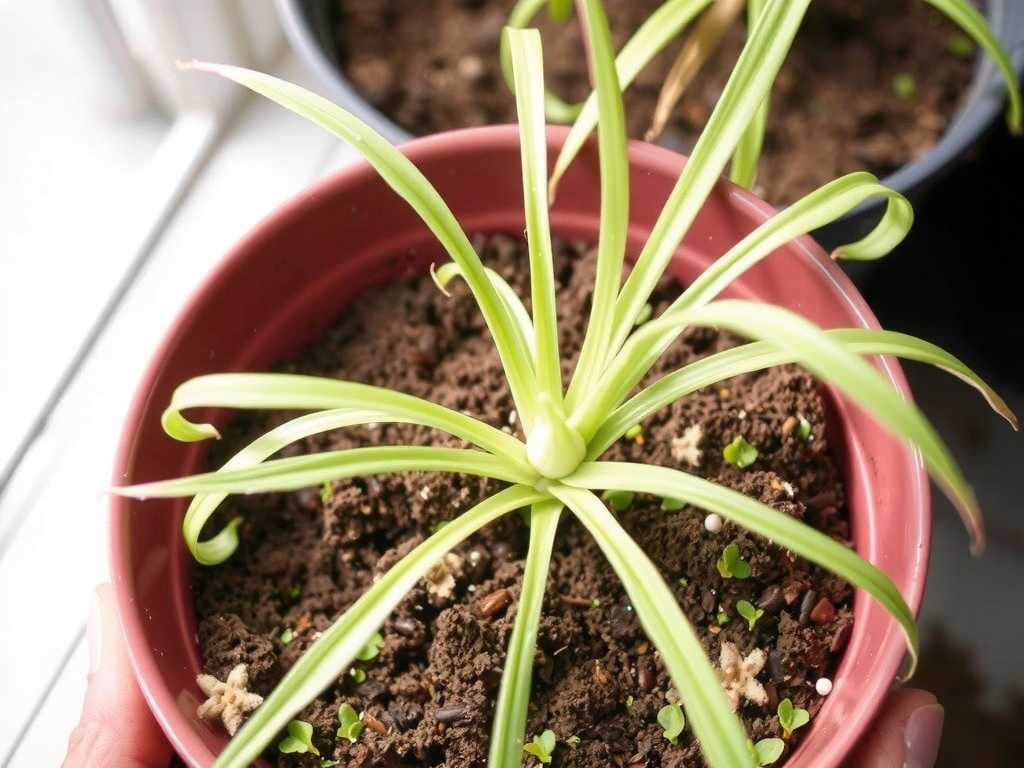
Step 1: Gathering and Preparing the Materials For this project, I used:
- One large, unhappy spider plant suffering from severely compacted soil.
- A brick of compressed coconut coir.
- A large bucket for rehydration.
- A hand trowel and a fork for loosening soil.
- A well-draining pot (a must for spider plants).
Preparing the coir was my first step. I placed the brick in a bucket and soaked it in warm water for about two hours. As the American Horticultural Society (AHS) suggests in their resources on sustainable potting mixes, it’s crucial to fully expand and rinse coir to remove any residual salts. Once expanded, I squeezed out the excess water until the coir was moist but not dripping—a consistency often described as “like a wrung-out sponge.”
Step 2: The Careful Amendment Process I gently removed the spider plant from its pot, being mindful of the roots. The root ball was a solid mass intertwined with the old, cement-like soil. Using a fork, I painstakingly loosened the outer and bottom layers of the root ball, breaking up the worst of the compaction. I did not bare the roots completely, as I wanted to minimize transplant shock.
Next, I took the prepared coconut coir and began thoroughly mixing it into the old potting soil. My ratio was roughly 1 part coir to 2 parts old soil. I worked it in with my hands, feeling the texture transform from a dense lump to a lighter, fluffier mixture. This process directly addressed the improvement of compacted soil structure. I then placed a layer of this new mix in the bottom of the clean pot, positioned the plant, and filled in around the sides with more of the coir-amended soil.
Step 3: The Initial Watering and Setup After repotting, I gave the plant a thorough, deep watering. This time, the water drained freely and immediately through the pot’s drainage holes—a stark and encouraging contrast to the previous pooling. I placed the plant in its usual spot with bright, indirect light and prepared for my two-week observation period.
The Two-Week Transformation: Documented Improvement Effects
Days 1-3: The plant looked slightly wilted, which is normal post-repotting stress. The key observation was in the soil itself. Even after watering, the surface remained open and loose.
Days 4-7: By the end of the first week, all signs of wilt had disappeared. The soil dried out more evenly and at a noticeably better pace. When I performed the “finger test,” I could easily insert it up to my knuckle. The effect of coconut coir on soil density was already proving successful. The soil was no longer a barrier.
Days 8-14: This is where the real excitement began. I observed a visible surge in new growth. Several fresh, bright green leaves emerged from the center of the plant, and the existing leaves seemed to regain a deeper, healthier hue. Most tellingly, when I carefully tipped the pot to check, I could see tiny white root tips beginning to explore the newly aerated mix near the drainage holes. The improvement in spider plant root health was underway.
The Pitfalls I Encountered and How I Solved Them
This experiment wasn’t without its hiccups. Here are the problems I faced and how I resolved them:
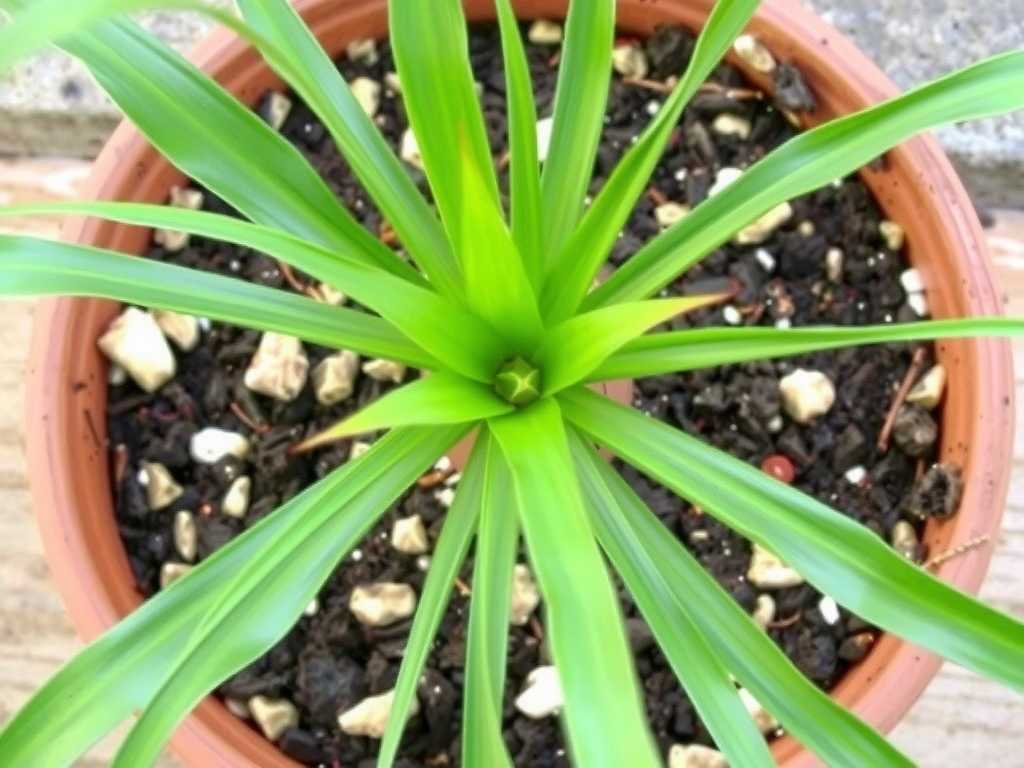
- The Problem of Salt and Initial Moisture: My first mistake was not rinsing the hydrated coir enough. A few days in, I noticed a faint white crust on the soil surface—a sign of salts. I solved this by switching to a “low-salt” or “pre-washed” coconut coir brand for future use and by giving the current pot a few deep, slow waterings to help leach any remaining salts out.
- Managing Watering Frequency: The improved drainage completely changed my watering schedule. The old compacted soil stayed wet for weeks; the new mix dried out in about 10 days. I initially under-watered, causing slight stress. I learned to check moisture more frequently (every 5-7 days) rather than sticking to a calendar schedule.
- Nutrient Considerations: Coconut coir is notoriously low in nutrients. While great for aeration, it doesn’t feed the plant. About 10 days in, I applied a diluted, balanced liquid fertilizer to support the new growth, which responded beautifully. This is a critical step when using high percentages of coir.
Why Coconut Coir Works: More Than Just Anecdotal Evidence
My positive experience is backed by horticultural science. Coconut coir’s physical structure consists of lignified fibers that create millions of tiny air pockets in the soil. These pockets resist collapse, which is the very definition of compaction. Furthermore, coir has excellent water-holding capacity while still promoting free drainage—a balance that is ideal for spider plant roots. It’s a sustainable, pH-neutral alternative to peat moss that directly tackles the core issue of potting soil compaction improvement. By integrating it, I didn’t just water the plant; I rehabilitated its entire underground environment.
How often should I add coconut coir to my spider plant soil? You shouldn’t need to add it frequently. A proper amendment during repotting every 1-2 years is sufficient. The structure of coir breaks down much slower than peat, providing long-lasting aeration.
Can I use only coconut coir, without any old soil? I don’t recommend a 100% coir mix for mature spider plants. While great for aeration, it lacks structure and nutrients. A blend of coir, potting soil, and a handful of perlite or orchid bark creates the ideal, well-draining, and nutrient-rich environment.
My plant still looks sad after amending the soil. What now? If the compaction was severe, some root damage may have already occurred. Ensure the plant is in appropriate light and review your watering. Patience is key. It can take a few weeks for the plant to fully rebound and show new growth. If the problem persists, consider if root rot had set in before the repotting, which may require further root trimming and fresh soil.
Seeing my spider plant rebound from compacted, struggling misery to vibrant, growing vitality in just two weeks was profoundly satisfying. The simple act of amending the soil with coconut coir didn’t just fix a watering problem; it unlocked the plant’s potential. The improvement in soil structure led directly to improved root health, which manifested as vigorous new growth. If you’re battling that hard, unyielding soil in your spider plant’s pot, don’t just water—renovate. Giving those roots the airy, loose environment they deserve with coconut coir might be the most effective change you make all season.