bluename
 Holes in spider plant Leaves: My Journey to Identify and Control Pest Damage
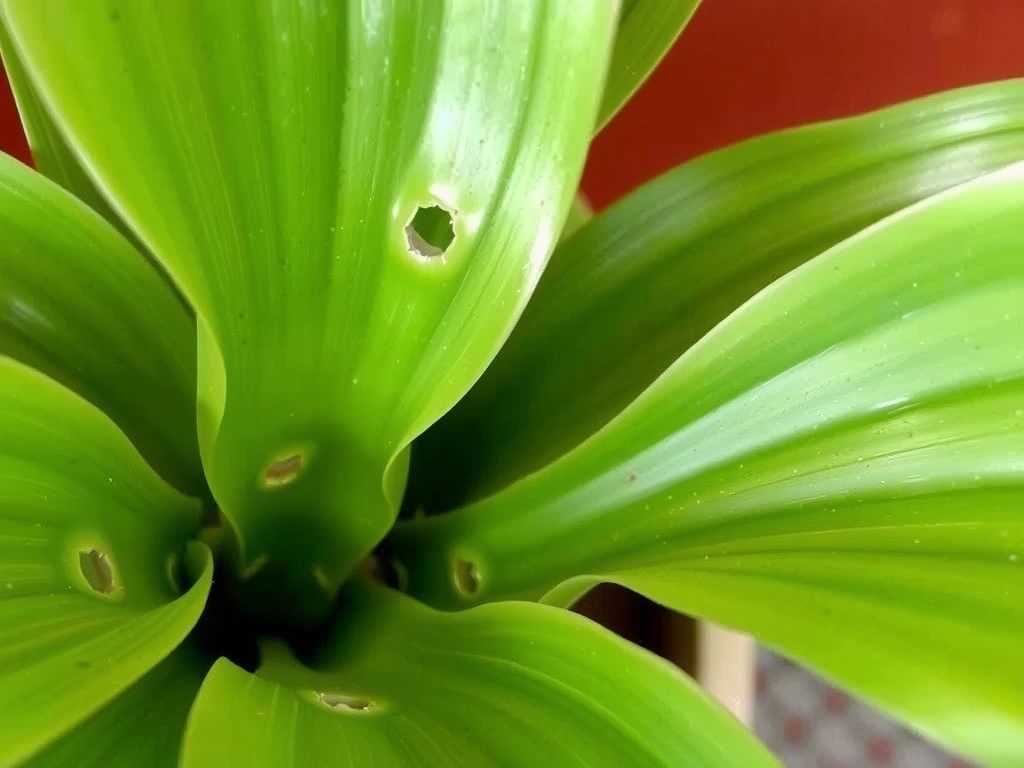
I’ll never forget the sinking feeling. There I was, admiring my lush, variegated spider plant, a champion of my indoor jungle, when I saw them: tiny, ragged holes peppering its arching leaves. It wasn’t just one leaf; it was several. My initial thought was, “What’s eating my spider plant?” This wasn’t the graceful browning of tips I knew how to fix. This was damage, active and unsettling. As a dedicated plant enthusiast, I knew that holes in spider plant leaves are a clear distress signal, often pointing directly to pest damage. I decided to document my two-week battle, from identification to control, sharing every step, mistake, and victory.
Understanding the Culprits: Who’s Making Holes in My Spider Plant?
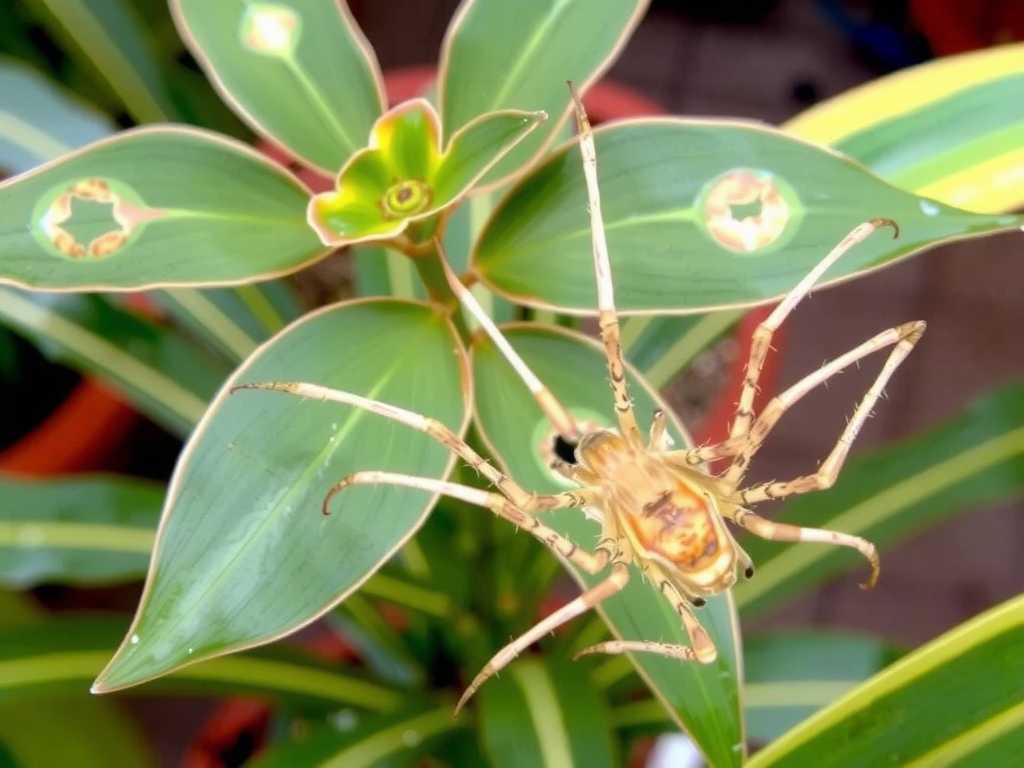
Before you can fight an enemy, you must know it. Spider plants are tough, but they’re not invincible to a few common invaders. Through my research and consultation with resources from the Royal Horticultural Society (RHS), I pinpointed the likely suspects. The pattern of the damage—irregular holes, sometimes starting as translucent “windows” before the tissue falls out—was my first clue.
My primary suspects were two: spider plant leaf-eating pests, namely caterpillars (less common indoors but possible from open windows) and, more likely, slugs and snails on spider plants. Yes, even indoors! They can hitch a ride on pots from the nursery or come in from houseplants summered outdoors. The second major suspect was spider mite damage on chlorophytum. While spider mites typically cause stippling (tiny yellow dots), severe infestations can weaken leaf tissue so much that it tears and creates hole-like damage. I had to investigate closely.
Week 1: The Inspection and Identification Phase
My first step was isolation. I immediately moved my afflicted spider plant away from its neighbors to prevent any potential pest spread. Then began the forensic examination.
- The Topside Check: I took a magnifying glass and inspected the undersides of leaves, along stems, and in the crown. I was looking for webbing (spider mites), tiny moving dots (thrips or mites), or the culprits themselves. I saw no obvious insects.
- The Nighttime Stakeout: Knowing many pests are nocturnal, I conducted a check after dark with a flashlight. Bingo. There, nestled near the base of the pot and on a lower leaf, was a small, slimy trail. The evidence pointed squarely to a slug or small snail. It had likely been living in the moist soil. This matched the chewing insect damage on spider plants I’d read about—larger, irregular holes rather than fine stippling.
My Initial Treatment Mistake and Correction
Here’s where I hit my first snag. In my haste, I purchased a general-purpose insecticidal spray. I gave the plant a thorough shower, let it dry, and applied the spray as directed. For two days, I saw no new damage and thought I’d solved it.
On day three, I noticed browning on the edges of some already-damaged leaves. I had failed to consider the spider plant’s sensitivity to chemicals. Many insecticides, especially soaps and oils, can cause phytotoxicity if not diluted correctly or if the plant is stressed. I had added stress to an already stressed plant.
I corrected this by:
- Gently flushing the soil with water to dilute any chemical residue.
- Switching to a physical and organic control method. I hand-picked any further slugs I found (a grim but effective task).
- Creating a barrier. I let the soil surface dry out more between waterings and placed a ring of diatomaceous earth around the pot’s base. This natural powder is sharp on a microscopic level and deters soft-bodied pests like slugs.
Week 2: Implementing a Holistic Control Strategy
With the culprit identified and my chemical misstep corrected, I implemented a full, gentle strategy focused on controlling pests on chlorophytum comosum without harming the plant.
Step 1: Soil and Watering Adjustment Overly moist soil is a paradise for slugs. I adjusted my watering schedule to allow the top inch of soil to dry out completely before watering again. I also checked that the drainage hole was clear. This simple change in environment made the pot less hospitable.
Step 2: Manual Removal and Traps Every evening for a week, I did a flashlight patrol. I removed two more tiny slugs. As recommended by the American Horticultural Society (AHS), I also set a shallow beer trap (a small container sunk into the soil) near the pot. The yeast attracts and drowns slugs. It was effective in catching one.
Step 3: Foliage Care and Support I did not remove the holed leaves immediately unless they were more than 50% damaged. Leaves still contribute to photosynthesis. I misted the plant lightly in the mornings to provide humidity (good for spider plants and bad for some pests) and ensured it received bright, indirect light to boost its recovery strength.
The Two-Week Observation: Results and Recovery
By the end of the first week of proper treatment, the appearance of new holes had completely stopped. The existing damage remained, a testament to the battle, but no fresh wounds appeared.
At the two-week mark, the plant showed clear signs of recovery. New, healthy growth was emerging from the center—tight, green, and perfectly intact. The older, holed leaves began to look less conspicuous as the new foliage filled in. The plant’s overall vigor seemed restored. The diatomaceous earth barrier remained, and I maintained the drier top-soil watering habit.
The key takeaway was that solving pest problems on spider plants requires patience and precision. Bombarding it with the wrong chemical was a setback, but gentle, consistent, physical and environmental controls provided the real solution.
Common Questions About Holes in Spider Plant Leaves
Can a spider plant recover from hole damage? Absolutely. Spider plants are remarkably resilient. While the existing holes will not heal, the leaf will often remain functional. The plant will direct energy into producing new, healthy leaves. Focus on pest elimination and optimal care, and your plant will outgrow the damage.
Are holes in leaves always from pests? While pests are the most common cause, physical damage (from pets, brushing past, or handling) can also create tears or holes. The difference is often in the pattern. Pest damage usually appears on multiple leaves and may be accompanied by other signs like trails, droppings, or visible insects. Single, large tears are often mechanical.
How can I prevent pests from eating my spider plant leaves? Prevention is always best. Quarantine new plants for a few weeks. Avoid overwatering and ensure good air circulation. Regularly inspect the undersides of leaves during your watering routine. Occasionally wiping leaves with a damp cloth not only keeps them dust-free but also dislodges early-stage pests. A healthy, well-cared-for plant is your best defense.
Seeing those holes was alarming, but the process of identifying and managing the issue deepened my understanding of my spider plant. It reinforced that successful plant care isn’t about having a perfect, untouched specimen, but about observing, learning, and responding thoughtfully to your plant’s needs. With the right approach, your spider plant can bounce back from pest damage and continue to thrive for years to come.