bluename
 Whole spider plant Wilting: Troubleshooting Steps for Root Problems
There's nothing quite as disheartening for a plant parent as seeing your once-lush and vibrant spider plant suddenly looking sad, with leaves turning pale, brown, or completely limp. I've been there, staring at a whole spider plant wilting on my shelf, feeling a mix of concern and confusion. More often than not, when the entire plant shows distress, the issue lies hidden beneath the soil. Root problems are the most common culprit behind a widespread spider plant collapse. Over the years, through trial and plenty of error with my own collection, I've learned that diagnosing and addressing root health is the key to revival. In this guide, I'll walk you through the exact, hands-on troubleshooting steps I use, sharing my real-world experience from initial panic to successful recovery.
Understanding Why Roots Fail: It's Usually About Balance
Before we dive into the rescue mission, it helps to know what we're dealing with. Spider plants (Chlorophytum comosum) are famously resilient, but their roots have specific needs. According to the Royal Horticultural Society (RHS), the primary causes of root issues in houseplants are consistently overwatering and poor drainage, leading to a lack of oxygen around the roots. The American Horticultural Society (AHS) echoes this, emphasizing that "healthy roots require a balance of air and water in the soil medium."
In simple terms, roots need to breathe. When they're suffocated in soggy soil, they begin to rot, turning mushy and brown. This rot prevents them from absorbing water and nutrients, which ironically causes the plant to exhibit signs of drought—wilting, browning tips, and overall decline. Conversely, roots can also desiccate and die back if the plant is severely and chronically underwatered, though this is less common than overwatering. The goal of our troubleshooting is to identify which scenario we're facing and act accordingly.
My Step-by-Step Diagnostic and Rescue Protocol
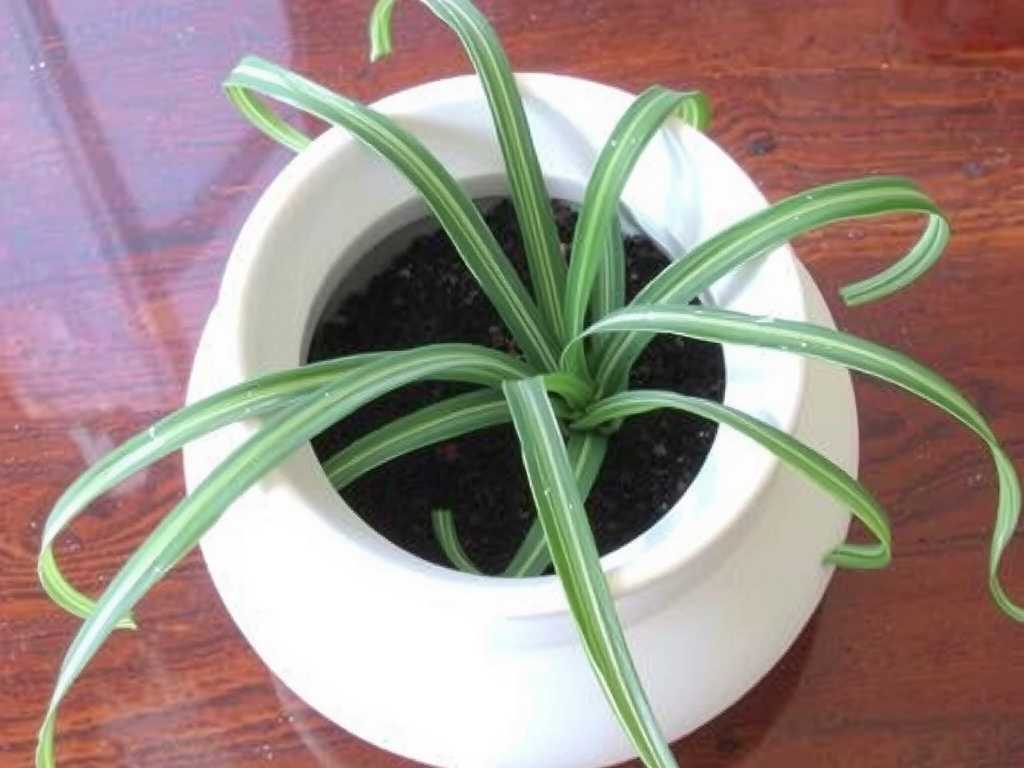
When I see my whole spider plant wilting, I don't just water it more or move it to a sunnier spot. I commit to a full root health inspection. Here is my personal, step-by-step protocol.
Step 1: The Gentle Unpotting First, I stop watering immediately. I carefully tilt the pot and gently coax the plant out, supporting the base of the leaves. If it's stubborn, I might tap the sides of the pot or run a knife around the interior edge. The goal is to get the root ball out intact for examination.
Step 2: The Root Ball Autopsy This is the most critical step. I gently remove as much of the old soil as possible by hand, sometimes using a gentle stream of lukewarm water to wash it away. Now, the root system is exposed. Healthy spider plant roots should be firm, white, or light tan, and often have distinctive, tuberous water-storage nodules.
I'm looking for two things:
- Root Rot: Soft, mushy, dark brown or black roots that may fall apart to the touch or have a foul, musty odor.
- Desiccated Roots: Roots that are brittle, thin, papery, and grayish, often pulling away easily.
Step 3: The Surgical Trim Using a pair of clean, sharp scissors or pruning shears (I wipe them with rubbing alcohol first), I cut away all the compromised roots. For rot, I cut back well into the firm, healthy tissue. For desiccated roots, I remove all the dead, stringy material. This feels drastic, but it's necessary. It removes the diseased tissue and encourages the plant to produce new, healthy roots. I also take this opportunity to trim away any completely dead or yellowing leaves at the base to help the plant focus its energy.
Step 4: The Fresh Start I never reuse the old soil, as it likely contains pathogens. I prepare a new, well-draining mix. My go-to recipe is a standard potting mix blended with about 30% perlite or coarse orchid bark for aeration. I choose a clean pot with excellent drainage holes. If reusing the same pot, I scrub it thoroughly. The new pot should only be slightly larger than the remaining root system; a too-large pot holds excess moisture and risks repeating the problem.
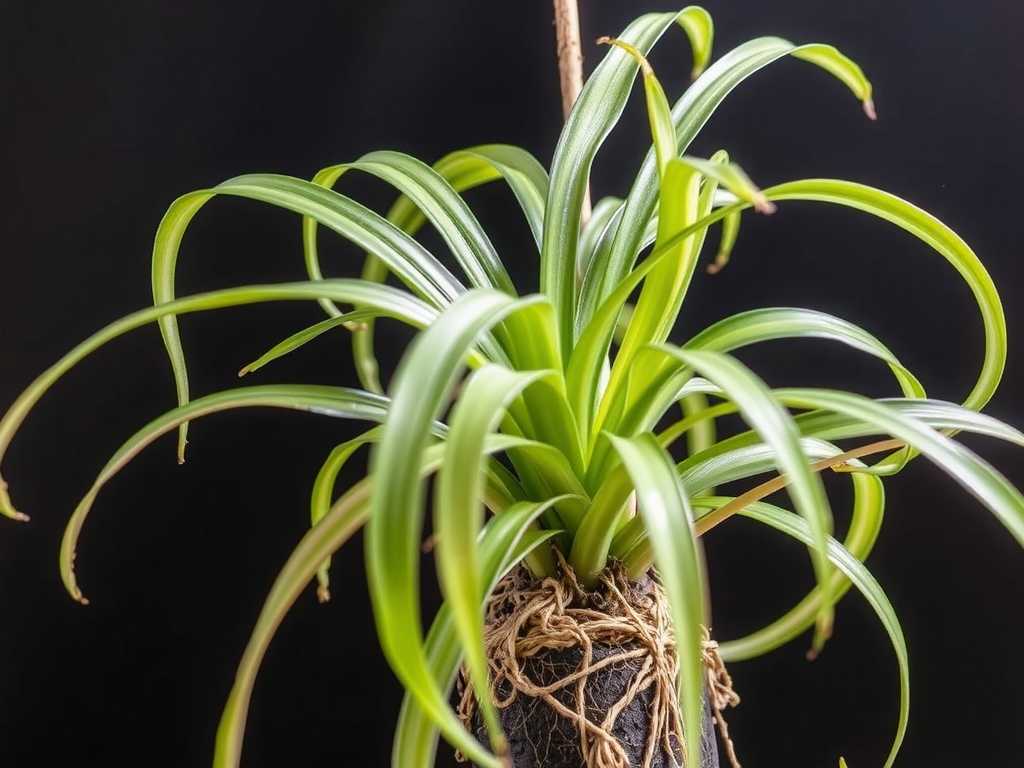
I place the plant in the new pot, fill in with fresh mix, and gently firm it around the roots. I do not water it immediately. This gives any tiny cuts on the roots from trimming a day or two to callus over, reducing the risk of new infection.
Step 5: The Critical Aftercare and Observation After 24-48 hours, I give the plant a thorough, deep watering until water flows freely from the drainage holes. This settles the soil and initiates root growth. Then, I place it in a location with bright, indirect light—no direct sun, which would add stress. I withhold fertilizer completely for at least 2-3 months; the fresh soil has nutrients, and the plant's priority is root regeneration, not foliage growth.
My 2-Week Recovery Journal: A Real-Life Case Study
I performed this exact process on a "Vittatum" spider plant that had been severely overwatered by a well-meaning house sitter. Here’s what I observed:
- Days 1-3: The plant looked worse, if possible. The remaining leaves were still very limp and droopy. This is normal! The plant is in shock, and its reduced root system cannot yet support the existing foliage. I resisted the urge to water again.
- Days 4-7: I noticed the soil was drying out at a normal rate. The very center of the plant, where new growth emerges, still had a faint green firmness. No further leaf yellowing occurred. This was my first sign of stabilization.
- Days 8-14: Around day 10, I gently tugged on a leaf base and felt the slightest resistance—a hint that new root anchors were forming. By the end of the second week, the limp leaves hadn't fully perked up, but they had stopped declining. Two small, new green shoots were visibly emerging from the center. This was the definitive sign of success: the plant was investing energy in new growth, confirming the root problems were being resolved.
The Pitfalls I've Encountered (And How to Avoid Them)
This process isn't always smooth. Here are the mistakes I've made so you don't have to:
- The Rush to Water: My biggest early mistake was watering right after repotting. This led to immediate rot recurrence in the freshly cut roots. The waiting period is non-negotiable.
- Incomplete Root Removal: Once, out of fear, I didn't cut back rotten roots far enough. The rot continued to spread, and I had to redo the entire process a week later. Be bold and thorough with your trim.
- Wrong Soil or Pot: Using dense, moisture-retentive soil or a pot without drainage guarantees failure. Investing in the right materials from the start is crucial.
- Over-fertilizing in Recovery: I once thought a "vitamin boost" would help. It burned the fragile new roots and set recovery back by weeks. Remember, no fertilizer during the initial healing phase.
Frequently Asked Questions from Fellow Plant Lovers
Can a spider plant recover from severe root rot? Yes, absolutely. Spider plants are remarkably tenacious. Even if you have to remove 80% of the roots, as long as there is some healthy, firm material left and the crown (center) of the plant is intact, it has a very strong chance of recovery with proper aftercare. Patience is key—it may take several months to regain its former fullness.
How can I tell if my spider plant is overwatered or underwatered if both cause wilting? Check the soil and the roots. Overwatered plants will have consistently wet soil, possibly a sour smell, and the wilting leaves may feel soft and mushy at the base. Underwatered plants will have bone-dry soil that may pull away from the pot's edges, and the leaves will feel dry, crispy, and brittle. The root inspection is the final judge: mushy vs. crispy.
How often should I water my spider plant after a root repair? Abandon a fixed schedule. Your new watering cue is the soil. After the initial post-repotting water, allow the top 1-2 inches of soil to dry out completely before watering again. Stick your finger in the soil to check. This encourages the new roots to grow and seek out moisture, strengthening the entire system. In typical indoor conditions, this might mean watering every 10-14 days, but it will vary.
Watching a whole spider plant wilting is a call to action, not a cause for despair. By methodically investigating the root cause—literally—you can transform a dying plant into a thriving survivor. The process requires a bit of courage to unpot and prune, but the reward of seeing those first new green shoots is immense. It deepens your understanding of your plant's needs and makes you a more confident and capable plant parent. Remember, focus on the roots, provide a fresh foundation, and let time and careful observation be your guides. Your spider plant will thank you with renewed growth and vitality.