bluename
 Waterlogging in spider plant Potting Soil: Drainage Tips with Ceramsite at the Bottom of the Pot
I’ve lost count of how many times I’ve lovingly watered my spider plants, only to be met with the dreaded signs of distress days later: yellowing leaves, a general look of sogginess, and that faint, musty smell from the soil. The culprit, almost always, was waterlogging in spider plant potting soil. It’s a common heartbreak for indoor gardeners. These resilient plants are forgiving of many things, but their roots absolutely despise sitting in constant moisture. After one too many close calls, I decided to tackle the root of the problem—literally—by focusing on the foundation of any good potting setup: drainage. My mission became mastering the use of ceramsite at the bottom of the pot as a primary defense. Here’s my hands-on journey, complete with a two-week experiment, the mistakes I made, and the solutions that finally gave my spider plants the quick-draining home they crave.
Why Spider Plants Dread Soggy Feet
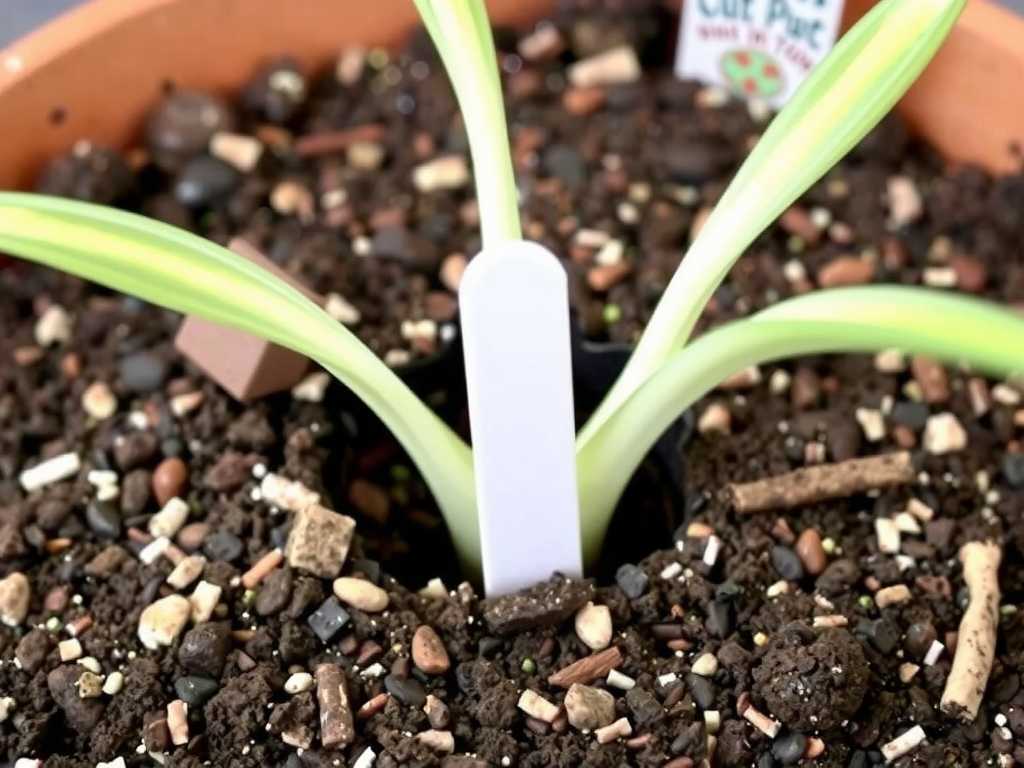
Spider plants (Chlorophytum comosum) are often touted as indestructible, which can be a bit misleading. While they tolerate occasional neglect, they are highly susceptible to root rot caused by poor drainage. Their thick, tuberous roots store water, making them extra vulnerable in perpetually wet conditions. The American Horticultural Society notes that overwatering is the single most common cause of houseplant failure, and plants like spider plants with fleshy roots are often the first to show symptoms. Waterlogged soil suffocates roots, preventing them from absorbing oxygen and nutrients, which leads to the rapid decline we see in the leaves.
My Arsenal: Choosing the Right Materials
Before starting, I gathered my supplies. For the plants, I chose two mature spider plant pups that were healthy but ready for an upgrade from their cramped nursery pots. My potting mix was a standard, well-aerated houseplant blend. The star of the show was the ceramsite, also known as LECA (Lightweight Expanded Clay Aggregate). These are small, porous, baked clay balls that are inert, pH-neutral, and fantastic for creating air pockets. I also had my trusty moisture meter, a notebook for observations, and two identical plastic pots with multiple drainage holes.
The Step-by-Step Process: Building a Drainage Layer
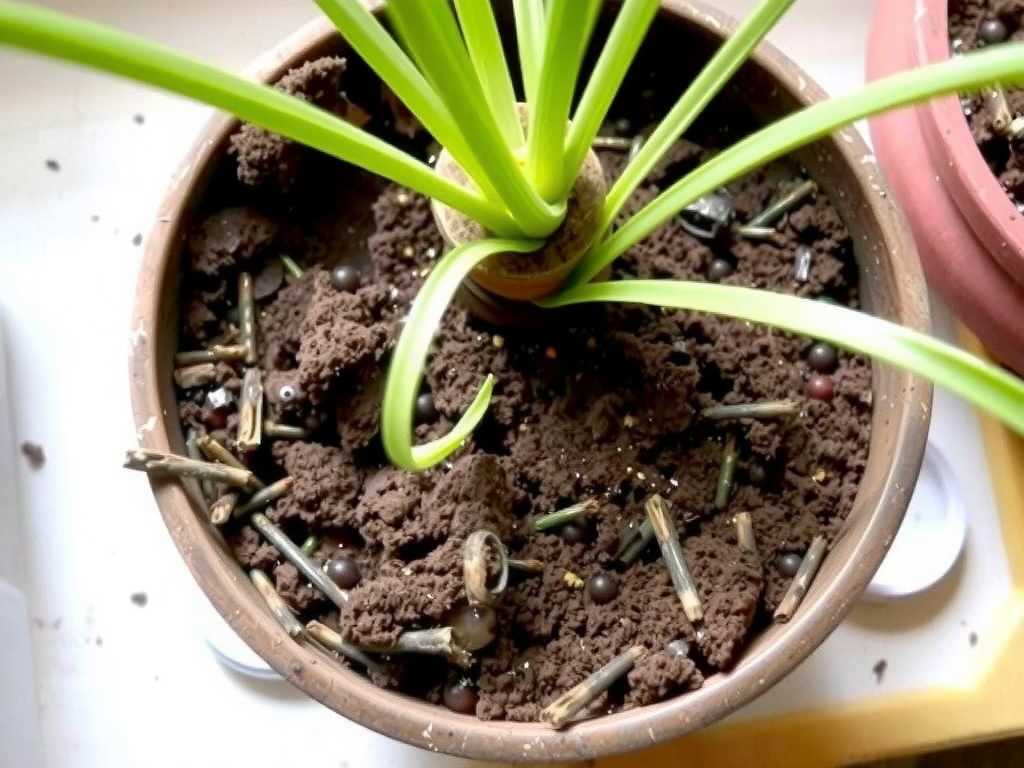
My goal was to test a classic method: using a layer of ceramsite at the bottom of the pot to prevent waterlogging in spider plant potting soil. Here’s exactly what I did:
Day 1: Preparation and Potting First, I thoroughly cleaned the new pots. I then poured a layer of ceramsite into each pot, aiming for a depth of about 1 to 1.5 inches. This layer acts as a false bottom, creating a reservoir for excess water to drain away from the primary root zone. Some experts, like those cited in Royal Horticultural Society guidelines, debate the effectiveness of this method, suggesting it can simply raise the water table within the pot. I was determined to test it for myself. Next, I placed a thin piece of breathable landscape fabric over the clay balls. This critical step, which I learned the hard way (more on that later), prevents the potting soil from gradually sifting down and clogging the drainage layer. I then added my pre-moistened potting mix, planted the spider plants at the same depth they were before, and gave them a thorough initial watering until water ran freely from the drainage holes.
The Two-Week Observation Diary
I monitored both plants closely, watering only when my moisture meter read “dry” about an inch below the soil surface.
Days 1-3: After the initial soak, the pots felt surprisingly lighter than my previous potting attempts. There was no standing water in the saucers after 30 minutes, a good first sign.
Days 4-7: Typically, this is when my old pots would still feel heavy and damp. With the ceramsite layer, the soil surface felt dry to the touch. A moisture check confirmed the top few inches were drying nicely. The plants showed no signs of transplant shock and maintained their vibrant green color.
Days 8-14: I performed my first full watering cycle a week in. The water drained through almost immediately—a satisfying sight. Over the second week, the spider plant soil drainage was noticeably efficient. The leaves remained perky and firm, with no hint of yellowing. New growth, tiny green shoots, were even visible at the base of both plants by day 12. Compared to a control plant I kept in a pot without a dedicated drainage layer, the difference in soil moisture retention and overall plant vigor was stark.
The Pitfalls I Encountered and How I Fixed Them
This process wasn’t flawless on the first try. I made one crucial error in my initial setup.
The Big Mistake: Skipping the Barrier In my eagerness, I initially potted one plant without the landscape fabric between the ceramsite and the soil. After a few waterings, I noticed the water was draining slower. Upon investigation, I found fine soil particles had washed down and were compacting the spaces between the clay balls, partially negating their benefit. This essentially created a perched water table higher up in the pot, which is exactly what the RHS warns about.
The Solution: A Simple Separator For the other plant and when I repotted the first, I used the landscape fabric. This permeable barrier allows water to pass through but holds the soil back completely. This simple fix was a game-changer. It ensured the ceramsite drainage layer remained functional and free-flowing, effectively creating the drainage zone I intended. It turned a potential failure into a resounding success.
Beyond the Layer: Holistic Drainage Tips
While the ceramsite layer is powerful, it’s not a magic bullet. It works best as part of a holistic approach to prevent potting soil water retention.
First, always use a pot with adequate drainage holes. No amount of ceramsite can save a plant in a pot without an exit for water. Second, tailor your watering habits. Use a moisture meter or the finger test. Water deeply, then let the plant approach dryness. Spider plants prefer this cycle. Finally, consider amending your potting mix. Adding extra perlite or coarse sand to your soil increases aeration from top to bottom, complementing the bottom drainage layer perfectly.
Your Questions, Answered
How thick should the layer of ceramsite be? For a standard-sized pot (6-8 inches in diameter), a 1 to 1.5-inch layer is sufficient. For larger pots, you can go up to 2 inches. The goal is to create a meaningful reservoir without sacrificing too much space for root growth.
Can I use pebbles or broken pottery instead of ceramsite? You can, but ceramsite is superior. Pebbles are dense and don’t create as many air pockets. Broken pottery can work but may have sharp edges. The porosity and lightweight nature of ceramsite make it ideal for both drainage and aeration.
Do I still need to be careful with watering if I use this method? Absolutely. This method improves drainage and reduces the risk of overwatering, but it does not eliminate it. You must still water based on the plant’s needs and the soil’s moisture level, not on a fixed schedule. The ceramsite layer is a safety net, not a license to overwater.
Watching my spider plants thrive over these past weeks has been incredibly rewarding. The combination of a purposeful ceramsite at the bottom of the pot, a soil barrier, and mindful watering has completely transformed their health. The leaves are greener, growth is active, and that constant worry about soggy soil has evaporated. If you’re battling the signs of overwatering, don’t just change your watering can—change your potting strategy. Building a proper foundation for drainage is the most effective, long-term solution for happy, healthy spider plants.