bluename
 Faded Leaves on spider plants: Prevention Methods for Variety Degeneration
There’s a particular heartbreak familiar to every houseplant enthusiast. You’ve nurtured a stunning, variegated spider plant, its leaves a vibrant tapestry of green and white. Then, slowly, the brilliant stripes begin to fade. The white turns pale, then yellowish, and the green loses its luster. Before you know it, your prized ‘Vittatum’ or ‘Bonnie’ is reverting to a plain, all-green version of itself. This isn't just an aesthetic issue; it’s a sign of variety degeneration. As a long-time spider plant collector, I’ve faced this ghostly fade more times than I care to admit. But through trial, error, and dedicated observation, I’ve developed a practical prevention plan that works.
Let me walk you through the exact steps I took to rescue a fading Chlorophytum comosum ‘Vittatum’, the results I observed over a critical two-week period, and the common pitfalls you must avoid to preserve your plant’s unique beauty.
Understanding the Why: Why Spider Plant Leaves Lose Their Variegation
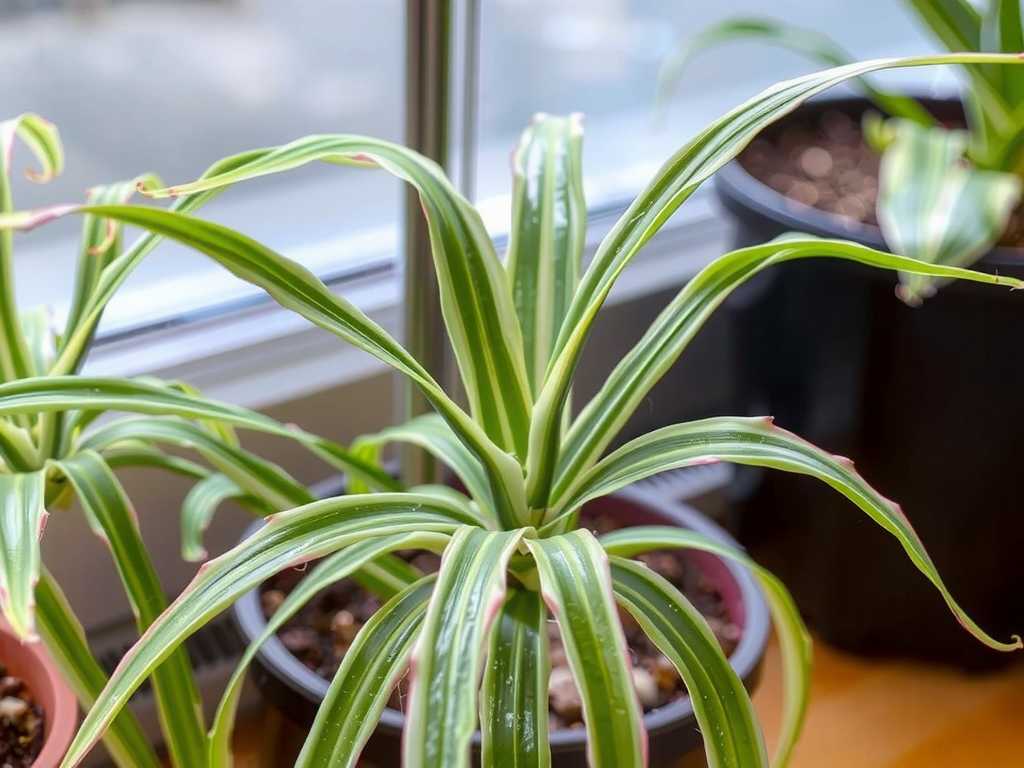
First, we must diagnose the cause. Variegation in plants is often a genetic mutation that results in less chlorophyll in the white or yellow sections. When the plant is stressed, its survival instinct kicks in. It prioritizes chlorophyll production to maximize photosynthesis, leading to a loss of those beautiful pale sections. The Royal Horticultural Society (RHS) notes that reversion, where a variegated plant produces all-green growth, is often a response to low light. The American Horticultural Society (AHA) supports this, emphasizing that insufficient light is a primary culprit for fading variegation.
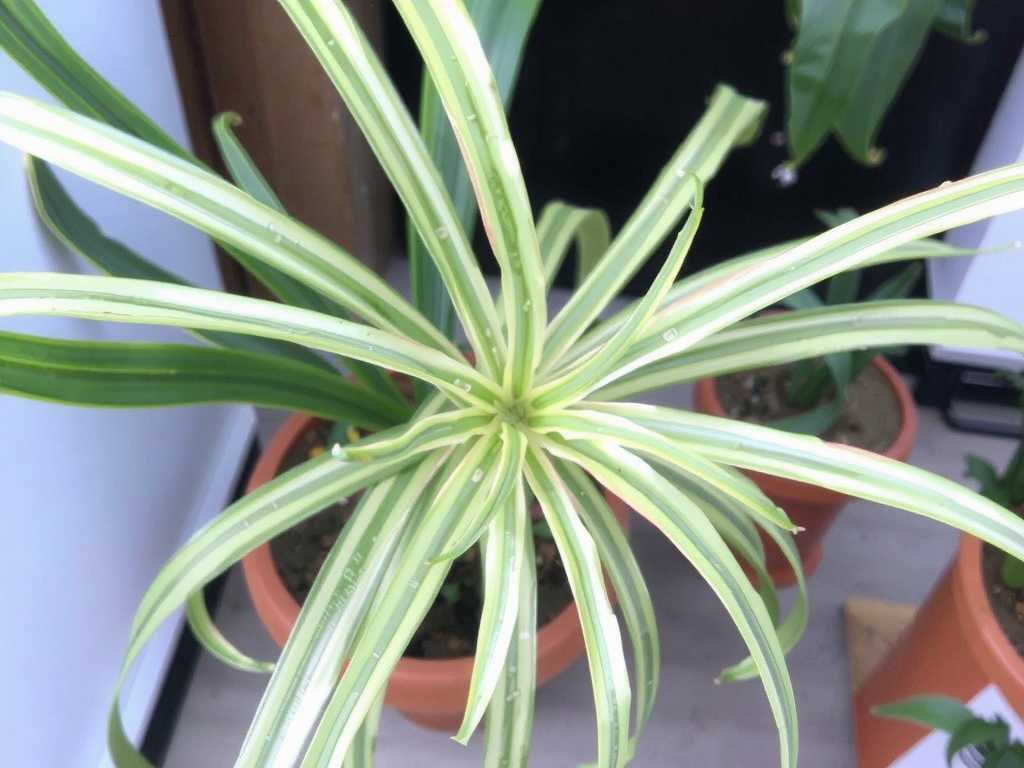
From my experience, the main triggers are:
- Insufficient Light: The number one cause. The plant compensates by “greening up.”
- Over-fertilization: Especially with high-nitrogen formulas, which boost green growth.
- Natural Reversion: Sometimes, a shoot simply reverts genetically. If not removed, it can take over.
My struggling ‘Vittatum’ was sitting on a shelf about 10 feet from a north-facing window. It looked fine to the casual glance, but the new leaves were noticeably less white and more lime-green. The problem was clear: it was literally fading into the background.
My Two-Week Rescue Protocol: A Step-by-Step Diary
I committed to a 14-day intensive care routine, documenting changes every other day.
Week 1: The Adjustment Phase
Day 1-3: The Light Revolution My first step was an immediate change in location. I moved the plant to a bright spot directly in front of an east-facing window, where it would receive several hours of gentle morning sun. Direct afternoon sun can scorch the leaves, so east or north-facing light is ideal. I also gently wiped down every leaf with a damp cloth. Dust blocks precious light, and according to an AHA article on plant care, clean leaves can increase light absorption by up to 10%. This simple act is often overlooked.
The First Pitfall and Fix: I initially placed it on a south-facing sill. Within 48 hours, the very tips of two leaves began to brown—a clear sign of too much direct sun. I quickly relocated it to the east window. Lesson learned: Bright, indirect light is key. Morning sun is friendly; harsh afternoon sun is an enemy.
Day 4-7: Water and Nutrient Audit I assessed my watering habits. Spider plants like to dry out somewhat between waterings. I was watering on a weekly schedule, but the plant’s needs change with light. I switched to the “finger test,” watering only when the top inch of soil was dry. Next, I scrutinized my fertilizer. I had been using a balanced, all-purpose feed. I stopped all fertilization immediately. For the next two months, I planned to use only plain water to flush out any excess nitrogen salts from the soil, a common advice echoed by the RHS for plants showing reversion.
Week 2: Observation and Refinement
Day 8-14: Signs of Hope By Day 8, no further fading was apparent. The existing pale leaves weren’t magically turning white again—that doesn’t happen. The critical test would be in the new growth. On Day 12, I spotted a tiny new leaf spear emerging from the center. I monitored it anxiously. By Day 14, that new leaf had unfurled enough to reveal its pattern. The stripe was distinctly brighter and whiter than the previous three leaves! The green sections were a deeper, richer shade. The plant had stopped its backward slide and was now producing true-to-variety foliage again. The existing faded leaves would remain, but the future looked bright.
Long-Term Prevention: Keeping Your Variegation Vibrant
My two-week intervention was just the beginning. Preventing variety degeneration is an ongoing commitment.
1. Optimize Light Consistently Your spider plant needs that bright, indirect light year-round. In darker winter months, I now use a simple grow light for 4-6 hours a day, positioned about 12 inches above the plant. This has completely prevented the winter fade I used to experience.
2. Fertilize with Finesse I resumed feeding after the two-month flush, but now I use a diluted, balanced liquid fertilizer only once a month during the growing season (spring and summer). I avoid it entirely in fall and winter. This provides support without overwhelming the plant.
3. The Pruning Imperative This is crucial. Any all-green shoot or leaf that appears must be removed immediately. Cut it off at the base where it emerges from the soil. If you leave it, that reverted growth, which is more vigorous because it has more chlorophyll, will outcompete the variegated parts. I check for these every time I water.
4. The Right Pot and Soil Ensure your plant isn’t root-bound, as this causes stress. I repot mine every 2-3 years into a pot only one size larger with a well-draining potting mix. Good drainage prevents root rot, another stressor that can trigger reversion.
Common Questions from Fellow Plant Lovers
Can a completely reverted spider plant ever get its variegation back? No, unfortunately. Once a leaf or stem has reverted to solid green, it will not regain its stripes. The focus must be on promoting new, healthy growth from the plant’s center and removing any reverted parts. The new growth will show if your conditions are correct.
Is it better to propagate from a fading plant to save the variety? Yes, but you must be selective. Propagate only from the healthiest, most variegated plantlets (spider babies). Avoid using pups from a shoot that is already showing signs of reversion. Root these plantlets in water or soil and place them immediately in optimal bright light to give them the best start.
Are some spider plant varieties more prone to fading than others? Absolutely. Highly variegated cultivars like ‘Reverse Variegatum’ (white center, green edges) or ‘Bonnie’ (curly variegated) can be more sensitive to low light and stress than the robust all-green variety. They require more consistent care to maintain their distinctive patterns.
Seeing those fresh, brightly striped leaves emerge after two weeks of adjusted care was immensely rewarding. It confirmed that preventing faded leaves and variety degeneration isn’t about luck; it’s about understanding the plant’s language. Stress manifests as fading. By providing consistent, bright indirect light, practicing restrained feeding, and courageously pruning reverted growth, you are not just maintaining a plant. You are stewarding a unique living artwork, ensuring its beautiful pattern endures for years to come. Start with the light, and the rest will follow.