bluename
 Recurrent Aphths on spider plants: My 2-Week Journey to Eradication Through Double Cleaning of Soil and Plants
If you’re reading this, you’ve likely seen the tell-tale signs: the sticky honeydew, the clusters of tiny green or black bodies on your spider plant’s arching leaves, and that sinking feeling when, after a treatment, they come back. I’ve been there. As a houseplant enthusiast with a collection that’s my pride and joy, recurrent aphids on spider plants became my most frustrating battle. The cycle of spotting, spraying, and temporary relief only for the infestation to return was exhausting. I realized spot-treating the leaves wasn’t enough. The solution, I discovered through trial, error, and research, was a comprehensive double cleaning of soil and plants. This is the detailed account of my two-week, hands-on process to break the cycle for good.
Why Aphids Keep Coming Back: The Problem with Partial Solutions
My initial approach was classic: see bugs, spray bugs. I’d use insecticidal soap or a neem oil solution directly on the visible aphids. The plants would look clean for a week or two, and then—bam—the aphid infestation on spider plants was back, sometimes worse. I felt defeated. According to the Royal Horticultural Society (RHS), aphids are prolific breeders and can quickly develop resistance to treatments if not applied thoroughly and consistently. More importantly, I was missing a critical piece of the puzzle: the soil.
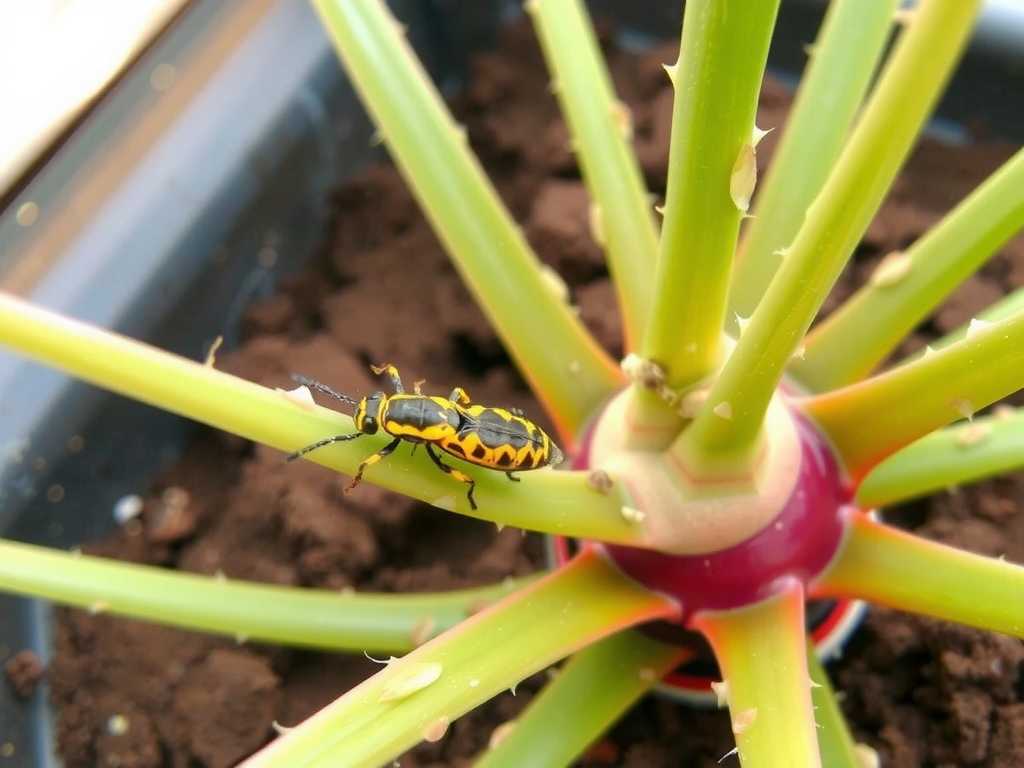
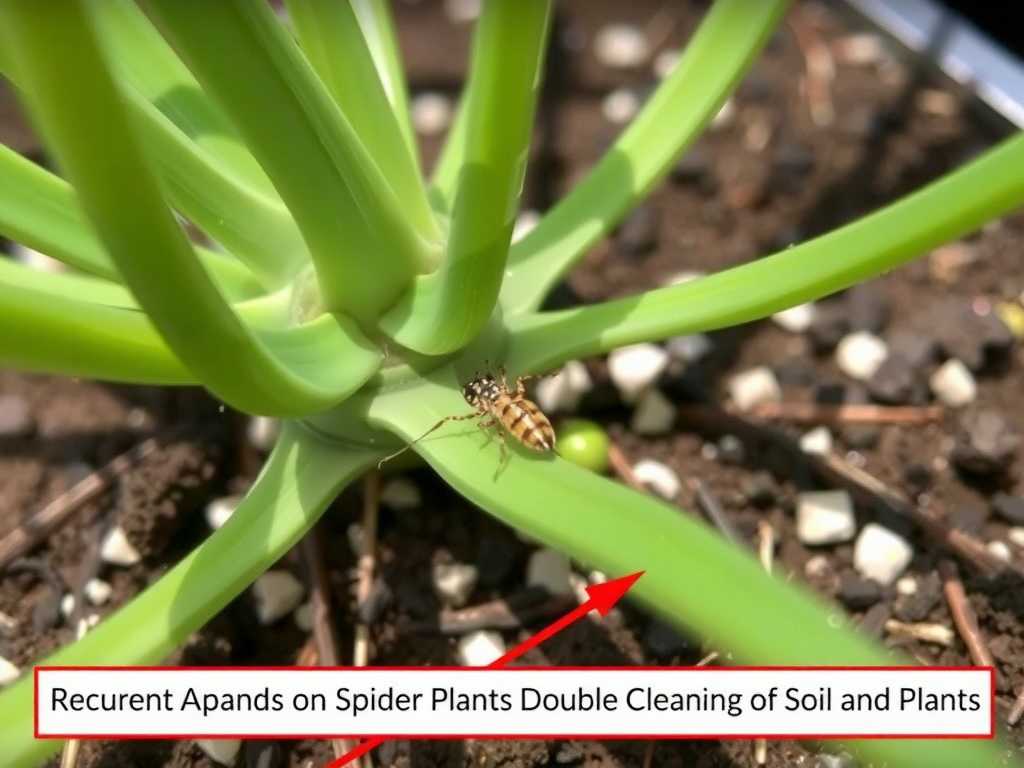
Aphids don’t just live on leaves. They can colonize the soil surface, hide in the top layer, and their eggs can be present in the growing medium. By only treating the foliage, I was addressing half the problem. The survivors in the soil would simply repopulate the freshly cleaned leaves. This insight was my turning point. To achieve true eradication, a simultaneous, two-pronged attack was necessary.
The Double-Cleaning Protocol: A Step-by-Step Guide
This method isn’t a quick fix; it’s a strategic reset. I blocked out a weekend to initiate the process and committed to a 14-day observation period.
Week 1: The Initial Intensive Clean (Days 1-3)
Step 1: Isolation and Assessment I immediately moved all affected spider plants to a separate room, away from my other houseplants. This contained the problem. I then gave each plant a thorough visual inspection, noting the severity on the leaves, stems, and, crucially, on the soil surface and the rim of the pot.
Step 2: Foliage Cleaning and Treatment I prepared a sink with lukewarm water and a few drops of mild, fragrance-free castile soap. For each plant:
- I gently inverted the pot, securing the soil ball with my hand, and swished the foliage in the soapy water. This dislodged a shocking number of aphids.
- After rinsing with clean water, I let the foliage drip-dry.
- Once dry, I applied a ready-to-use insecticidal soap spray, meticulously coating every leaf—top and bottom—and every stem. I was careful to follow the label instructions precisely.
Step 3: Soil Surface Cleaning and Treatment (The Game-Changer) This was the step I’d always skipped. Here’s what I did:
- I gently scraped off the top half-inch to one inch of soil, disposing of it securely in a sealed bag outside my home.
- I prepared a soil drench using the same insecticidal soap, but diluted more heavily as per the bottle’s instructions for soil use. I slowly poured this onto the exposed soil surface until it began to drain from the bottom. This targets any aphids, larvae, or eggs residing in the root zone.
- I allowed the pot to drain completely in the sink.
Step 4: Top-Dressing with a Barrier After the soil had drained, I covered the fresh surface with a new layer of sterile, premium potting mix. To add an extra deterrent, I lightly sprinkled a thin layer of food-grade diatomaceous earth over this new soil. The American Horticultural Society (AHS) notes that diatomaceous earth can be an effective physical barrier against soft-bodied insects when kept dry.
The First Setback and Fix: Overwatering Risk After this intensive cleaning, I made a classic mistake. Worried about the soil drench, I placed the plant in a dimmer spot to “recover.” Within two days, I noticed yellowing on a few lower leaves—a sign of stress and potential overwatering from the combined drench and reduced light/evaporation. My fix was immediate: I moved the plants to a location with bright, indirect light (their preferred condition) and held off on any further water until the top inch of the new soil was completely dry. This allowed the plant to use the moisture and prevented root rot.
Week 1-2: Observation, Consistency, and Adjustment
Days 4-7: The Vigilance Phase I inspected the plants daily. I saw no live aphids, but I remained cautious. Every three days, I repeated the foliar spray with insecticidal soap as a preventative measure, ensuring full coverage. I resisted the urge to water, letting the soil dry appropriately.
Days 8-10: Signs of Success and a New Challenge By the end of the first week, the plants looked vibrant and clean. However, on one plant, I noticed a few tiny, new aphids on a single, tightly curled new leaf. I had missed it during my initial soak. Instead of panicking, I used a cotton swab dipped in rubbing alcohol to spot-treat just that area. This taught me the importance of physically uncurling and checking every single leaf, no matter how tedious.
Days 11-14: Confidence and Integration The final stretch involved less frequent intervention. I applied one more full foliar spray around Day 11. By Day 14, after rigorous daily checks, I declared the operation a success. The plants were not only pest-free but were pushing out healthy new growth without any signs of distortion or honeydew. I slowly reintegrated them back into my main plant collection, but kept them slightly separated for another week of casual monitoring.
Key Lessons from My 2-Week Battle
- Simplicity is Key: The most effective tools were a sink of soapy water, a consistent insecticidal soap, and diatomaceous earth. I avoided constantly switching products.
- Patience is Non-Negotiable: The two-week timeline is crucial. It breaks the reproductive cycle and allows you to catch any survivors before they establish a new colony.
- The Soil is Half the Battle: Ignoring the soil guarantees failure. The double cleaning for spider plant pests is effective precisely because it addresses both the aerial and ground-based phases of the infestation.
Your Questions, Answered
Can I use homemade neem oil for the double cleaning? Yes, but with caveats. I used a commercial insecticidal soap for its reliability and precise dilution instructions. Homemade neem must be properly emulsified (with a little castile soap) and can sometimes cause phytotoxicity if mixed too strongly or applied in direct sunlight. Test on a single leaf first.
How often should I do a preventative soil clean? You don’t need to do the full soil replacement routinely. However, as part of your regular plant care, gently stirring the top layer of soil and keeping fallen leaves cleared away disrupts potential pest habitats. A preventative soil drench is only necessary if you see signs of recurrence.
Will this method harm my spider plant’s pups or roots? Performed carefully, it should not. Be gentle when swishing the foliage and inverting the pot. The light soil drench targets the top layer and is not a deep, saturated soak that would drown roots. The pups can be treated similarly if they are also infested. In fact, a clean plant will produce healthier, stronger pups.
Breaking the cycle of recurrent aphids requires a shift in mindset—from reactive leaf-spraying to proactive, holistic plant care. The double-cleaning method is labor-intensive upfront, but it saves countless hours of repeated treatment and worry. For me, those two weeks of focused effort restored not just the health of my spider plants, but also my peace of mind. Seeing them thrive, pest-free, months later is the ultimate proof that this comprehensive approach works.