bluename
 Dry Leaf Tips on spider plants in Winter: Impact of Heating and Countermeasures
If you’re like me, seeing those once-lush spider plants develop crispy, brown leaf tips as winter sets in is a special kind of heartbreak. For years, I chalked it up to less sunlight and moved on. But last winter, the problem was epidemic across my collection. That’s when I decided to stop guessing and start investigating. The real culprit, I discovered, wasn’t just the season—it was my own home’s environment, specifically the impact of indoor heating. This is my journey from diagnosis to solution, a two-week experiment that transformed my approach to winter plant care.
Understanding the Silent Stressor: Indoor Heating
We crank up the heat to stay comfortable, but for our humidity-loving spider plants, it creates a desert-like crisis. Dry, warm air from vents and radiators pulls moisture from leaves at an accelerated rate. The plant’s roots can’t uptake water fast enough to replenish the loss, leading to cellular damage at the leaf tips—the furthest points from the roots. It’s a classic case of low humidity stress.
The Royal Horticultural Society (RHS) clearly states that spider plants thrive in moderate to high humidity and can suffer from leaf tip burn in dry air. My home’s humidity levels, I found using a simple hygrometer, had plummeted to a mere 25-30% when the heating was on. Ideal levels for spider plants are closer to 50-60%. This was my “aha!” moment. The dry leaf tips weren’t a disease; they were a distress signal.
My Two-Week Rescue Plan: A Step-by-Step Log
I selected three particularly affected spider plants for my intervention. The goal was simple: mitigate the heating’s impact and monitor for new growth.
Week 1: The Humidity Offensive
My strategy had three pillars: isolation, hydration, and monitoring.
- Step 1: Relocation. I moved all three plants away from direct heat sources—no more spots above radiators or in the path of forced-air vents. I chose a bright, east-facing bathroom with natural light but no direct heater blast.
- Step 2: The Pebble Tray Technique. I placed each pot on a wide, shallow tray filled with pebbles and water. The key here is that the pot sits on the pebbles, not in the water. As the water evaporates, it creates a localized bubble of higher humidity around the foliage.
- Step 3: Adjusted Watering. Instead of watering on a strict schedule, I began checking soil moisture with my finger. I watered only when the top inch felt dry, using room-temperature water to avoid root shock. I made sure each watering was thorough, allowing excess to drain freely—no soggy feet.
- Step 4: The Gentle Clean. Using a soft, damp cloth, I gently wiped the leaves. This removed dust that can clog pores and improved the plant’s ability to breathe and absorb ambient moisture.
The First Week’s Observations:
By Day 3, no new browning had appeared on existing leaves—a promising stall. The older, damaged tips remained crispy (they never recover), but they weren’t spreading. The soil stayed moist slightly longer, confirming the ambient humidity was higher. I felt I was on the right track.
Week 2: Doubling Down and Avoiding Pitfalls
Confident in the initial progress, I introduced one more element and navigated my first big mistake.
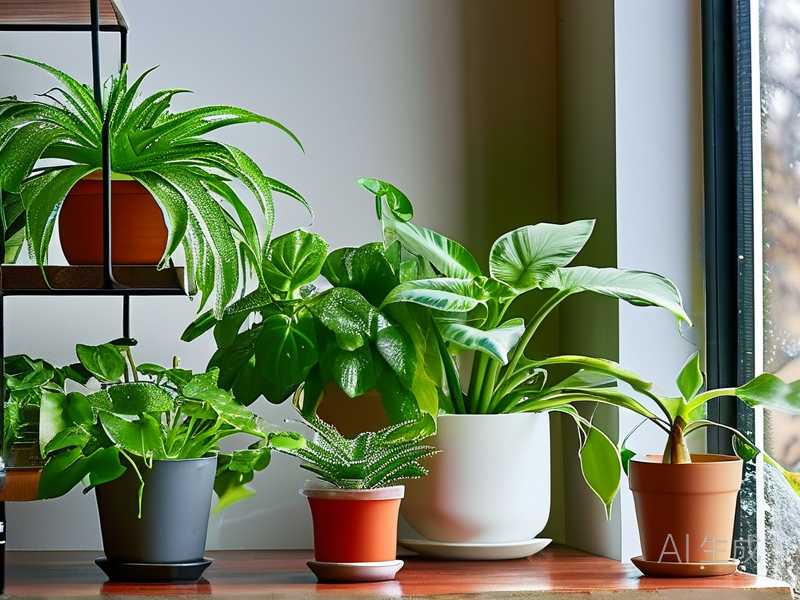
- Step 5: Introducing Group Therapy. I clustered my spider plants with a few other humidity-loving plants like a peace lily and a fern. Plants naturally release water vapor through transpiration; grouping them creates a beneficial microclimate where they share humidity.
- The Mistake I Made: Midway through Week 2, overly enthusiastic, I decided to mist the foliage directly several times a day. Within two days, I noticed water spots on the leaves and, worse, the very beginning of a fungal gnat issue in one pot from the constantly damp soil surface. The American Horticultural Society (AHS) advises that while misting can provide temporary relief, it is often ineffective for raising humidity long-term and can promote leaf diseases if overdone.
- The Fix: I immediately stopped misting. To address the gnats, I let the top layer of soil dry out completely between waterings and placed yellow sticky traps in the pot. I returned my focus to the passive, consistent humidity from the pebble trays and plant grouping.
The Two-Week Verdict:
At the end of 14 days, the results were clear and encouraging. The existing brown tips were unchanged, as expected. However, all three plants had pushed out new growth. Most importantly, these new leaves were unfurling completely green, with perfectly intact, crisp tips—no browning in sight. The plant grouping and pebble trays had successfully buffered them from the dry air. The fungal gnats were under control with the adjusted watering.
Long-Term Countermeasures for Winter Wellness
My two-week test proved the problem and solution. Here’s my sustained winter care protocol:
- Humidity is King: The pebble tray is a non-negotiable staple from November to March. For my largest collection in the living room, I use a small, quiet humidifier placed nearby, which has been a game-changer.
- Water with Wisdom: “Winter” means less frequent watering. I stick to the finger test religiously. Overwatering in cool, low-light conditions is an invitation for root rot.
- Location Scouting: I do an annual “heat audit” of my home each fall, identifying drafty windows and hot zones, and reposition my plants accordingly.
- Accept Imperfection: I now trim the crispy brown tips off with clean, sharp scissors, following the natural angle of the leaf. It doesn’t fix the damage, but it improves the plant’s appearance and allows me to monitor for new issues.
Addressing Your Spider Plant Concerns
Can I cut off the brown tips? Absolutely. Use sterile scissors and cut at a slight angle to mimic the leaf’s natural point. This is purely cosmetic but helps the plant look healthier while you address the underlying cause.
Is a humidifier necessary for spider plants? Not strictly necessary, but it’s the most effective tool. For one or two plants, pebble trays and grouping are sufficient. If you have a large collection or your air is extremely dry (below 30%), a humidifier is a worthwhile investment for both your plants and your own comfort.
Could brown tips mean something else besides dry air? Yes, but context is key. In winter, low humidity is the prime suspect. However, consistently soggy soil (root rot), a buildup of salts and minerals from tap water (fluoride or chlorine sensitivity), or under-watering can also cause similar symptoms. Rule out humidity first, then check your watering habits and consider using filtered or distilled water if you suspect chemical burn.
Seeing those vibrant green new leaves emerge, free of the telltale brown tips, was the ultimate reward. It confirmed that the challenge of dry leaf tips on spider plants in winter isn’t a death sentence—it’s a manageable environmental shift. By understanding the impact of our heating systems and implementing simple, consistent countermeasures, we can guide our spider plants not just through winter, but through it thriving. The resilience of these plants is remarkable; they just need a little help navigating our cozy, but desert-like, indoor winters.