bluename
 Odor in spider plant Potting Soil: My 2-Week Journey Using Activated Carbon for Deodorizing and Adsorption
That faint, musty smell wafting from your beloved spider plant's pot is more than just unpleasant. It's a warning sign. As a long-time indoor gardener, I've faced this issue more times than I'd like to admit. The odor in spider plant potting soil can signal overwatering, poor drainage, or the breakdown of organic matter in a stagnant environment. It's a common pain point that can worry any plant parent. Recently, I decided to tackle this head-on by testing a method often recommended but rarely detailed: using activated carbon for its deodorizing and adsorption effect. This is my hands-on, two-week experiment from setup to results, including all the mistakes and fixes along the way.
Understanding the "Why": What Causes Potting Soil Odors?
Before diving into the solution, it's crucial to diagnose the problem. A healthy spider plant (Chlorophytum comosum) shouldn't make its presence known through smell. When a sour, swampy, or rotten odor emerges, it's typically due to anaerobic conditions. This means the soil is waterlogged, and oxygen can't reach the roots. Harmful bacteria thrive in this environment, producing foul-smelling gases as they break down organic material in the mix.
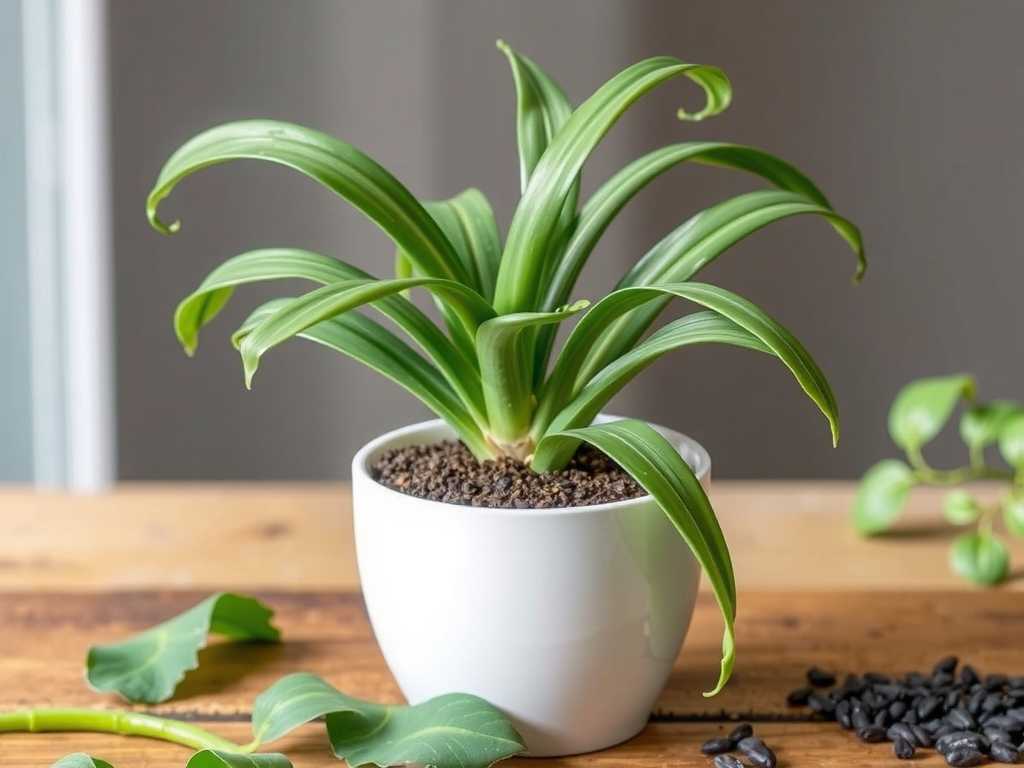
I consulted the American Horticultural Society's (AHS) resources on houseplant care, which confirm that persistent soil odor is a primary indicator of potential root rot. The goal isn't just to mask the smell but to correct the environment that causes it. This is where activated carbon for odor control in potting mixes comes into play. Its porous structure is scientifically proven to trap odor molecules and impurities, acting like a microscopic sponge.
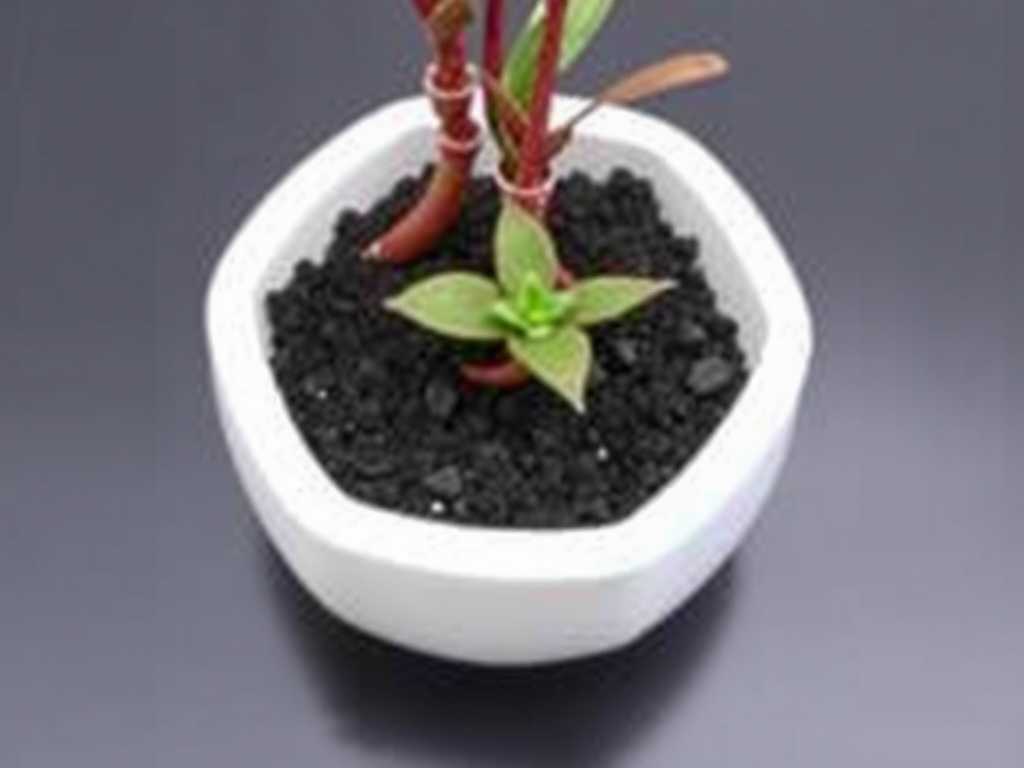
My Setup: Integrating Activated Carbon into the Potting Mix
My test subject was a mature spider plant that had been in the same pot for over two years. The soil smelled slightly damp and earthy in a stale way, not the fresh scent of healthy soil. I repotted it using a two-pronged approach combining fresh medium and activated carbon.
Materials I Used:
- A new, clean pot with ample drainage holes (1 inch larger than the previous one)
- Fresh, well-draining potting soil formulated for indoor plants
- Horticultural-grade activated carbon (not charcoal from a grill!)
- A trowel, gloves, and a tray for mixing
My Step-by-Step Process:
- Plant Removal and Root Inspection: I gently removed the spider plant from its old pot. I shook off the old soil and carefully inspected the roots. Thankfully, they were mostly white and firm, with only a few brown tips—a sign I was intervening just in time.
- Creating the Carbon-Amended Mix: Here was my first critical decision. I didn't just layer the carbon. Based on advice from the Royal Horticultural Society (RHS) on improving soil filtration, I created a homogeneous mix. I combined about 4 parts of fresh potting soil with 1 part of activated carbon. I mixed them thoroughly on a tray to ensure even distribution. This integrates the adsorption material throughout the root zone.
- Pot Preparation: I placed a single layer of small stones or broken pottery over the drainage holes to prevent soil washout. Then, I added a base layer of my new soil-carbon mix.
- Repotting: I positioned the spider plant in the center and filled in around the roots with more of the amended soil, gently firming it to eliminate large air pockets.
- Initial Watering: I watered the plant thoroughly until water ran freely from the bottom, helping the soil settle. I made sure to empty the saucer afterward to prevent the pot from sitting in water.
The Two-Week Observation Diary: Tracking Changes and Effects
Days 1-3: The Initial Phase Immediately after repotting, the stale odor was gone, replaced by the neutral, clean scent of the new soil and carbon. The plant looked slightly stressed from the repotting, which is normal. I placed it in bright, indirect light and resisted the urge to water again.
Days 4-7: First Signs and a Minor Setback By day four, the plant perked up, showing no signs of transplant shock. However, I noticed the surface soil was staying moist for a surprisingly long time. This was my first "踩过的坑" or pitfall. I realized that while activated carbon is brilliant for odor adsorption, it can also retain moisture if used in too high a concentration or if the base potting mix is already moisture-retentive.
The Fix: I carefully aerated the top inch of soil with a small stick to improve surface evaporation and airflow. I also adjusted my watering mindset, deciding to water only when the top 1.5 inches of soil were dry to the touch, rather than on a schedule.
Days 8-14: Stabilization and Clear Results In the second week, the benefits became undeniable. The soil smelled consistently fresh and neutral, even when I pressed my nose close to it after checking for moisture. The plant responded with vigorous growth, pushing out two new spiderettes. Most importantly, the deodorizing effect of activated carbon was sustained. There was no return of the musty, anaerobic smell. The soil also seemed to drain more effectively after my watering adjustment, and the plant's overall appearance was healthier and brighter.
Key Lessons Learned and Practical Tips
My experiment was a success, but it taught me several valuable lessons for using activated carbon in plant soil effectively:
- Ratio is Key: A 1:4 or 1:5 ratio (carbon to soil) is sufficient. More is not always better, as it can alter the soil's physical properties and water retention.
- Mix, Don't Layer: Thoroughly mixing the carbon into the soil is far more effective than creating a separate drainage layer at the bottom. Mixing ensures the odor-absorbing properties are active throughout the root zone where microbes and moisture interact.
- Quality Matters: Always use horticultural or aquarium-grade activated carbon. It's processed to be safe for biological systems. Grill charcoal contains chemicals and impurities that can harm your plant.
- It's a Supplement, Not a Cure-All: Activated carbon is fantastic for eliminating odors from potting soil and adsorbing certain toxins, but it does not replace good practices. Proper watering, adequate light, and a pot with drainage remain the foundational pillars of spider plant health. It works best as part of an integrated soil health strategy.
Addressing Your Curiosities: FAQ from Fellow Plant Lovers
Can I just sprinkle activated carbon on top of the soil of my smelly plant? While this might offer a very slight temporary surface effect, it is largely ineffective. For meaningful odor removal in plant pots, the carbon needs to be integrated into the soil where the anaerobic activity and moisture are present. Top-dressing will not address the core problem in the root zone.
How often do I need to replace the activated carbon in the soil? Activated carbon does eventually become "saturated" and lose its adsorption capacity. However, in a typical houseplant potting mix, it remains functional for several months to a year. The best practice is to replenish it when you routinely repot your plant, which for a fast-growing spider plant might be every 12-18 months.
Is activated carbon effective against fungus gnats, which often come with smelly soil? Activated carbon's primary action is adsorption, not insect control. While it can help dry the soil surface slightly (discouraging egg-laying) and may adsorb some organic compounds that attract gnats, it is not a direct pesticide. For a fungus gnat infestation, use activated carbon as part of the solution alongside sticky traps and, most crucially, by extending the periods between watering to let the soil dry out more.
Tackling the odor in spider plant potting soil with activated carbon proved to be a simple yet highly effective strategy. Over two weeks, it transformed a potentially problematic situation into a case study of proactive plant care. The deodorizing and adsorption effect provided a cleaner root environment, which my spider plant rewarded with visible, healthy growth. Remember, the goal is a holistic approach: use activated carbon as a powerful tool within your plant care toolkit, always backed by the fundamental principles of good drainage and mindful watering. Your nose—and your spider plant—will thank you.