bluename
 Recurrent Spider Mites on spider plants: My Battle Plan for Humidity Control
If you're reading this, you've likely faced the same frustrating cycle I have: you spot those telltale yellow speckles and fine webbing on your beloved spider plant, wage war with sprays and wipes, celebrate a brief victory, only to find the tiny, sap-sucking spider mites back with a vengeance a few weeks later. I was stuck in this loop for months. My spider plants, once lush and vibrant, were becoming pale and stressed. I realized I was treating the symptom, not the cause. Through trial, error, and research, I discovered that the secret weapon against recurrent spider mites on spider plants isn't a stronger pesticide; it's mastering your indoor climate, specifically environmental humidity.
The Royal Horticultural Society (RHS) clearly states that spider mites thrive in hot, dry conditions. They are not insects but arachnids, and they proliferate when humidity drops below 50%. My home's average humidity, especially in winter with the heat on, was a mere 30-35%—a paradise for mites, a desert for my plants. To break the cycle of spider mite infestations on chlorophytum, I had to shift from reactive killing to proactive environmental control. This is my two-week journey to reclaim my plants through humidity management.
Why Humidity is Your First Line of Defense
Most advice online jumps straight to insecticidal soaps or neem oil. These are tools, not strategies. The American Horticultural Society (AHS) emphasizes that plant health is intrinsically linked to its environment. A stressed plant is a target. Spider mites exploit dry air because it helps them reproduce rapidly and weakens the plant's natural defenses. By focusing on humidity control methods for indoor plants, I aimed to create an environment where my spider plants could thrive and spider mites could not.
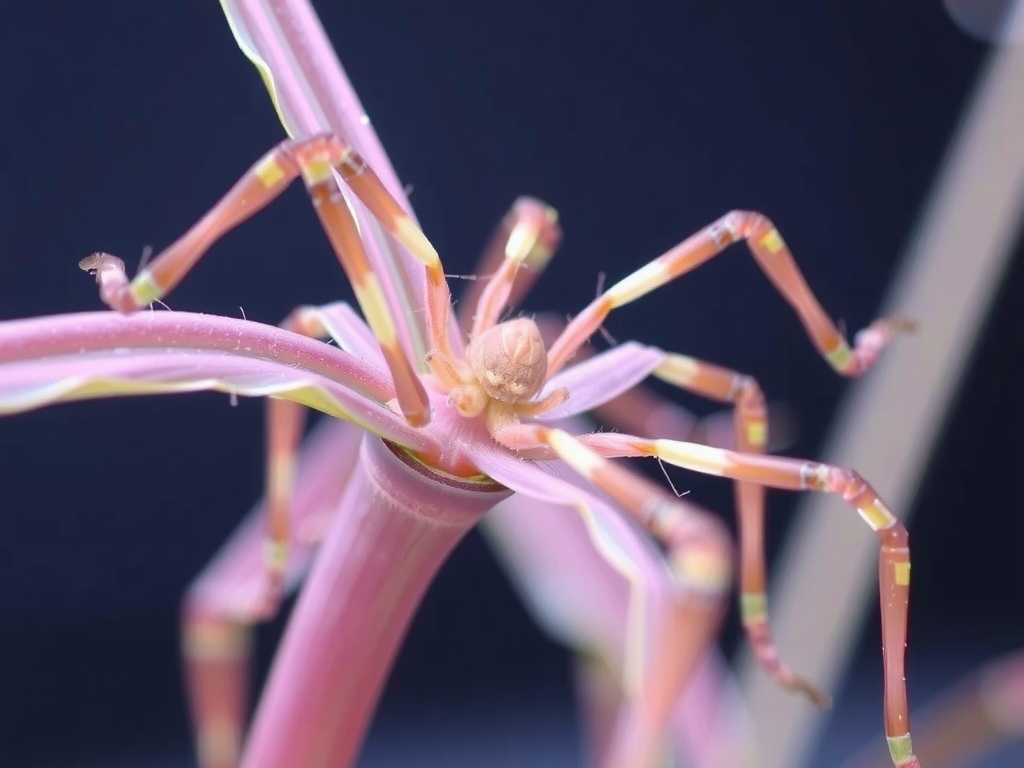
My goal wasn't to create a rainforest but to consistently maintain a humidity range of 50-60%. This level discourages mite reproduction while being perfectly comfortable for both my spider plants and my family.
My Two-Week Humidity Intervention Plan
I decided to implement and monitor three core methods simultaneously for two weeks, tracking my spider plants' recovery and any mite activity daily.
Week 1: Implementation and Initial Observations
Day 1-3: The Grouping and Pebble Tray Foundation
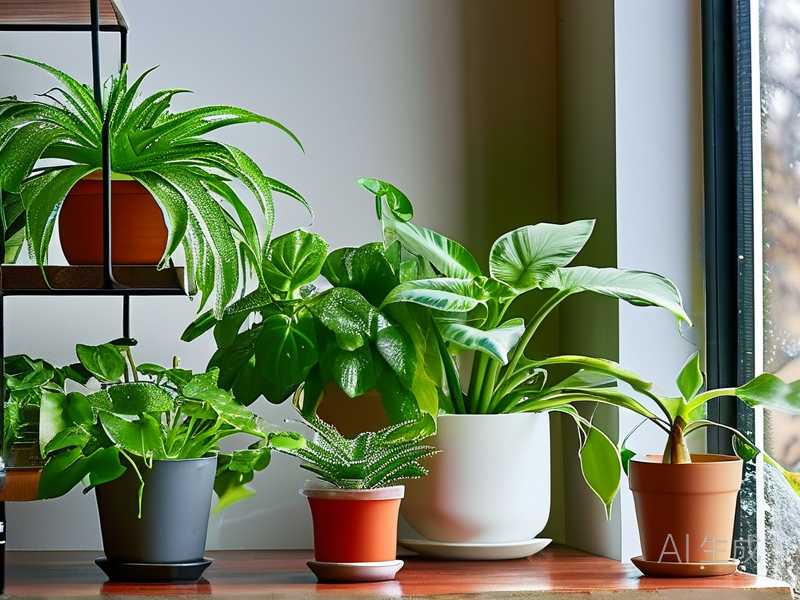
My first step was environmental. I moved my three affected spider plants closer together on a large, wide tray filled with water and pebbles. The plants were placed on the pebbles, ensuring the pots were not sitting directly in water to prevent root rot. This classic pebble tray method increases local humidity through evaporation.
I also placed a small digital hygrometer (a humidity gauge) right in the center of the plant group. This was crucial for data, not guesswork. Initial reading: 32%.
Concurrently, I gave each plant a thorough shower in my bathtub. Using a gentle spray, I washed the undersides of every leaf, physically dislodging as many mites and eggs as possible. This was my initial knockdown treatment before letting humidity take over.
Day 4-7: Introducing Targeted Misting
Every morning, I began a routine of fine misting. I used distilled water in a clean spray bottle, lightly misting the air around and under the leaves of my spider plants, avoiding heavy soaking that could encourage fungal issues. I did this in the morning so any droplets on foliage would evaporate by evening.
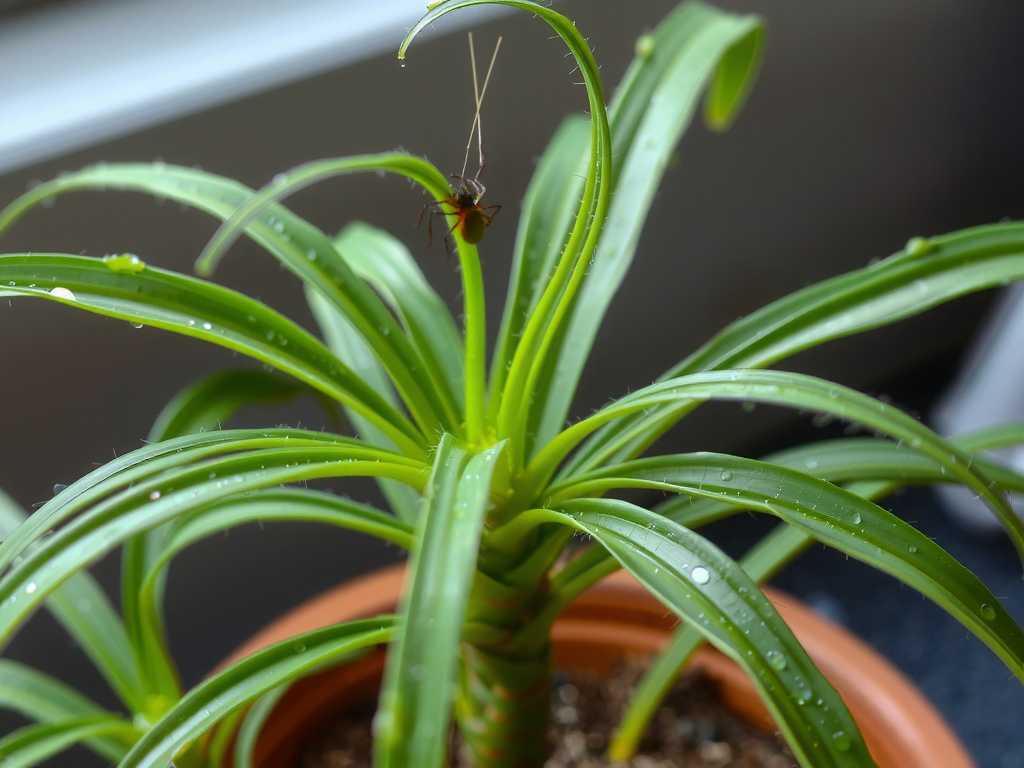
By Day 7, my hygrometer showed the local humidity around the plant group was consistently between 45-48%. It was working! Visually, the webbing had not returned. The yellow speckling seemed to have halted its spread. The plants looked less dusty and desperate.
Week 2: Refinement and Solidifying Gains
Day 8-10: The Humidifier Experiment
To push into the ideal 50-60% range, I introduced a small, cool-mist humidifier. I placed it about three feet away from the plant grouping, running it for 4-6 hours during the day. I was careful not to point it directly at the plants to avoid constant wet foliage.
This made a dramatic difference. The hygrometer now reliably read 55-58% in the zone. The difference in the plants' demeanor was palpable. New leaves, which had been emerging stunted and pale, started showing healthier, greener tips.
Day 11-14: Monitoring and Maintenance
I scaled back the humidifier to 2-3 hours a day, finding this maintained the 52-55% range. The misting and pebble tray (topped up daily) provided the consistent baseline. I performed a meticulous inspection with a magnifying glass on Day 14. I found zero active spider mites, no new webbing, and no new stippling damage. The existing damage remained, a scar of the past battle, but the plant was clearly growing out of it.
The Pitfalls I Encountered (And How I Fixed Them)
My journey wasn't perfectly smooth. Here are the key lessons from my mistakes.
Pitfall 1: Over-Misting and Fungus Gnats. In my early enthusiasm, I misted too heavily and too late in the day. This left leaves damp overnight and made the topsoil constantly moist. By week one, I saw a few fungus gnats. The fix was immediate: I switched to light, morning-only misting and let the top inch of soil dry out completely between waterings. The gnats disappeared within days.
Pitfall 2: Ignoring Air Circulation. High humidity without airflow is a recipe for mildew. My plants were in a corner. I added a small, oscillating fan on low setting, placed across the room to create gentle air movement. This prevented stagnant, damp air around the foliage, a critical step often overlooked in managing humidity for spider plant health.
Pitfall 3: Neglecting Other Plants. Spider mites spread. While I focused on my spider plants, I didn't initially check nearby plants. I found early signs on an adjacent ivy. The solution was to quarantine the ivy and extend my humidity-boosting practices to a broader area, effectively treating the plant community, not just the individual.
The Verdict After 14 Days
After two weeks of dedicated environmental humidity control, the cycle was broken. The spider mites were gone, and my plants were on a robust path to recovery. The new growth was strong and unblemished. The method was sustainable—unlike frequent spraying, which is labor-intensive and can harm beneficial microbes. I had created a habitat where my spider plants had the advantage.
This approach aligns perfectly with integrated pest management (IPM) principles endorsed by authorities like the RHS: prioritize cultural and physical controls before biochemical ones. By controlling the environment, I addressed the root cause of the recurring infestation, giving my plants long-term resilience.
Your Questions, Answered
Can I just use a humidifier and skip the other methods? You can, but a multi-pronged approach is more resilient. A pebble tray provides a constant baseline even if you forget to fill the humidifier. Misting offers a direct, immediate boost. Using them together creates a stable microclimate and reduces reliance on any single appliance.
My home is very dry. Will this really work for severe infestations? For a severe, active infestation, start with a physical wash (like the shower method) to drastically reduce the population. Then immediately implement your humidity strategy. The wash knocks them down, and the unfavorable humid environment prevents the survivors from rebounding. In extreme cases, you may need to combine the first wash with a single application of a gentle insecticidal soap, letting humidity handle the prevention thereafter.
How do I know if the humidity is too high for my spider plant? Spider plants are quite tolerant, but consistently above 70-80% can risk fungal or bacterial issues. Watch for soft, mushy spots on leaves or a moldy smell from the soil. This is why air circulation is non-negotiable. My target of 50-60% is safe and effective. Your hygrometer is your best friend here; let it guide you.
Breaking free from the cycle of recurrent spider mites requires a mindset shift. Stop seeing them as an invader to be repeatedly killed and start seeing them as a symptom of an environment out of balance. By mastering the simple, sustainable practice of humidity control, you give your spider plants the gift of a strong defense, turning your home from a mite haven into a sanctuary for healthy, thriving growth. The proof is in the vibrant, unblemished leaves of a recovered plant.